Yes, new cruise ships typically cost 20–40% more per person than older vessels on the same itinerary, with newer ships often running $150–$350/person/night versus $80–$200/person/night on older ships — but the price gap depends heavily on the cruise line, itinerary, and what extras are included.
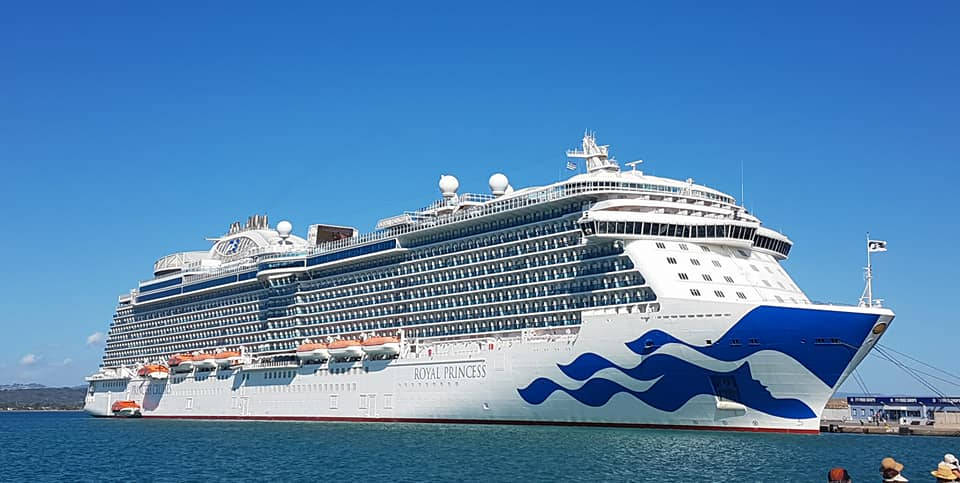 Photo: Royal Caribbean International
New ships get the marketing dollars, the Instagram reels, and the launch buzz — and cruise lines charge accordingly. Booking a brand-new ship in its debut season can feel like paying a luxury hotel rate for a room you haven't even seen yet. Here's exactly what that premium looks like in real numbers, and whether it's actually worth it.
New vs. Old Ship Pricing: The Real Numbers
Cruise lines use demand-based pricing, and nothing drives demand like a shiny new ship. During a ship's inaugural year, expect to pay a 15–40% premium over comparable itineraries on older vessels in the fleet. That gap narrows after year two, but never fully disappears — newer ships consistently command higher base fares.
Here's a realistic price comparison for a 7-night Caribbean sailing across the age spectrum:
| Ship Age | Example Ships | Avg. Interior Cabin (per person) | Avg. Balcony (per person) | Notes |
|---|---|---|---|---|
| Brand new (0–2 years) | Icon of the Seas, Sun Princess, Norwegian Aqua | $1,400–$2,800 | $2,200–$4,500 | Inaugural premium baked in |
| Mid-age (5–10 years) | Harmony of the Seas, Norwegian Breakaway | $950–$1,800 | $1,500–$3,000 | Sweet spot for value |
| Older (15–20 years) | Carnival Glory, Adventure of the Seas | $550–$1,100 | $900–$1,800 | Heavily discounted, especially last-minute |
| Budget/Classic (20+ years) | Carnival Ecstasy-era ships, older MSC vessels | $350–$750 | $700–$1,300 | Fewer amenities, but lowest cost |
All prices are 7-night sailings, peak season 2025–2026, double occupancy, per person.
 Photo: Royal Caribbean International
Key Factors That Drive the Price Gap
1. Inaugural Season Demand Cruise lines sell out new ships fast — often a year or more in advance at top dollar. Supply is fixed, demand is sky-high, and you're paying for the novelty. The Icon of the Seas sold out its debut sailings at prices that made even veteran cruisers wince.
2. More Onboard Revenue Potential New ships are engineered to extract more money per guest. More specialty restaurants, bigger spa footprints, waterparks, sky-diving simulators, go-kart tracks — all of which cost extra. The base fare is just the entry ticket. Expect onboard spending to run $100–$200/person/day on newer mega-ships versus $60–$120/person/day on older ships.
3. Higher Capacity = Higher Fixed Costs Modern ships carry 4,000–7,500 passengers. Building a vessel that size costs $1–$2 billion. Those construction loans get priced into your ticket.
4. Technology and Amenities Premium Newer ships have features older ones simply don't — app-based check-in, faster internet (often included or cheaper per plan), more cabin types, and better HVAC. You're paying for R&D and modern infrastructure.
5. Itinerary Overlap Older ships often run the same Caribbean or Mediterranean routes as new ones. Same ports, same sea days — but the price differential can be hundreds of dollars per person. The itinerary itself isn't always the reason for the premium.
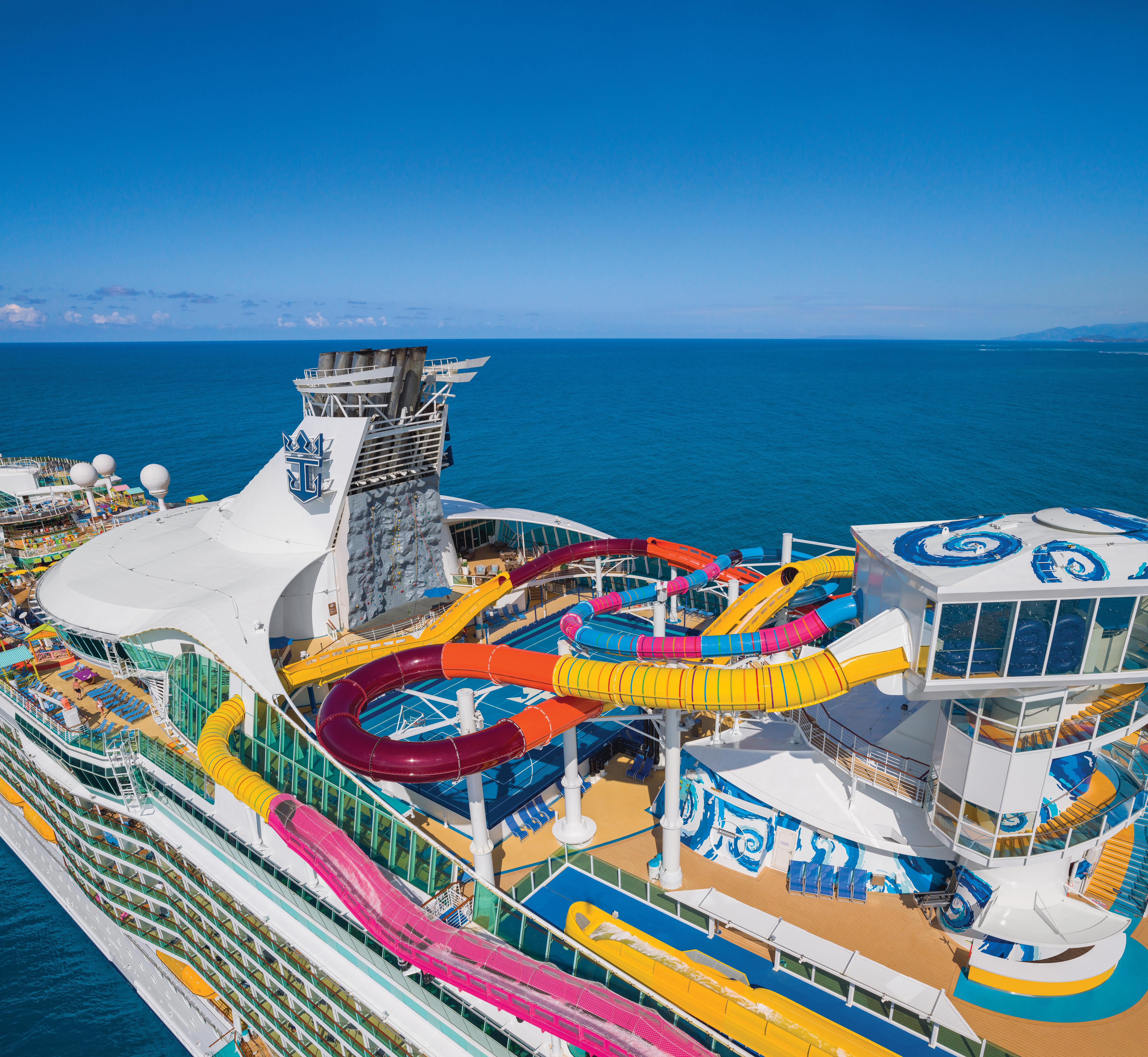 Photo: Royal Caribbean International
Practical Tips to Save Money (or Decide If New Is Worth It)
Skip the debut season. A ship that launches in January 2026 will carry a 25–35% premium for that entire first year. Book the same ship 18–24 months later and the price normalizes significantly without the ship aging a day.
Compare sister ships directly. Royal Caribbean's Oasis-class ships span 15 years of builds. Allure of the Seas (2010) offers nearly identical features to Symphony of the Seas (2018) at a meaningfully lower price. Know the class, not just the name.
Watch for repositioning sailings on older ships. When a cruise line moves an older vessel between seasons, they price those sailings aggressively — sometimes $400–$700/person for a 10-night sailing. You're trading flash for value.
Factor in what's included. Some older ships on Norwegian, Virgin Voyages, or Celebrity include drink packages or specialty dining in the base fare through promotional offers. A newer ship at $1,800/person bare-bones can end up costing more total than an older ship at $1,200/person all-in.
Use wave season (January–March). Cruise lines discount both new and old ships during this booking window, but older ships often see steeper percentage cuts. It's the best time to grab a mid-age ship at budget pricing.
Which Type of Traveler Should Book Which Ship?
| Traveler Type | Best Pick | Why |
|---|---|---|
| First-time cruiser | Mid-age ship (5–10 years) | Best balance of amenities and price |
| Families with kids | New mega-ship OR older family ship | New ships have more kid attractions; older ships are cheaper for big groups |
| Couples / romance | Newer boutique ships or premium lines | Better cabin design, fewer kids, modern amenities |
| Budget traveler | Older ship, off-peak, last-minute | Maximum savings, minimal compromise on itinerary |
| Cruise enthusiast / ship nerd | Brand new debut sailing | The experience is the point — pay the premium knowingly |
| Port-focused traveler | Oldest ship that fits the itinerary | You're barely on the ship; don't overpay for features you won't use |
Specific Lines Where the New vs. Old Gap Is Biggest
Royal Caribbean has the widest price spread in the industry. Icon of the Seas can cost 3x what an older Vision-class ship charges for a Caribbean week. The gap is real and significant.
Carnival keeps older ships in heavy rotation with aggressive discounting — older Carnival ships are among the best value plays in cruising if you book smart.
MSC bucks the trend slightly — their newer ships (Seashore, Seascape) are priced competitively because they're chasing U.S. market share. Don't assume MSC new = massive premium.
Celebrity and Princess position newer ships as premium-tier, but their older vessels often include better promotional packages that close the gap in total cost.
If you want to skip the guesswork and see exactly what a given sailing will cost you — including drink packages, tips, and port fees — run your numbers through CruiseMutiny before you book anything. It'll show you the real all-in price across ship ages so you can decide if that new-ship premium is actually worth paying.