The best cruise cabin upgrade strategy combines bidding low-to-mid on upgrade programs (typically $50–$300/person above base fare), booking guarantee cabins for automatic upgrades, and timing your request at final payment or embarkation day — when cruise lines are most motivated to fill premium inventory.
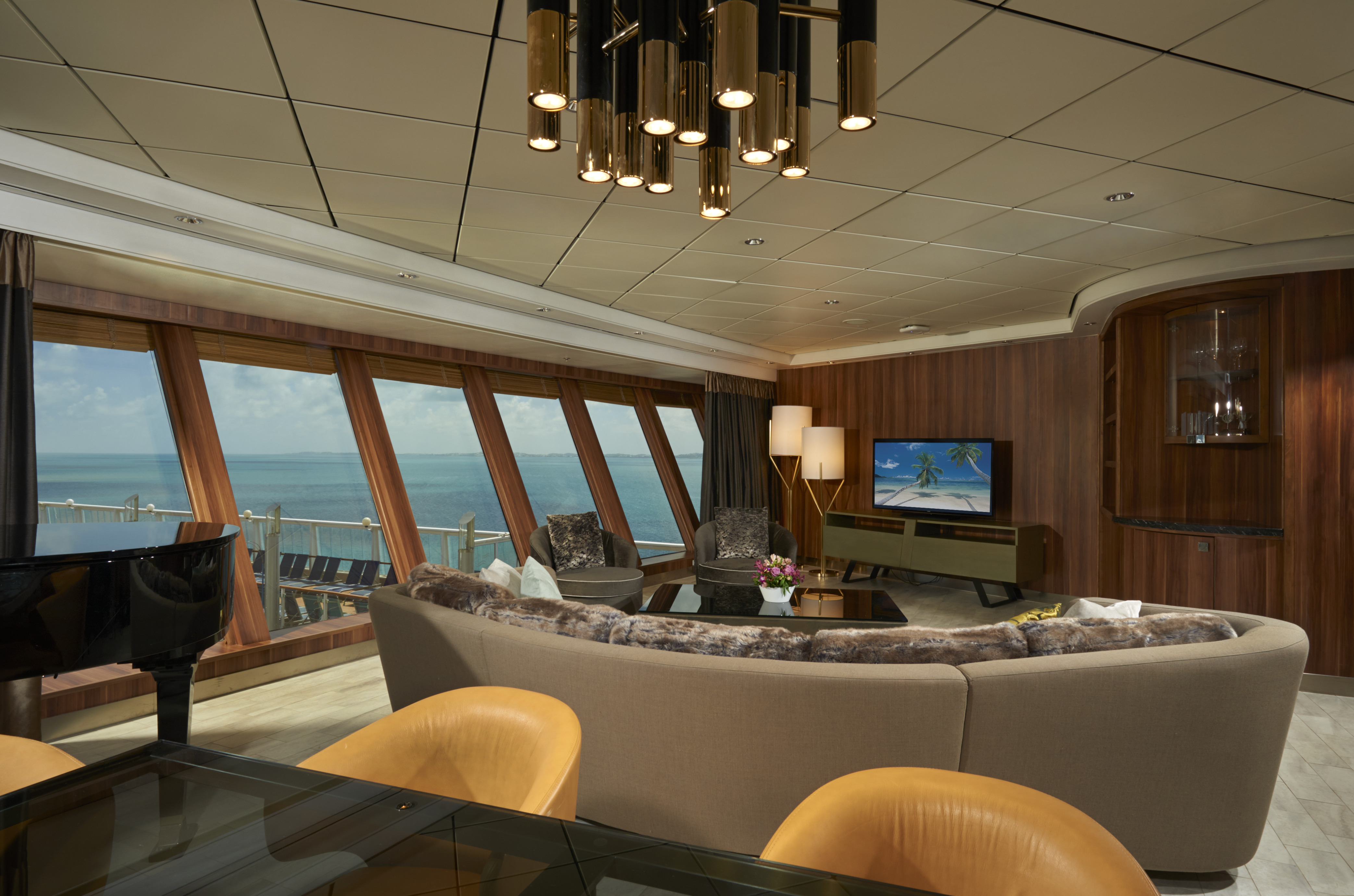 Photo: Norwegian Cruise Line
You paid for an inside cabin. You want a balcony. The cruise line has empty balconies sitting unsold. There's a deal to be made here — and most cruisers have no idea how to work it. Here's exactly how to play the upgrade game without getting fleeced.
The Core Upgrade Strategies — With Real Numbers
There are four main paths to a cabin upgrade, and each has a different cost-to-success ratio:
| Strategy | Typical Cost | Success Rate | Best For |
|---|---|---|---|
| Bid/Upgrade Program (e.g., Royal Up, Norwegian Upgrade, Move Up) | $50–$300/person above base | Moderate (30–50%) | Planners willing to gamble cabin assignment |
| Guarantee Cabin Booking | $0 extra (built into lower fare) | High (60–80%) | Budget travelers who don't care about location |
| Embarkation Day Ask at Guest Services | $0–$150/person | Low-Moderate (20–35%) | Last-minute deal hunters |
| Loyalty/Status Complimentary Upgrade | $0 | Low (10–20%) | Frequent cruisers with Elite/Platinum status |
| Travel Agent Negotiated Upgrade | $0–$100/person | Moderate (40–60%) | First-timers with a good TA relationship |
The single best value play: Book a Guarantee cabin in the category you're willing to sleep in (inside or oceanview), and let the cruise line assign you something better. They regularly bump guarantee bookings up one or two categories when inventory is tight.
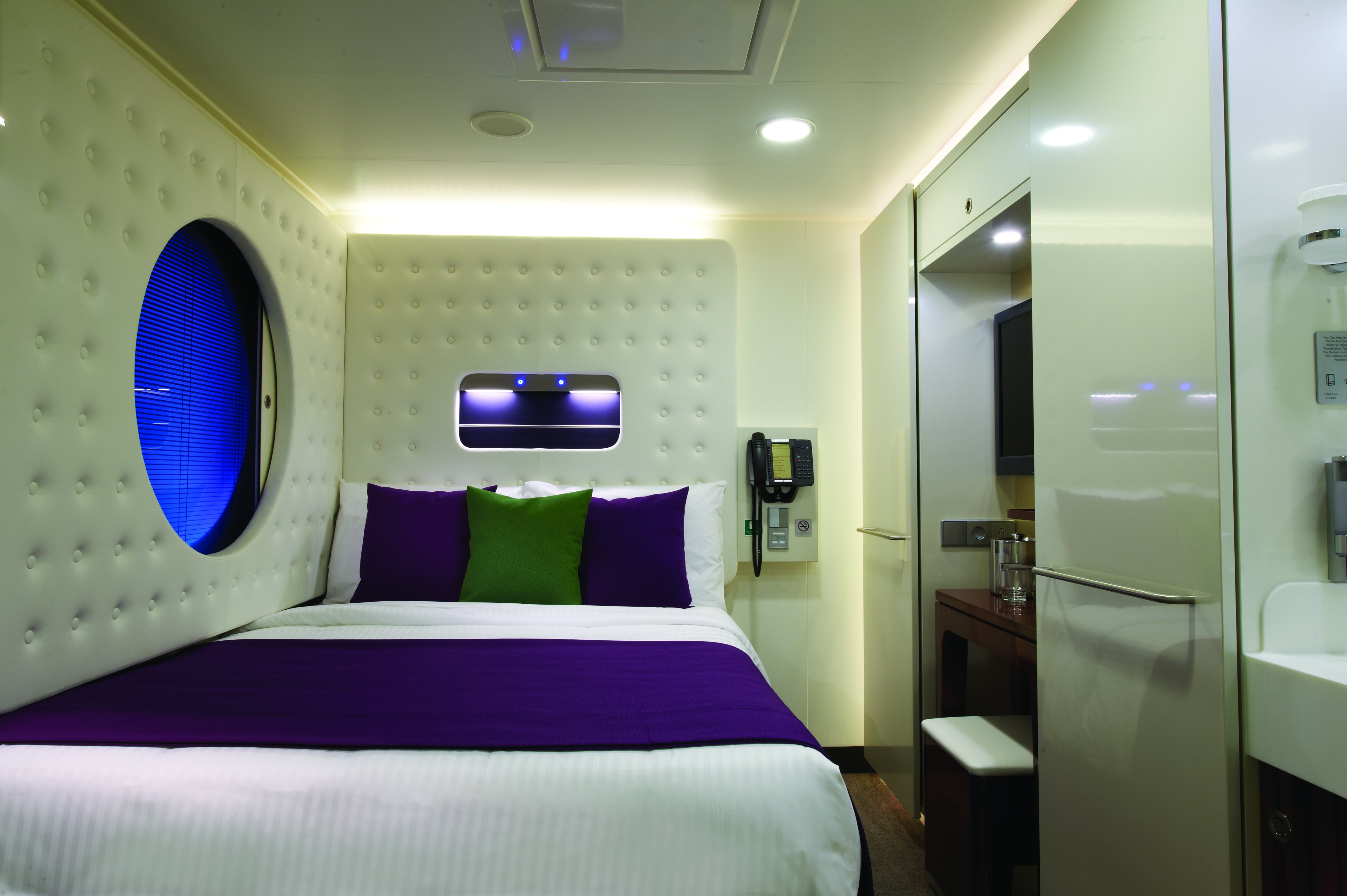 Photo: Norwegian Cruise Line
Key Factors That Drive Upgrade Success
1. Timing is everything. The two magic windows are right after final payment (60–90 days out) and embarkation day itself. After final payment, the cruise line knows exactly what's unsold. On embarkation day, unsold premium cabins are dead revenue — they'll deal.
2. Bid smart on upgrade programs. Royal Caribbean's Royal Up, Celebrity's MoveUp, Norwegian's upgrade bidding, and MSC's similar program all work the same way: you bid above your base fare per person. Don't bid minimum — but don't bid maximum either. A bid of 25–40% above the minimum offer is typically the sweet spot that gets accepted without overpaying. On a $200 minimum bid, that means $250–$280/person.
3. Ship load factor matters. A sailing at 95% capacity? Your odds of a free or cheap upgrade are near zero. A sailing at 75% capacity on a slow week in January or September? You have real leverage. Check historical load data or ask your travel agent about demand levels before wasting a bid.
4. Category proximity counts. You're far more likely to get upgraded from an oceanview to a balcony than from an inside cabin to a suite. Bid one category up. Two is a stretch. Three is a lottery ticket.
5. Loyalty status helps — but less than you think. Carnival Platinum, Royal Caribbean Diamond, Princess Elite — these tiers do get occasional complimentary upgrades, but cruise lines have quietly scaled back free upgrades over the past five years. Don't count on it. Use status as a tiebreaker, not a strategy.
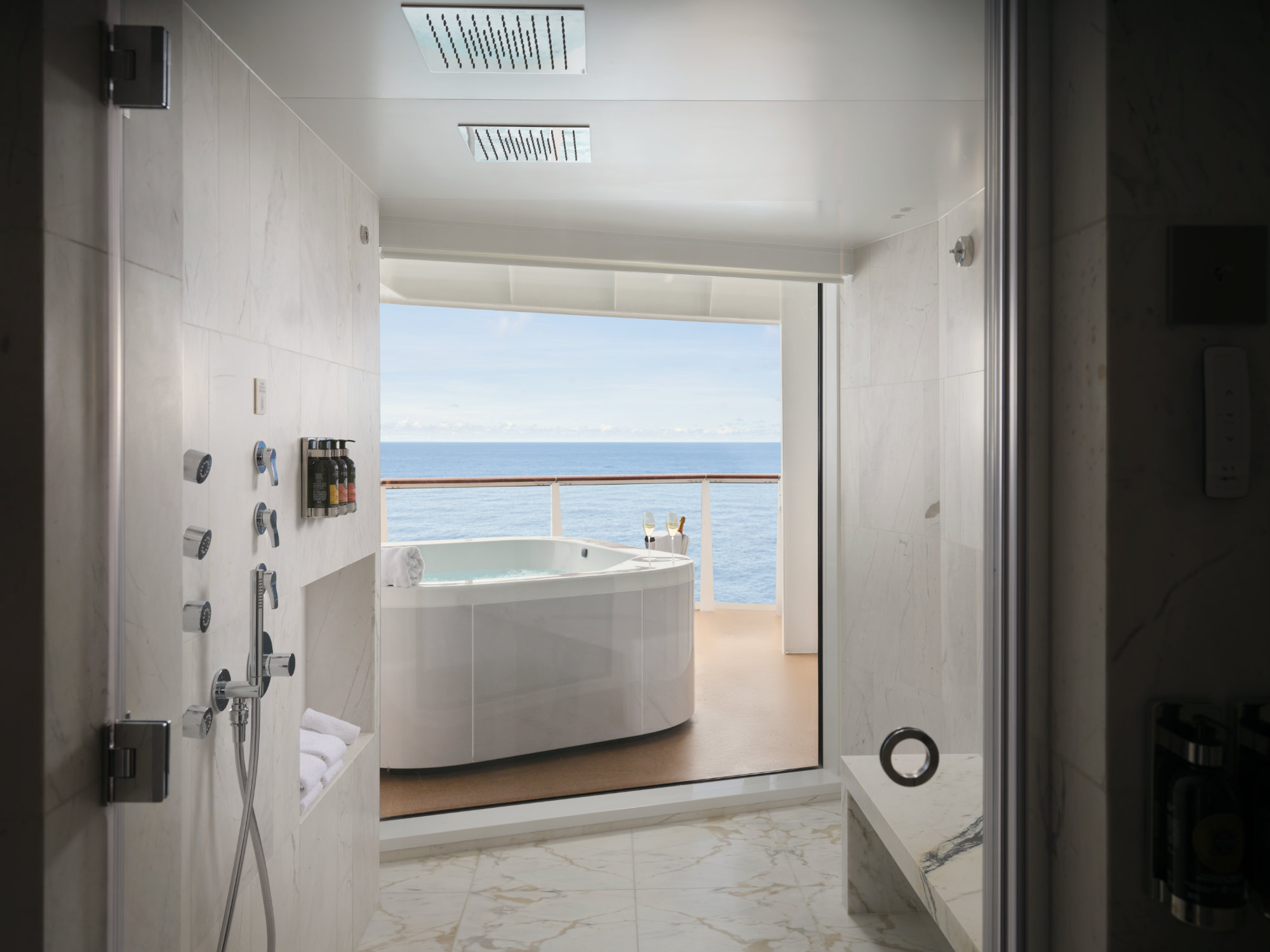 Photo: Norwegian Cruise Line
Practical Tips to Save Money and Maximize Your Upgrade Odds
Book early, bid late. Lock in your cabin at the best early-bird fare, then submit your upgrade bid closer to the sailing when the cruise line has a clearer picture of unsold inventory. Most programs let you bid up to 2–3 days before departure.
Never pay full price for an upgrade at booking. If the cruise line offers to move you to a balcony for $400/person extra at booking, wait. That same upgrade through the bid program might cost $100–$150/person closer to sail date.
Use a travel agent who has group block inventory. Some TAs hold a block of cabins at contracted rates. When those blocks go unsold close to departure, they reassign the better cabins to their clients first. This is a genuinely underused edge.
Skip the upgrade bid on holiday sailings. Christmas, New Year's, spring break — these ships sail full. Your bid money is better spent elsewhere.
Screenshot your bid confirmation. If you win an upgrade, the new cabin assignment sometimes doesn't update in your cruise planner immediately. Having proof of your bid acceptance avoids a headache at check-in.
Call, don't just click. Some cruise line representatives have discretionary authority to offer upgrades that the automated bid system won't surface. A polite call to the reservation line 48 hours before sailing — especially if you're celebrating a honeymoon, anniversary, or milestone birthday — occasionally unlocks options the website never shows you.
Which Cruise Lines Have the Best Upgrade Programs?
| Cruise Line | Program Name | Minimum Bid (typical) | Notes |
|---|---|---|---|
| Royal Caribbean | Royal Up | $30–$100/person | Wide cabin category range, easy interface |
| Celebrity Cruises | MoveUp | $50–$150/person | Strong for Aqua Class and suite bids |
| Norwegian Cruise Line | Upgrade Advantage | $50–$200/person | Less transparent, harder to gauge success |
| Princess Cruises | Princess Upgrade | $25–$100/person | Good for balcony-to-mini-suite moves |
| MSC Cruises | MSC Upgrade | $40–$120/person | Newer program, lower competition |
| Carnival | No formal bid program | N/A | Embarkation day upgrade desks are your best bet |
| Disney Cruise Line | No bid program | N/A | Upgrades nearly nonexistent — book what you want |
The best overall program: Royal Caribbean's Royal Up is the most transparent and traveler-friendly, with the widest category range and clear bid minimums. Celebrity's MoveUp is the best for premium cabin hunters targeting Aqua Class or suite inventory.
Avoid gambling on upgrades with Disney — their ships sail at near-100% capacity year-round and there's no bid mechanism. Book the cabin you actually want from day one.
Want to know whether an upgrade is actually worth it for your specific sailing? Run the numbers with CruiseMutiny — it shows you the real per-day cost difference between cabin categories so you can decide if a bid makes financial sense before you commit.