Big ships win on per-day price (often $100–$200/person/day vs $300–$800+ for small ships), but small ships access exclusive destinations and eliminate costly add-ons — making them better value for experience-focused travelers despite the higher sticker price.
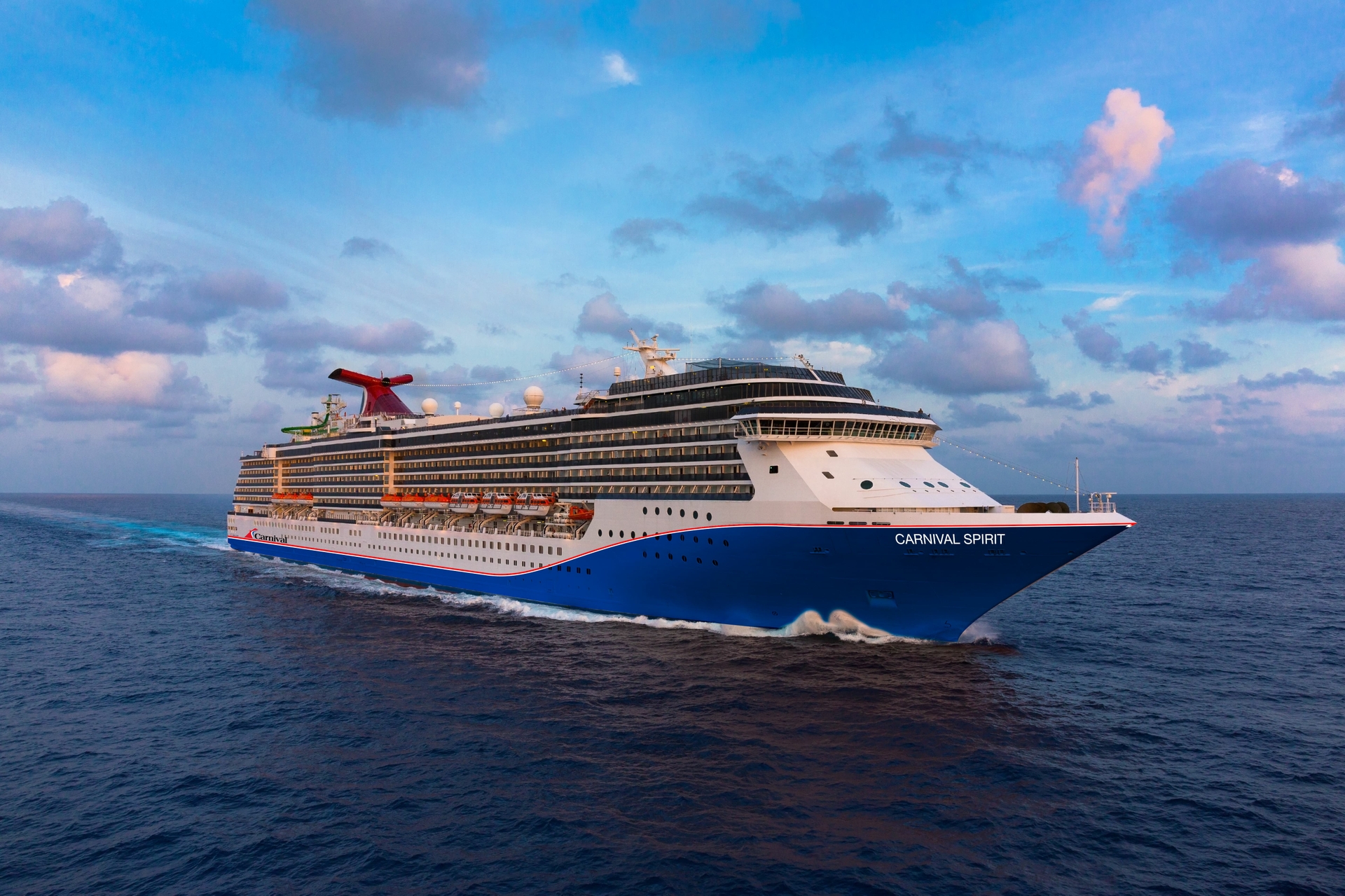 Photo: Carnival Cruise Line
You can book a 7-night Caribbean cruise on a 5,000-passenger megaship for under $700 per person. Or you can spend $4,000+ on a 7-night expedition cruise with 100 passengers in the Galápagos. Both are 'cruises.' Only one of them is actually worth the money for your specific situation — and the answer depends almost entirely on what you're trying to get out of the trip.
The Core Cost Difference: Big Ship vs Small Ship
Here's where the numbers actually land for 2025–2026 sailings across ship categories:
| Ship Category | Passenger Count | Per-Person/Day (Cruise Fare) | All-In Daily Cost (with drinks, tips, excursions) | Best For |
|---|---|---|---|---|
| Megaship (budget) | 3,000–7,000 | $80–$150 | $175–$280 | Price-first families, first-timers |
| Megaship (premium) | 2,500–5,000 | $150–$250 | $280–$450 | Variety-seekers, families |
| Mid-size ship | 700–2,500 | $200–$400 | $350–$600 | Balanced experience, port-heavy itineraries |
| Small ship (luxury) | 200–700 | $400–$900 | $550–$1,100 | Destination-focused, no-nickel-and-diming |
| Expedition/ultra-small | 50–200 | $500–$1,500 | $700–$1,800 | Remote destinations, serious travelers |
The sneaky truth: Big ship base fares look cheap until you add the Deluxe Beverage Package ($75–$95/person/day on Royal Caribbean or Carnival), daily gratuities ($18–$22/person/day), specialty dining ($30–$75/meal), and shore excursions ($80–$200/person). A 'cheap' $99/night cabin can balloon to $280+ per person per day all-in.
Small luxury ships (think Azamara, Oceania, Windstar, Seabourn) frequently include drinks, tips, and sometimes excursions in the fare. The sticker shock is real, but the all-in math is often less brutal than it looks.
 Photo: Carnival Cruise Line
Key Factors That Drive the Value Equation
1. Destination Access This is where small ships absolutely dominate. A 340-meter Royal Caribbean megaship cannot dock in Portofino, navigate the Scottish lochs, or drop anchor in a Galápagos cove. Small ships go where big ships physically cannot. If the destination is your primary reason for cruising, small ship value is hard to argue against — you're paying for access, not just a floating hotel.
2. The Nickel-and-Diming Factor Megaships are designed as revenue-generating machines. Every touchpoint — specialty coffee, the nice pool deck, the premium entertainment venue, the 'included' dining upgrade — is a monetization opportunity. Carnival, Royal Caribbean, and Norwegian are masters of this. By contrast, small luxury lines like Seabourn or Paul Gauguin Cruises bundle almost everything. One price, far fewer surprises.
3. Crowd Density vs Amenity Volume Big ships offer waterslides, laser tag, Broadway shows, 20 dining venues, and a casino. Small ships offer... none of that. But they also don't put 6,800 passengers through the same gangway at 8am fighting for a tender boat. If amenities matter to you (especially with kids), big ships win on variety. If tranquility and personal space matter, small ships win — sometimes dramatically.
4. Solo Traveler Surcharges Big cruise lines are notorious for 100% solo supplements — meaning a solo traveler pays double. Some megaship lines (Norwegian, MSC) offer dedicated solo cabins at reduced or no supplement. Small ships tend to have fewer solo options and steeper supplements, making them a worse deal for solo travelers on a budget.
5. Kids and Families Megaships earn their money here. Kids' clubs, teen lounges, character experiences (Disney), family suites — the infrastructure for family travel is purpose-built on big ships. Small ships rarely have supervised kids' programming. If you're traveling with children under 16, a big ship delivers significantly more value per dollar for the family unit.
 Photo: Carnival Cruise Line
Practical Tips to Get the Best Value from Either Type
On Big Ships:
- Skip the beverage package if you drink fewer than 5–6 alcoholic drinks per day. Do the math: the breakeven on Royal Caribbean's Deluxe Package is roughly 5–6 cocktails daily. Many people lose money on this.
- Book interior cabins on megaships — you're rarely in the cabin. Save $100–$200/night and spend it on excursions.
- Use third-party excursion operators instead of cruise-line tours. You'll typically save 30–50% for the same or better experience.
- Eat in the main dining room for dinner. Specialty restaurants add $35–$75/person/night in 'optional' costs that add up fast.
- Book early (9–12 months out) for the best cabin selection at launch pricing, or last-minute (within 30–60 days) for deep discounts on unsold inventory.
On Small Ships:
- Verify exactly what's included in writing before booking. 'All-inclusive' means different things on different lines. Does it include shore excursions? Which alcohol brands? Tips?
- Consider repositioning sailings on small luxury ships — repositioning fares are often 30–40% cheaper than peak-season sailings.
- Azamara and Oceania offer the best small-ship value for travelers transitioning from mainstream lines — more included, less expensive than ultra-luxury Seabourn or Silversea.
- Travel in the shoulder season. Small ships visiting Mediterranean ports in April or October versus July can show 20–35% fare differences.
Which Ship Size Is Right for Which Traveler?
| Traveler Type | Best Fit | Why |
|---|---|---|
| Budget-first, first-timer | Big ship (Carnival, MSC) | Lowest entry cost, maximum amenities |
| Family with kids under 12 | Big ship (Disney, Royal Caribbean) | Kids' clubs, family infrastructure |
| Destination obsessive | Small ship (Windstar, Azamara) | Unique port access, immersive itineraries |
| Luxury/no-hassle traveler | Small ship (Seabourn, Silversea) | Truly all-inclusive, elite service ratios |
| Solo traveler on a budget | Big ship with solo cabins (Norwegian) | Reduced or waived solo supplements |
| Expedition/nature traveler | Expedition ship (Hurtigruten, Lindblad) | Unique destination access, expert guides |
| Foodies and wine lovers | Small-mid ship (Oceania, Celebrity) | Superior culinary programs |
| Nightlife/entertainment focus | Megaship (Royal Caribbean, NCL) | Volume of onboard entertainment |
The honest answer is this: big ships are cheaper per day but cost more to enjoy fully. Small ships are expensive upfront but often deliver a cleaner, less stressful, more memorable experience — especially if the destination is your priority. Neither is universally 'better value.' The right answer depends on your travel style, group makeup, and what you're actually trying to get out of the trip.
Before you book either, run your numbers through CruiseMutiny — it'll show you the real all-in cost of any cruise so you're not ambushed by add-ons after you've committed.