Four U.S. states are actively monitoring cruise passengers following a deadly hantavirus outbreak aboard a ship. The outbreak resulted in at least one fatality and has prompted widespread health surveillance efforts. Health departments in multiple states are tracking passengers who returned to their jurisdictions after the voyage.
📰 Reported — from industry news sources
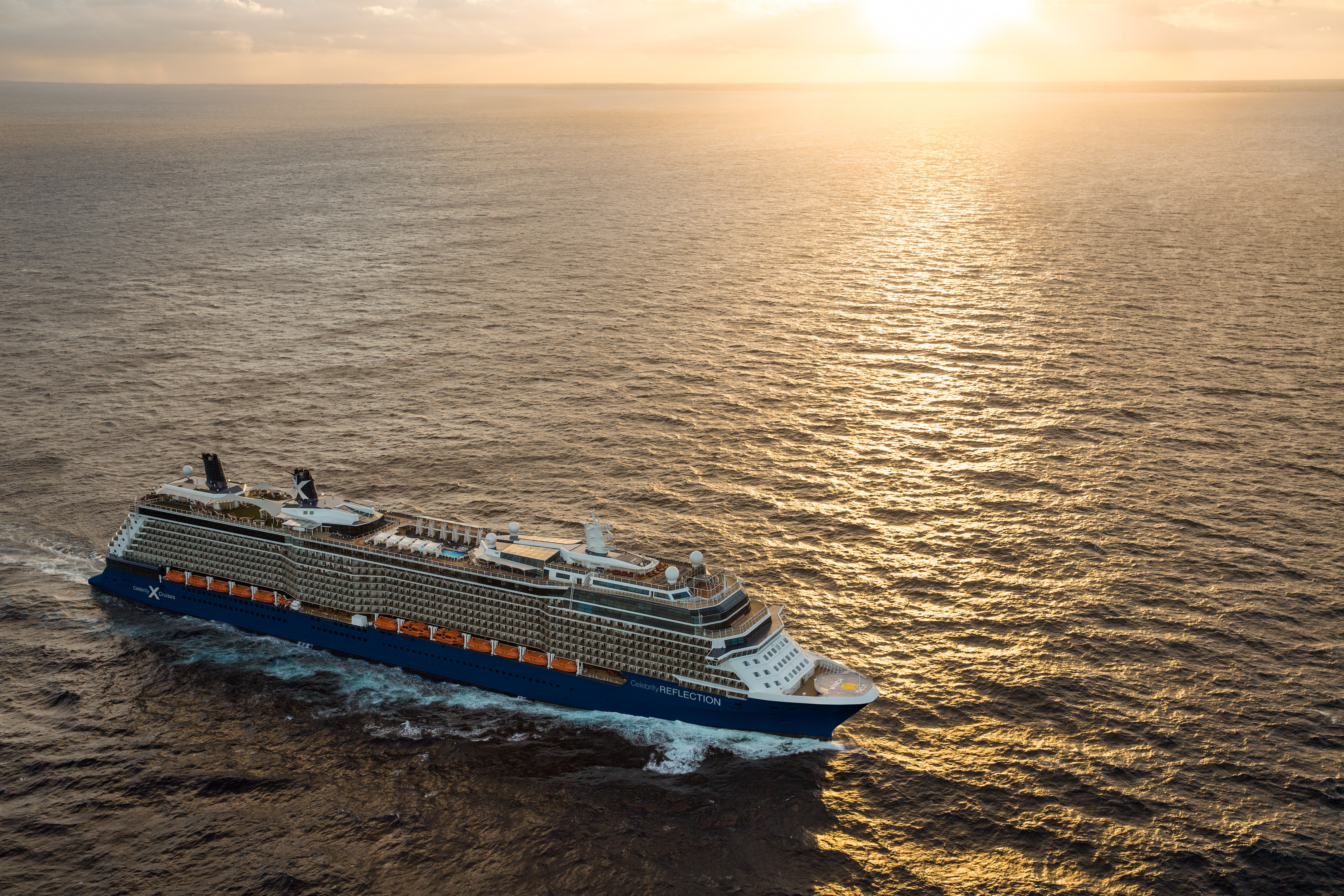 Photo: Celebrity Cruises
4 States Monitor Passengers After Deadly Cruise Hantavirus Outbreak
What Happened
A cruise ship experienced a confirmed hantavirus outbreak that killed at least one passenger and triggered active health monitoring across four U.S. states. Health departments are now tracking passengers who disembarked and returned home, watching for additional cases. Hantavirus—typically transmitted through contact with rodent droppings, urine, or saliva—is exceptionally rare on cruise ships, making this outbreak highly unusual and concerning for public health officials.
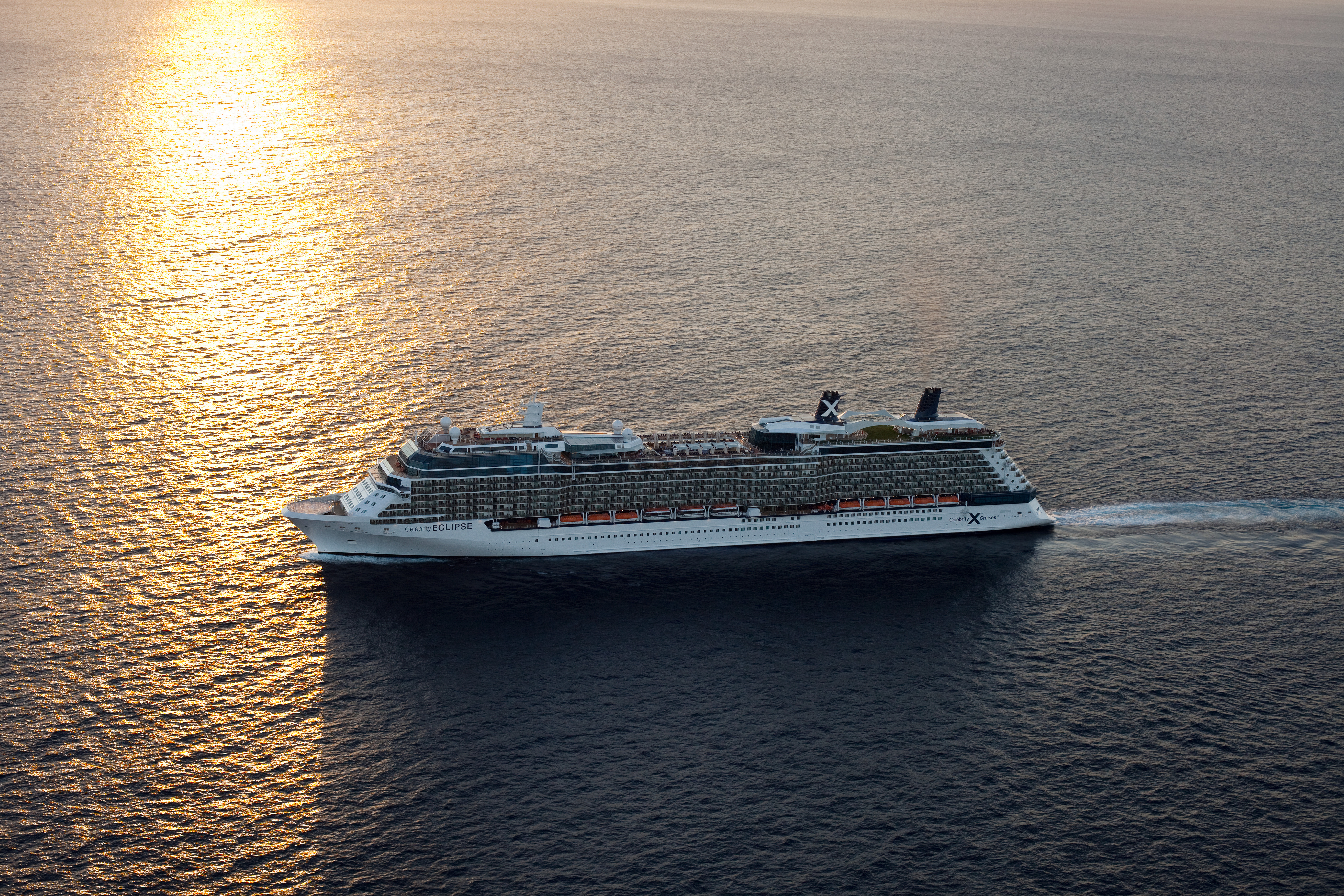 Photo: Celebrity Cruises
What This Actually Means For Your Wallet
If you were on this sailing, you're looking at potential costs that go way beyond the cruise fare you paid. Let's break down the actual financial exposure.
The immediate hit: Most passengers are home already, which means you've likely burned through your vacation days and any non-refundable shore excursions booked independently. If you booked a $50/person port tour in every stop on a 7-day cruise, that's $300-400 per couple that's simply gone. Add in any pre-cruise hotel nights ($150-250/night in port cities) and airfare ($300-800 per person depending on your home airport), and you're easily $1,500-2,500 deep before the cruise fare even enters the conversation.
What the cruise line will probably do: Based on how lines have handled previous health outbreaks—norovirus, COVID, Legionnaires' disease—you'll likely see a future cruise credit offer rather than a cash refund. The standard move is 100% FCC plus some percentage bonus (maybe 25-50% additional) or onboard credit for a future sailing. But here's the thing: hantavirus is not specifically named in most contracts of carriage under "outbreak" provisions, which typically reference "contagious disease" more broadly. Most cruise line contracts include force majeure language that lets them terminate a voyage for health reasons without offering refunds beyond a prorated amount for missed days. If the ship completed its itinerary and the outbreak was discovered post-cruise, you might get nothing automatically. You'll need to push.
The travel insurance trap: Standard trip cancellation/interruption policies cover "sickness" as a named peril—but usually only if you get sick and a doctor confirms you can't travel, not if there's an outbreak on a ship you've already sailed on. If you're being monitored by health departments now, you might trigger coverage for a future trip you need to cancel during the monitoring period, but that's speculative. Cancel-for-Any-Reason (CFAR) policies—which run 40-60% more than standard policies—would have let you back out before the cruise if you'd heard rumors, but they're useless now. The coverage gap most people miss: medical expenses incurred after you get home are typically covered only if you bought a policy with post-cruise coverage extension, which almost nobody does because it adds another $50-150 to the premium.
What nearly no travel insurance policy covers: the cost of monitoring, testing, or quarantine imposed by state health departments. If your state requires you to stay home from work for 14 days while they monitor you, and you've exhausted your vacation days, you're on unpaid leave unless your employer is unusually generous. That's real money—potentially $1,000-3,000 in lost wages for most workers.
What you should do today: Pull your cruise contract (it's in your booking confirmation email, usually a PDF link labeled "Passage Ticket Contract") and look for Section 8, 9, or whatever section covers "Illness and Quarantine" or "Carrier's Responsibility." Screenshot the relevant paragraphs. Then email or call the cruise line—don't use the chat bot—and specifically request: (1) written confirmation you were on the affected sailing, (2) the ship's health log for your voyage dates, and (3) a formal acknowledgment that a hantavirus case was confirmed onboard. You want this in writing because if you or a family member develops symptoms in the next 2-6 weeks (hantavirus incubation period), you'll need documentation showing exposure occurred on the ship to fight for medical expense coverage, either from your insurance or the cruise line's liability insurer.
 Photo: Celebrity Cruises
The Bigger Picture
Hantavirus on a cruise ship points to a rodent contamination issue somewhere in the food supply chain, storage areas, or port facilities—and that's a much scarier maintenance and sanitation failure than norovirus or COVID. Cruise lines obsess over Vessel Sanitation Program scores because CDC inspections are public; hantavirus isn't even on those inspection checklists, which tells you how far outside normal risk parameters this outbreak falls. If it turns out the exposure happened in a specific provision port, expect other lines calling on that port to scramble with inspections and supplier audits. If it happened onboard due to a rodent issue in storage holds, that ship is facing a gut-renovation-level remediation.
What To Watch Next
- CDC Vessel Sanitation Program reports for this specific ship in the next 60 days—if there's a rodent issue, the next inspection will flag it, and scores will crater.
- Class action lawsuit filings within 30-45 days—plaintiff attorneys are absolutely circling if there's a fatality involved, and you'll see settlement fund notices if you were onboard.
- Whether your state health department contacts you directly—if they do, ask immediately whether they're requiring quarantine or just "self-monitoring," because the financial implications are massively different.
📊 Have a cruise booked that might be affected by news like this? CruiseMutiny can run a full all-in cost breakdown for your specific sailing — and flag any disruptions tied to your dates or ship.
Last updated: May 7, 2026. This is a developing story — check back for updates.