Carnival Cruise Line confirmed a data breach affecting passengers' personal information through a social engineering attack. The breach compromised customer data across the cruise line's systems. Affected passengers are being notified by the company.
📰 Reported — from industry news sources
 Photo: Carnival Cruise Line
Carnival Cruise Data Breach: 6 Things You Need to Know Right Now
Carnival Cruise Line has confirmed a data breach affecting passenger personal information through a social engineering attack. If you've booked a cruise with Carnival, here's what you actually need to do about it.
1. Your data was likely exposed—here's what was at risk
According to Carnival's own ticket contract terms, the cruise line collects and stores an extensive array of personal information including names, addresses, email addresses, dates of birth, passport details, financial account numbers, telephone numbers, photos, and biometric data. They also collect sensitive health, medical, dietary, and religious information during the booking process. A breach of this scope means attackers potentially gained access to the full spectrum of identifying data needed to commit identity theft or fraud.
 Photo: Travel Mutiny
2. Social engineering was the attack vector—employee credentials were likely compromised
A social engineering attack means someone impersonated an employee or tricked Carnival staff into providing system access rather than exploiting a technical vulnerability in their website or app. This is a human problem, not just a software problem. It suggests attackers bypassed whatever technical safeguards Carnival had in place by simply manipulating someone into handing over credentials. This type of attack is notoriously difficult to prevent and often goes undetected for weeks or months.
3. Carnival knew this could happen—and their terms basically say so
Buried in Carnival's cruise ticket contract is a clause acknowledging that they collect sensitive personal data and agreeing to process it "worldwide" including transfers outside the European Economic Area with minimal explicit restrictions. While this doesn't excuse the breach, it reveals Carnival's own admission that data handling involves inherent risk. Their privacy notice also discloses they share passenger data with "unaffiliated third parties" for various purposes, meaning your information has potentially already been distributed beyond Carnival's direct control.
4. You're entitled to notification but probably not automatic compensation
Carnival is required by law to notify affected passengers, which they're doing. However, cruise lines are generally not required to offer automatic refunds or credits for data breaches unless state law specifically mandates it or you can prove actual financial harm. You should monitor your credit report, bank accounts, and passport records for fraudulent activity. Most states require reasonable security measures but don't penalize cruise lines with automatic payouts for breaches—you'd need to pursue a claim if you actually suffered identity theft or fraud as a result.
5. Check your Carnival account for unauthorized activity immediately
Log into your Carnival account right now and change your password to something unique and strong. Review your booking details, payment methods, and any recent activity. If you see unfamiliar charges or bookings, contact Carnival's customer service and your bank or credit card company immediately. Consider placing a fraud alert or credit freeze with the major credit bureaus (Equifax, Experian, TransUnion) if you're concerned. This costs nothing and prevents new accounts from being opened in your name without additional verification.
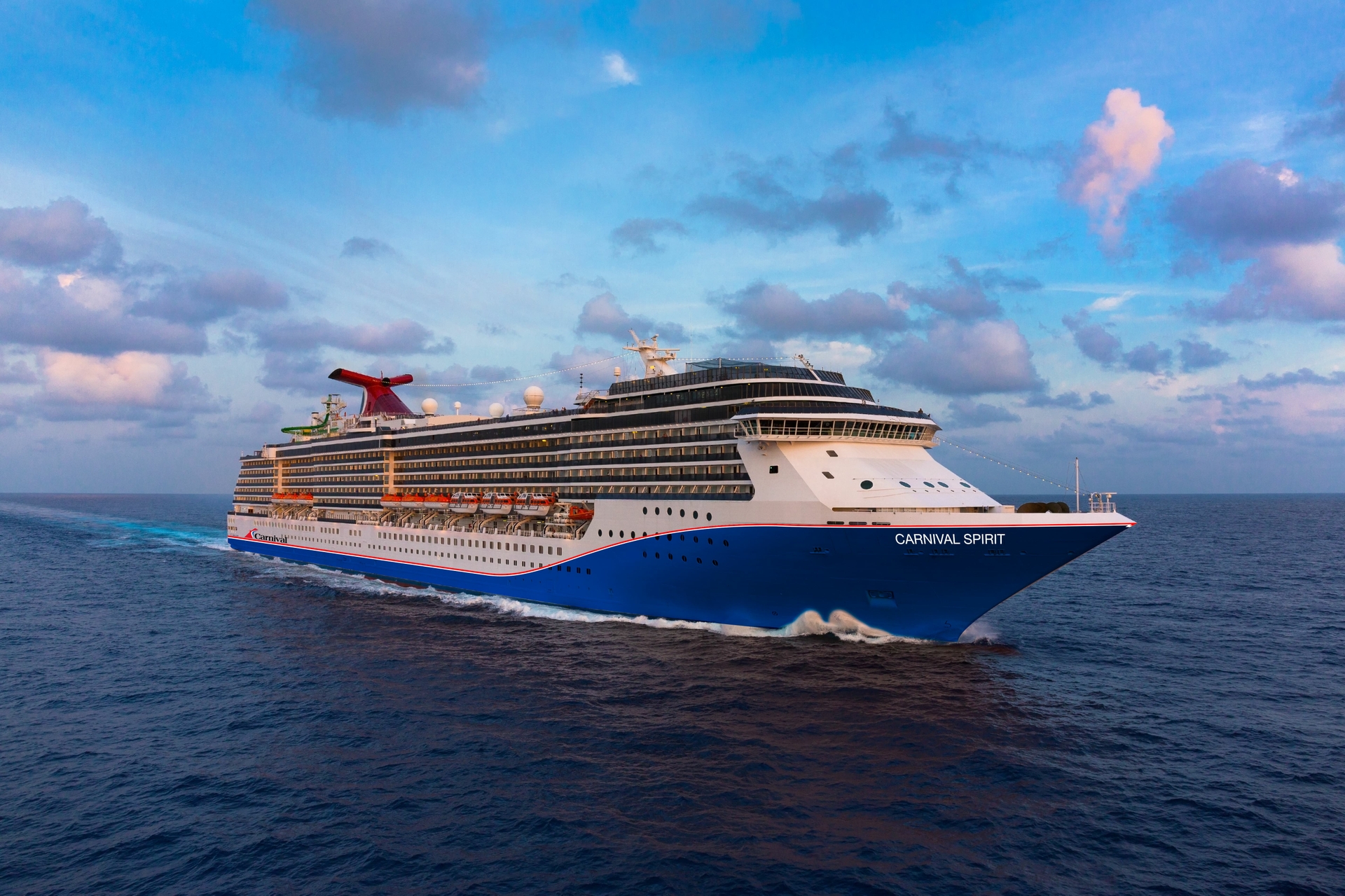 Photo: Carnival Cruise Line
6. Future bookings may require extra caution
Going forward, consider using a virtual credit card or a dedicated card with a low limit specifically for cruise bookings. Avoid storing multiple payment methods in your Carnival account. When you do book, use a strong, unique password—don't reuse the same password across travel sites. And seriously consider travel insurance with identity theft protection, though verify the actual coverage limits before you buy (most policies cap this benefit at $10,000–$25,000).
What does this mean for your existing booking?
Your existing Carnival reservation itself is not automatically cancelled or at risk. However, you should verify that no unauthorized changes were made to your booking, payment method, or cabin assignment. Contact Carnival directly to confirm all booking details remain as you made them. If you're concerned about traveling with the cruise line after this breach, check your ticket contract for cancellation policies—standard Carnival terms generally don't permit refunds for non-refundable fares without trip cancellation insurance, though you should verify the specific terms on your ticket.
When should you take action?
Start today. Change your Carnival password now, monitor your credit report for the next 12–24 months using free tools like AnnualCreditReport.com, and consider placing a fraud alert with the credit bureaus. If you receive official notification from Carnival with specific details about the breach, follow their instructions for any identity theft protection services they may be offering (many do offer complimentary credit monitoring for a limited period). Don't wait—social engineering breaches often go undetected for months, meaning attackers may already have your data.
Traveler Tip:
I always tell people that after any breach notification, the real damage happens in months 6–12, not week one. Fraudsters sell stolen data on dark web marketplaces, and by the time someone's using your passport number or opening a credit card in your name, the breach is old news. Set a calendar reminder right now to check your credit report again in six months, and again in a year. That's when you'll catch the slow-burn fraud that nobody warns you about.
Sources:
📊 Have a cruise booked that might be affected by news like this? CruiseMutiny can run a full all-in cost breakdown for your specific sailing — and flag any disruptions tied to your dates or ship.
Last updated: May 31, 2026. This is a developing story — check back for updates.