Carnival Corporation is investigating a massive alleged data breach involving 8.7 million customer records and personal information. The cruise line giant was threatened with the breach, raising serious cybersecurity concerns. This affects millions of past and current Carnival guests across their fleet of cruise brands.
✅ Confirmed — verified across multiple sources
 Photo: Carnival Cruise Line
What Happened
Carnival Corporation is dealing with a reported cybersecurity incident that potentially exposed personal data from 8.7 million customer records. The breach allegedly includes sensitive passenger information, and the company received threats related to the compromised data. This impacts guests who've sailed with any of Carnival's nine cruise brands, making it one of the largest cruise industry data exposures in recent memory.
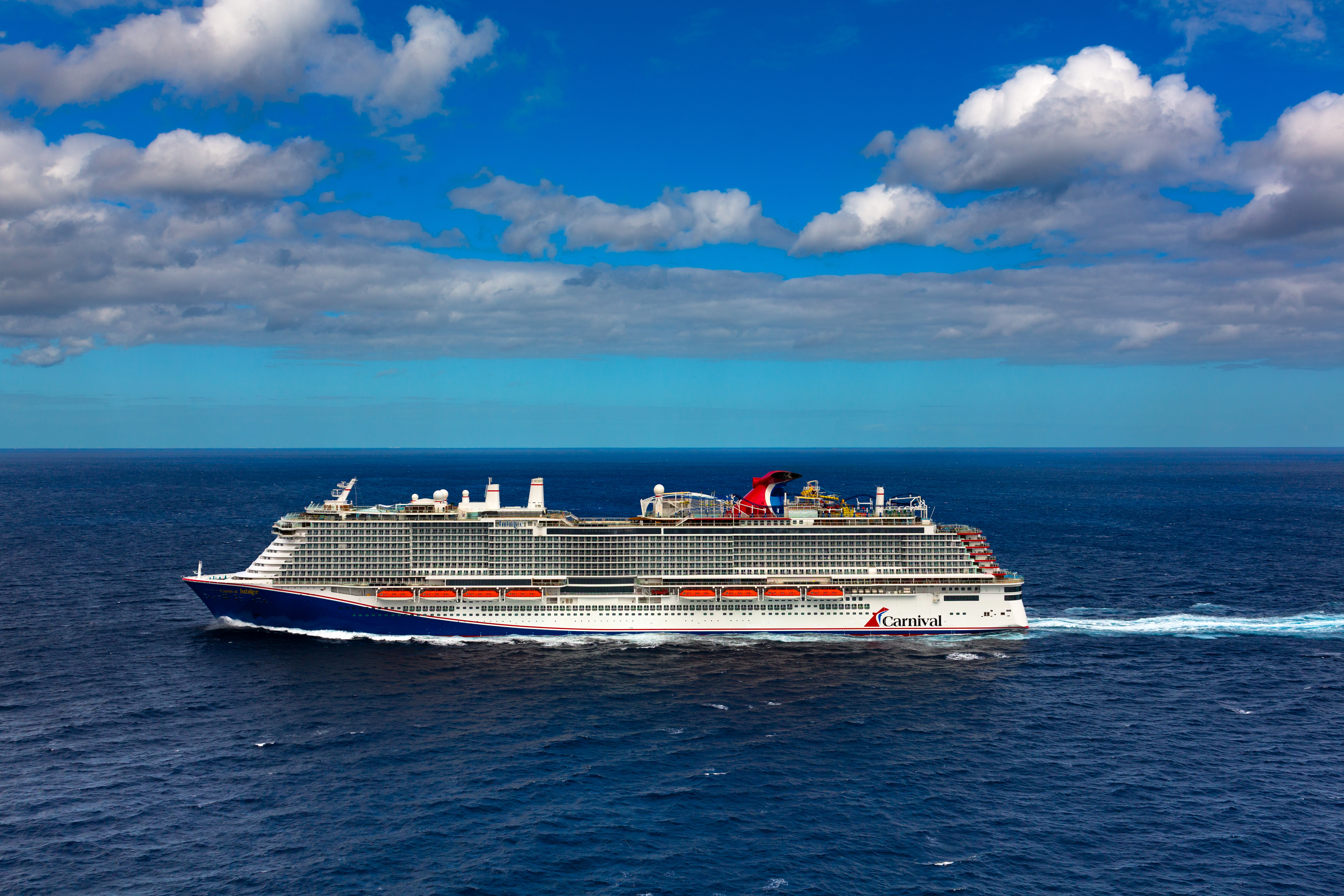 Photo: Carnival Cruise Line
What This Actually Means For Your Wallet
Let's cut through the corporate PR and talk about what's actually at risk here.
Your immediate financial exposure isn't about cruise refunds — it's about identity theft, credit card fraud, and the headache of protecting yourself for the next several years. If your data was in this breach, you're looking at potential unauthorized credit card charges, fraudulent account openings, or even tax return fraud if Social Security numbers were compromised. The average identity theft victim spends $1,400 and 200 hours fixing the mess, according to Javelin Strategy research.
Carnival will almost certainly offer free credit monitoring — probably 12-24 months through Experian or a similar service. That's worth about $15-25/month retail, but here's the catch: it only alerts you after something suspicious happens. It doesn't prevent the breach from being used against you. If you want actual identity theft protection with recovery services and insurance (up to $1 million coverage), you're looking at $120-300 per year out of pocket.
What Carnival's policies actually cover: Your cruise ticket contract doesn't address data breaches. This falls under their privacy policy and potentially state/federal data breach notification laws. Carnival's standard Terms & Conditions generally limit their liability to the price you paid for your cruise — but data breach liability is separate legal territory. Some states (California, New York, Illinois) have stricter consumer protection laws that could give you more recourse, but realistically, most passengers affected by corporate data breaches never see a dime unless there's a class-action settlement years down the road. Those settlements typically pay out $50-150 per person after lawyers take their cut.
Travel insurance won't help you here. Standard trip cancellation policies and even Cancel-For-Any-Reason coverage don't cover data breaches. They cover trip cancellations, medical emergencies, weather delays — not cybersecurity incidents. The only insurance that matters now is identity theft protection, which is completely separate from cruise travel insurance.
Here's what pisses me off: cruise lines collect an obscene amount of personal data — passport numbers, dates of birth, credit cards, home addresses, sometimes even health information if you've requested special services. They use it to upsell you shore excursions and drink packages, but clearly the cybersecurity investment hasn't kept pace with the data collection appetite.
What you need to do RIGHT NOW: Pull your credit reports from all three bureaus (Equifax, Experian, TransUnion) at AnnualCreditReport.com — it's free once per year. Look for accounts you didn't open or inquiries you didn't authorize. Then place a fraud alert or consider a credit freeze on all three bureaus. A fraud alert is free and lasts one year; a credit freeze is also free but you'll need to temporarily lift it when you apply for credit. The freeze is stronger protection. Don't wait for Carnival to send you a notification letter — assume you're affected if you've cruised with them in the past five years and act defensively now.
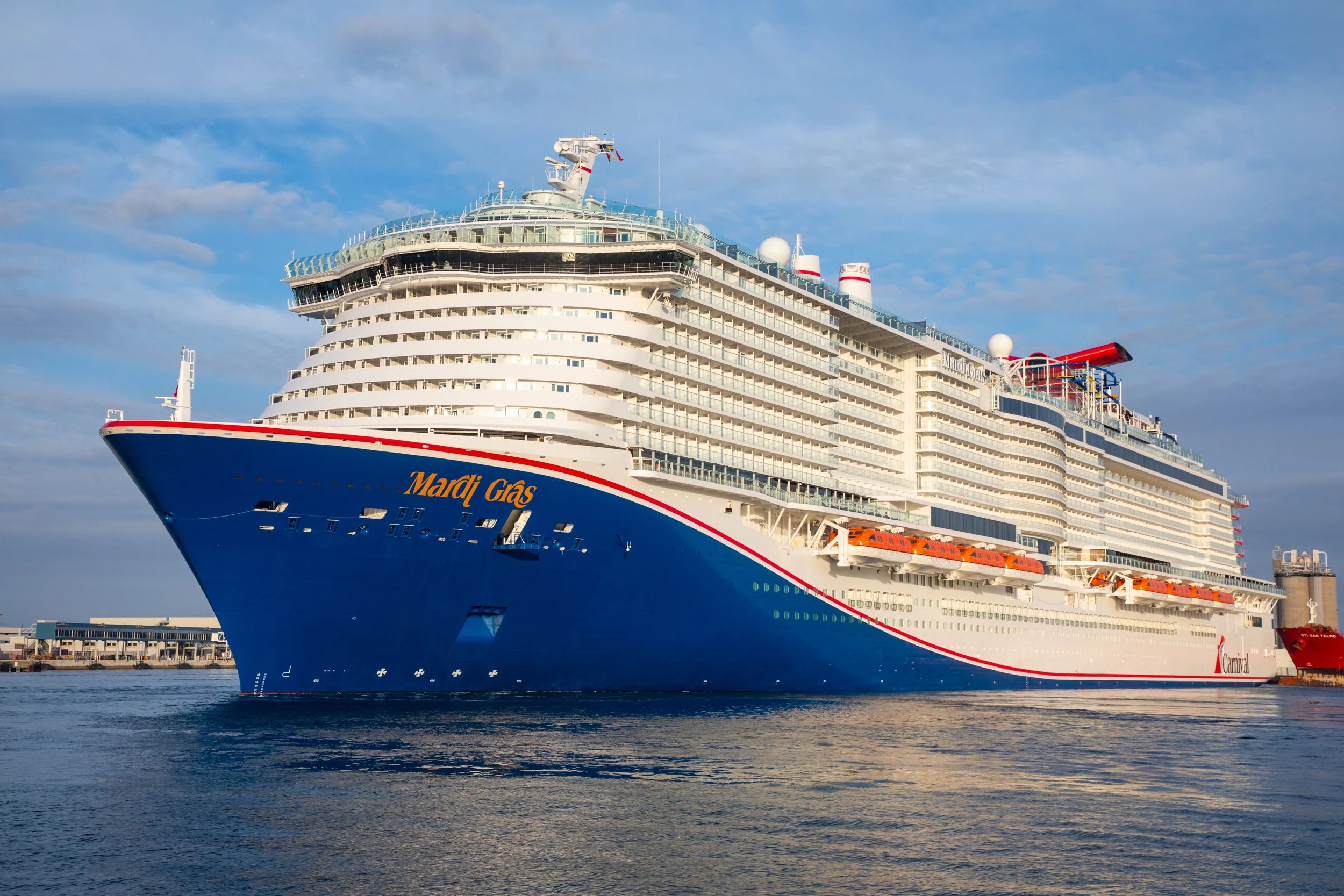 Photo: Carnival Cruise Line
The Bigger Picture
This is the second major Carnival data incident in recent years — they disclosed a ransomware attack in 2020 that compromised employee and guest data. For the world's largest cruise corporation, operating nine brands and carrying more passengers annually than any competitor, these repeated cybersecurity failures are unacceptable. The cruise industry as a whole treats IT security like an afterthought compared to hotel chains and airlines, and passengers are paying the price. When you're handing over passport data and credit cards to book a vacation, you deserve enterprise-grade data protection, not whatever bargain-basement setup allowed 8.7 million records to be threatened.
What To Watch Next
- Carnival's official disclosure timeline — federal law requires breach notification within 30-60 days depending on state. Watch for formal letters and what specific data fields were actually exposed (credit cards vs. just names/emails makes a huge difference).
- Class-action lawsuit filings — they'll start within weeks. You'll get postcards in the mail. Read them, but don't expect a significant payout for years.
- Whether this triggers a credit card reissue — if payment card data was compromised, your bank may proactively cancel and reissue your card, which means updating all your autopay accounts (another 2-3 hours of your life gone).
📊 Have a cruise booked that might be affected by news like this? CruiseMutiny can run a full all-in cost breakdown for your specific sailing — and flag any disruptions tied to your dates or ship.
Last updated: April 24, 2026. This is a developing story — check back for updates.