CDC eliminated all full-time cruise ship inspector positions one year ago, amid what is now a period of record outbreaks including the current hantavirus crisis. The timing raises questions about cruise ship health oversight and inspection protocols. The layoffs occurred despite increasing health concerns in the cruise industry.
📰 Reported — from industry news sources
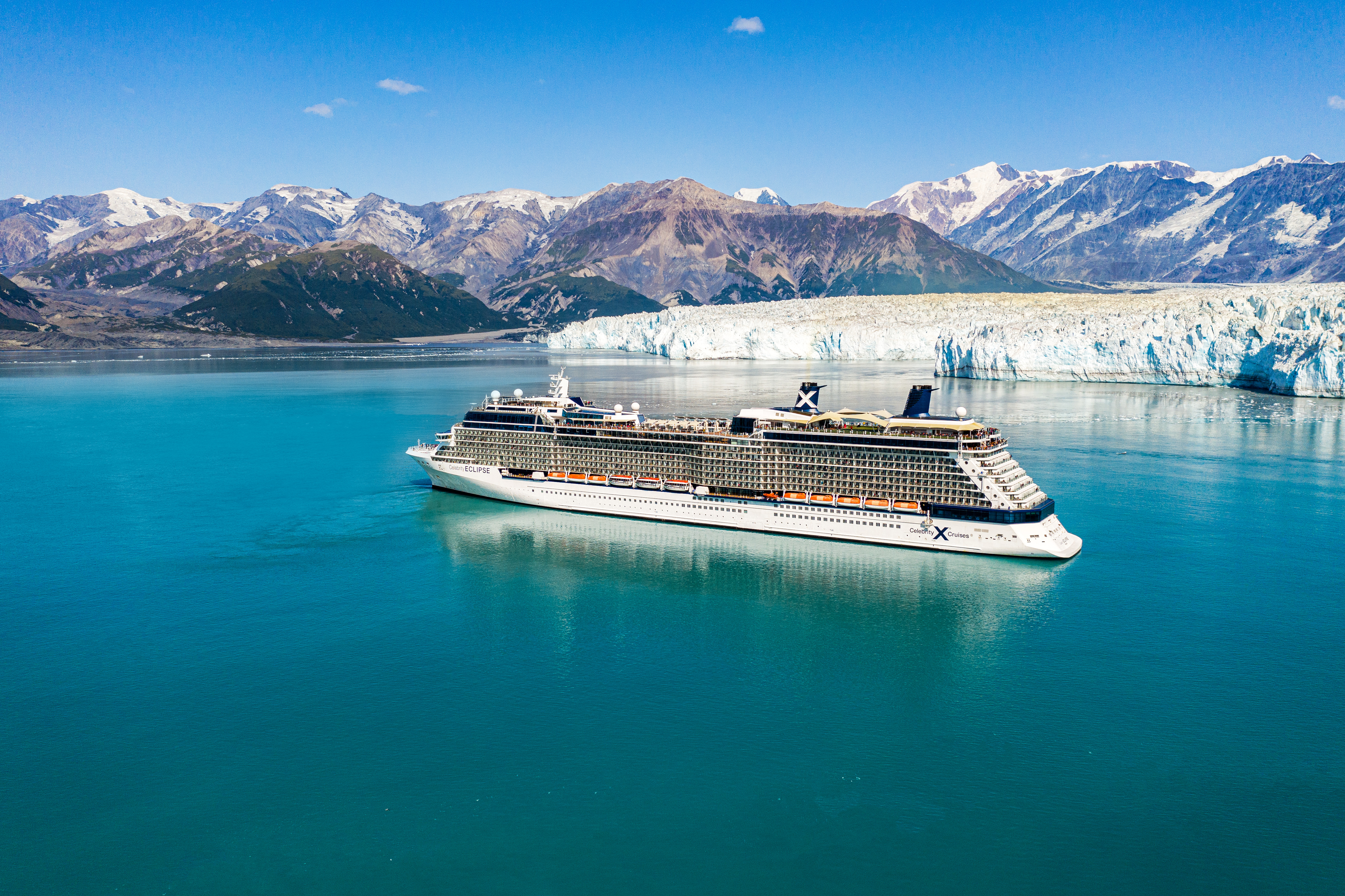 Photo: Celebrity Cruises
What Happened
The CDC quietly eliminated every full-time cruise ship inspector position roughly twelve months ago—right as the industry entered what's become a sustained period of health outbreaks. The hantavirus situation currently unfolding is just the latest in a string of incidents that now lack the oversight infrastructure that was supposed to catch problems before passengers boarded. The timing isn't just awkward—it's raising serious questions about who's actually watching the kitchens, water systems, and HVAC on these floating hotels.
 Photo: Celebrity Cruises
What This Actually Means For Your Wallet
Here's the financial reality: if you're on a cruise that gets hit with an outbreak—whether it's norovirus, hantavirus, or whatever comes next—you're looking at potential losses that stack up fast.
The refund math: Most lines will offer future cruise credits if they cut a sailing short due to health issues, but actual cash refunds are rare unless they cancel before you board. If your 7-night cruise gets terminated on day 4, expect a prorated FCC for the missing days—maybe $400-600 per person in credit, not cash. You're still out the airfare (typically $300-800 per person depending on departure city), any prepaid shore excursions ($80-200 per port), and specialty dining or drink packages you bought in advance. We're talking $1,200-2,400 in sunk costs for a couple on a week-long cruise that goes sideways.
What the contracts actually say: Carnival's standard passenger ticket contract—and this language is nearly identical across Royal Caribbean, Norwegian, and the other major lines—generally includes force majeure clauses that let them cancel, delay, or modify itineraries for health emergencies without owing you a cash refund. The key phrase is usually something like "in the event of conditions beyond the carrier's control." They'll argue that an outbreak, especially one that triggers CDC involvement, falls squarely in that bucket. What you won't find in those contracts: any guarantee that ships are being inspected by anyone in particular, or on any particular schedule. The fine print never promised CDC boots on the ground.
Insurance realities: Standard trip cancellation insurance—the kind that costs 5-7% of your total trip cost—covers you if you get sick before departure or if the line cancels your cruise entirely. It does NOT typically cover "I don't feel safe sailing because inspectors got laid off" or "there's an outbreak on a different ship in the same fleet." That requires Cancel-for-Any-Reason (CFAR) coverage, which runs 10-12% of trip cost and only reimburses 50-75% of prepaid, non-refundable expenses. And here's the gotcha nobody reads: CFAR has to be purchased within 10-21 days of your initial deposit, and most policies exclude "fear of travel" as a standalone reason—you still need to actually cancel, and you're eating 25-50% of the loss regardless.
The other insurance wrinkle: if an outbreak happens during your cruise, trip interruption coverage might reimburse your unused portion and get-home costs, but only if the ship is quarantined or you're medically evacuated. If the line just swaps ports or shortens the itinerary, you're generally not covered. Medical coverage will handle onboard doctor bills and emergency airlift if you get sick, but deductibles ($50-250) and copays still apply.
What to do today: Pull up your cruise line's booking on their website or app and screenshot your current cancellation policy and refund schedule. Do this now, before any outbreak affects your specific sailing, because lines have been known to quietly update terms when a health situation is developing. If you're sailing in the next 90 days and don't have insurance yet, get quotes for both standard trip cancellation and CFAR from at least two providers—Faye and Generali are solid starting points—and compare the math against your total at-risk dollars.
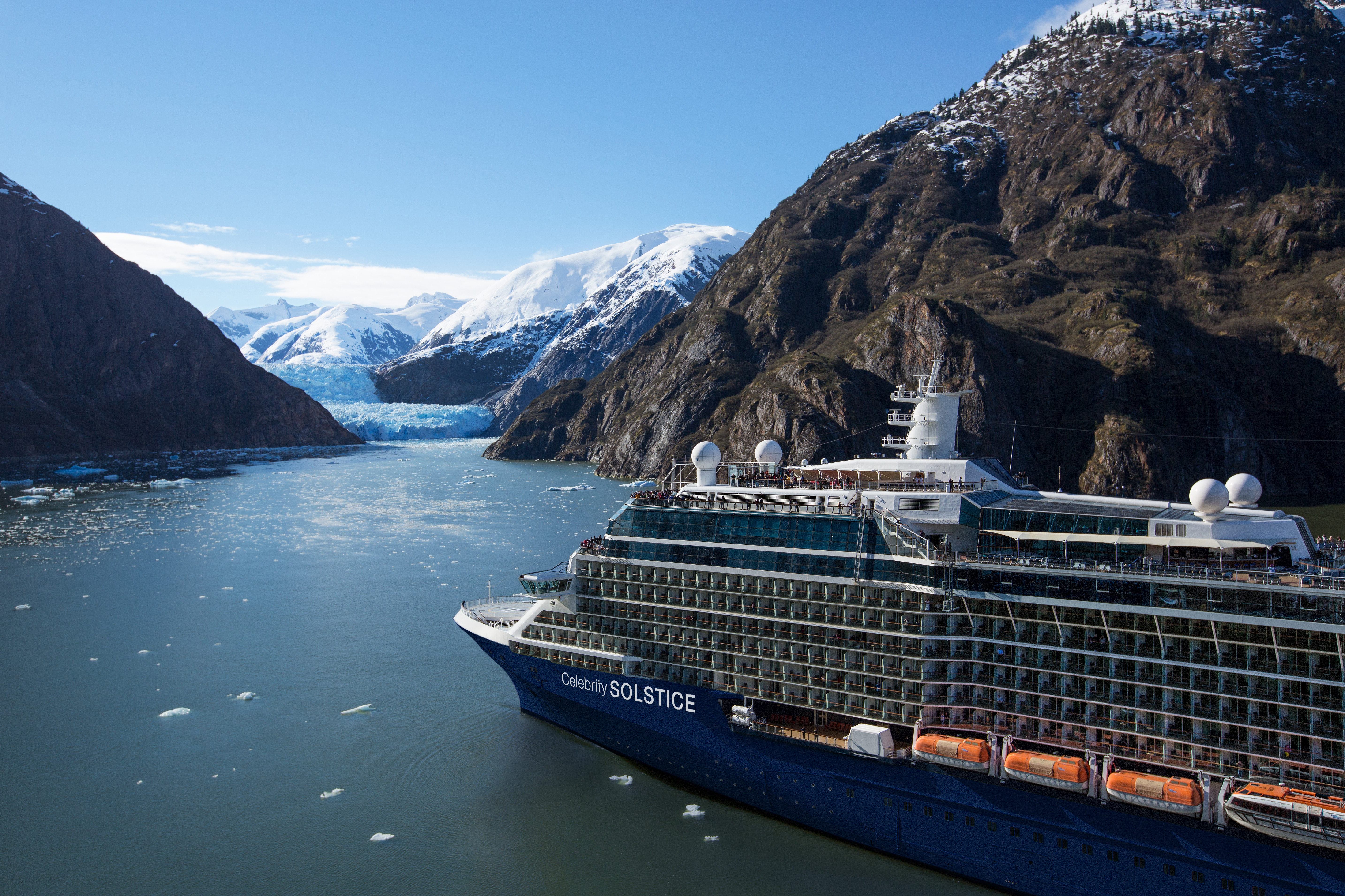 Photo: Celebrity Cruises
The Bigger Picture
This isn't just about budget cuts—it's about the industry self-regulating at exactly the moment when post-COVID passenger volume is at record highs. The CDC's Vessel Sanitation Program used to be the backstop that caught problems the cruise lines' own inspectors missed or downplayed. Without that independent verification, we're trusting the same companies that have a financial incentive to sail on time, every time, to police themselves. The current outbreak surge suggests that's not working, and passengers are the ones absorbing the risk—both health-wise and financially.
What To Watch Next
- CDC response to the current hantavirus crisis — whether they deploy temporary inspectors or reinstate any oversight, even on a limited basis, will signal how serious they consider the gap.
- Class-action filings — if passenger losses from outbreak-related cancellations or itinerary changes hit critical mass, expect lawsuits targeting both the lack of inspections and the lines' refund policies.
- State-level regulation attempts — Florida and Alaska, which have outsized cruise traffic, could step in with their own inspection requirements if federal oversight stays dormant.
📊 Have a cruise booked that might be affected by news like this? CruiseMutiny can run a full all-in cost breakdown for your specific sailing — and flag any disruptions tied to your dates or ship.
Last updated: May 7, 2026. This is a developing story — check back for updates.