A crew member from Norwegian Cruise Line's Norwegian Breakaway fell overboard near Cape Cod, Massachusetts. The U.S. Coast Guard conducted an extensive search operation before suspending efforts. The crew member remains missing following the incident off the Massachusetts coast.
📰 Reported — from industry news sources
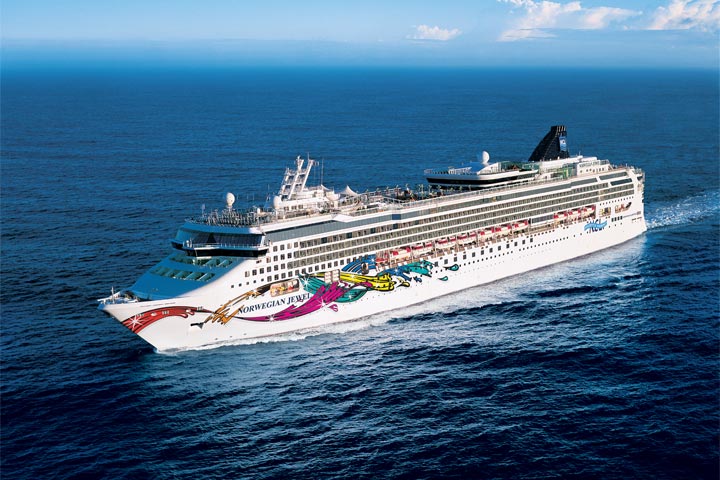 Photo: Carnival Cruise Line
What Happened
A crew member aboard Norwegian Breakaway went overboard off Cape Cod, Massachusetts, and despite an extensive U.S. Coast Guard search operation, the individual remains missing. The Coast Guard has now suspended active search efforts. This incident marks another overboard case in what's becoming an increasingly scrutinized safety issue across the cruise industry.
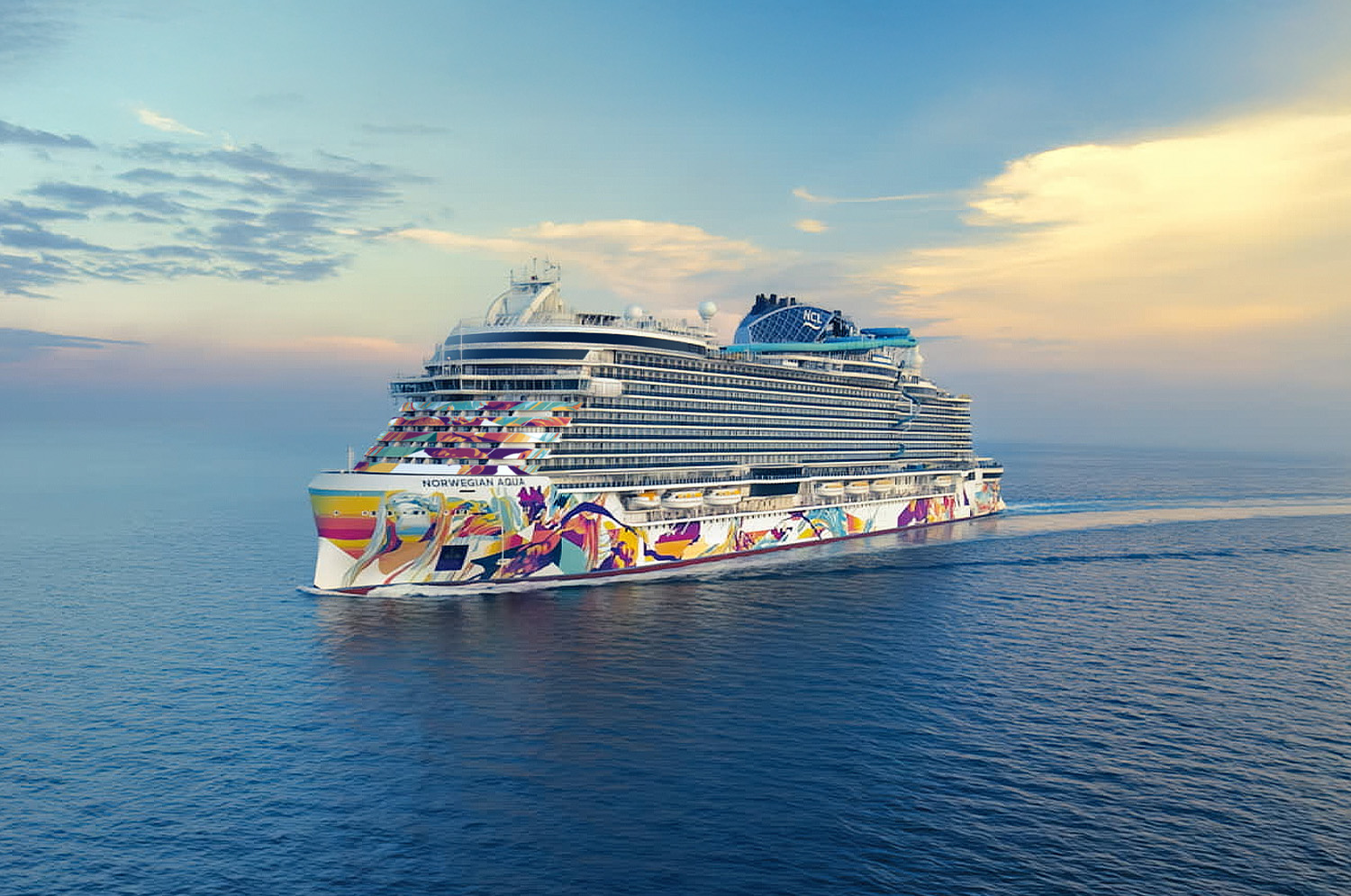 Photo: Royal Caribbean International
What This Actually Means For Your Wallet
If you're booked on Norwegian Breakaway right now or in the next few weeks, here's the financial reality: you're almost certainly sailing as planned, and you're not getting a dime back.
Crew overboard incidents don't trigger the contractual "force majeure" clauses that would entitle passengers to refunds or compensation. Norwegian's ticket contract—like every major cruise line—carves out exceptions for "acts of God, war, civil unrest, strikes, and mechanical breakdown." A crew member falling overboard doesn't fit any of those categories. The ship continues operating, itineraries aren't altered, and Norwegian has zero obligation to offer compensation, future cruise credits, or onboard credits to passengers.
Let's talk real numbers. If you've got a 7-day Breakaway cruise booked at the current average rate of around $1,200 per person for an inside cabin (higher for balconies, obviously), you're not getting that back. If you've pre-purchased the specialty dining package at $199 per person, the More at Sea drink package service charge that runs $15–20 per day, shore excursions totaling another $300–500, and flights that cost you $400 roundtrip, you're looking at $2,500–3,000 per person in sunk costs. If this incident makes you uncomfortable enough to cancel, Norwegian's standard cancellation policy applies: cancel within the final payment window (typically 75 days before sailing for a 7-day cruise), and you forfeit 100% of your fare.
Now, what about travel insurance? Standard trip cancellation policies don't cover "I'm uncomfortable sailing on this ship after an incident." The named-peril structure of most policies requires one of the explicitly listed reasons: sudden illness, death in the family, jury duty, employer-mandated work conflict, or home damage. "Crew member went overboard and I'm spooked" isn't on that list.
Cancel-for-Any-Reason (CFAR) insurance—which typically costs 40–50% more than standard coverage and must be purchased within 14–21 days of your initial deposit—would cover this scenario, but only reimburses 50–75% of your prepaid, non-refundable trip costs. If you spent $3,000, you'd get back $1,500–2,250. That's better than zero, but you're still eating $750–1,500.
The other insurance angle: if you're already onboard when this happened, your policy doesn't pay you for "emotional distress" or "ruined vacation vibes." You'd need to prove actual financial loss—a missed port, a canceled excursion, a medical emergency directly caused by the incident. None of that applies here.
One specific action you should take today: Pull up your Norwegian booking confirmation and read Section 1 (Ticket Contract) and Section 8 (Limitations of Liability). Screenshot the language. If you have CFAR coverage, call your insurance provider right now and ask explicitly: "Does my policy cover voluntary cancellation due to a crew overboard incident?" Get the answer in writing via email. If you don't have CFAR and you're still outside the final payment window, this is your last chance to grab it—but expect to pay $150–300 extra per person depending on your total trip cost.
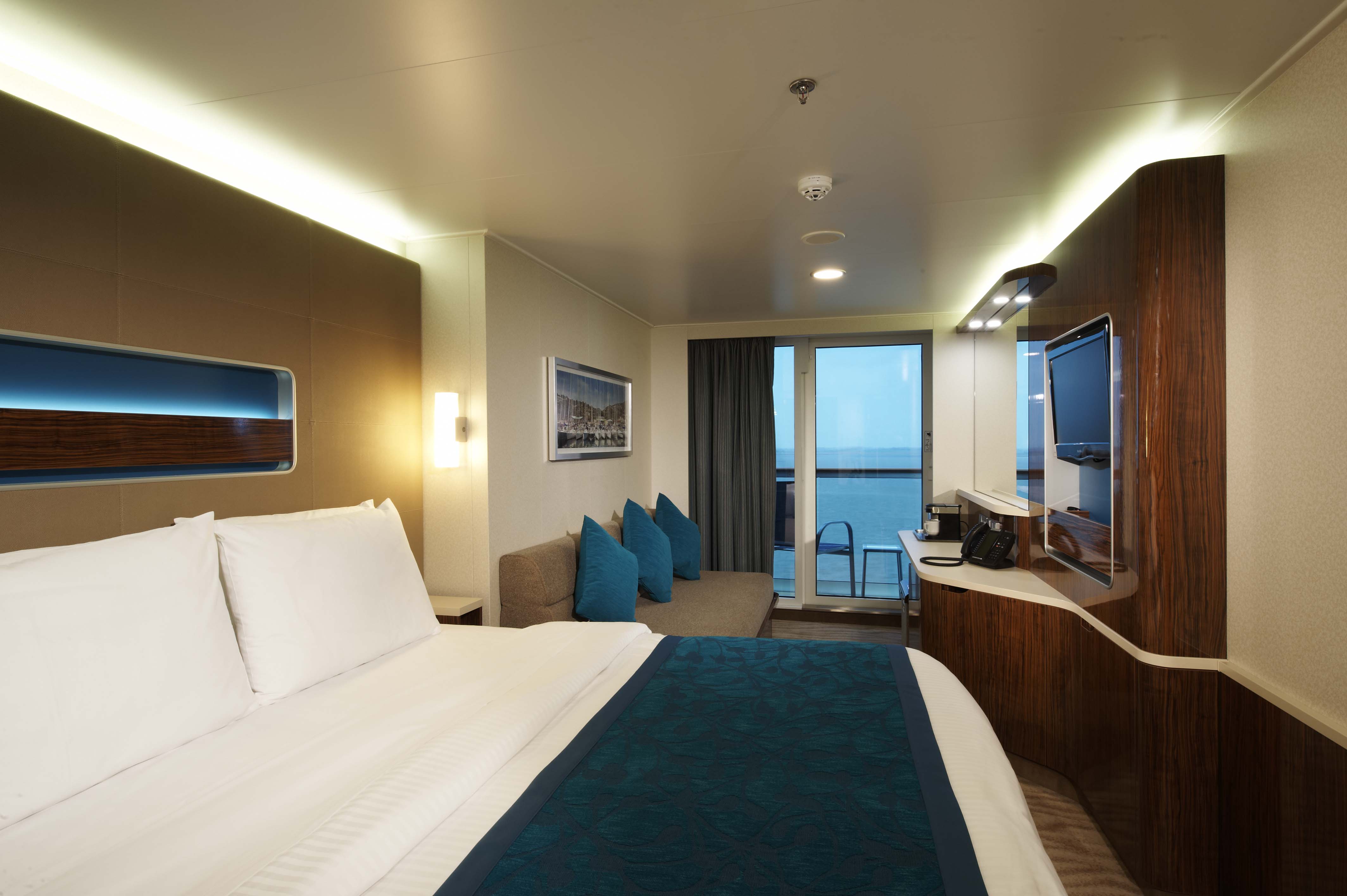 Photo: Norwegian Cruise Line
The Bigger Picture
Overboard incidents—crew and passenger combined—are happening at a pace that's forcing the industry to confront detection technology gaps. The cruise lines have spent billions on MedallionClass wearables, facial recognition boarding, and RFID tracking for luggage, but real-time overboard detection systems remain inconsistent across fleets. Norwegian's been slower than Carnival and Royal Caribbean to deploy man-overboard detection tech fleet-wide, and incidents like this amplify the question: why can a ship track your drink package usage to the second, but can't immediately alert the bridge when someone goes over the rail?
What To Watch Next
- Whether Norwegian installs additional overboard detection systems on Breakaway and sister ships (Getaway, Escape) ahead of the summer season—this class has been slower to retrofit than newer builds.
- Any Coast Guard incident report or findings, which typically publish 60–90 days after an incident and sometimes reveal procedural gaps.
- Class-action or legislative pressure for mandatory man-overboard tech across all U.S.-flagged and U.S.-port-calling vessels—Congress has floated this before, and another incident adds fuel.
📊 Have a cruise booked that might be affected by news like this? CruiseMutiny can run a full all-in cost breakdown for your specific sailing — and flag any disruptions tied to your dates or ship.
Last updated: April 27, 2026. This is a developing story — check back for updates.