A crew member went overboard from a Norwegian cruise ship off the coast of Cape Cod, prompting a search and rescue operation. The U.S. Coast Guard conducted search operations in the area. This is a developing incident involving Norwegian Cruise Line.
📰 Reported — from industry news sources
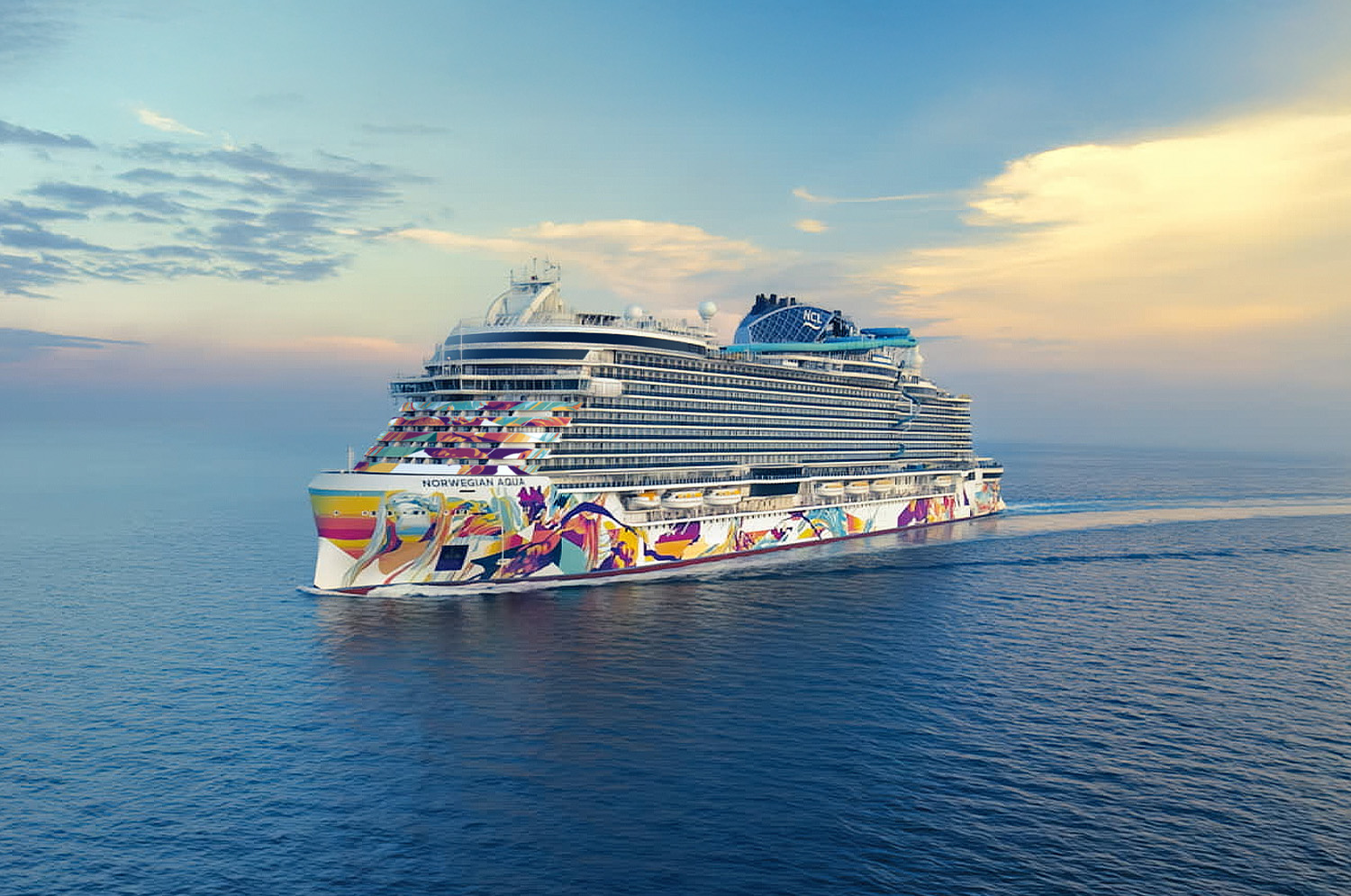 Photo: Royal Caribbean International
What Happened
A crew member aboard a Norwegian Cruise Line ship went overboard off the coast of Cape Cod, triggering an immediate search and rescue response from the U.S. Coast Guard. The incident is still unfolding, and details about the circumstances—whether accidental, medical, or otherwise—haven't been released. This is the kind of news that makes passengers currently sailing nervous and raises questions for anyone with an upcoming NCL booking.
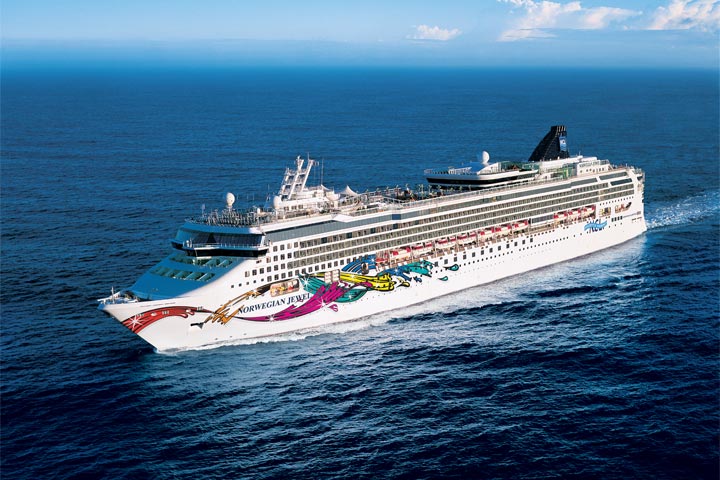 Photo: Carnival Cruise Line
What This Actually Means For Your Wallet
If you're booked on the specific sailing where this happened, you're probably not looking at direct financial impact unless the ship had to turn around or significantly delay the itinerary. Norwegian's standard contract of carriage doesn't obligate them to refund you for incidents like this unless they cancel a sailing entirely or miss a port as a direct result. A brief search operation that delays arrival by a few hours? That's generally covered under the "we can change the itinerary for any reason" clause that's baked into every cruise contract.
Here's where it gets real: if this incident forces the ship to divert to a different port or skip a planned stop entirely, you're entitled to exactly nothing in most cases. Norwegian's ticket contract—like every major cruise line—explicitly states they can alter itineraries for safety, weather, or operational reasons without compensation. You paid for transportation and lodging, not a guarantee of specific ports. It's harsh, but it's the legal reality.
The only passengers facing actual out-of-pocket costs are those who booked independent shore excursions through third-party vendors. If the ship skips Bermuda because of this incident and you've got $400 in non-refundable excursion deposits with a local tour company, that's on you. Norwegian won't reimburse it, and they'll happily remind you that booking through the ship's excursion desk comes with a guarantee—if the ship doesn't make port, you get a full refund. It's one of the few areas where the cruise line's higher prices actually buy you something tangible.
For future bookings, this is where travel insurance either saves you or reveals itself as worthless. Standard trip cancellation policies don't cover "a crew member went overboard." That's not a named peril. You'd need Cancel For Any Reason (CFAR) coverage, which typically costs 40-50% more than standard policies and only refunds 50-75% of your prepaid, non-refundable costs. And CFAR almost always requires you to cancel at least 48 hours before departure—it won't help you if you're already onboard when an incident derails your trip.
Most standard travel insurance policies cover trip interruption if the ship is rendered uninhabitable or the cruise line cancels the sailing outright. A search and rescue operation that causes a port skip? Not typically covered. The named-peril model that drives most policies is designed to protect insurers, not passengers. Read the exclusions list—it's always longer than the coverage list.
Here's what you should do today: If you're sailing NCL in the next 90 days, pull up your booking confirmation and navigate to the "Ticket Contract" section (usually a PDF link buried in the fine print). Read Section 4 or 5—the part about itinerary changes and limitations of liability. Screenshot the section that says they owe you nothing for itinerary changes. Keep it handy. When you're arguing with a customer service rep about compensation for a missed port, knowing the exact contract language puts you in control of the conversation, even if the answer is still "no." At minimum, you'll know whether you're asking for a goodwill gesture or an actual entitlement.
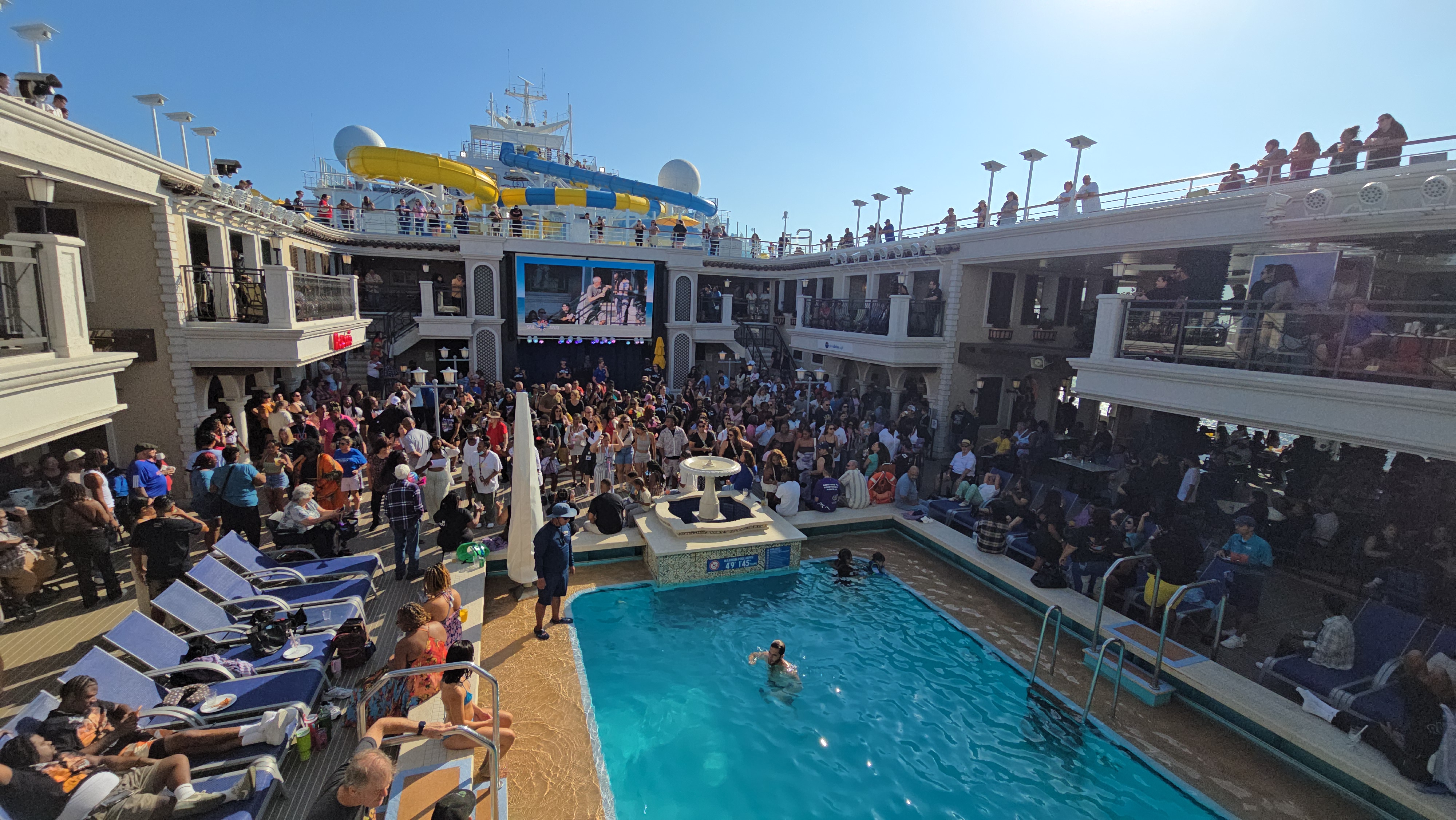 Photo: Carnival Cruise Line
The Bigger Picture
Overboard incidents—crew or passenger—are mercifully rare, but they're a reminder that cruise ships operate in an inherently unpredictable environment. Norwegian's been aggressive about expansion and cost-cutting in recent years, and any time there's a crew-related incident, it raises quiet questions about training, workload, and morale. The Coast Guard's involvement means there will be a report eventually, and if it reveals gaps in safety protocols, that's a story that'll have legs beyond this single incident.
What To Watch Next
- Coast Guard incident report — Public records requests usually surface these within 30-60 days. If the report cites equipment failure or procedural lapses, expect Congressional inquiries.
- Norwegian's official statement — Watch for whether they address crew welfare or working conditions, or if it's purely a "our thoughts are with the family" holding statement.
- Passenger accounts on Cruise Critic and Reddit — The first-hand reports from people onboard will tell you whether the crew seemed prepared, whether the response felt chaotic, and whether NCL offered any onboard credit or goodwill gestures.
📊 Have a cruise booked that might be affected by news like this? CruiseMutiny can run a full all-in cost breakdown for your specific sailing — and flag any disruptions tied to your dates or ship.
Last updated: April 27, 2026. This is a developing story — check back for updates.