The deadly hantavirus outbreak on a cruise ship may have originated from a bird-watching shore excursion. Investigators are tracing the source of the infection that has claimed multiple lives. The virus exposure likely occurred during a land-based tour where passengers came into contact with contaminated environments.
📰 Reported — from industry news sources
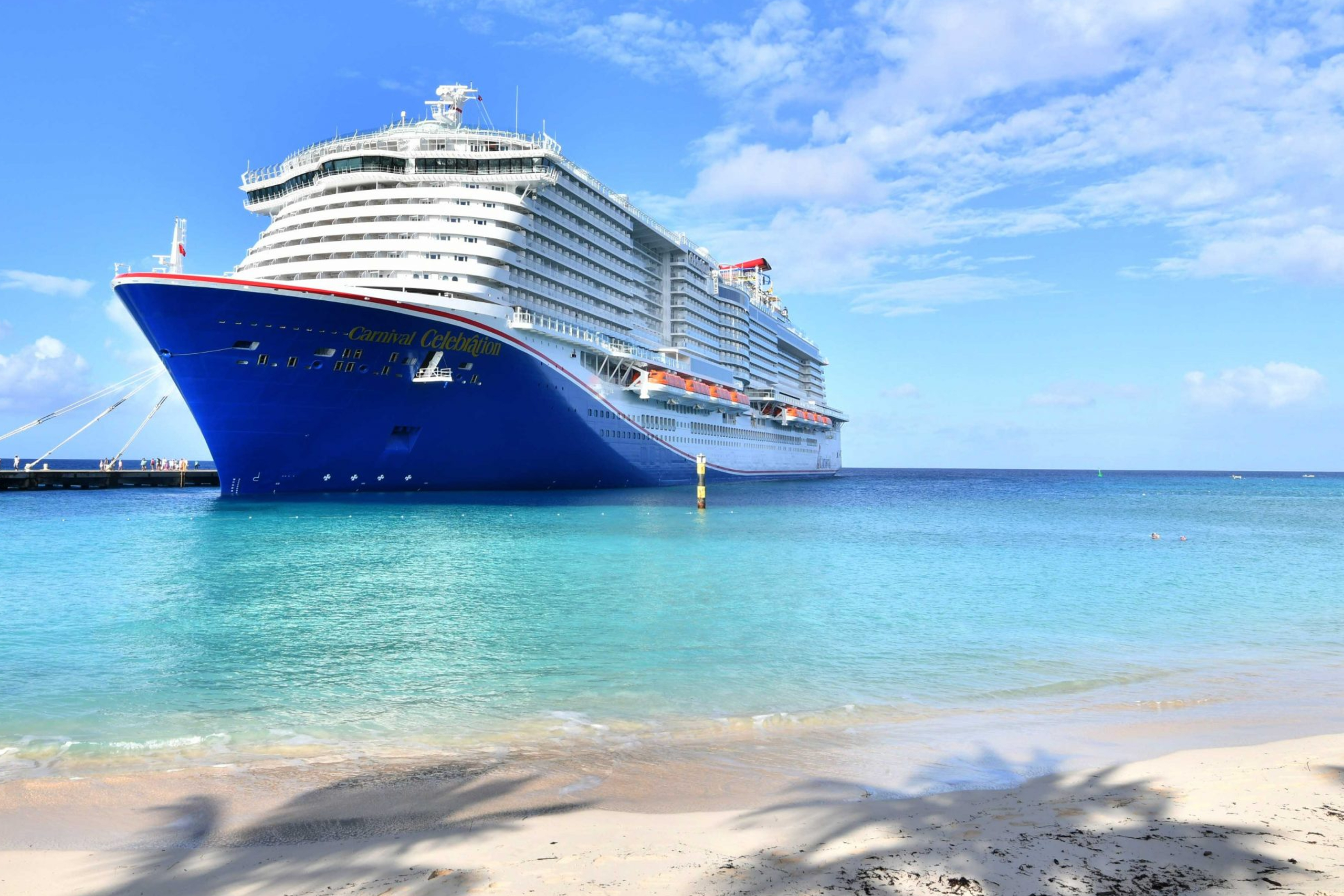 Photo: Carnival Cruise Line
What Happened
Health investigators are tracking a hantavirus outbreak aboard a cruise ship that appears connected to a shore excursion focused on bird-watching. Multiple passengers have died from the infection, and authorities believe the virus exposure happened during the land tour when guests encountered rodent droppings or urine in contaminated areas. This is an exceptionally rare situation—hantavirus outbreaks on cruises are virtually unheard of, and the virus doesn't spread person-to-person, meaning this was environmental exposure during the shore activity.
 Photo: Carnival Cruise Line
What This Actually Means For Your Wallet
If you're booked on this sailing or a future departure, here's the money reality: passengers on the affected voyage are almost certainly looking at full refunds plus future cruise credits. Based on cruise line precedent from past health emergencies (norovirus quarantines, COVID shutdowns), expect 100% cash refund of your cruise fare, taxes, and any prepaid items booked through the line—specialty dining, drink packages, WiFi, excursions. That's the baseline. For a typical 7-day Caribbean sailing, that's $1,200-$2,800 per person in cruise fare alone.
The bigger financial hit? Non-refundable airfare, hotels, and lost vacation days. If you booked a $450 basic economy flight and a pre-cruise hotel night at $180, you're out $630 per person that the cruise line won't cover. Multiply that by a family of four and you're at $2,520 in sunk costs before you even get to the emotional toll of a ruined vacation or, far worse, a medical emergency.
What the cruise line contract actually covers: Standard passenger ticket contracts include force majeure clauses that allow the line to cancel sailings for public health emergencies without liability for consequential damages—that means they'll refund your cruise fare, but they're not on the hook for your flight from Denver or the kennel fees for your dog. The contracts generally state the line is not responsible for injury or death resulting from shore excursions, especially third-party operated tours. That said, when passengers die and lawyers get involved, cruise lines often settle rather than fight the PR battle. Don't expect that calculus to help you if you're just out airfare, though.
Travel insurance reality check: If you bought a standard trip-cancellation policy before this outbreak became public knowledge, you're likely covered for the full trip cost—cruise fare, airfare, hotels—if the cruise line cancels your departure or if a physician advises you not to travel due to the outbreak. The magic words are "unforeseen event." If you bought insurance after news broke, you're out of luck; this is now a "known event" and excluded.
Cancel-For-Any-Reason (CFAR) insurance—which costs roughly 40-50% more than standard policies and must be purchased within 10-21 days of your initial deposit—would let you bail and recover 50-75% of prepaid, non-refundable costs even if the cruise line proceeds with future sailings. The catch: most people don't buy CFAR because it feels like overkill until it isn't.
What you need to do right now: Pull out your cruise confirmation, find the policy/contract section (usually labeled "Passage Contract" or "Terms & Conditions"), and look for the force majeure and excursion liability clauses. Screenshot them. Then call your travel insurance provider—not next week, today—and ask explicitly: "Does my policy cover trip cancellation if the CDC or health authorities issue warnings related to this outbreak?" Get the answer in writing via email. If you don't have insurance and you're booked on a near-future sailing, you have about 24 hours before this becomes a "known event" that voids new policy purchases.
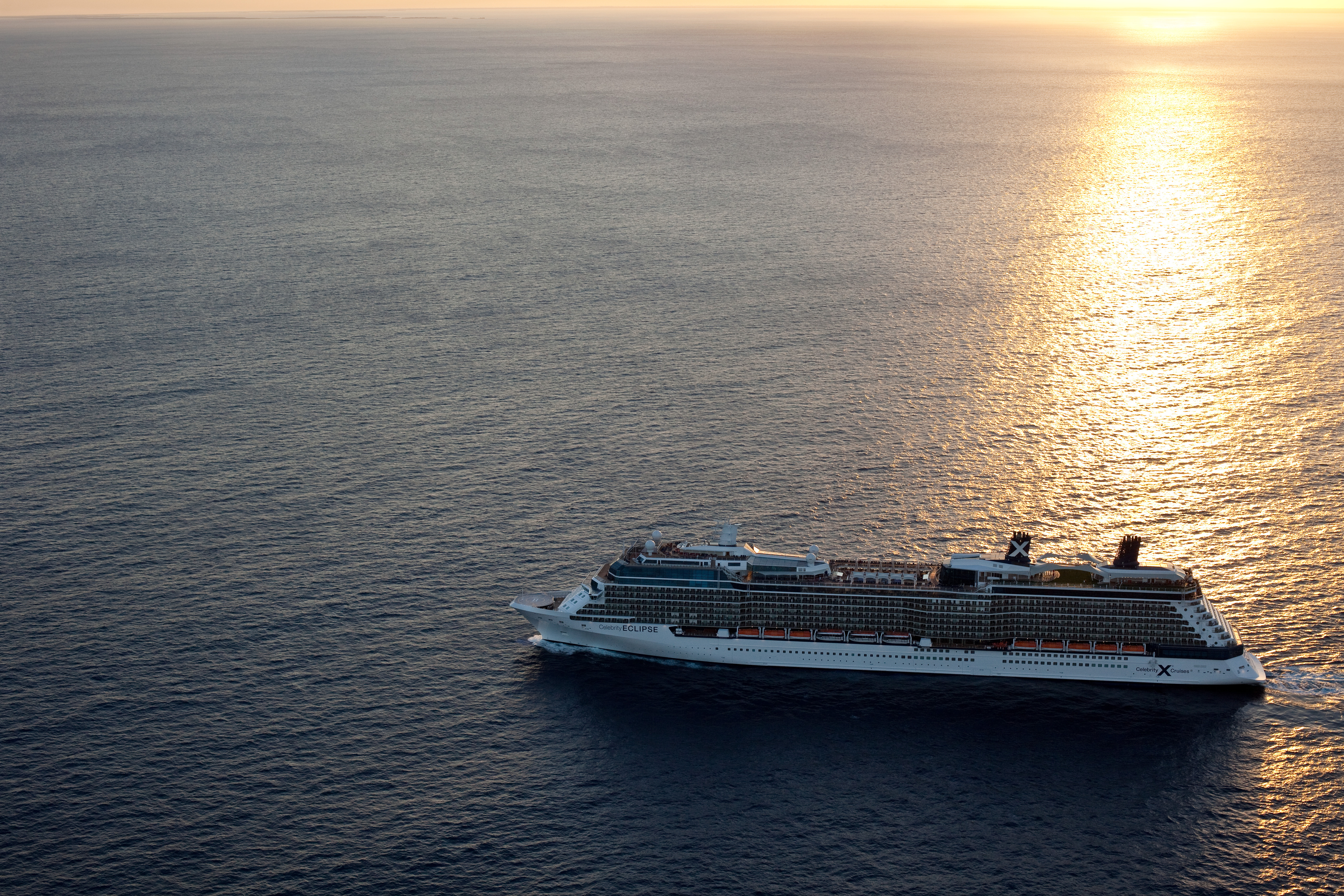 Photo: Royal Caribbean International
The Bigger Picture
This incident exposes a liability gray zone that cruise lines have quietly enjoyed for years: shore excursions sold onboard but operated by third-party vendors. The lines collect the commission, you assume the risk, and the fine print buries their responsibility. Hantavirus is exceptionally rare—rodent exposure during a nature tour is a freak occurrence—but it underscores that when you step off the ship, the cruise line's duty of care gets murky fast. Expect this to fuel the ongoing debate about whether lines should be liable for excursions they market and profit from, even if they don't directly operate them.
What To Watch Next
- CDC travel health notices — if the CDC elevates this to a Level 2 or 3 warning for the specific region or ship, that triggers coverage under most standard travel insurance policies and gives you leverage to cancel without penalty
- Class-action filings — law firms specializing in maritime injury will move fast; watch for lawsuit announcements within 7-10 days, which could expand compensation beyond standard refunds
- Shore excursion policy changes — whether this cruise line (or competitors) quietly pull high-risk nature/wildlife tours from future itineraries or add new liability waivers to excursion bookings
📊 Have a cruise booked that might be affected by news like this? CruiseMutiny can run a full all-in cost breakdown for your specific sailing — and flag any disruptions tied to your dates or ship.
Last updated: May 7, 2026. This is a developing story — check back for updates.