Disney Adventure cruise was abruptly cancelled after passengers were stranded overnight in Singapore port following a fire and complete power failure. All passengers were asked to disembark after the ship experienced a total blackout. The incident marks a rocky start for Disney's cruise operations in the region.
📰 Reported — from industry news sources
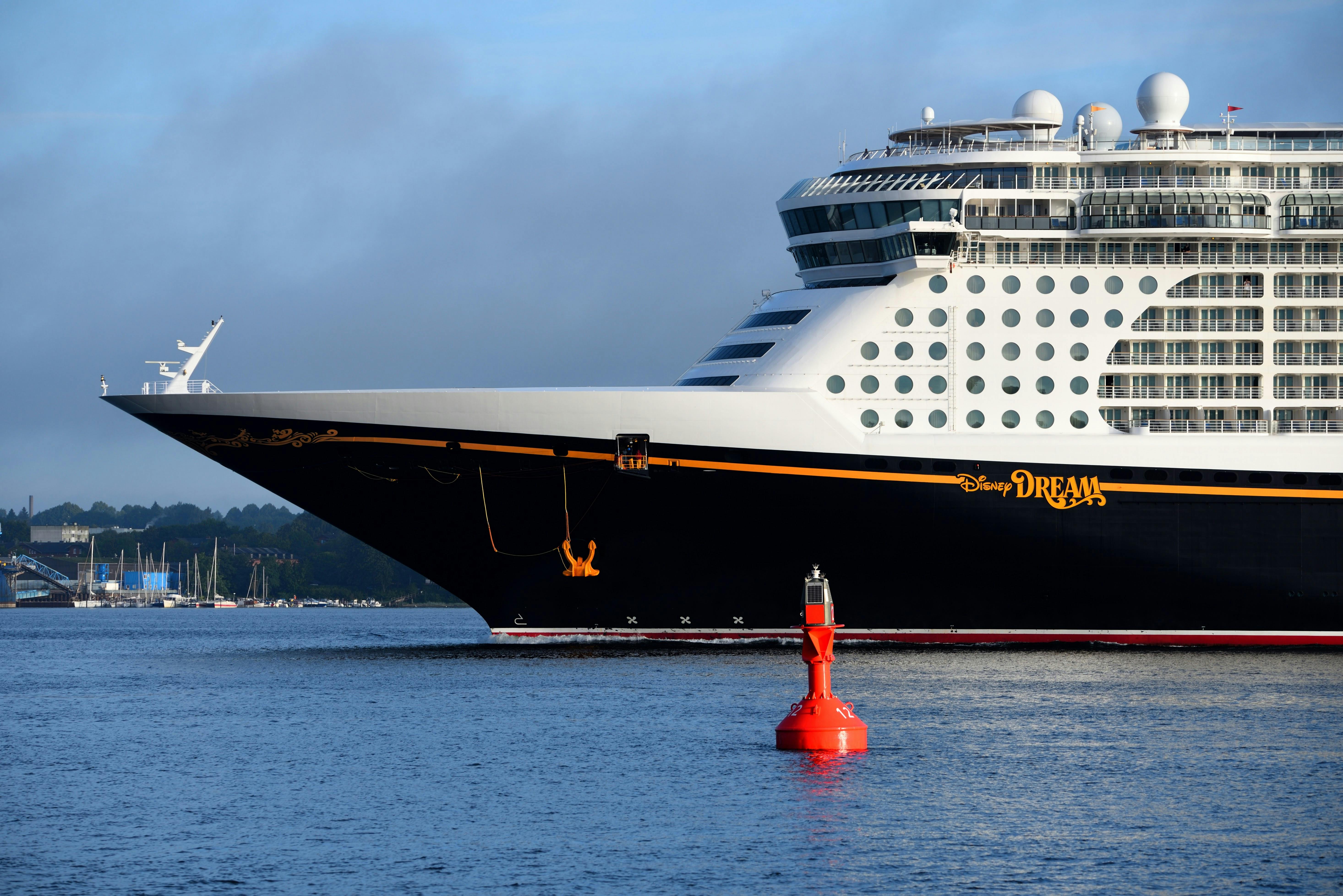 Photo: Travel Mutiny
What Happened
Disney's newest ship, the Disney Adventure, suffered a fire and total power failure while docked in Singapore, forcing the evacuation of all passengers after they spent the night stranded on a blacked-out vessel. The inaugural cruise was cancelled outright—passengers were told to disembark rather than wait for repairs. It's an embarrassing debut for Disney's push into the Asian cruise market, and a logistical nightmare for everyone who booked.
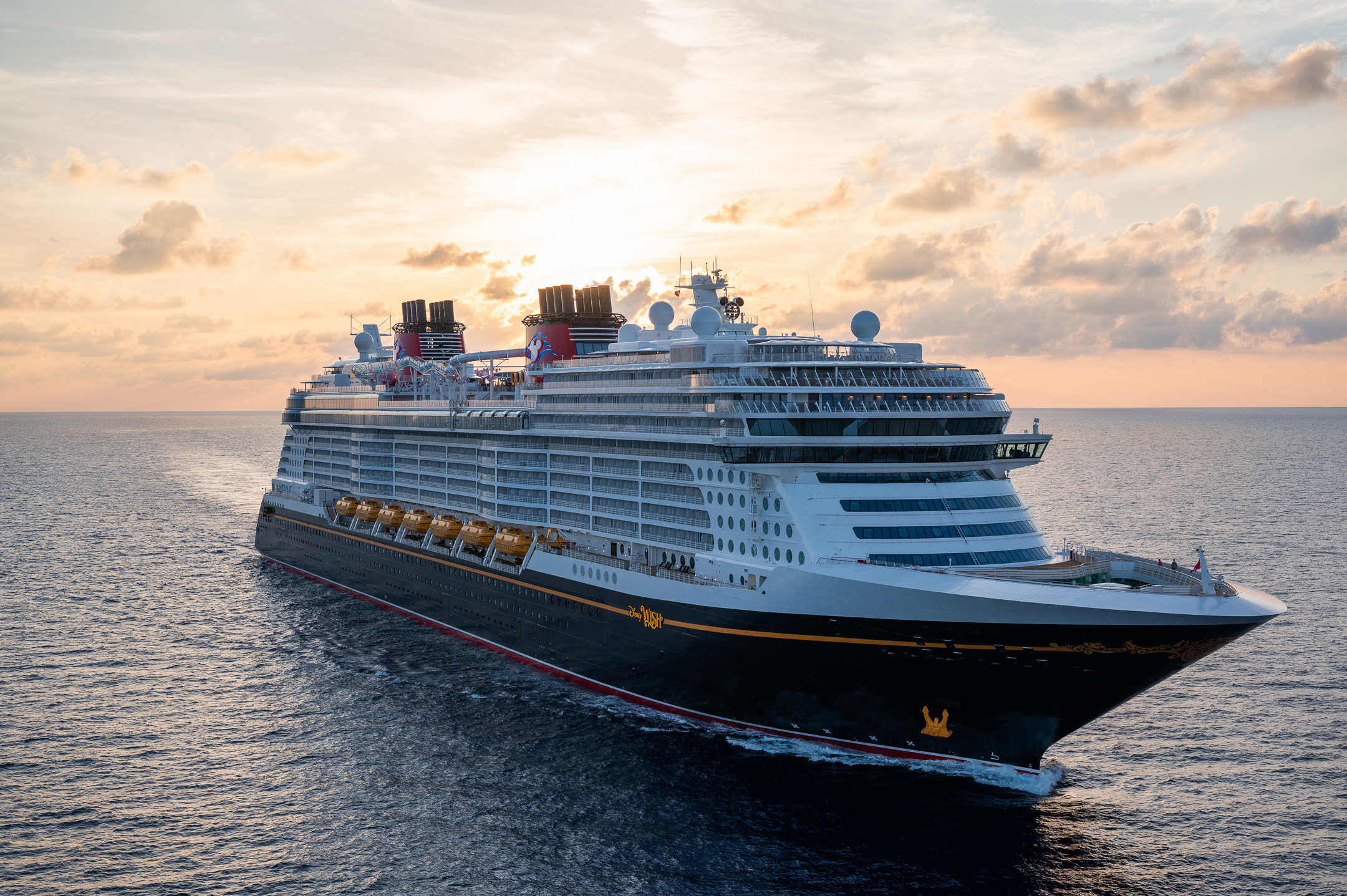 Photo: Travel Mutiny
What This Actually Means For Your Wallet
Let's talk real numbers. If you were booked on this sailing, you're looking at anywhere from $2,500 to $8,000 per couple in sunk cruise fare alone, depending on cabin category and length of sailing. Disney doesn't publish their Adventure pricing yet, but comparable Asian itineraries on other premium lines run $150–$400 per person per night. A week-long cruise? That's $2,100–$5,600 for two people in an inside or oceanview, easily double that for a suite.
Disney will almost certainly refund your cruise fare in full—they have no choice when they cancel the entire voyage. But here's where it gets messy: your airfare is probably not covered. Most passengers flying internationally to Singapore are out $800–$1,500 per person in non-refundable airfare, and that's economy. If you booked through Disney's Air program, you might get more flexibility, but I wouldn't bank on an automatic refund. You'll need to fight for it.
Pre-paid shore excursions? If you booked directly through Disney, those should be refunded with your cruise fare. If you booked third-party tours—especially for sold-out experiences like the Gardens by the Bay or Sentosa packages—you're likely eating that cost unless the vendor has a generous cancellation policy. Budget another $200–$600 per couple lost there.
Hotel costs are the silent killer. If you flew in a day or two early (smart move, normally), you're out one or two nights of Singapore hotel costs. Not cheap—figure $150–$300 per night for anything decent. Flying home early because there's no cruise? You might face change fees or fare differences of $200–$500 per ticket if your airline won't waive them.
Disney's passenger ticket contract—like every cruise line's—includes force majeure language that lets them cancel for mechanical failures, and they're only obligated to refund the cruise fare. They are not required to cover your airfare, hotels, or incidental trip costs. The contract specifically excludes consequential damages. You agreed to this when you clicked "book." I've read a lot of these contracts, and Disney's is no more generous than Carnival's or Royal Caribbean's.
What about travel insurance? If you bought a standard trip-cancellation policy, this incident probably isn't covered because you didn't cancel—Disney did. Trip cancellation policies cover circumstances that prevent you from traveling (illness, jury duty, hurricane at your home). Trip interruption coverage might kick in for some costs if the cruise was cut short partway through, but a pre-departure cancellation by the line? That's typically excluded unless you bought Cancel for Any Reason (CFAR) coverage, which costs 40–60% more than standard policies and only reimburses 50–75% of non-refundable costs.
Some decent travel insurance policies include "supplier default" or "travel delay" benefits that could reimburse extra hotel nights or rebooking fees if the cruise line fails to operate—but read your certificate closely. Many policies cap these benefits at $500–$1,500 total, and the definition of "default" often requires bankruptcy, not just mechanical failure.
Here's what you need to do today if you were booked on this sailing: Call Disney Cruise Line and explicitly ask whether they will cover rebooking fees for your flights. Don't just accept the cruise refund and hang up. Push for a future cruise credit with an expiration date of at least 18 months, not the standard 12. If they offer a percentage discount on a future cruise (they might), get it in writing with no blackout dates. Then call your travel insurance provider and file a claim immediately—even if you think you're not covered. Let them tell you no in writing. Sometimes you'll find benefits you didn't know you had.
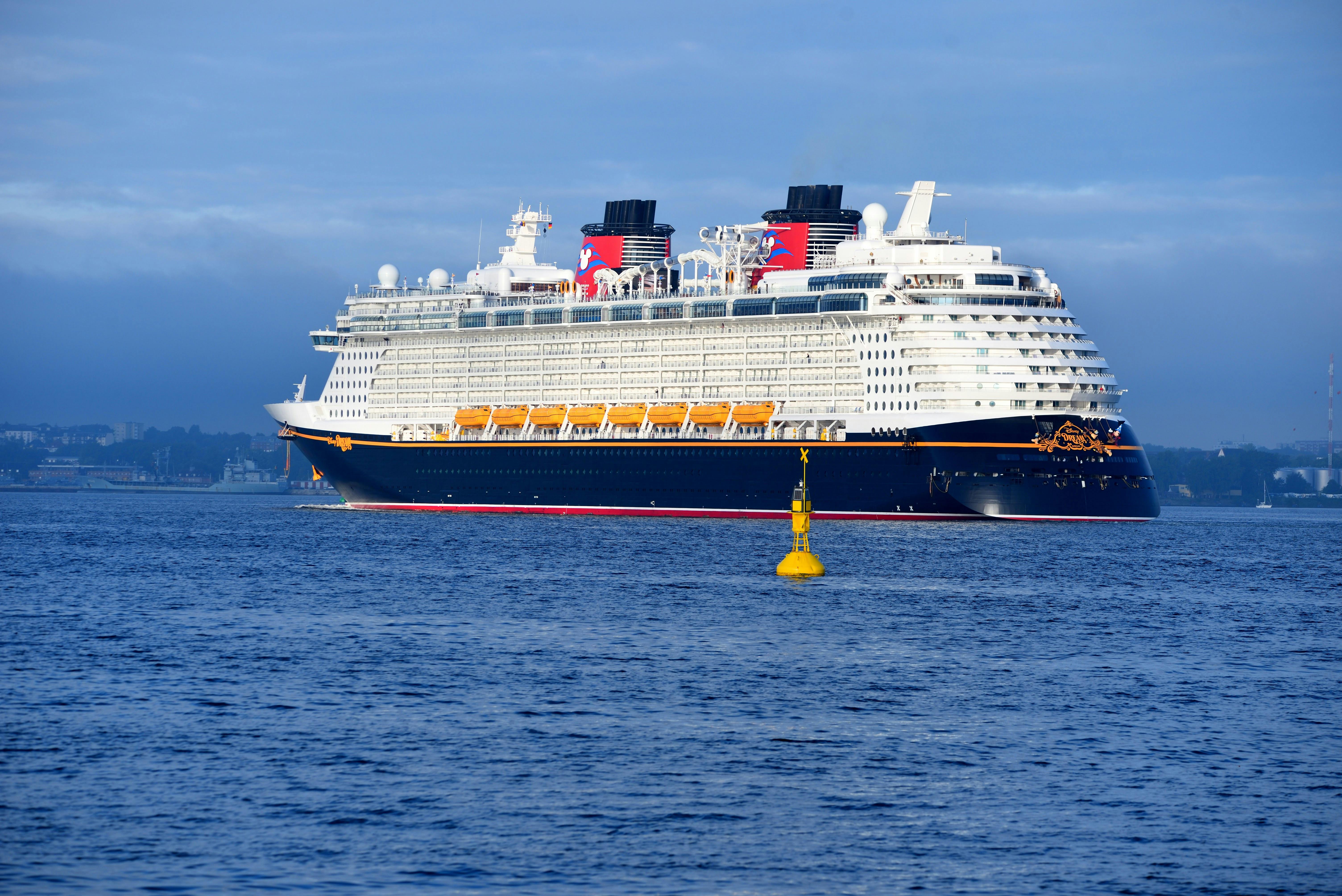 Photo: Travel Mutiny
The Bigger Picture
This is Disney's first major operational failure in Asia, and it couldn't have come at a worse time—they're trying to prove they can compete with Royal Caribbean and Dream Cruises in a market that demands flawless execution. A fire and total blackout isn't a "teething problem," it's a fundamental failure of shipboard systems. If this had happened at sea instead of in port, we'd be talking about a very different story. The real question: was this a one-off equipment failure, or a sign that Disney rushed this ship into service before it was ready?
What To Watch Next
- Whether Disney offers compensation beyond the refund—watch for future cruise credits, onboard credit offers, or fare discounts for affected passengers. They'll want to control the PR damage.
- How quickly the ship returns to service—if repairs take weeks, that signals a serious problem. If they're sailing again in days, it was likely isolated.
- Any reports from passengers about what they experienced overnight—social media and cruise forums will reveal whether Disney provided food, communication, and basic care during the blackout, or left people in the dark literally and figuratively.
📊 Have a cruise booked that might be affected by news like this? CruiseMutiny can run a full all-in cost breakdown for your specific sailing — and flag any disruptions tied to your dates or ship.
Last updated: May 9, 2026. This is a developing story — check back for updates.