Disney's newest cruise ship, Disney Adventure, has delayed its maiden voyage by three months just days after departing the shipyard. The unexpected postponement affects passengers with early bookings for the highly anticipated vessel. Disney has not yet provided detailed reasons for the significant delay.
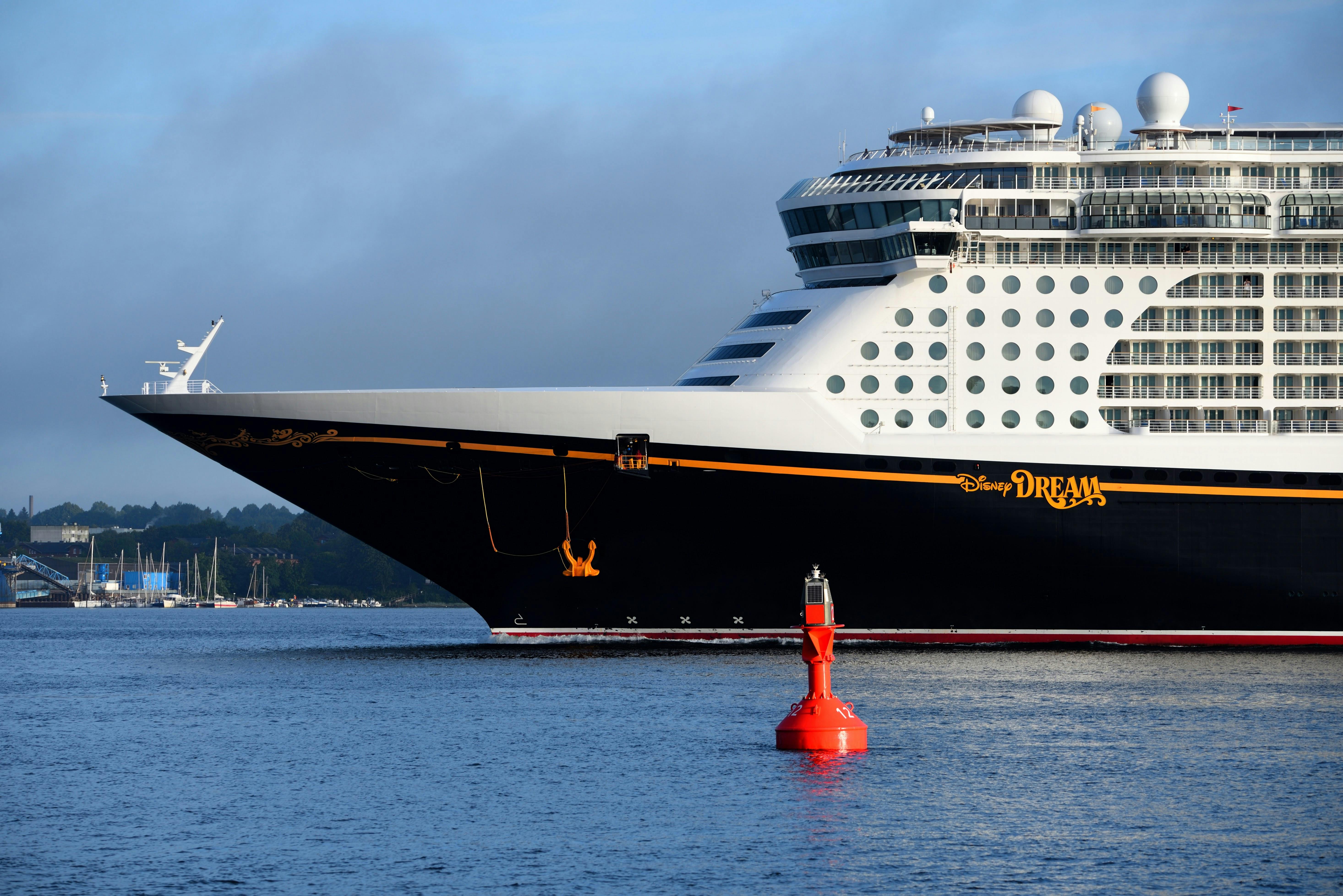 Photo: Travel Mutiny
📰 Reported — from industry news sources
What Happened
Disney's newest ship, the Disney Adventure, just pushed its maiden voyage back by three months—and this delay came right after the vessel left the shipyard. Early bookers are now scrambling to figure out what happens to their reservations, and Disney hasn't offered much explanation beyond the vague acknowledgment of the postponement. For a line that prides itself on operational polish, this is an unusually messy rollout.
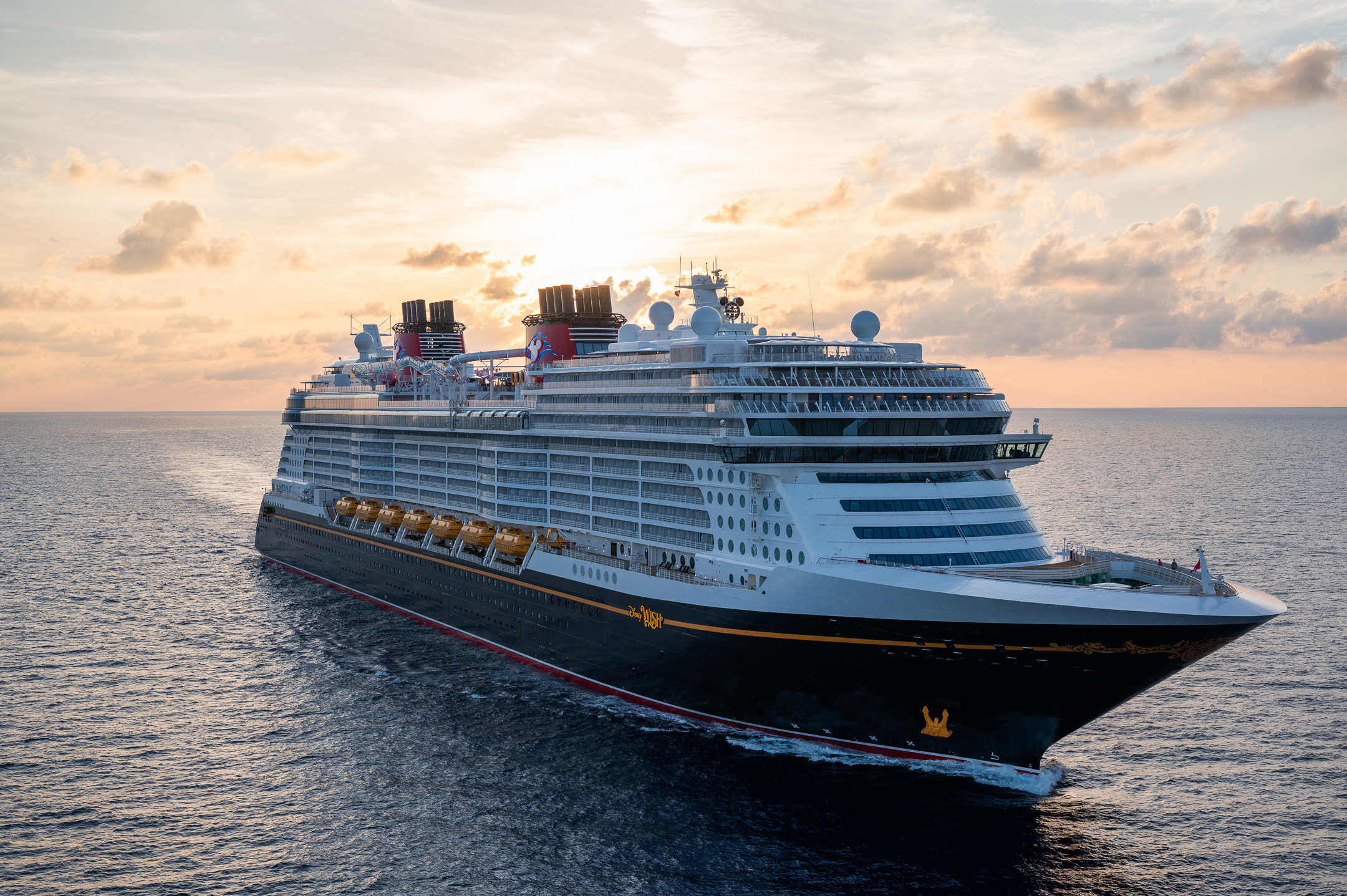 Photo: Travel Mutiny
What This Actually Means For Your Wallet
If you're holding one of those early Disney Adventure bookings, you're looking at real money on the line—and I'm not just talking about the cruise fare.
Let's start with the obvious: your cruise deposit and any payments made. Disney typically requires a 20% deposit at booking for most sailings, which on a 7-night Disney cruise averages around $1,000–$2,500 depending on cabin category and season. If you're in a family stateroom or suite, you might have $3,000+ already tied up. The good news: Disney will almost certainly offer a full refund or the option to rebook on a later sailing. The bad news: getting that money back into your account can take 4–8 weeks depending on your payment method, and you lose any pricing advantage you locked in if fares have since increased.
But the deposit is just the start. Airfare is where this gets expensive. If you booked non-refundable flights to Singapore (the Adventure's homeport), you're potentially out $800–$1,500+ per person depending on your departure city and class of service. Most basic economy tickets are change-fee-free post-pandemic, but you'll pay the fare difference to rebook—and international fares three months out are rarely cheaper than what you locked in months ago. If you booked through Disney's air program, you've got better protection, but you're still at the mercy of availability and pricing when they rebook you.
Then there's the prepaid shore excursions, pre-cruise hotel nights, and port transfers. A family of four doing Disney-booked excursions could easily have $800–$1,200 prepaid. Hotel nights in Singapore run $150–$400/night for anything decent. If you booked these independently (not through Disney), you're chasing refunds from multiple vendors, and many hotels have 7–14 day cancellation windows you've likely already passed.
Disney's standard contract of carriage gives them broad latitude to change itineraries, departure dates, and even cancel sailings entirely with a full refund as the passenger's sole remedy. The exact language typically states that the cruise line may substitute vessels, change dates, or cancel for reasons including (but not limited to) mechanical issues, weather, or "any other circumstances" beyond their control. What's critical here: their obligation generally ends at refunding your cruise fare. They're not automatically on the hook for your airfare, hotels, or that non-refundable tour you booked independently. Some cruise lines—Disney included—have been known to offer onboard credits, discounts on future sailings, or other goodwill gestures when delays are their fault, but that's discretionary, not contractual.
Travel insurance becomes your lifeline here—if you bought the right kind. Standard trip cancellation insurance covers "named perils" like illness, injury, death, or jury duty. A cruise line delaying a sailing by three months usually doesn't trigger coverage under basic policies because you're not canceling—they are, and they're offering a refund. Where insurance helps: "Cancel for Any Reason" (CFAR) coverage, which typically reimburses 50–75% of prepaid, non-refundable trip costs if you decide not to rebook. CFAR costs about 40–60% more than standard trip insurance and must be purchased within 10–21 days of your initial deposit. If you bought basic trip insurance, you're likely covered for the non-refundable hotel and flights only if the delay causes you to miss work and you have a doctor's note, or some other named peril applies. The cruise fare refund itself isn't insurable—you're getting that back anyway.
Here's what most policies don't cover: "I just don't want to go anymore" (unless you have CFAR), lost vacation time from work, or the difference in price if you rebook at a higher fare.
One specific action you should take today: Pull up your booking confirmation and check whether you purchased your airfare and hotels through Disney or independently. If you booked air through Disney, call them immediately at 800-951-3532 and confirm they're rebooking you at no additional cost and that fare differences are waived due to the line's delay. If you booked independently, call your airline and hotel today—not next week—and ask about rebooking options, change fees, and cancellation deadlines. The earlier you act, the better your chances of minimizing losses. If you bought travel insurance, pull that policy document and look for the "cruise line schedule change" or "trip delay" section—many policies require you to file a claim within 10–20 days of the event.
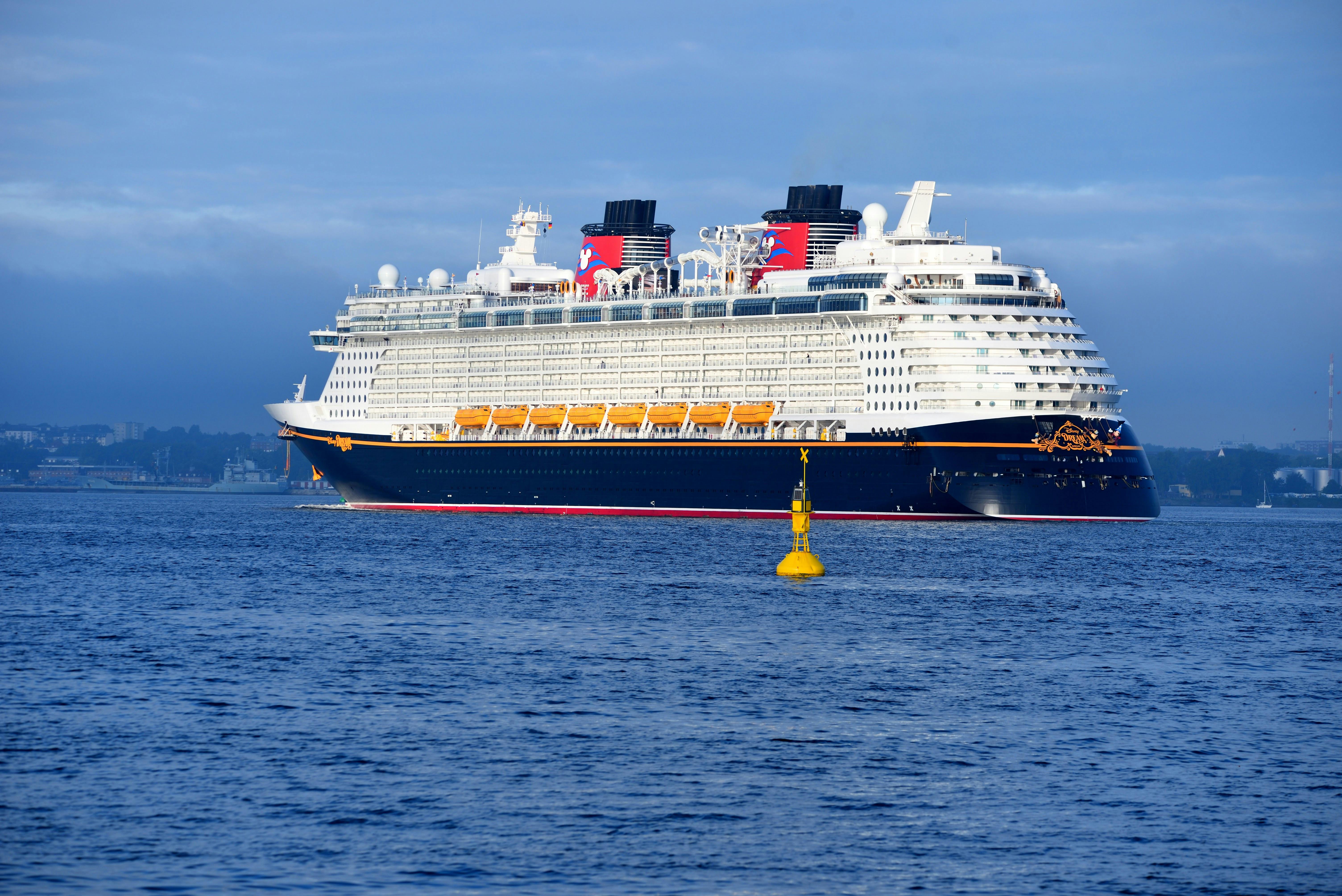 Photo: Travel Mutiny
The Bigger Picture
Disney is usually the gold standard for avoiding this kind of operational stumble—they delay ships during construction, sure, but pulling a launch date after the ship leaves the yard signals something went wrong during sea trials or final inspections that they didn't catch earlier. Whether it's propulsion, safety systems, or regulatory signoff, a three-month delay is serious. This is the kind of hiccup you expect from a startup cruise line or a problematic shipyard relationship, not from Disney and Meyer Werft (if that's the builder). It also puts Disney in the awkward position of managing customer expectations during a major international expansion—exactly when they can least afford the PR hit.
What To Watch Next
- Whether Disney offers compensation beyond refunds—watch for announcements of onboard credits, cabin upgrades, or discounted rebooking offers for affected passengers, which would signal they're taking ownership rather than hiding behind the contract.
- The actual reason for the delay—if it's propulsion, HVAC, or safety systems, that points to builder issues; if it's regulatory or certification, that's a red flag about readiness for the Asian market.
- Rebooking availability and pricing—check whether Disney holds your original cabin category and fare, or whether you're rebooking at current market rates (which, for Disney, are almost always higher than early-bird pricing).
📊 Have a cruise booked that might be affected by news like this? CruiseMutiny can run a full all-in cost breakdown for your specific sailing — and flag any disruptions tied to your dates or ship.
Last updated: April 24, 2026. This is a developing story — check back for updates.