A fire onboard a cruise ship forced the closure of multiple restaurants and sent crew members to muster stations. The incident required emergency response protocols to be activated. Passengers were impacted by the closure of dining facilities during the event.
📰 Reported — from industry news sources
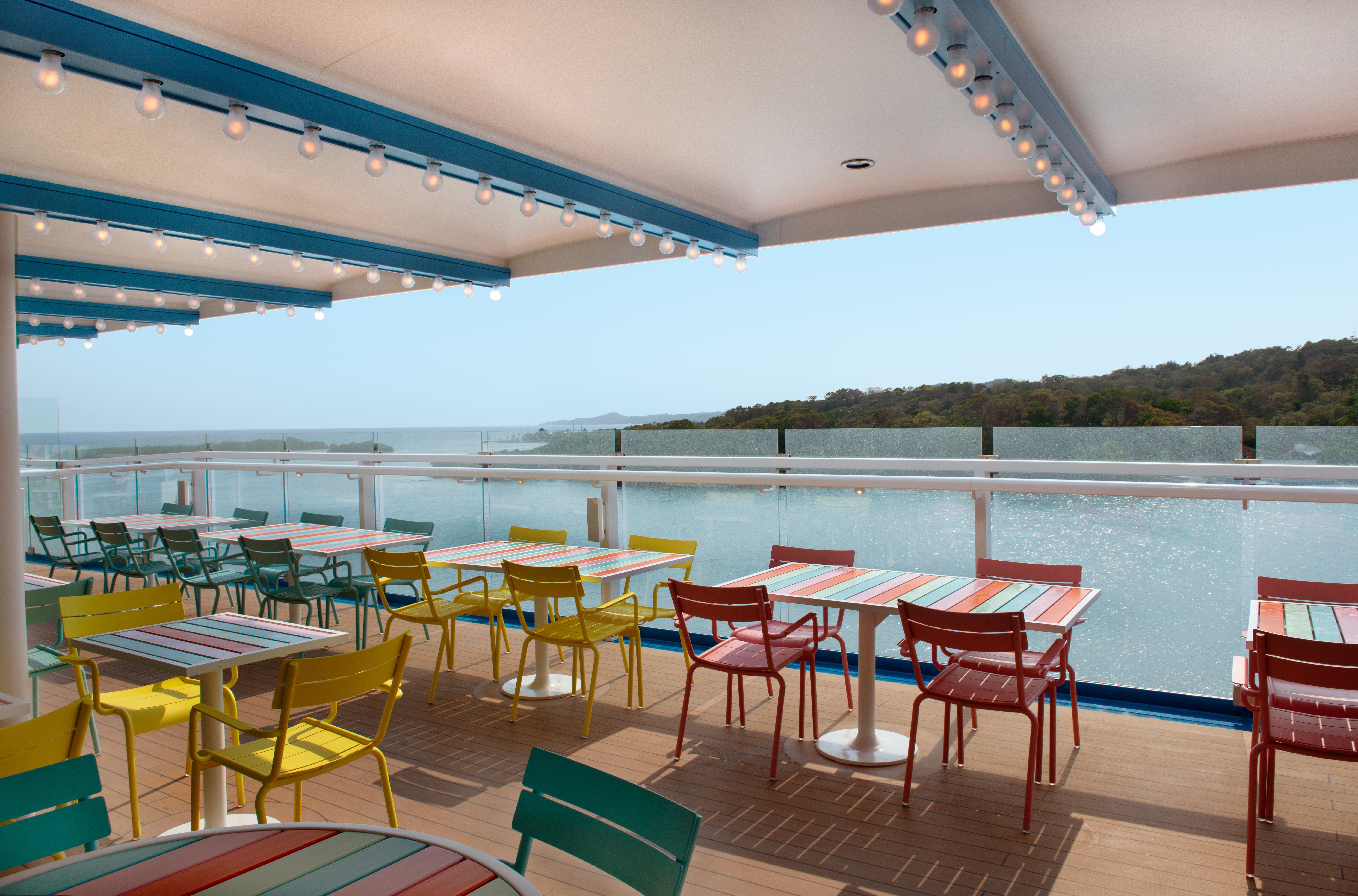 Photo: Carnival Cruise Line
What Happened
A fire erupted on a cruise ship, triggering full emergency protocols and forcing the ship to close multiple dining venues while crew members reported to their assigned muster stations. Passengers aboard were left without access to several restaurants during the incident as the crew worked to contain the situation. The ship's emergency response systems were activated according to standard maritime safety procedures.
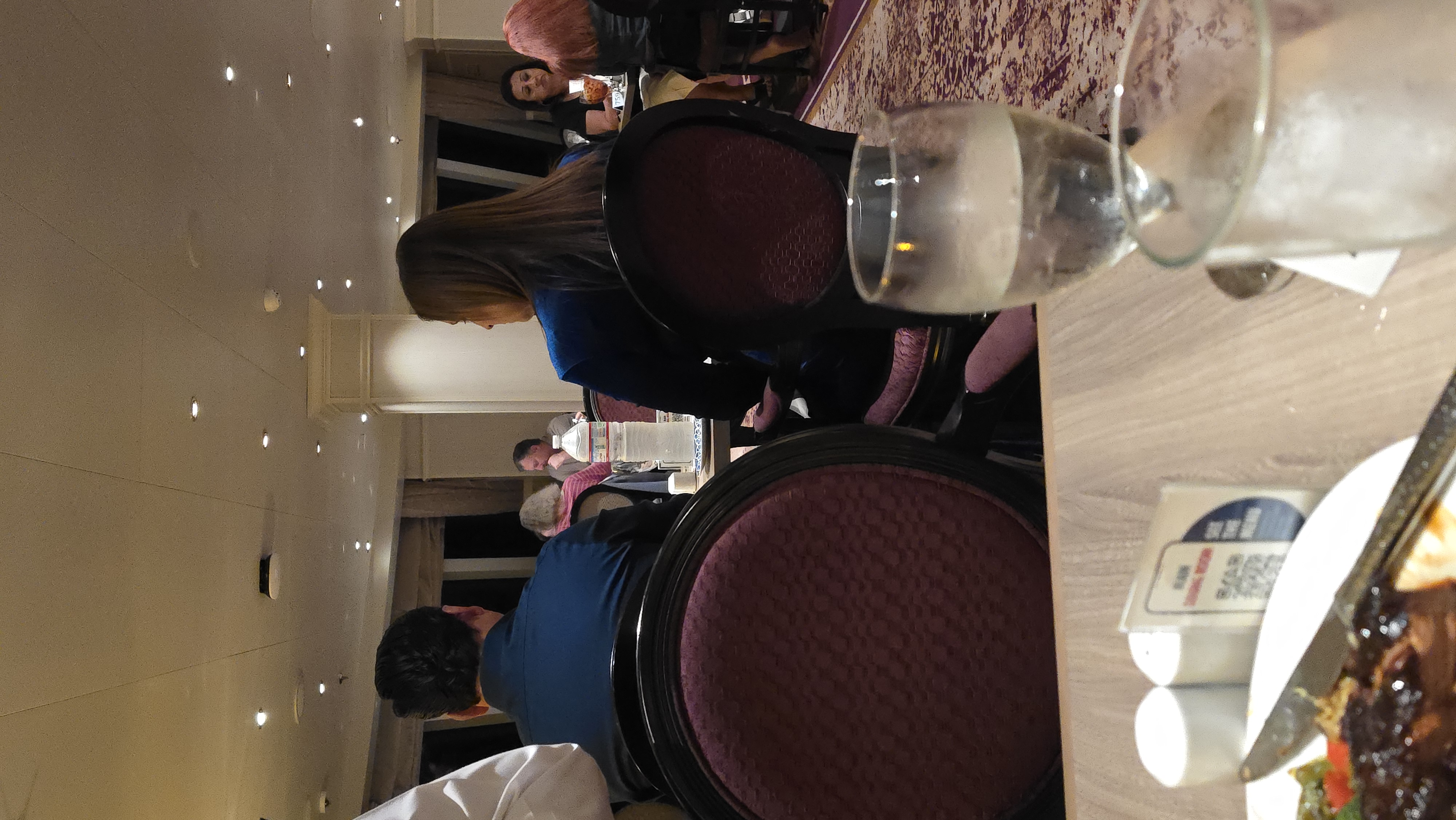 Photo: Carnival Cruise Line
What This Actually Means For Your Wallet
Let's talk about the money you're actually on the hook for when something like this happens mid-cruise.
The immediate hit: If you prepaid for specialty dining reservations at one of those closed restaurants, you're looking at $40-$125 per person sitting in limbo. Most lines will refund the cover charge or issue onboard credit, but you'll need to physically go to guest services and request it—they won't automatically process it. If the main dining room was also affected and you were shuttled to the buffet for multiple meals, the financial impact is less direct but the experience degradation is real. You paid for a full-service cruise with assigned dining, and you got cafeteria-style crowd management instead.
What the line's contract actually covers: The passage contract (that thing you clicked "I agree" on when booking) gives cruise lines enormous latitude when it comes to operational disruptions. Most mainstream lines—Carnival, Royal Caribbean, Norwegian, Princess—include force majeure clauses that essentially say they're not liable for mechanical failures, emergencies, or events outside their control. A fire qualifies. You'll typically see language like "the carrier may substitute vessels, vary the route or itinerary, omit any port, or terminate the cruise at any time for any reason." Translation: they can close restaurants, reroute the ship, or cancel port calls, and your recourse is limited. Some lines offer prorated refunds for missed ports, but restaurant closures for part of a day? That's rarely spelled out as refund-eligible unless the disruption is multi-day or ends the cruise early.
What travel insurance actually covers: Standard trip-cancellation/interruption insurance is built around named perils—things like covered illness, jury duty, or your home becoming uninhabitable. A fire on the ship while you're already sailing typically falls under trip interruption coverage, but here's the catch: you'd need to prove a financial loss. If the cruise line gave you onboard credit for missed dining and kept sailing, most policies won't pay out because you weren't forced to disembark or lose prepaid components. Cancel-for-Any-Reason (CFAR) policies don't help here either—they only apply before you depart, and they reimburse 50-75% of non-refundable costs if you decide not to go. Once you're on the ship, CFAR is done. What might be covered: if the fire forced an early termination and you had to book last-minute flights home, trip interruption coverage usually reimburses the extra airfare cost and unused cruise days (prorated). But read your policy's "mechanical breakdown" exclusion—some budget policies specifically exclude cruise ship equipment failures.
What you should do right now: Pull up your booking confirmation and locate the passage contract section—usually buried in a PDF link or "terms and conditions" page. Look for the section on "carrier's right to deviate" or "limitation of liability." Screenshot or save it. Then, if you're currently dealing with this situation, document everything: take photos of closed restaurant signs, grab a copy of the daily program showing affected venues, and note the exact times you were unable to access dining. When you get home, send a polite but firm letter to the cruise line's customer relations department (not just the onboard guest services) detailing the specific financial impact and requesting compensation—either a percentage refund or a future cruise credit. The squeaky wheel gets the FCC.
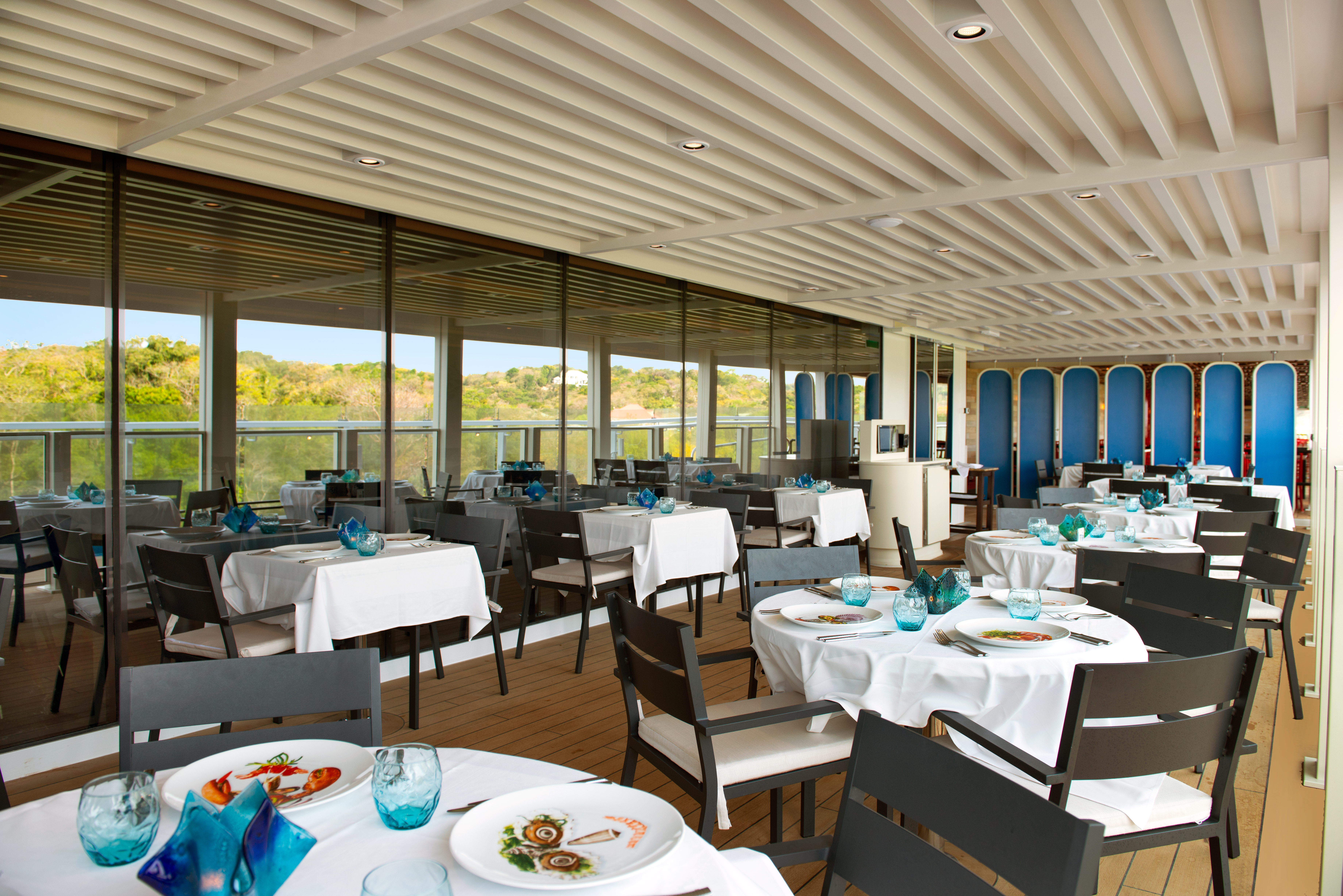 Photo: Carnival Cruise Line
The Bigger Picture
Fires on cruise ships are rare, but when they happen, they expose the imbalance in the cruise contract: the line can alter your vacation significantly while you carry most of the financial risk. This incident is a reminder that "all-inclusive" doesn't mean "guaranteed delivery of services"—you're buying access to amenities the line can revoke at any moment for safety or operational reasons. The cruise industry has gotten very good at managing PR around incidents, but passenger compensation policies haven't kept pace with the prices people are paying for these vacations.
What To Watch Next
- Whether the line offers proactive compensation (onboard credit, future cruise discounts) or waits for passengers to individually request refunds—that tells you everything about their customer service philosophy.
- How long the affected restaurants stay closed—if it's more than 24 hours, that's a sign of either serious damage or a larger mechanical issue that could affect the rest of the sailing.
- Any pattern of similar incidents on this ship or within this fleet—one fire is an incident, multiple fires in a year signal deferred maintenance or aging infrastructure you'll want to avoid on future bookings.
📊 Have a cruise booked that might be affected by news like this? CruiseMutiny can run a full all-in cost breakdown for your specific sailing — and flag any disruptions tied to your dates or ship.
Last updated: April 29, 2026. This is a developing story — check back for updates.