Travelers are being warned about common causes of cruise cancellations and delays. The guide covers protection strategies and what passengers should know. It provides practical advice for dealing with unexpected itinerary changes.
📰 Reported — from industry news sources
 Photo: Carnival Cruise Line
What Happened
A new travel advisory is highlighting the top five culprits behind cruise cancellations and itinerary changes—covering everything from mechanical failures and weather to port closures and public health emergencies. The guidance walks passengers through protective measures they can take before booking and practical steps for handling last-minute changes once onboard.
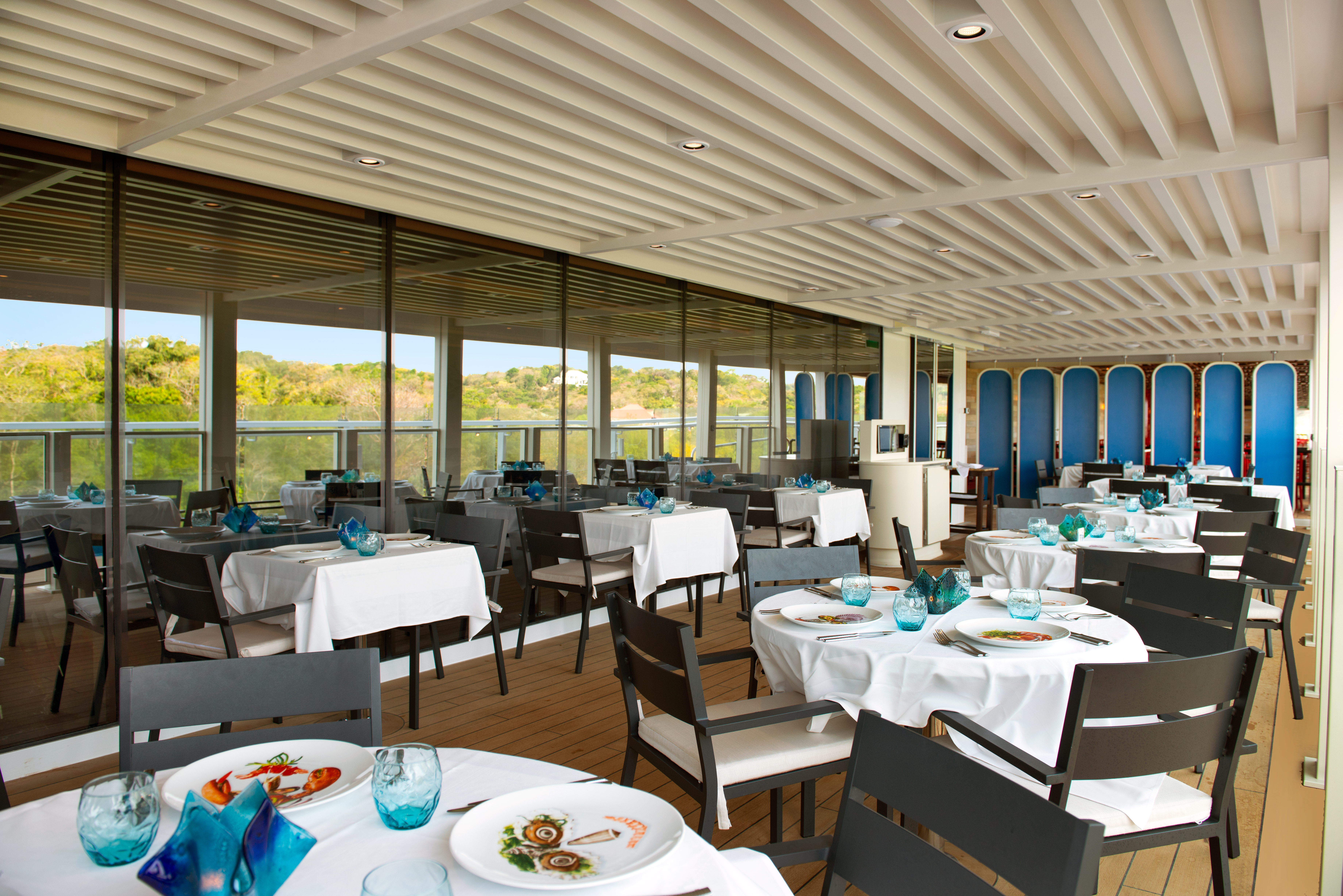 Photo: Carnival Cruise Line
What This Actually Means For Your Wallet
Let's talk about what's actually at stake when your cruise gets scrapped or rerouted at the last minute.
The financial exposure is bigger than most people think. If your cruise gets cancelled by the line before departure, you'll typically get a full refund or a future cruise credit (FCC)—sometimes with a sweetener like an extra 10-25% bonus credit. That sounds fine until you remember the stuff the cruise line doesn't reimburse: your non-refundable airfare ($400-$800 per person is common), the hotel night you booked near the port ($150-$300), airport parking, pet boarding, and any shore excursions you pre-booked through third parties instead of the cruise line. If you're a family of four flying cross-country, you could easily be out $2,500-$4,000 in sunk costs even with a "full refund" from the cruise line.
Itinerary changes during the cruise hit differently. Miss a port due to weather or mechanical issues? The cruise line owes you exactly nothing under the standard contract of carriage. Most passenger tickets include force majeure language that lets the line alter itineraries without compensation for reasons beyond their control—weather, port authority decisions, civil unrest, you name it. Some lines have started offering onboard credit as goodwill gestures ($50-$100 per stateroom is typical), but it's discretionary, not guaranteed. If you booked a $200/person shore excursion through the cruise line for that port, you'll get a refund. Booked it independently? You're eating that cost.
Here's what standard travel insurance actually covers—and the gaps are huge. Basic trip cancellation policies reimburse you for pre-paid, non-refundable trip costs if you cancel for a "covered reason"—things like illness, injury, death in the family, jury duty, or your home becoming uninhabitable. Notice what's not on that list? "I'm nervous about hurricane season" or "the itinerary changed and I don't want to go anymore." That's where Cancel For Any Reason (CFAR) coverage comes in, but it's pricey (adds 40-50% to your premium), must be purchased within 10-21 days of your initial deposit, and typically only reimburses 50-75% of your costs. And here's the kicker: most policies won't cover you if the cruise line cancels—because you're getting a refund anyway. The value is in covering your airfare and hotels when the line cancels but your flights are non-refundable.
The "Trip Interruption" portion of your policy covers missed ports and itinerary changes, but read the fine print. Weather delays? Usually covered. Mechanical breakdown causing a missed port? Maybe—depends if your policy lists it as a named peril. The cruise line deciding to skip a port because of "security concerns" that aren't making international news? Good luck with that claim.
One move to make right now: Pull out your cruise contract (it's in your booking confirmation email, usually buried in a PDF) and find the section on cancellations and itinerary changes. Take five minutes to screenshot or highlight the specific language about what happens if they cancel versus if you cancel, and what the refund timeline looks like. Knowing whether you're looking at a 90-day refund window or a 30-day window matters when you're trying to rebook flights.
 Photo: Carnival Cruise Line
The Bigger Picture
The cruise industry has gotten bolder about itinerary swaps in the past few years, and passengers have largely accepted it as the new normal. Between climate-driven weather volatility, aging ships needing surprise drydock time, and ports implementing stricter environmental rules (looking at you, Alaska and Mediterranean ports), the odds of sailing your published itinerary exactly as printed are lower than they were a decade ago. Lines know most customers won't cancel over a single port swap, so the compensation has gotten stingier.
What To Watch Next
- 2026 hurricane season itinerary changes — Caribbean sailings from August-October are already seeing preemptive reroutes. If you're booked in that window, check your itinerary monthly starting in May.
- New EU port regulations rolling out summer 2026 — Several Mediterranean ports are capping daily ship arrivals, which will force last-minute itinerary shuffles when multiple ships try to dock the same day.
- Mechanical issues on older ships — If you're booked on a vessel that's 15+ years old, search the ship name + "propulsion" or "mechanical" on cruise forums before you fly. Repeat offenders (like certain Carnival and Royal Caribbean vessels) have patterns.
📊 Have a cruise booked that might be affected by news like this? CruiseMutiny can run a full all-in cost breakdown for your specific sailing — and flag any disruptions tied to your dates or ship.
Last updated: April 29, 2026. This is a developing story — check back for updates.