A hantavirus outbreak has occurred aboard a cruise ship, raising serious health concerns. The situation has prompted emergency responses and international attention. Details about the number of affected passengers and the ship's location are still emerging as health authorities investigate.
📰 Reported — from industry news sources
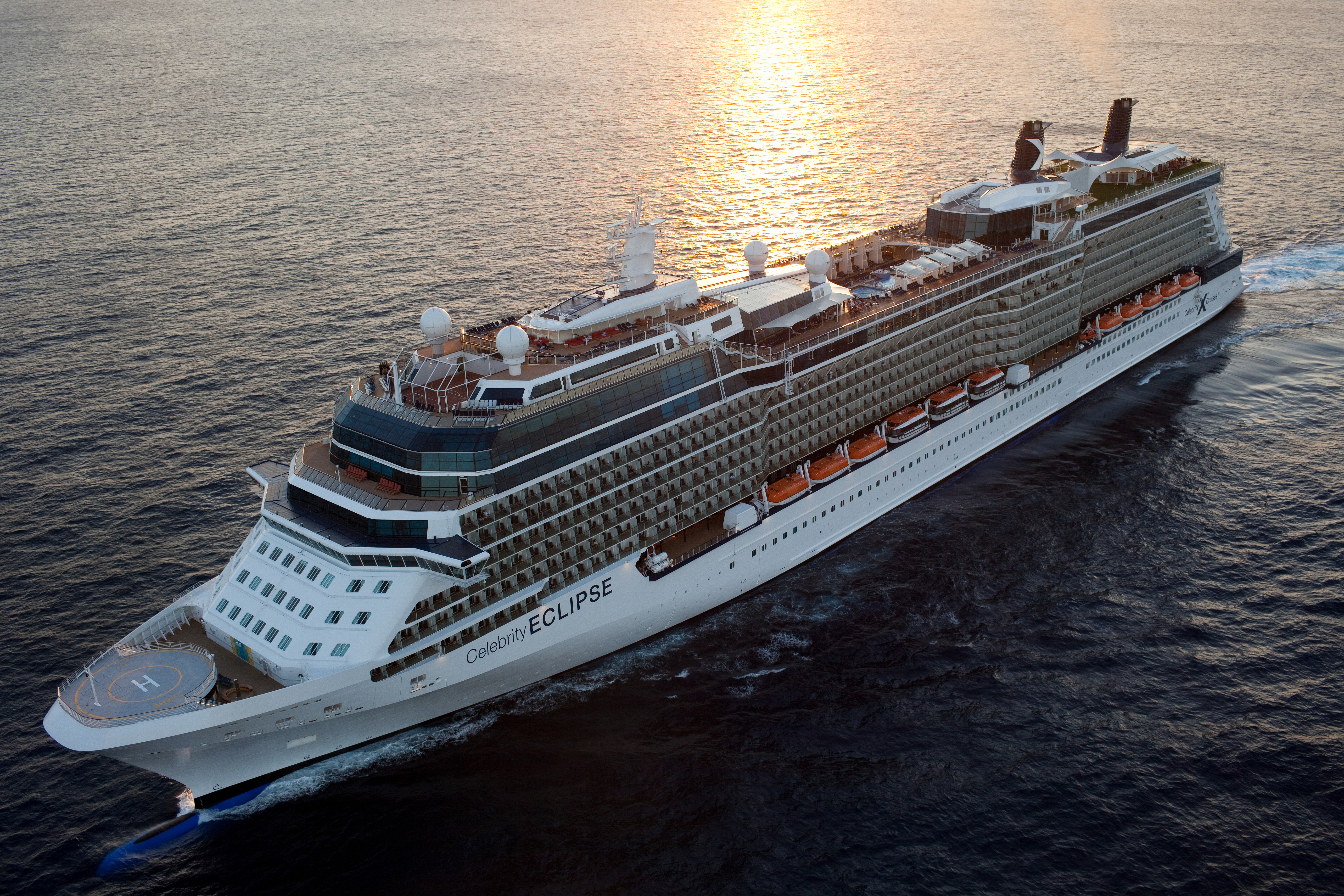 Photo: Celebrity Cruises
What Happened
A hantavirus outbreak aboard a cruise ship has triggered emergency health protocols and drawn international scrutiny. Health authorities are still working to confirm the number of infected passengers and crew, while the vessel's current location and operational status remain under investigation. This marks an extremely rare occurrence in the cruise industry—hantavirus outbreaks are typically associated with rodent exposure in rural or wilderness settings, not ocean-going vessels.
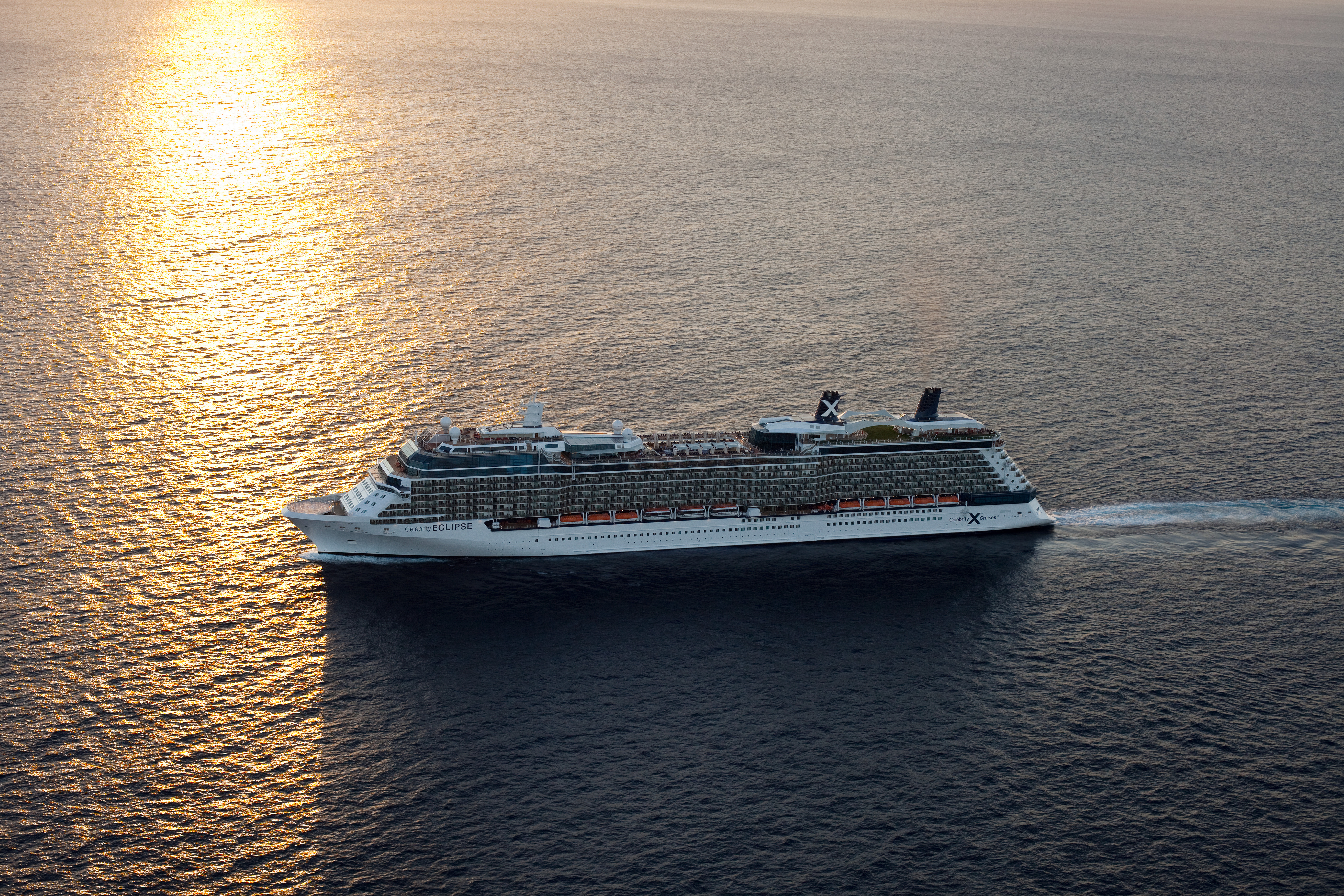 Photo: Celebrity Cruises
What This Actually Means For Your Wallet
If you're booked on this sailing or an upcoming departure on the same ship, you're looking at potential costs ranging from $500 to $5,000+ depending on your situation.
The immediate financial exposure: If your cruise is cancelled outright, you're dealing with non-refundable airfare (typically $400-$800 per person for domestic flights, double that for international), prepaid shore excursions booked outside the cruise line ($100-$300 per person is common), and any hotel nights you booked for pre- or post-cruise stays ($150-$400 per night in port cities). If you're on the affected ship and it's cut short, you're losing the per-day value of your fare—on a $1,200 week-long cruise, that's about $171 per day you didn't get. Most lines prorate refunds for unused days, but good luck getting compensation for the vacation days you burned or can't get back from your employer.
What the cruise line's standard policy covers: Most major cruise lines' contracts of carriage include force majeure clauses that allow them to cancel, delay, or alter itineraries for public health emergencies without liability for consequential damages. That means they'll typically refund your cruise fare and potentially offer a Future Cruise Credit, but they're not on the hook for your flights, hotels, or lost wages. In truly extraordinary circumstances—and a hantavirus outbreak would qualify—some lines have issued full refunds plus compensatory FCCs (usually 25-50% of paid fare), but that's a goodwill gesture, not a contractual obligation. The cruise line's liability is generally capped at the cruise fare itself. Don't expect them to cover your $2,000 in airfare without a serious fight or media pressure.
Travel insurance reality check: Standard trip cancellation insurance won't help you if the cruise line cancels your trip and refunds your fare—you didn't lose money, so there's nothing to claim. Where insurance does kick in is covering your non-refundable flights and hotels when the cruise line cancels. But here's the gotcha: most policies only cover named perils (illness, injury, weather, jury duty), and "cruise line cancelled due to disease outbreak" often falls into a gray area. Some insurers covered COVID-related cancellations, others fought claims for years. If you bought Cancel-for-Any-Reason (CFAR) coverage within 14-21 days of your initial deposit, you can recover 50-75% of your prepaid, non-refundable costs—no questions asked. CFAR typically adds 40-50% to your policy cost, but on a $4,000 cruise vacation, that's an extra $120-$200 for real peace of mind.
What you should do right now: Pull out your cruise contract and booking confirmation—look for Section 11 or 12, usually titled "Limitation of Liability" or "Carrier's Rights." Screenshot the force majeure language. Then call your travel insurance provider (if you bought a policy) and ask point-blank: "If the cruise line cancels my sailing due to a communicable disease outbreak and refunds my cruise fare but not my airfare, am I covered?" Get their answer in writing via email. If you didn't buy insurance and you're within 14 days of your original booking, some providers still let you add CFAR. If you're past that window, document every non-refundable expense you've incurred—you'll need that for any goodwill requests to the cruise line.
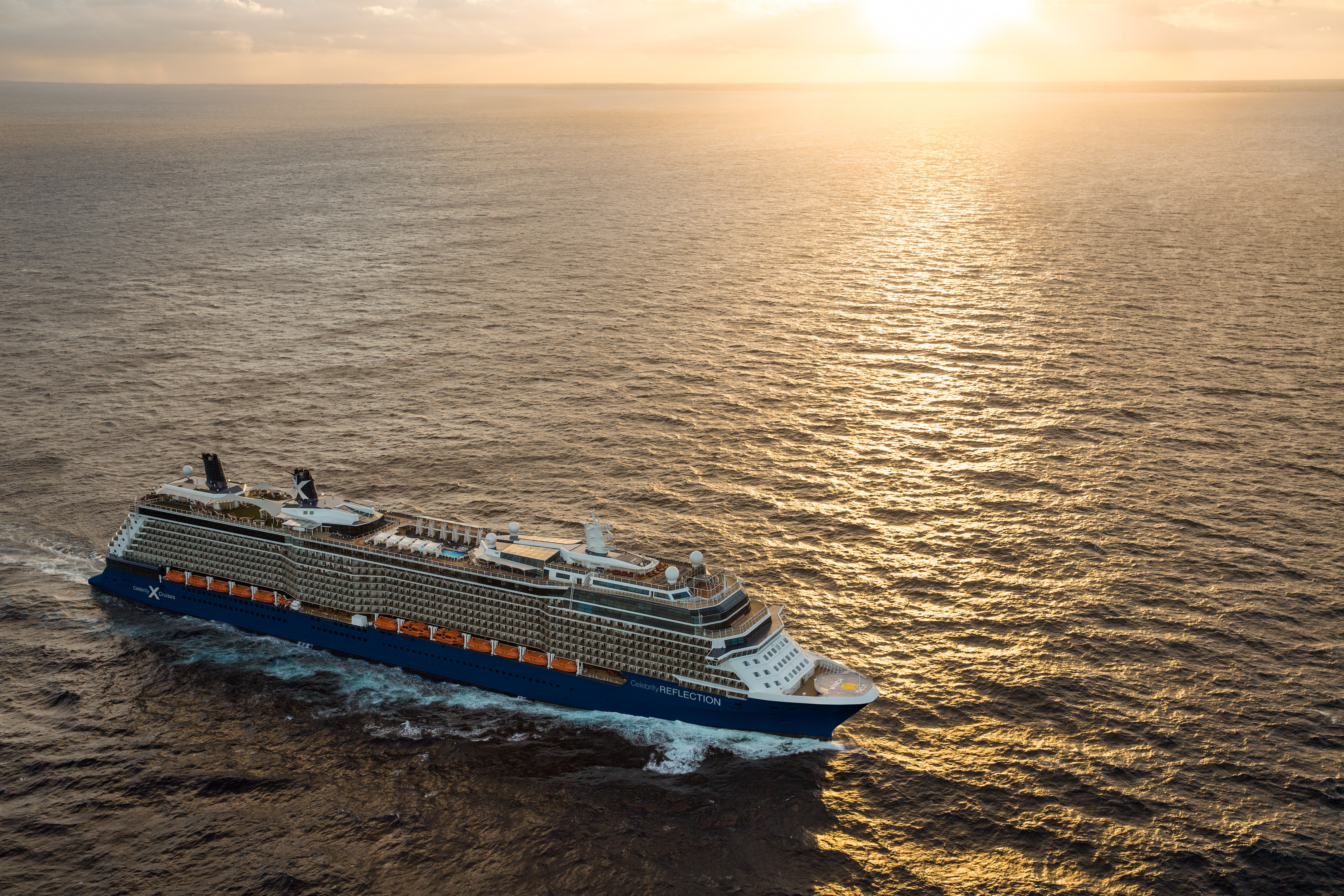 Photo: Celebrity Cruises
The Bigger Picture
Hantavirus on a cruise ship is genuinely bizarre—the virus spreads through contact with rodent droppings, urine, or saliva, which raises serious questions about the vessel's sanitation, provisioning, or port-of-call food sourcing. This isn't norovirus from a buffet sneeze guard; this suggests a breakdown in pest control or supply chain oversight that no modern cruise ship should experience. If health investigators trace the source to shipboard conditions, expect aggressive inspections across the fleet and potentially across the industry. The CDC's Vessel Sanitation Program is about to have a field day.
What To Watch Next
- CDC VSP inspection scores for this vessel and its fleetmates over the next 30 days—scores below 85 trigger reinspection and operational restrictions
- Whether the outbreak is confirmed as rodent-borne or potentially linked to a shore excursion or provisioning port—that determines if this is a one-ship crisis or a broader itinerary risk
- Competitor cruise lines' stock prices and booking trends—if this spooks the market like early COVID reports did, you'll see wave season deals get very aggressive in the next 2-4 weeks
📊 Have a cruise booked that might be affected by news like this? CruiseMutiny can run a full all-in cost breakdown for your specific sailing — and flag any disruptions tied to your dates or ship.
Last updated: May 11, 2026. This is a developing story — check back for updates.