Italy's cruise sector is projected to reach an all-time high of 15.1 million passengers, marking significant growth for the Mediterranean cruise market. This milestone represents a strong recovery and expansion of cruise tourism in Italian ports. The record numbers demonstrate the continuing popularity of Mediterranean itineraries.
📰 Reported — from industry news sources
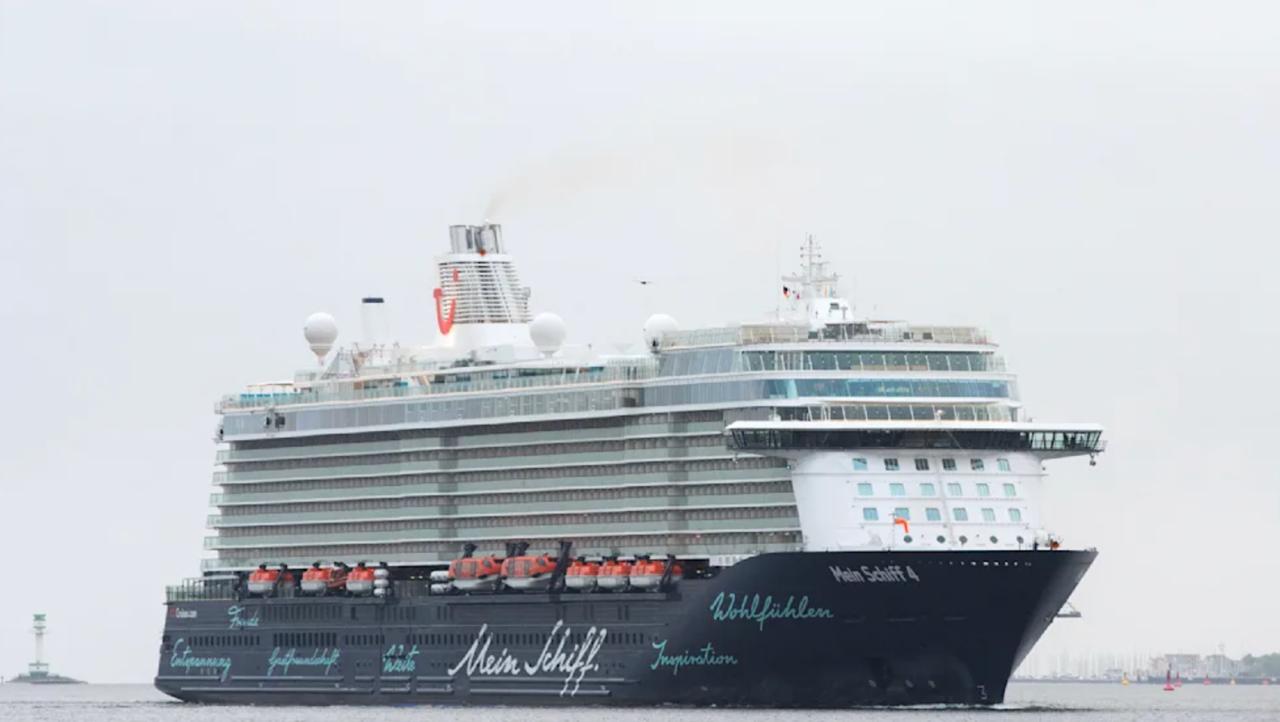 Photo: Royal Caribbean International
What Happened
Italy's cruise ports are on track to handle 15.1 million passengers this year, smashing previous records and confirming what anyone checking Mediterranean cruise prices already knows: demand is through the roof. This isn't just a recovery story anymore—this is outright expansion beyond pre-pandemic levels. Italian homeports like Civitavecchia, Venice, and Genoa are seeing both more ships and bigger ships calling on them throughout the season.
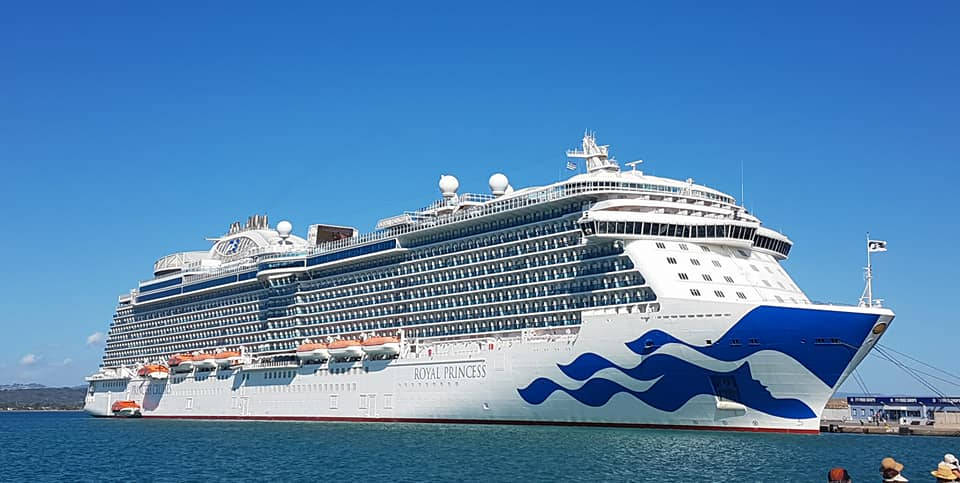 Photo: Royal Caribbean International
What This Actually Means For Your Wallet
Here's the part the press releases won't tell you: record passenger numbers don't usually translate to bargain pricing for you.
The pricing reality: When demand surges like this, cruise lines have zero incentive to discount. We're seeing Mediterranean sailings that used to be priced as shoulder-season deals now commanding peak Caribbean rates. A seven-day Western Mediterranean cruise that might have run $600-$800 per person in 2019 is now regularly listed at $1,100-$1,500 for the same inside cabin on the same ship. Balconies on popular Italy-heavy itineraries during summer months? You're looking at $2,000-$3,500 per person before gratuities, and that's on mainstream lines like MSC, Carnival, and Royal Caribbean.
The cruise lines will raise prices as long as people keep booking. Right now, they're booking.
Port congestion costs: More passengers also means more port chaos. Venice has already capped cruise traffic and banned large ships from the lagoon. Other Italian ports are implementing similar restrictions or raising port fees. Those costs get passed straight to you—either as higher fares or new "destination fees" that mysteriously appear in your final invoice. Expect ports like Civitacheccia (Rome) and Naples to start implementing similar crowd-management surcharges within the next 12-18 months.
Shore excursion price creep: When 15 million people are funneling through the same ports, tour operators know they've got you cornered. We've already seen Colosseum tours and Pompeii excursions jump 15-25% over the past two years. A ship-sold shore excursion in Rome that cost $89 in 2023 is now routinely priced at $119-$139. Private tours have climbed even faster—what was a $400 private car/driver for four people is now $550-$650.
The onboard spend trap: Record passenger numbers mean the ships are full, which means the casino, specialty restaurants, and spa aren't hurting for business. Translation: fewer promotional offers. That "buy one specialty dining package, get one 50% off" deal? Harder to find when the steakhouse is already booked solid three nights out of seven.
What you should do right now: If you're even remotely considering a Mediterranean cruise in 2026 or 2027 that includes Italian ports, book it yesterday. Seriously. Prices aren't going down when demand is setting records. Watch for Wave Season promotions (January-March), but don't expect the deep discounts of years past. Lock in your fare, and if a better rate pops up later, most lines allow one price adjustment before final payment. Mark your calendar 90 days before sailing and check again.
 Photo: Royal Caribbean International
The Bigger Picture
This is a demand story, plain and simple, and it's pricing casual cruisers out of peak Mediterranean season. The cruise lines are chasing yield, not volume—they'd rather sail at 95% capacity with passengers paying premium rates than 100% capacity with discounted fares. Italy's infrastructure and regulatory environment will eventually put a ceiling on this growth, either through port restrictions or passenger caps, but until then, expect the lines to maximize revenue per passenger. The days of the "cheap Mediterranean cruise" are on life support.
What To Watch Next
- Port restrictions in Naples and Civitavecchia: Both are under pressure from local governments to limit cruise traffic. Any new caps will force itinerary changes and likely drive prices even higher on remaining Italy-heavy routes.
- MSC's pricing strategy: As the dominant player in the Mediterranean, MSC sets the tone. If they're holding rates firm into 2027 Wave Season, everyone else will follow.
- Alaska and Northern Europe repositioning: If Mediterranean prices stay sky-high, watch for more Americans shifting to Alaska or Norwegian Fjords itineraries where capacity is expanding and competition is fiercer.
📊 Have a cruise booked that might be affected by news like this? CruiseMutiny can run a full all-in cost breakdown for your specific sailing — and flag any disruptions tied to your dates or ship.
Last updated: April 28, 2026. This is a developing story — check back for updates.