A judge has declined to jail a teenager accused of killing their stepsister aboard a Carnival Cruise ship, allowing them to remain with family pending trial. Unsealed court documents have revealed new details about the death of Anna Kepner. The case continues to draw significant media attention and raises questions about passenger safety.
📰 Reported — from industry news sources
 Photo: Carnival Cruise Line
Judge Rules Teen Can Remain Free Pending Cruise Murder Trial
A teenager accused of killing their stepsister aboard a Carnival Cruise ship has been ordered to remain free pending trial, with an unsealed court ruling that's now drawing scrutiny over passenger safety and cruise-line liability protocols. The case involves the death of Anna Kepner and raises uncomfortable questions about what happens when a tragedy strikes mid-voyage—and who actually pays when things go wrong.
What happened, and who is affected?
A judge has declined to detain a teen facing accusations related to a death aboard a Carnival vessel, allowing them to remain with family while the case proceeds. The court's decision to unseal documents in the case has brought new details about the circumstances of Anna Kepner's death into public view, intensifying media coverage and drawing attention to how cruise ships handle serious incidents at sea. This affects not just the immediate family involved, but every passenger who books a Carnival cruise and assumes adequate safety protocols and incident response are in place.
The Carnival cruise industry operates under a specific legal framework. According to Carnival's ticket contract, any disputes or claims related to a cruise—including those arising from incidents aboard—are subject to strict jurisdictional and arbitration rules. For claims involving personal injury, illness, or death, written notice must be provided to Carnival within 185 days of the incident, and lawsuits must be filed within one year. This compressed timeline puts families in a position of having to act fast while simultaneously grieving and gathering evidence.
What many passengers don't realize is that Carnival limits its liability under federal maritime law. The contract explicitly states that Carnival benefits from all statutes of the United States providing for limitation and exoneration from liability—specifically Title 46 of the U.S. Code sections 30501 through 30509. This means Carnival's financial exposure in cases like this is capped, not unlimited.
 Photo: Travel Mutiny
What does this actually mean for travelers' wallets?
From a financial standpoint, families pursuing a claim related to an incident aboard a Carnival ship face steep legal barriers and time constraints. If the claim exceeds $8,000 (excluding attorney fees and costs), it must go to binding arbitration under international law, not court. If it's under $8,000, it goes to small claims court in Miami-Dade County, Florida—period. This arbitration requirement can cost $5,000 to $15,000 just in filing fees and arbitrator costs before a single witness is called. Most maritime wrongful death cases cost $50,000 to $200,000 in legal fees to litigate fully.
Carnival's liability cap under federal maritime law typically limits recovery to the ship's appraised value or earnings for the voyage, whichever is smaller. On a Carnival mega-ship, that's often measured in the tens of millions, but the pool of potential claimants—other passengers, crew, the deceased's family—may all compete for that same limited fund. A family seeking compensation faces not just proving negligence, but overcoming statutory immunity arguments that Carnival's lawyers will deploy aggressively.
Prepaid items—specialty dining, shore excursions, beverage packages, cabin upgrades—are typically non-refundable once a voyage is disrupted by a serious incident, though families may negotiate goodwill refunds. Travel insurance purchased before the trip usually doesn't cover acts of other passengers or crimes, only named perils like weather, illness, or airline cancellations. You're also exposed to airfare costs if you need to fly home unexpectedly; realistic costs range from $400 to $1,200 depending on your departure port and origin.
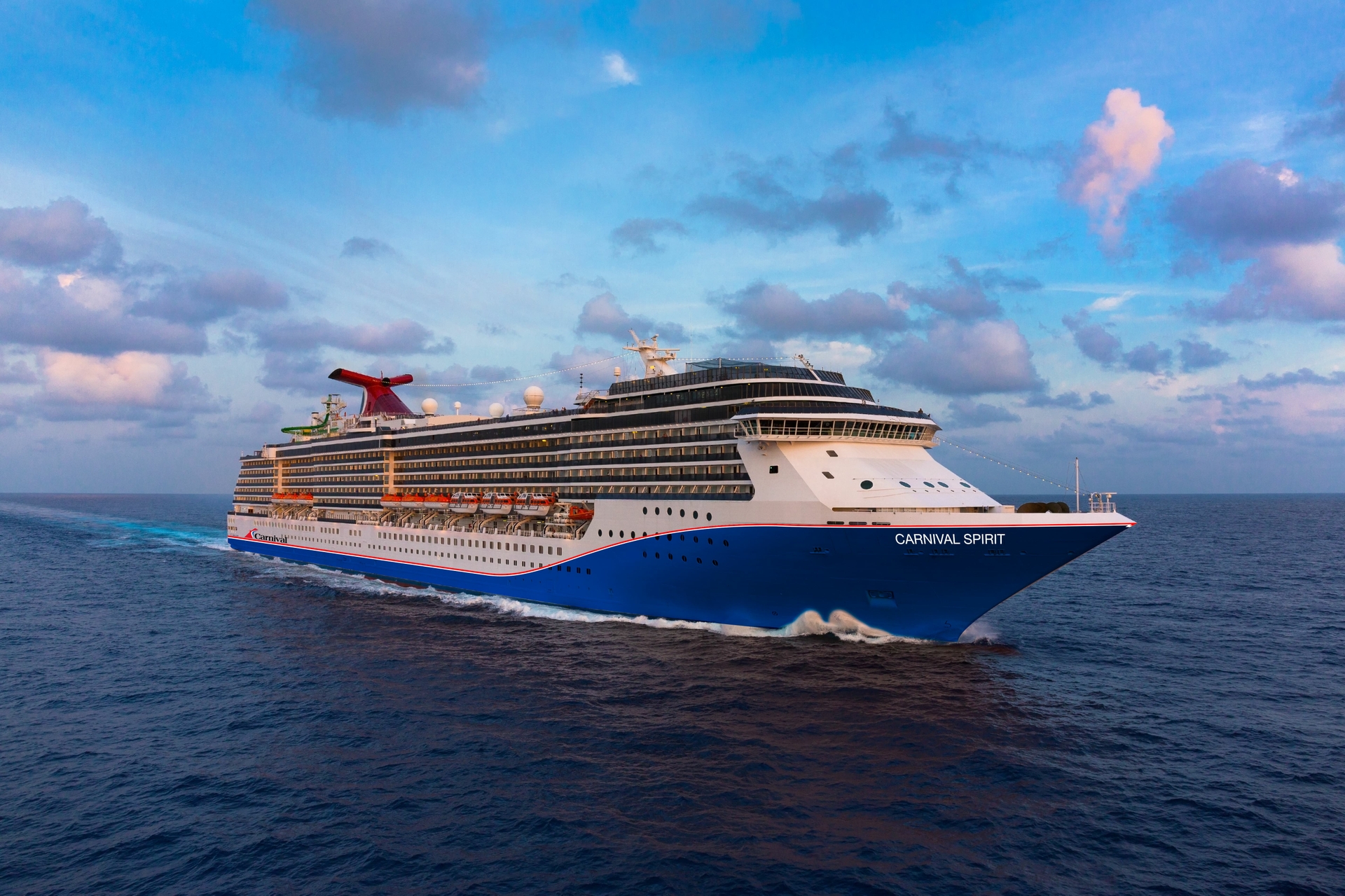 Photo: Carnival Cruise Line
What should travelers watch next?
The unsealing of court documents in this case may reveal critical details about Carnival's duty-of-care standards, crew training on incident response, and whether adequate supervision protocols were in place. Watch for how Carnival's lawyers argue the company's liability exposure; their legal strategy will signal whether they believe the evidence favors settlement or a fight to trial or arbitration.
Federal maritime law requires cruise lines to maintain reasonably safe vessels and exercise ordinary care for passenger safety. If evidence emerges that Carnival knew of a safety risk and did nothing, or that crew failed to follow established safety procedures, that strengthens a family's position significantly. However, the initial judge's decision to keep the defendant free pending trial doesn't necessarily predict the civil liability outcome—criminal and civil cases operate under different standards and different facts.
The timeline for any civil claim related to this incident is already ticking. The 185-day notice requirement for personal injury and death claims means families have until approximately six months after the incident to formally notify Carnival in writing. Missing that deadline kills the claim entirely.
Traveler Tip:
I always tell people: if something serious happens on a cruise, document everything obsessively—photos, names of crew members, witness contact info, timestamps, medical reports—and send a formal written notice to Carnival's legal department within 120 days, not 185. Don't rely on verbal reports to crew. Get copies of everything. Then immediately consult a maritime attorney who handles cruise cases, not a general personal-injury lawyer. The legal framework is completely different, and you need someone who knows arbitration clauses and federal maritime caps cold.
Sources:
📊 Have a cruise booked that might be affected by news like this? CruiseMutiny can run a full all-in cost breakdown for your specific sailing — and flag any disruptions tied to your dates or ship.
Last updated: May 28, 2026. This is a developing story — check back for updates.
Watch: Teen Accused of Cruise Murder Remains Free
Published
Video Transcript
A judge just ruled that a teenager accused of killing their stepsister aboard a Carnival cruise ship can stay with family while awaiting trial. No jail time. Anna Kepner died during a cruise, and court documents that just unsealed are raising serious questions about what actually happened onboard.
Here's what matters for cruise shoppers: This case is getting massive media attention. And rightfully so. A death on a cruise ship is rare, but it happens. And when it does, you need to know the cruise line's responsibility here.
Carnival isn't being accused of anything criminal. But the incident highlights something we don't talk about enough — security and oversight onboard. Cruise ships operate in this weird legal gray area. They're registered in foreign countries, which means U.S. law enforcement has limits on what they can do.
For you booking a cruise: This doesn't mean don't cruise. Statistically, your family is safe. But it does mean understand the reality. Cruise lines have security staff. They have protocols. But they're not police departments. If something happens on a ship, response times are different. Investigation procedures are different.
The unsealed documents show details about Anna's death that raise questions about how the incident was handled in those first critical hours. We don't know everything yet. The trial will reveal more.
What you should do: Check Carnival's safety record before you book. Ask about their security policies. Know that if something goes wrong onboard, your options are limited compared to being on land.
This case matters because it reminds us that cruises aren't consequence-free zones, even though cruise marketing sometimes makes them feel that way.
Full details and safety resources at travelmutiny.com — link in bio.