MSC Cruises used 9,800 metric tons of low-blend marine (LBM) and biofuels throughout 2025, demonstrating commitment to sustainable cruise operations. The cruise line is reducing its environmental footprint through alternative fuel adoption. This reflects the industry's shift toward cleaner maritime technology.
📰 Reported — from industry news sources
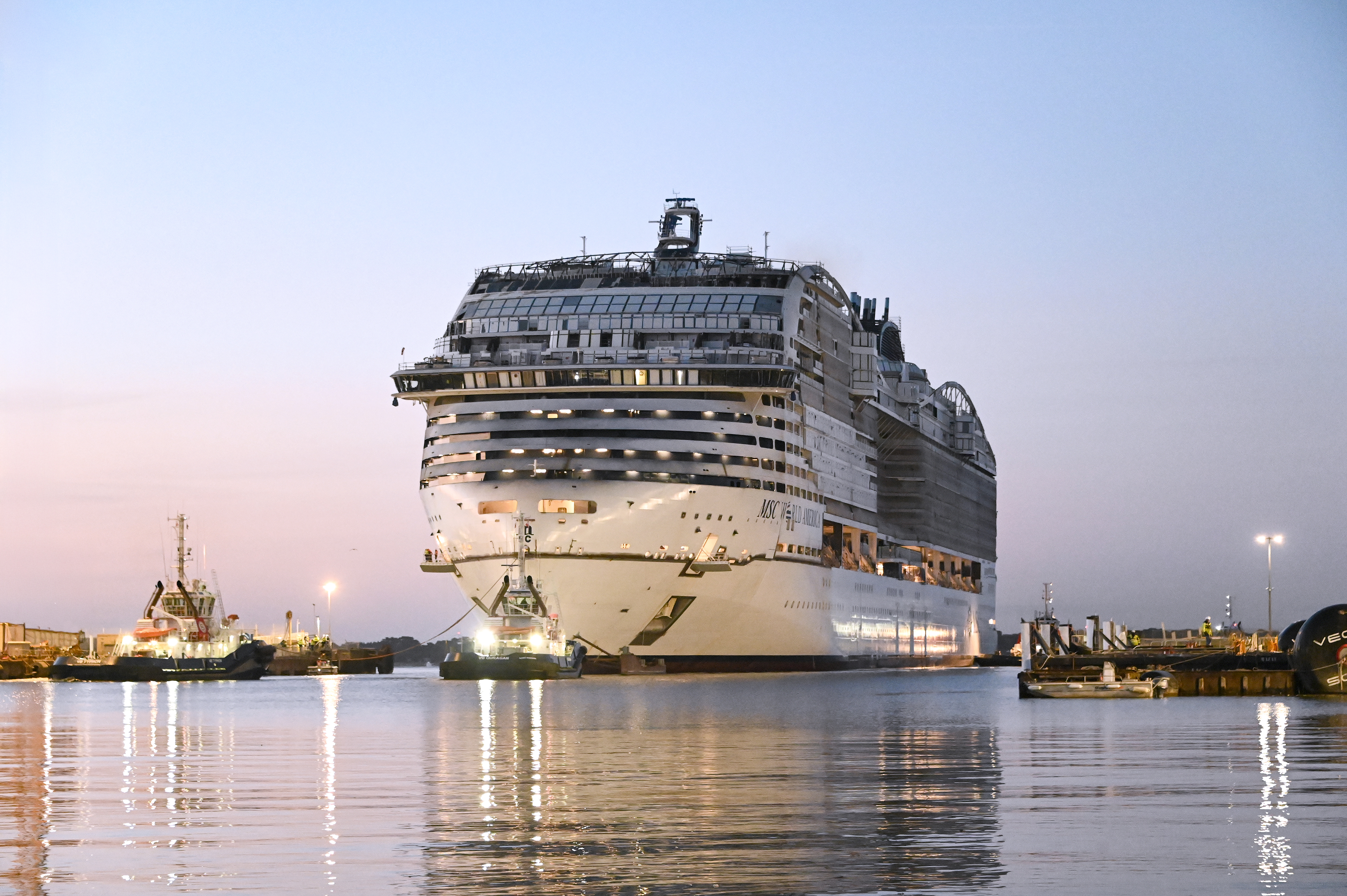 Photo: MSC Cruises
MSC Cruises Goes Green With 9,800 Tons of Biofuels
MSC Cruises announced it consumed 9,800 metric tons of low-blend marine and biofuels across its fleet during 2025, marking a measurable step toward reducing emissions in an industry that's finally starting to move on climate. For a cruise line carrying roughly 2 million passengers annually, this isn't theater—it's the kind of incremental progress that matters when the Port of Seattle has set a goal to phase out seaport-related emissions by 2050.
What happened, and who is affected?
MSC is adopting alternative fuels—specifically low-blend marine and biofuels—to lower the carbon footprint of its fleet operations. This affects anyone booking MSC sailings, particularly those who care about their environmental impact and may be comparing cruise lines on sustainability grounds. The cruise industry has long been criticized for emissions, so any tangible action is worth examining.
MSC's 9,800-ton biofuel consumption across a year-long period signals the line is investing in fuel infrastructure and supply agreements. This is harder than it sounds: alternative fuels cost more upfront, require retrofitted engines on some vessels, and depend on global supply chains that are still scaling. For passengers, it means MSC is betting it can absorb some of those costs without hiking onboard prices astronomically—at least not yet.
That said, one year of data doesn't tell you whether this is a long-term commitment or a one-off marketing moment. The cruise industry has a history of announcing green initiatives with fanfare, then quietly deprioritizing them when fuel prices drop. I'd want to see year-over-year progression and fleet-wide adoption targets before declaring victory.
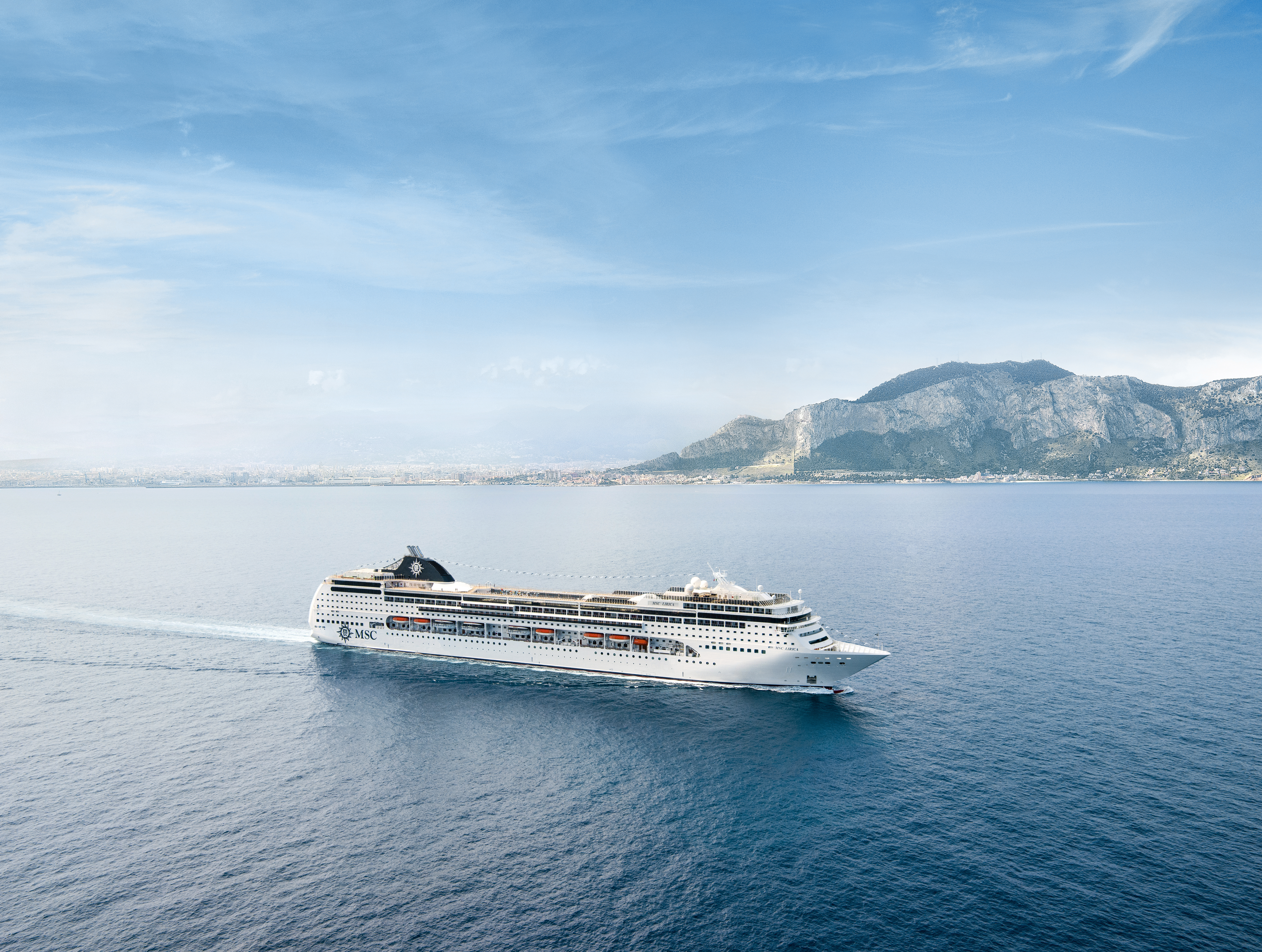 Photo: MSC Cruises
What does this actually mean for travelers' wallets?
Biofuel adoption typically costs cruise lines 20-40% more per gallon than conventional marine fuel, but MSC hasn't yet passed those costs to passengers as explicit line-item surcharges. Gratuities have risen—MSC raised standard daily gratuities to $17 on Caribbean and Alaska sailings effective May 11, 2026, up from $16—but that's driven by labor costs, not fuel. Whether sustainability investments eventually show up in pricing remains unclear.
For now, you won't see a separate "carbon offset charge" on your final bill. MSC is absorbing biofuel premiums into operational margins or spreading them across the entire fleet cost base. That's the smart business move: passengers often balk at transparency, so quietly bundling environmental costs into baseline pricing is industry standard.
Where this could affect your wallet: if MSC's commitment to biofuels grows, and fuel costs remain elevated, the line may justify future price increases partially on sustainability grounds. That doesn't mean you should avoid MSC—Royal Caribbean, Norwegian, and Carnival all have green initiatives too—but it means any cruise line's environmental spending is ultimately a financial decision, not a moral one.
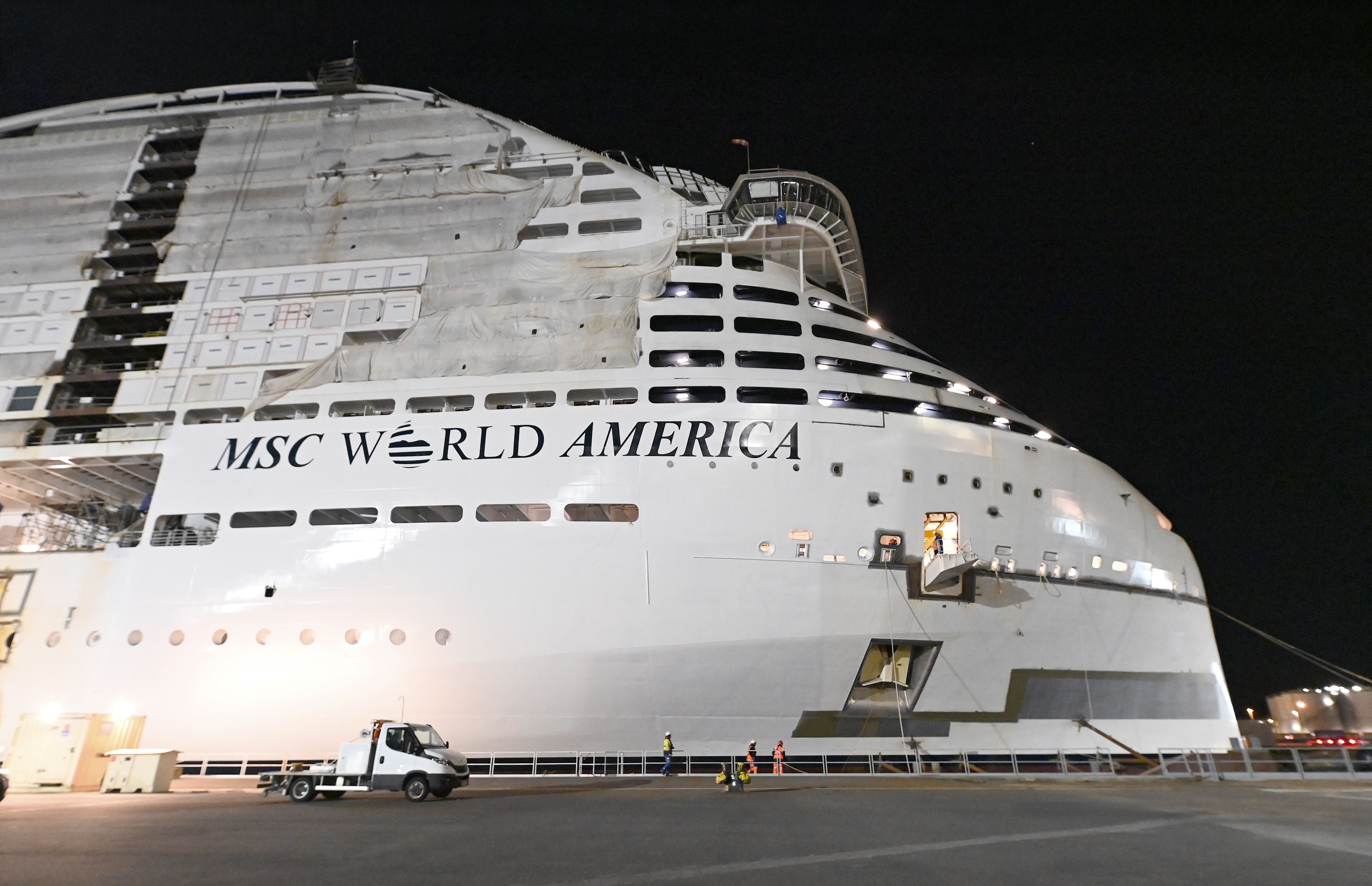 Photo: MSC Cruises
What should travelers watch next?
The real test is whether MSC discloses annual biofuel consumption targets, fleet-wide adoption percentages, and whether tonnage increases year-over-year. A one-year snapshot of 9,800 metric tons means nothing without context: is that 1% of total fuel consumption, or 10%? Is MSC aiming for 15% by 2030, or is this a token gesture?
Ask MSC directly during booking or onboard what percentage of fuel their ships are currently using. Request it in writing if you're a sustainability-conscious traveler; it pushes the line to track and report the metric. Compare MSC's disclosure against Royal Caribbean's biofuel roadmap and Carnival's shore power goals—the Port of Seattle documents that data publicly.
Also watch for supply-chain announcements. Sustainable marine fuel is expensive partly because production is limited. If MSC signs long-term contracts with fuel suppliers, that's a sign the investment is real. If you hear nothing for 12 months, it probably was theater.
Traveler Tip:
When I'm evaluating a cruise line on environmental claims, I always ask one question: are they reporting actual fuel consumption percentages to third parties, or just announcing nice numbers without context? MSC's 9,800 tons sounds good until you ask "out of how many total tons?" Demand the denominator. Email [email protected] and ask for their annual fuel-use breakdown. If they won't send it, that tells you everything about how serious they are.
Sources:
📊 Have a cruise booked that might be affected by news like this? CruiseMutiny can run a full all-in cost breakdown for your specific sailing — and flag any disruptions tied to your dates or ship.
Last updated: June 1, 2026. This is a developing story — check back for updates.