MSC Euribia completed a historic transit through the Suez Canal, marking a significant repositioning voyage. The ship is now heading to launch its Norwegian Fjords cruise season this summer. This represents a major deployment shift for the large cruise vessel.
📰 Reported — from industry news sources
 Photo: Carnival Cruise Line
What Happened
MSC Euribia just completed a major repositioning voyage through the Suez Canal, heading north to kick off Norwegian Fjords sailings this summer. This is a significant deployment shift for a ship this size — the Euribia is one of MSC's newer, larger vessels, and moving it from wherever it was (likely Mediterranean or Middle East routes) to Northern Europe signals MSC is betting big on fjord demand. The transit itself is notable because these mega-ships don't make the Suez crossing lightly; it's expensive, logistically complex, and usually means a complete seasonal redeployment.
 Photo: MSC Cruises
What This Actually Means For Your Wallet
If you booked MSC Euribia expecting Mediterranean sailings this summer, you're likely looking at a significant itinerary change or outright cancellation. Here's the financial reality: MSC's standard policy allows them to substitute ports or redeploy ships with minimal compensation to passengers. If your cruise was canceled outright due to this repositioning, you'd typically receive a full refund of your cruise fare plus a future cruise credit (FCC) ranging from 10-25% of what you paid. That sounds decent until you factor in non-refundable airfare — if you booked flights to Barcelona or Athens expecting a Med cruise and the ship's now in Norway, you're eating $400-$800 per person in change fees or lost tickets, depending on your fare class.
For passengers who specifically booked Euribia's inaugural Norwegian season, this is actually good news — the ship is arriving as scheduled. But scrutinize your exact itinerary. Ships transitioning from warmer climates to fjord duty sometimes arrive late or skip the first port due to canal delays, weather windows, or mandatory drydock stops. MSC's contract of carriage generally allows them to modify itineraries for "operational or safety reasons" without additional compensation beyond pro-rated refunds for missed ports. That's industry-standard language, but it means if your 7-day fjord cruise becomes a 6-day cruise because Euribia arrives a day late, you're entitled to roughly 1/7th of your base fare back — maybe $150-$200 per person, not the $500+ you might think is fair.
Travel insurance is a mixed bag here. Standard trip-cancellation policies only cover named perils: illness, injury, death, jury duty, job loss. "The cruise line moved my ship to a different continent" is not a named peril. You'd need Cancel-for-Any-Reason (CFAR) coverage, which costs 40-50% more than standard policies and only reimburses 50-75% of prepaid, non-refundable costs. Even then, CFAR policies require you to cancel 48+ hours before departure — if MSC notifies you of the change within that window, you're out of luck. And here's the kicker most people miss: CFAR doesn't cover airfare booked separately from the cruise unless you bought a comprehensive policy that includes it. Read your certificate of insurance, not the marketing brochure.
Your action item today: If you're booked on MSC Euribia for any sailing in the next 90 days, log into your MSC account right now and verify your exact itinerary and embarkation port. Don't rely on your original confirmation email — cruise lines update itineraries in their system but don't always proactively notify passengers. Check the "My Cruises" section for any notices about itinerary changes, and if you see modifications you didn't agree to, call MSC (not email — phone calls create a service record) and ask for a detailed explanation plus your options: cancel for full refund, accept an FCC, or move to a comparable sailing. Document the call with names and timestamps.
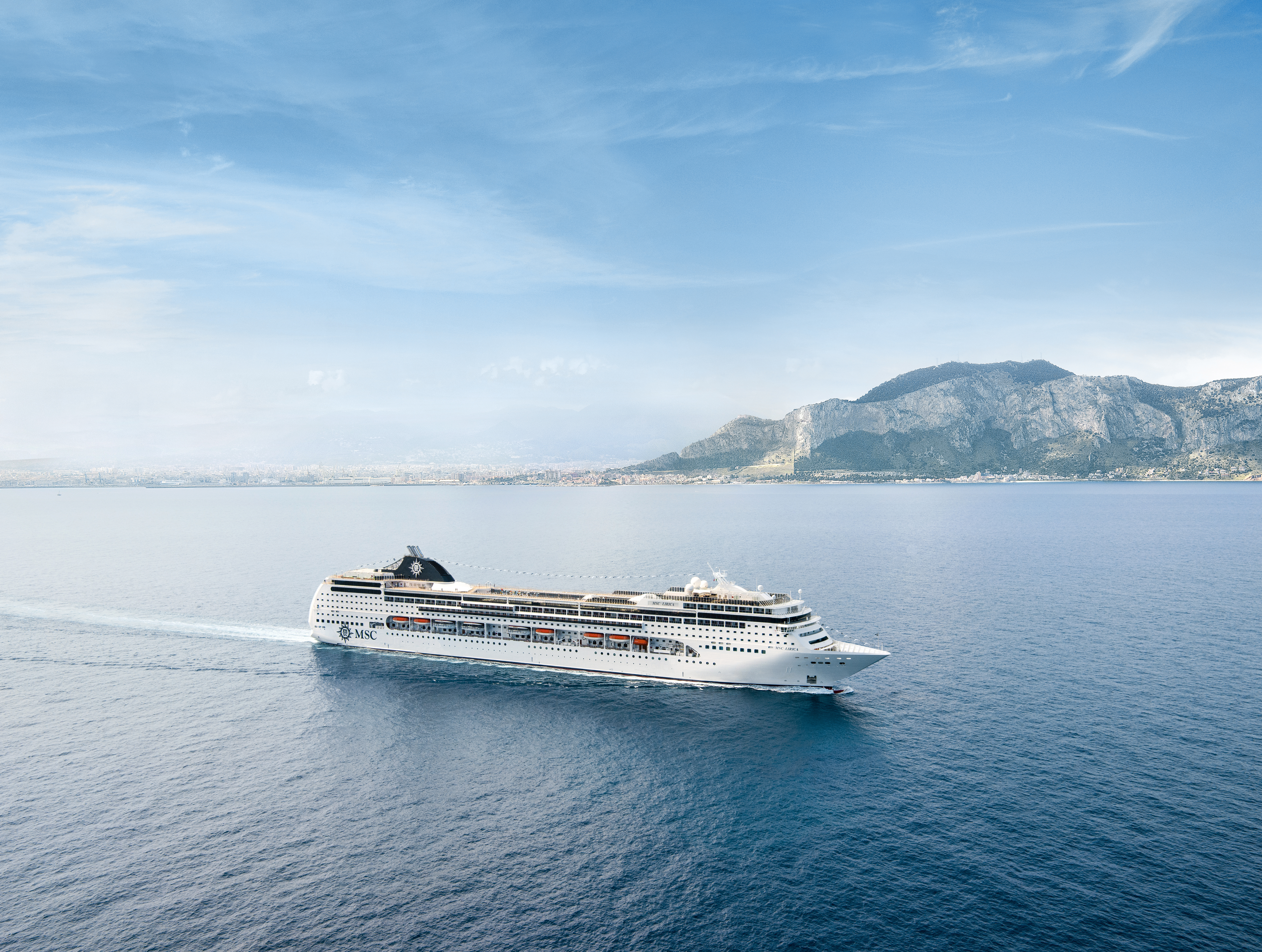 Photo: MSC Cruises
The Bigger Picture
MSC is making an aggressive play for the Northern Europe market, historically dominated by lines like Hurtigruten, P&O, and Viking. Deploying a 4,900-passenger mega-ship to the fjords is a volume bet — they're banking on demand for affordable, mass-market fjord cruising at a scale smaller expedition operators can't match. This also signals MSC's confidence in Suez Canal stability after years of Houthi disruption concerns in the Red Sea; they wouldn't risk this transit if they thought the route was unreliable. Expect more Mediterranean ships to shift north as European cruise demand fragments between traditional Med ports and emerging Northern itineraries.
What To Watch Next
- MSC's summer 2026 Norwegian deployment specifics — watch for how many Med ships they pull north and whether this becomes a permanent summer pattern or a one-year test.
- Fjord port capacity reports from Geiranger, Flåm, and Bergen — these ports have strict daily ship limits; if MSC adds mega-ship capacity, someone else is getting bumped or anchorages will get crowded.
- Pricing on repositioning cruises — if Euribia's canal crossing was a one-way revenue voyage (passengers onboard during the transit), those Panama/Suez repositioning deals are often 40-60% cheaper than regular sailings and worth grabbing if your schedule is flexible.
📊 Have a cruise booked that might be affected by news like this? CruiseMutiny can run a full all-in cost breakdown for your specific sailing — and flag any disruptions tied to your dates or ship.
Last updated: May 2, 2026. This is a developing story — check back for updates.