Two major cruise stories emerged: a man went overboard on a Norwegian cruise ship, and Carnival Corporation is responding to claims of a significant data breach. The data breach potentially affects passenger information across Carnival's cruise line brands.
📰 Reported — from industry news sources
 Photo: Carnival Cruise Line
What Happened
A crew member went overboard from a Norwegian cruise ship, while separately Carnival Corporation is dealing with allegations of a major data breach that could have exposed passenger information across its portfolio of brands. The data breach claims suggest personal and booking details may have been compromised for cruisers who sailed on Carnival, Princess, Holland America, and other lines under the Carnival umbrella.
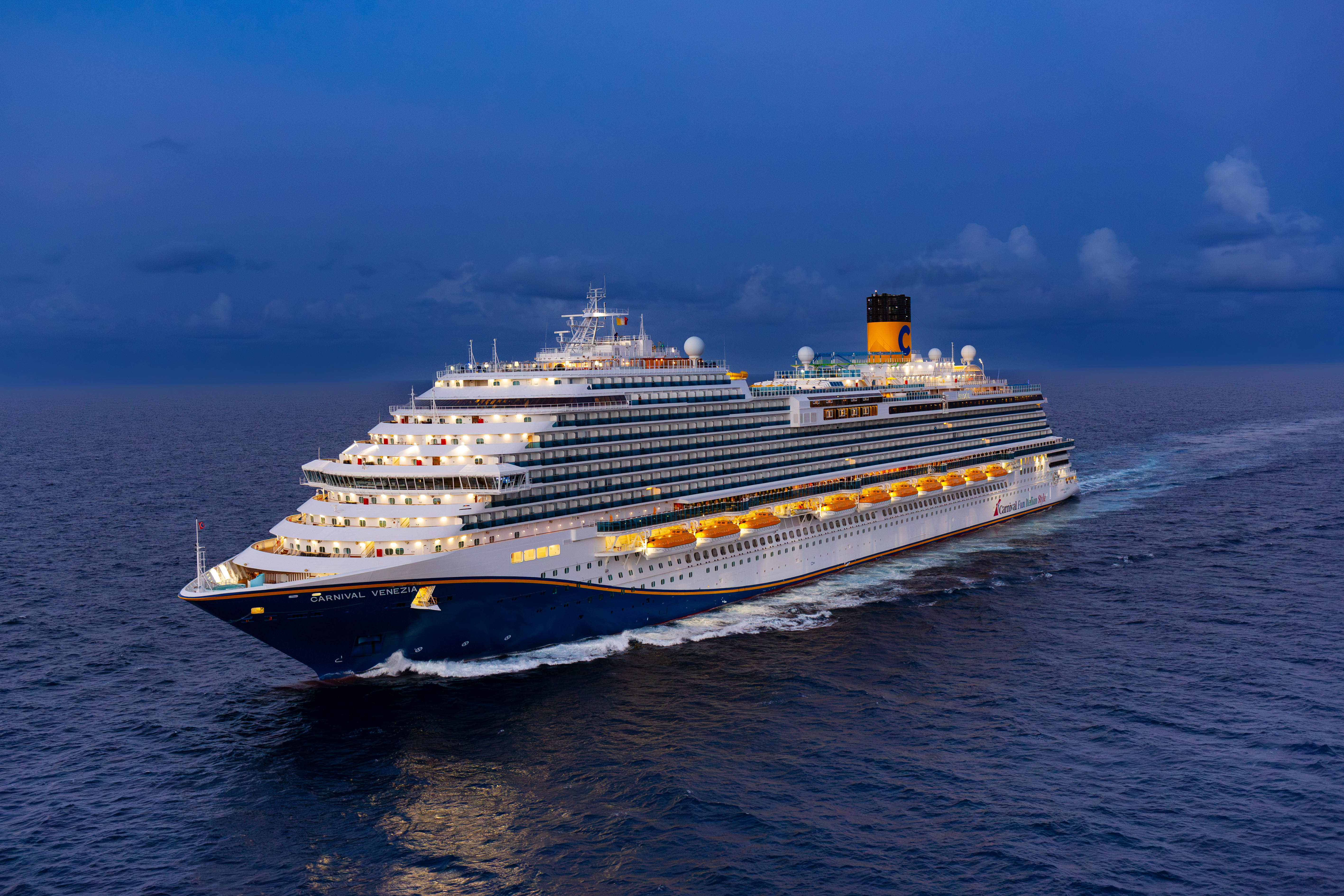 Photo: Travel Mutiny
What This Actually Means For Your Wallet
If you're caught up in the Carnival data breach, the immediate financial impact isn't a canceled cruise or lost vacation days—it's the slow-burn cost of identity monitoring and potential fraud cleanup that nobody warns you about when you book.
Here's the real math: If your credit card details, passport number, or booking information got exposed, you're looking at $15-30/month for credit monitoring services (figure $180-360 annually). Most cruise lines will offer 12-24 months of "complimentary" monitoring after a breach, but read the fine print—these services often auto-renew at full price if you don't cancel. The bigger risk is someone using your passport data or loyalty account to book fraudulent cruises or access your onboard account on future sailings. I've seen cases where hackers racked up $2,000+ in onboard charges before passengers even boarded.
Carnival's passenger ticket contract—the legal fine print you agreed to when you booked—generally limits their liability for data breaches to the absolute minimum required by law. Section 15 of most Carnival brand contracts caps damages at the price you paid for your cruise fare, and specifically excludes consequential damages like identity theft costs. Translation: if someone drains your bank account using info from this breach, Carnival's lawyers will argue that's not their problem.
Your standard travel insurance policy does exactly nothing here. Trip cancellation, trip interruption, medical coverage—none of that applies to data breaches. Cancel-for-Any-Reason policies won't help either since you're not canceling a trip. What might help is your credit card's purchase protection or identity theft coverage if you booked with a premium card. Cards like Chase Sapphire Reserve and American Express Platinum include identity theft insurance up to $1 million, but you need to file a police report and document everything.
The one thing you should do today: Log into your Carnival account (or whichever brand you sailed with) and change your password immediately. Then enable two-factor authentication if available. Pull your last three months of credit card statements and flag any charges you don't recognize. If your passport number was in your booking profile, file a report with the State Department's passport fraud hotline at 1-877-487-2778—this creates a paper trail if someone tries to use your passport data.
The crew-overboard incident on Norwegian is a separate animal financially. If you were on that sailing, Norwegian's policy typically provides no compensation for incidents that don't affect ship operations. Your cruise continues, you get no refund, and unless the ship diverted for search-and-rescue (burning half a day of your vacation), you won't see a dime in future cruise credits. That's standard across the industry—crew emergencies aren't considered "missed port" situations even if they delay departure or activities.
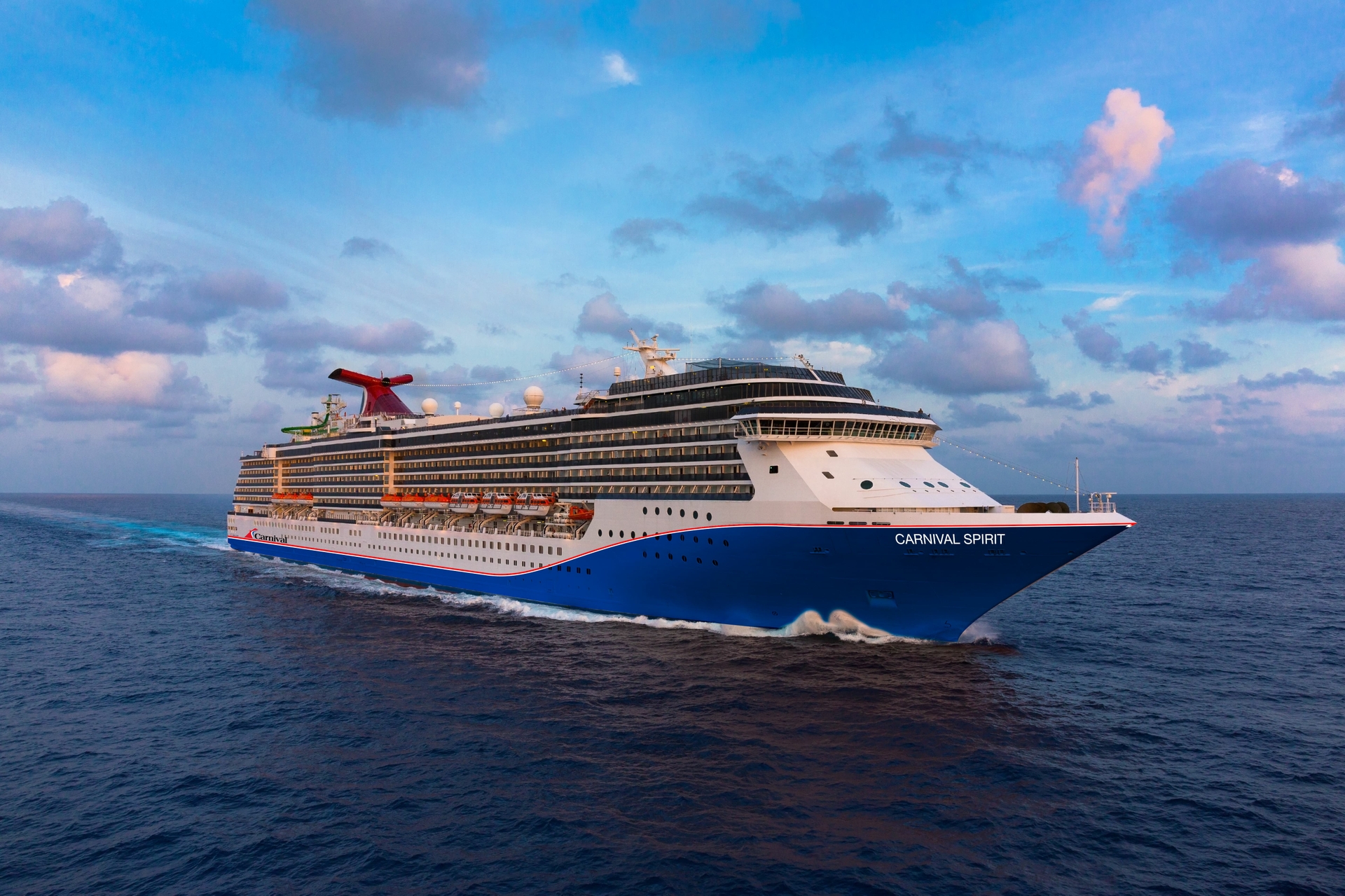 Photo: Carnival Cruise Line
The Bigger Picture
Carnival Corporation operates nine cruise brands serving roughly 13 million passengers annually, which makes them the juiciest target in the industry for hackers. This isn't their first rodeo—they disclosed a ransomware attack back in 2020 that accessed customer data. The fact that we're hearing about another potential breach in 2026 suggests their cybersecurity infrastructure still hasn't caught up to the scale of personal data they're collecting through facial recognition boarding, wearable devices, and app-based everything.
What To Watch Next
- Class-action lawsuit filings — typically appear within 30-45 days of breach disclosure and can result in settlement credits of $25-300 per affected passenger
- State attorney general investigations — California and New York AGs have been aggressive on cruise line data practices; watch for consent decrees requiring better security
- Carnival's official breach notification letters — if you get one in the mail, it triggers the clock on your legal options and tells you exactly what data was exposed
📊 Have a cruise booked that might be affected by news like this? CruiseMutiny can run a full all-in cost breakdown for your specific sailing — and flag any disruptions tied to your dates or ship.
Last updated: April 28, 2026. This is a developing story — check back for updates.