Norwegian Cruise Line has cancelled a 2027 sailing on Norwegian Joy because the entire ship has been booked for a private charter. Affected guests have been offered multiple compensation options. This rare move highlights the growing demand for full-ship charters in the cruise industry.
📰 Reported — from industry news sources
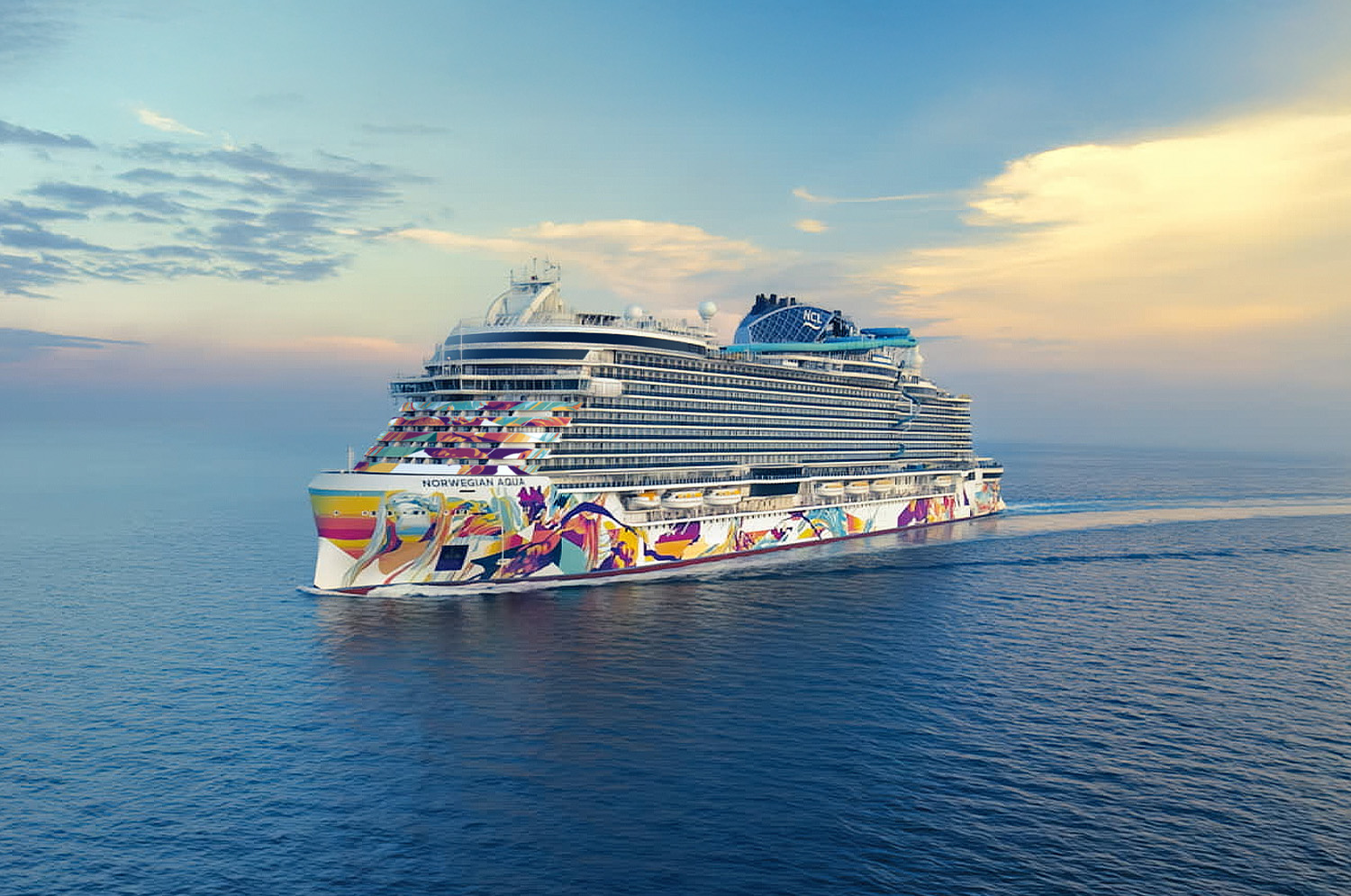 Photo: Royal Caribbean International
What Happened
Norwegian Cruise Line pulled the plug on a 2027 Norwegian Joy sailing after a private group chartered the entire ship. Guests who'd already booked that voyage are being rerouted with compensation packages, but the fact remains: your confirmed cruise just evaporated because someone wrote a bigger check. Full-ship charters used to be rare enough that most cruisers never worried about them—now they're common enough that NCL is bumping paying customers.
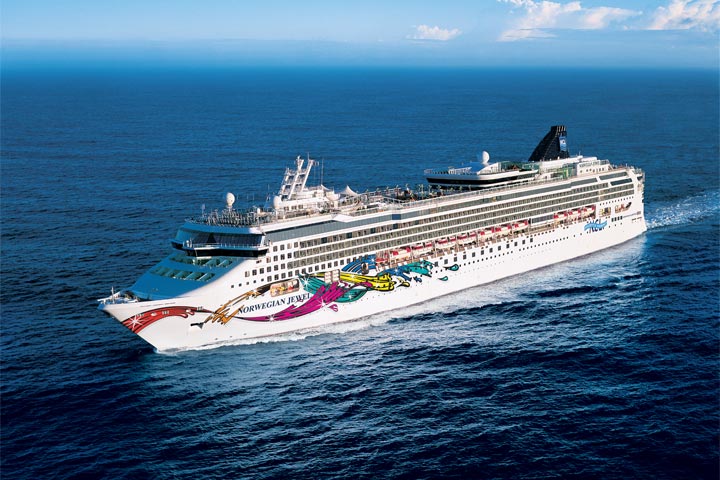 Photo: Carnival Cruise Line
What This Actually Means For Your Wallet
Let's start with the obvious: if you booked this sailing, you're looking at real money on the table beyond just your cruise fare. Most passengers book 12-18 months out for a 2027 cruise, which means you've likely locked in airfare (potentially non-refundable), pre-paid shore excursions through NCL or third parties, maybe a pre-cruise hotel, and possibly took time off work that's now useless for the dates you blocked.
The actual dollars at risk:
- Airfare: $400-900 per person if you booked basic economy (change fees alone run $200-300 per ticket on most domestic carriers, plus fare difference)
- Shore excursions: $100-400 per person depending on ports
- Hotels: $150-350 for a one-night pre-cruise stay
- Travel insurance premium: $150-400 per couple (which you've now paid for a trip that's not happening as planned)
Norwegian's "multiple compensation options" language is deliberately vague, but here's what their standard practice typically includes: a full refund of what you paid NCL, a future cruise credit (FCC) with a modest bonus (historically 10-25% extra), or rebooking on a comparable sailing. The problem? "Comparable" is in the eye of the cruise line, not you. If you booked a specific itinerary because you wanted those ports, NCL's contract of carriage gives them wide latitude to substitute. The passenger ticket contract generally allows the cruise line to cancel sailings and substitute ships or itineraries with refund as your primary remedy—you're not typically entitled to consequential damages like your airfare or hotels.
What travel insurance covers here: Standard trip cancellation insurance won't help you. Cruise line cancellations are explicitly excluded from most policies because you're getting your cruise fare refunded. The policy protects you when you need to cancel for a covered reason (illness, jury duty, etc.), not when the cruise line pulls the rug out. Cancel-for-Any-Reason (CFAR) insurance—which costs about 40-50% more than standard coverage—won't help either because, again, you're not the one canceling. You'd need "supplier default" coverage, but that only kicks in if NCL goes bankrupt, not if they simply reassign your ship. Your homeowners or credit card trip cancellation benefits face the same limitation.
The one insurance win: if you booked airfare separately and need to cancel it entirely (because no alternate NCL sailing works), and you purchased your airfare with a premium credit card, some cards offer trip cancellation that will reimburse airfare when the underlying trip is cancelled by the supplier. Chase Sapphire Reserve and similar premium cards sometimes cover this—read your benefits guide carefully.
What you should do today: Pull your booking confirmation and note your exact booking date and deposit amount. Then contact NCL (or your travel agent if you booked through one) and ask for three specific things in writing: (1) the full list of compensation options with exact FCC bonus percentages, (2) the deadline to decide, and (3) whether they'll provide any assistance rebooking flights. If you booked airfare as part of an NCL package, confirm whether that's being refunded or if you're stuck with a flight to nowhere. Don't accept the first offer reflexively—if enough passengers push back, NCL sometimes sweetens the FCC bonus to avoid bad PR.
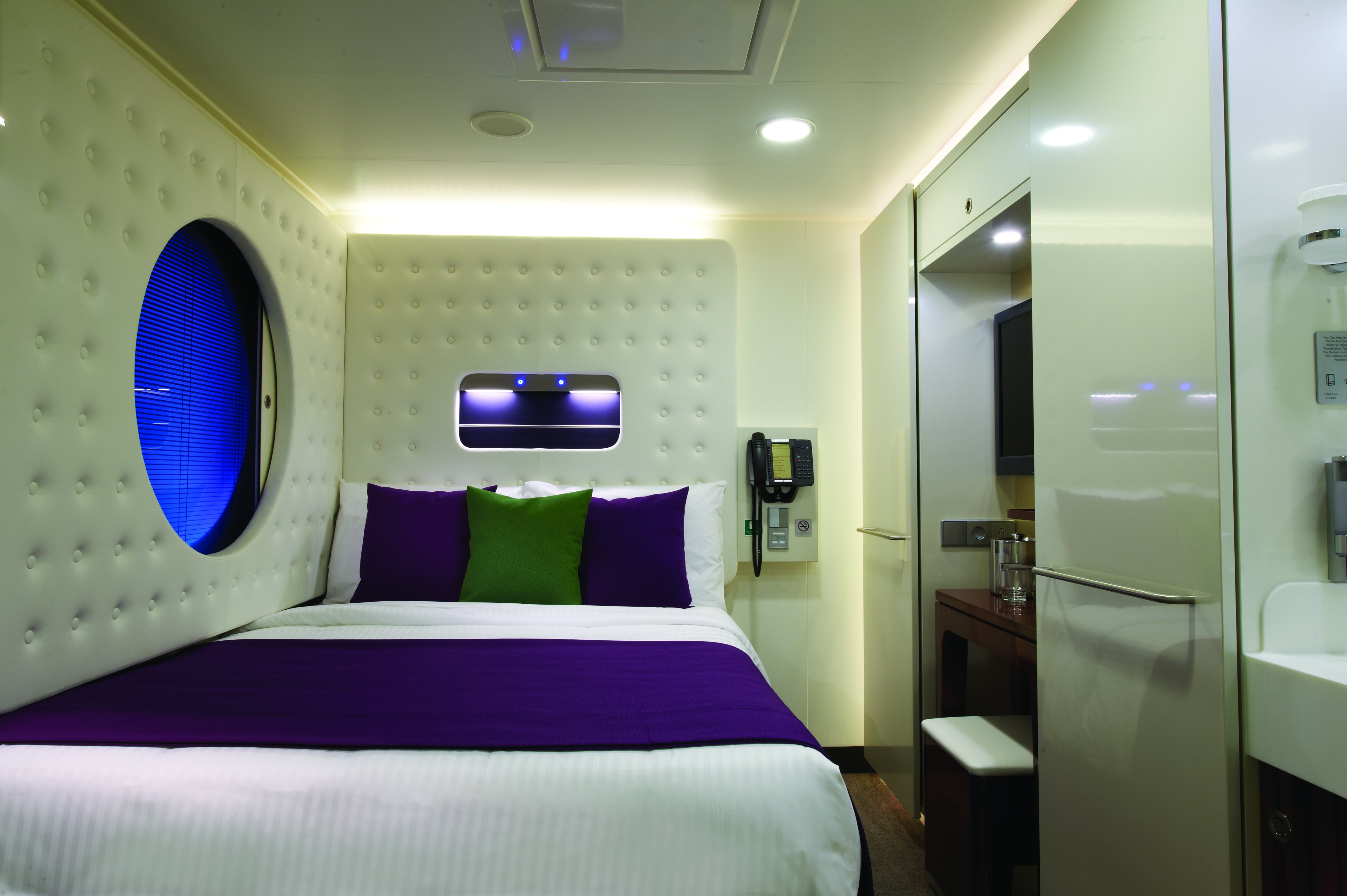 Photo: Norwegian Cruise Line
The Bigger Picture
Full-ship charters are where the real money is for cruise lines—one contract, no marketing cost, guaranteed 100% occupancy, and often higher per-passenger revenue than retail bookings. Norwegian, Royal Caribbean, and Carnival have all been aggressively courting corporate groups, incentive travel companies, and large affinity groups since 2024. The calculus is simple: a confirmed $15-25 million charter beats the uncertainty of filling 2,000 cabins one booking at a time. Expect this to happen more often, especially on older ships during shoulder seasons.
What To Watch Next
- Whether NCL offers proactive compensation to Haven suite guests who were bumped—those passengers paid $8,000-15,000 per person and typically get white-glove treatment.
- The actual FCC bonus percentage—if it's under 25%, that's weaker than what Royal Caribbean offered when they cancelled Odyssey of the Seas sailings for charters in 2025.
- Any pattern of specific ships or seasons—if NCL starts pulling this on Alaska summer sailings or Caribbean holiday weeks, that's a customer-hostile move worth avoiding the line over.
📊 Have a cruise booked that might be affected by news like this? CruiseMutiny can run a full all-in cost breakdown for your specific sailing — and flag any disruptions tied to your dates or ship.
Last updated: May 7, 2026. This is a developing story — check back for updates.