Norwegian Cruise Line confirmed a passenger fell overboard from a ship traveling from Portugal to Miami. The cruise line acknowledged the incident involving the missing passenger. Search and rescue operations were conducted in response to the overboard emergency.
📰 Reported — from industry news sources
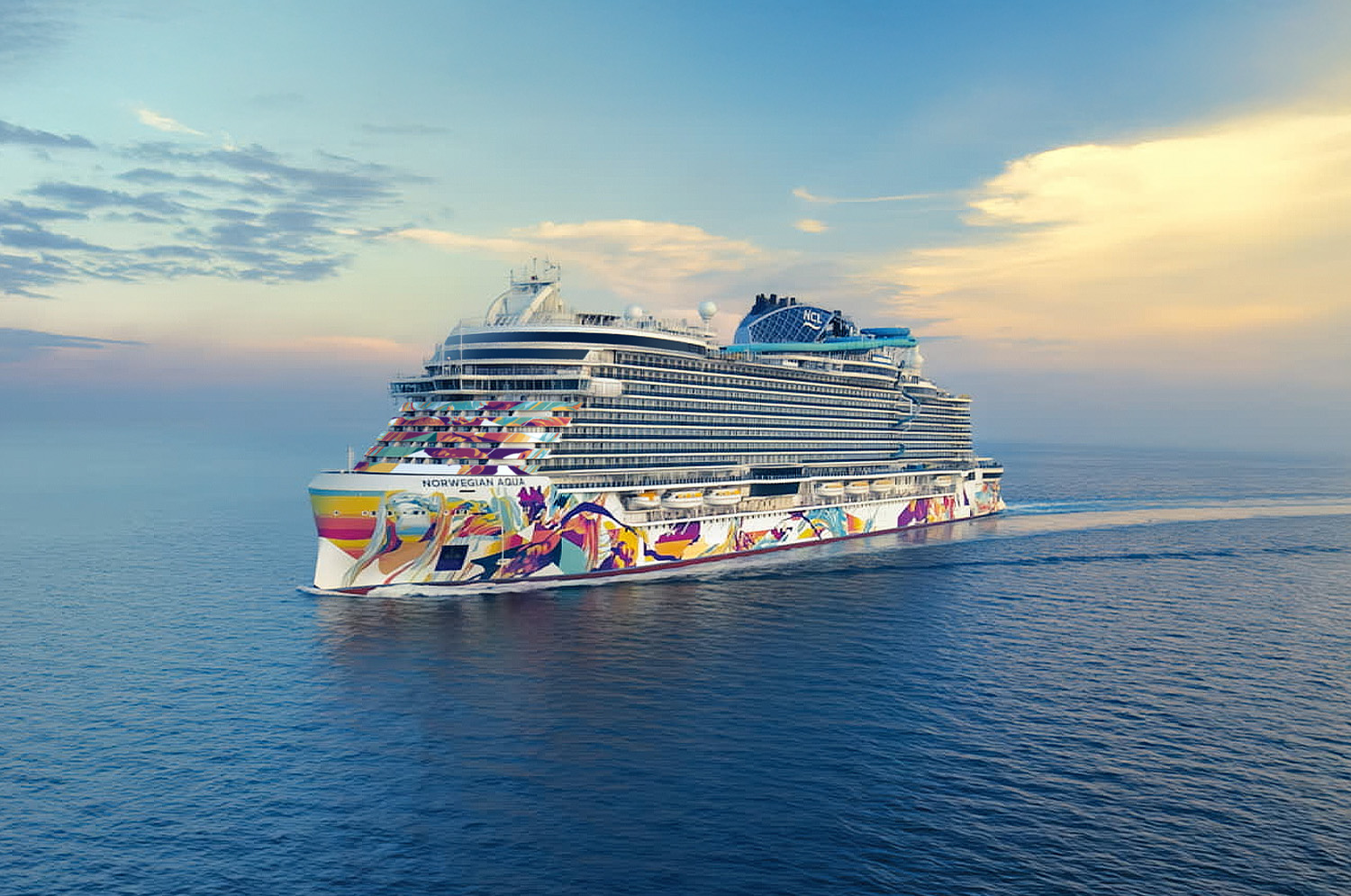 Photo: Royal Caribbean International
What Happened
A passenger went overboard from a Norwegian Cruise Line ship during a transatlantic crossing from Portugal to Miami. The cruise line has confirmed the incident and acknowledged the missing passenger. Search and rescue operations were launched, though Norwegian has not disclosed whether the passenger was recovered or the outcome of those efforts.
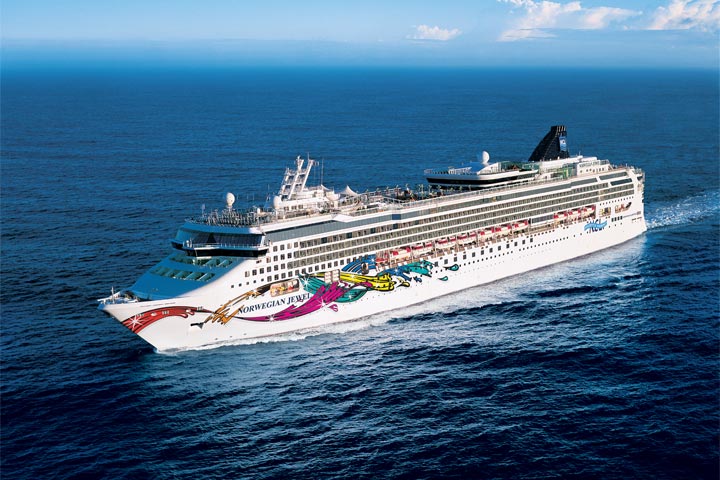 Photo: Carnival Cruise Line
What This Actually Means For Your Wallet
If you're a passenger on this sailing, here's the financial reality: you're almost certainly not getting a refund for the disrupted voyage, and you shouldn't expect one.
Norwegian's passenger ticket contract—the legal agreement you clicked through when you booked—gives the cruise line wide latitude to alter itineraries, delay sailings, and respond to emergencies without owing you a dime. Man-overboard situations fall squarely into the "maritime emergency" bucket that triggers the force majeure and safety exception clauses. The ship likely had to reverse course, conduct search patterns, and coordinate with coast guard authorities. That burns hours or even a full day, but it doesn't create a contractual obligation to compensate you.
If the ship arrives in Miami late and you miss a flight, that's on you unless you booked air through Norwegian's flight program. If you self-booked, you're eating the change fee or buying a new ticket. Figure $150–$400 for a domestic rebooking, more if it's international. If you had a tight connection and booked the last day arrival into a same-day flight, you ignored the cardinal rule: always fly out the day after disembarkation.
Standard travel insurance won't cover this. Trip interruption policies reimburse you for unused portions of a cruise when you can't continue due to a covered reason—illness, injury, death of a family member, jury duty. A man-overboard incident that delays the ship but doesn't prevent you personally from cruising isn't a named peril. Cancel-for-Any-Reason (CFAR) insurance is irrelevant here because you're already on the ship; CFAR only applies before departure and typically reimburses 50–75% of prepaid, non-refundable costs if you cancel 48+ hours before sailing.
What you might get: a token onboard credit or a future cruise credit as a goodwill gesture if the delay was substantial (12+ hours into port). Norwegian has done this in the past for significant itinerary disruptions, but it's discretionary, not guaranteed. If the ship missed a port call entirely because of the search operation, you have a marginally stronger case for compensation, but even then, the contract language protects the line.
Your action item today: Pull up your booking confirmation email and find the passenger ticket contract link (usually buried in fine print or under "Terms & Conditions"). Read Section 3 (Passage and Accommodation), Section 10 (Limitations of Liability), and any clauses referencing "events beyond the carrier's control." Screenshot the relevant sections. If the ship does arrive late or miss a port, you'll want that language handy when you call Norwegian's customer service to advocate for a goodwill gesture. Don't threaten, don't demand—just calmly reference the disruption, acknowledge the difficult circumstances, and ask what they can offer. Squeaky wheel gets the grease, but only if you're polite and informed.
 Photo: Norwegian Cruise Line
The Bigger Picture
Man-overboard incidents happen more often than cruise lines advertise—roughly 20–25 per year across the industry, according to maritime tracking. Most are suicides, some are accidents (usually alcohol-related), and a handful remain unexplained. Norwegian's safety protocols appear to have functioned as designed here: the incident was detected, the ship responded, and authorities were notified. What this doesn't change is the cruise industry's continued reluctance to install more comprehensive overboard detection technology fleetwide, despite it being available and proven effective on some vessels.
What To Watch Next
- Whether Norwegian discloses the outcome of the search and rescue operation—cruise lines are not legally required to provide details, but media pressure sometimes forces a statement.
- If passengers on this sailing report receiving any onboard credit or compensation—watch Cruise Critic forums and Facebook groups for firsthand accounts in the next 48–72 hours.
- How much the Miami arrival was actually delayed—if it's 6+ hours late, that's when you'll see the most complaints and the strongest case for goodwill gestures from the line.
📊 Have a cruise booked that might be affected by news like this? CruiseMutiny can run a full all-in cost breakdown for your specific sailing — and flag any disruptions tied to your dates or ship.
Last updated: April 30, 2026. This is a developing story — check back for updates.