Health authorities are urgently tracking down cruise passengers who disembarked before the hantavirus outbreak was discovered. The effort involves international coordination to locate and monitor potentially exposed individuals who may have already dispersed to multiple countries.
📰 Reported — from industry news sources
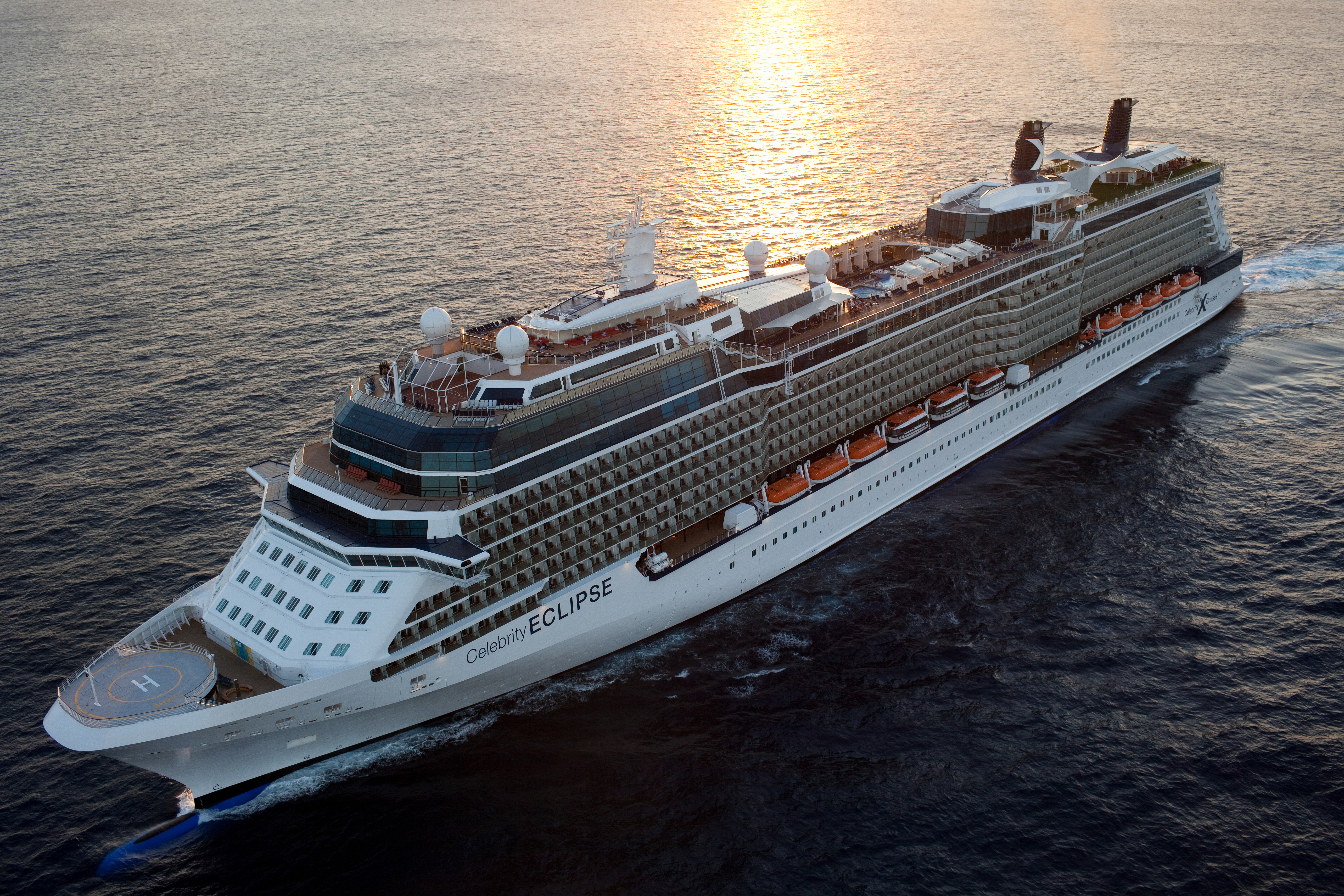 Photo: Celebrity Cruises
What Happened
Health officials across multiple countries are scrambling to locate cruise passengers who got off the ship before anyone knew there was a hantavirus problem onboard. These folks are already home—or worse, scattered across different countries—and authorities need to find them fast to check if they were exposed. It's a contact-tracing nightmare with a cruise-specific twist: your fellow passengers aren't just down the street, they're potentially on three different continents.
 Photo: Celebrity Cruises
What This Actually Means For Your Wallet
Let's cut through the panic and talk about what you're actually facing if you were on this sailing or booked on an upcoming one.
If you already disembarked: You're likely not getting a dime back automatically. You completed the cruise. Even if health authorities now want you to quarantine or get tested, the cruise line fulfilled their end—they got you from Point A to Point B. Your booking contract almost certainly has language about "health emergencies beyond the carrier's control," and hantavirus exposure that wasn't known during your sailing falls squarely in that category. You might be out $200-400 on your own dime for medical monitoring, testing, or—if you're unlucky—actual treatment if you develop symptoms. Most U.S. health insurance covers hantavirus treatment, but if you're international, check your policy's infectious disease provisions carefully.
If you're booked on a future sailing: This is where it gets expensive. If the ship is pulled from service for deep cleaning (which happens with serious outbreaks), you're looking at a last-minute cancellation. The cruise line will typically offer you a future cruise credit—not cash—equal to what you paid. That sounds fine until you remember you're also out non-refundable airfare ($400-900 per person), pre-paid hotel nights ($150-300 per night), and any shore excursions you booked independently ($100-500 depending on the port). The line's contract of carriage generally states they're not liable for consequential damages—that's cruise-speak for "we're not paying for your flights."
What travel insurance actually does here: Standard trip-cancellation policies cover "outbreak of infectious disease" only if it's a named peril and the destination is under official travel warning. Hantavirus on a single ship? Probably not covered unless the CDC issues a no-sail directive specifically naming your vessel. Cancel-for-Any-Reason (CFAR) insurance—which costs 40-50% more than standard policies and must be purchased within 10-21 days of your initial deposit—would get you 50-75% of your prepaid, non-refundable costs back. That's the difference between eating a $3,000 loss and recovering $1,500-2,250 of it.
The real kicker: most travel insurance policies exclude "fear of travel" and require an actual government mandate or physician's order to trigger coverage. If you're just spooked because you heard about the outbreak but the ship is still sailing, you're canceling voluntarily—and you're on the hook for the standard cancellation penalties, which run 50-100% of your fare depending on how close to sailing you are.
What you should do right now: Pull up your cruise contract (it's in your booking confirmation email, usually a PDF labeled "Passage Ticket Contract"). Find the section on "Health and Medical Emergencies"—typically Section 5 or 6. Screenshot the cancellation-by-carrier and refund provisions. If the line cancels your sailing, you want documentation in hand to push for cash refunds instead of future cruise credits, especially if this is a once-in-a-lifetime trip you can't easily reschedule. Email screenshots to yourself with today's date so you have a paper trail if policies mysteriously "update" in the next few days.
 Photo: Celebrity Cruises
The Bigger Picture
This is a stress test of the cruise industry's contact-tracing infrastructure post-COVID, and it's revealing some cracks. Lines got very good at tracking passengers onboard, but the minute you walk down that gangway, you vanish into the travel ether. The international coordination piece is what should worry you: if a U.S.-based line is relying on, say, Australian health authorities to locate passengers in Sydney, you're looking at days of bureaucratic lag time. The cruise lines have spent three years telling us their health protocols are bulletproof—this is the moment we find out if that's marketing or reality.
What To Watch Next
- CDC vessel sanitation scores and inspection reports for this specific ship in the next 7-10 days—if it gets pulled for inspection, upcoming sailings are toast
- Whether the cruise line offers proactive rebooking or compensation to passengers on the next 2-3 sailings, or waits for cancellations to pile up first (tells you a lot about how serious they think this is)
- Any pattern emerging about where on the ship exposure likely happened—if it's tied to a specific ventilation system or area, that points to a mechanical failure someone should've caught
📊 Have a cruise booked that might be affected by news like this? CruiseMutiny can run a full all-in cost breakdown for your specific sailing — and flag any disruptions tied to your dates or ship.
Last updated: May 8, 2026. This is a developing story — check back for updates.