Royal Caribbean has officially confirmed a brand new ship class called Discovery Class, with two ships on order. This marks the first new class announcement from the line in years. Details about size, features, and deployment are still emerging, but the confirmation ends months of speculation about the cruise line's next generation of vessels.
📰 Reported — from industry news sources
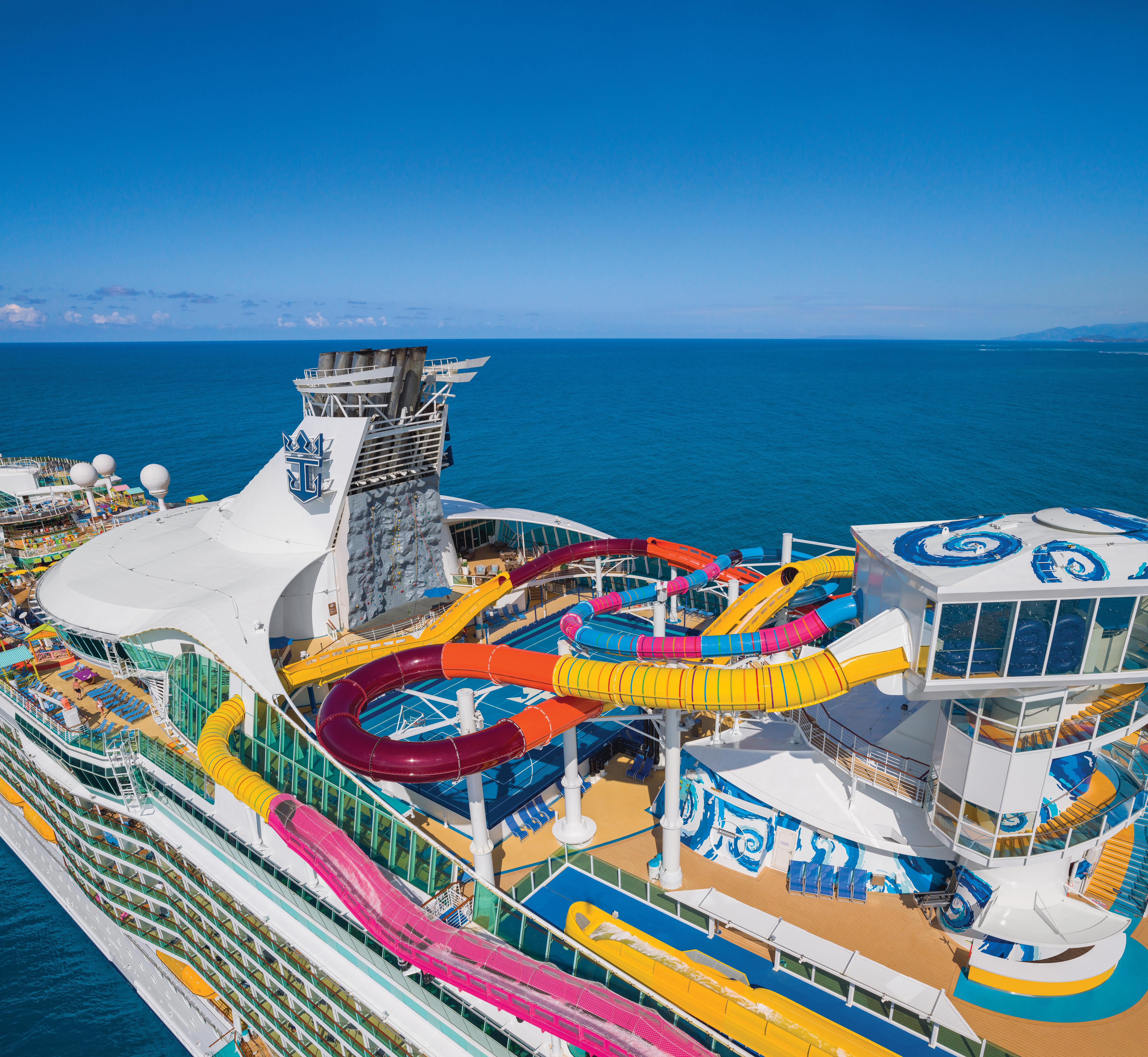 Photo: Royal Caribbean International
What Happened
Royal Caribbean just made it official: they're building a completely new ship class called Discovery Class, with two vessels already on order. This is the first time in years the line has announced an entirely new class rather than just iterating on existing designs like Oasis or Icon. We don't yet know exact size, itineraries, or what gimmicks they're planning to pack onboard, but the confirmation puts an end to months of rumor-mill chatter about what Royal's next move would be.
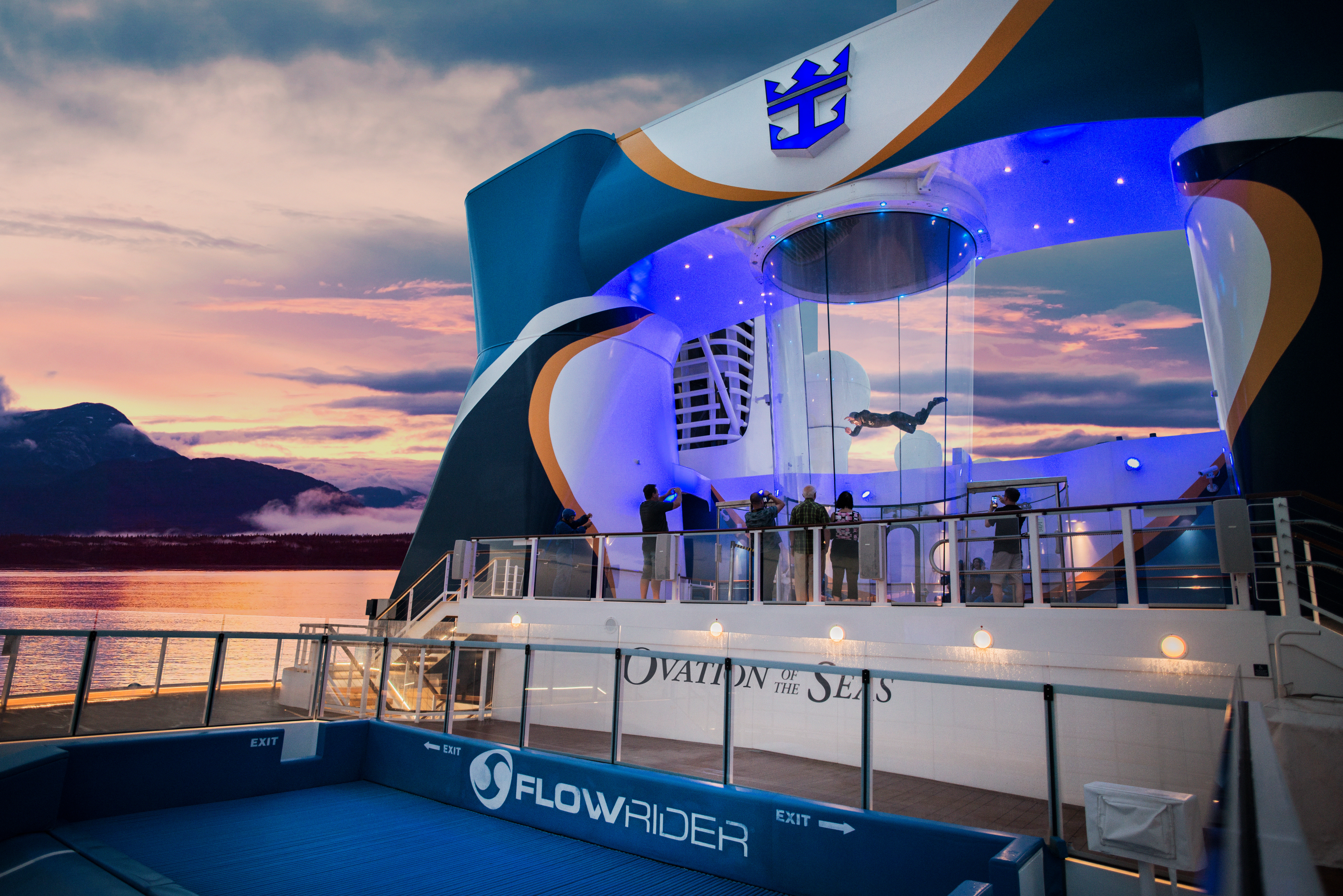 Photo: Royal Caribbean International
What This Actually Means For Your Wallet
Here's the thing about brand-new ship classes: they're almost always more expensive to sail on than older hardware, at least for the first few years. Royal Caribbean will market the hell out of Discovery Class as "revolutionary" or "next-generation," and that marketing premium gets baked right into the fare. Expect initial sailings to run 15-25% higher than comparable itineraries on older ships in the fleet. A standard seven-night Caribbean sailing that might cost $1,200 per person on Freedom Class could easily hit $1,400-$1,500 on Discovery Class during the first year or two of operation.
But the real wallet impact comes from the onboard costs, which tend to creep up with each new class. Icon of the Seas already raised the bar on pricing for specialty dining, with some venues pushing $55-$75 per person. Discovery Class will likely continue that trend. If you're budgeting for a cruise, don't just look at the base fare—assume another $500-$800 per person for gratuities (currently $18.50/day standard, $21/day for suites), drink packages (Deluxe Beverage runs $56-$120/day depending on sailing, typically around $80 pre-cruise), WiFi (VOOM Surf + Stream is around $30/day), and a couple specialty dinners.
Royal Caribbean's standard booking policy allows you to cancel and get a full refund up to 48 hours after initial booking (the "cooling off" period), but after that you're locked into their tiered cancellation penalties. For a standard seven-night sailing, you'll forfeit your deposit if you cancel 90-60 days out, lose 50% of the fare at 59-30 days, 75% at 29-15 days, and 100% inside two weeks. Suite bookings and longer voyages have even stricter windows. There's no special exception policy for new ship classes—if Discovery Class gets delayed (and new ships often do), Royal will typically offer you a rebooking option or Future Cruise Credit, but don't expect cash refunds unless they outright cancel the sailing.
This is exactly where travel insurance becomes critical, but you need to understand what you're actually buying. Standard trip cancellation insurance only covers named perils: sudden illness, death in the family, jury duty, that sort of thing. "I changed my mind" or "I found a better deal" won't fly. Cancel-for-Any-Reason (CFAR) coverage gives you that flexibility, but it's pricey (typically 40-50% more than standard policies), only reimburses 50-75% of your non-refundable costs, and must be purchased within 10-21 days of your initial deposit. Most policies also won't cover "buyer's remorse" if Discovery Class doesn't live up to the hype—you're committed once you sail.
Here's what you should do today if you're eyeing Discovery Class: Do not book directly with Royal Caribbean until we see actual renderings, deck plans, and confirmed itineraries. Work with a travel agent who can get you on a waitlist or alert list without putting money down yet. Once details drop, you'll have 48 hours to book and still cancel penalty-free if the reality doesn't match the marketing. If you do book early for a discount, buy CFAR insurance within that 10-21 day window—it's your only escape hatch if Discovery Class turns out to be a disappointment or if your financial situation changes.
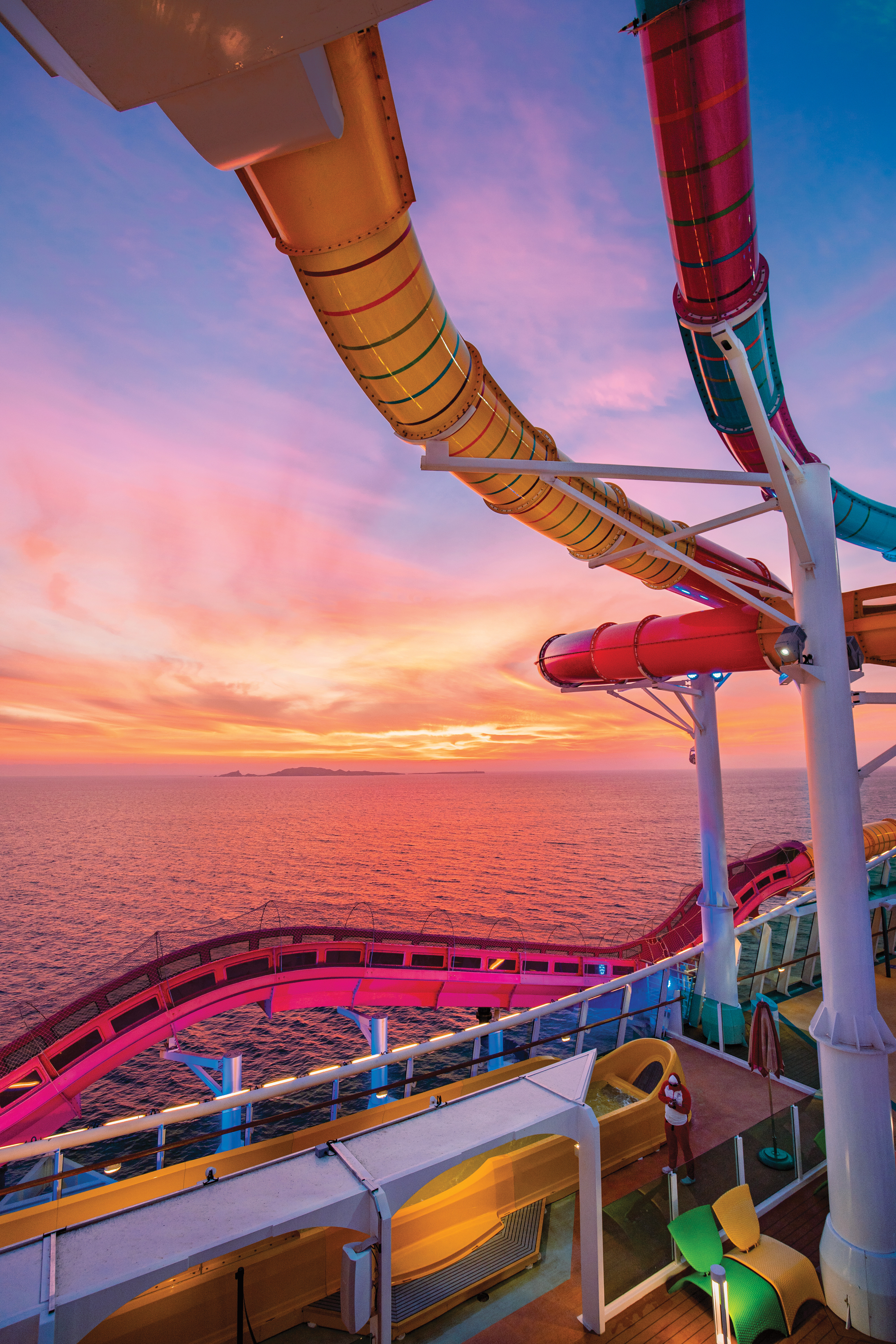 Photo: Royal Caribbean International
The Bigger Picture
Royal Caribbean hasn't launched a truly new class in years—they've been milking Oasis-class upsizing and now Icon as their flagship. A new class signals they're trying to fill a specific gap in the fleet, probably something smaller and more port-flexible than Icon but more modern than Quantum. It also means they're confident enough in demand to commit shipyard capacity, which isn't cheap in 2026. This is either a smart hedge against the "bigger is better" obsession, or it's Royal testing a new price tier to see how much they can charge before customers bail to competitors.
What To Watch Next
- Tonnage and capacity numbers — if Discovery Class comes in under 150,000 GT, it's designed for ports that can't handle Icon or Oasis, which means more diverse itineraries and potentially Alaska or Europe deployment.
- Delivery timeline and shipyard — new classes always face delays; watch whether Royal commits to a European yard (Meyer, Chantiers) or hedges with an Asian build.
- What gets cut vs. what gets added — Royal will hype new features, but pay attention to what existing amenities disappear; if they ditch the FlowRider or scale back complimentary dining venues, that's a cost-cutting tell.
📊 Have a cruise booked that might be affected by news like this? CruiseMutiny can run a full all-in cost breakdown for your specific sailing — and flag any disruptions tied to your dates or ship.
Last updated: May 10, 2026. This is a developing story — check back for updates.