Mexico's environmental agency SEMARNAT rejected Royal Caribbean's Perfect Day Mexico development project. Concerns centered on potential impacts to mangroves, aquatic ecosystems, and reef habitats. The decision reflects growing environmental scrutiny of cruise industry expansion in sensitive coastal regions.
📰 Reported — from industry news sources
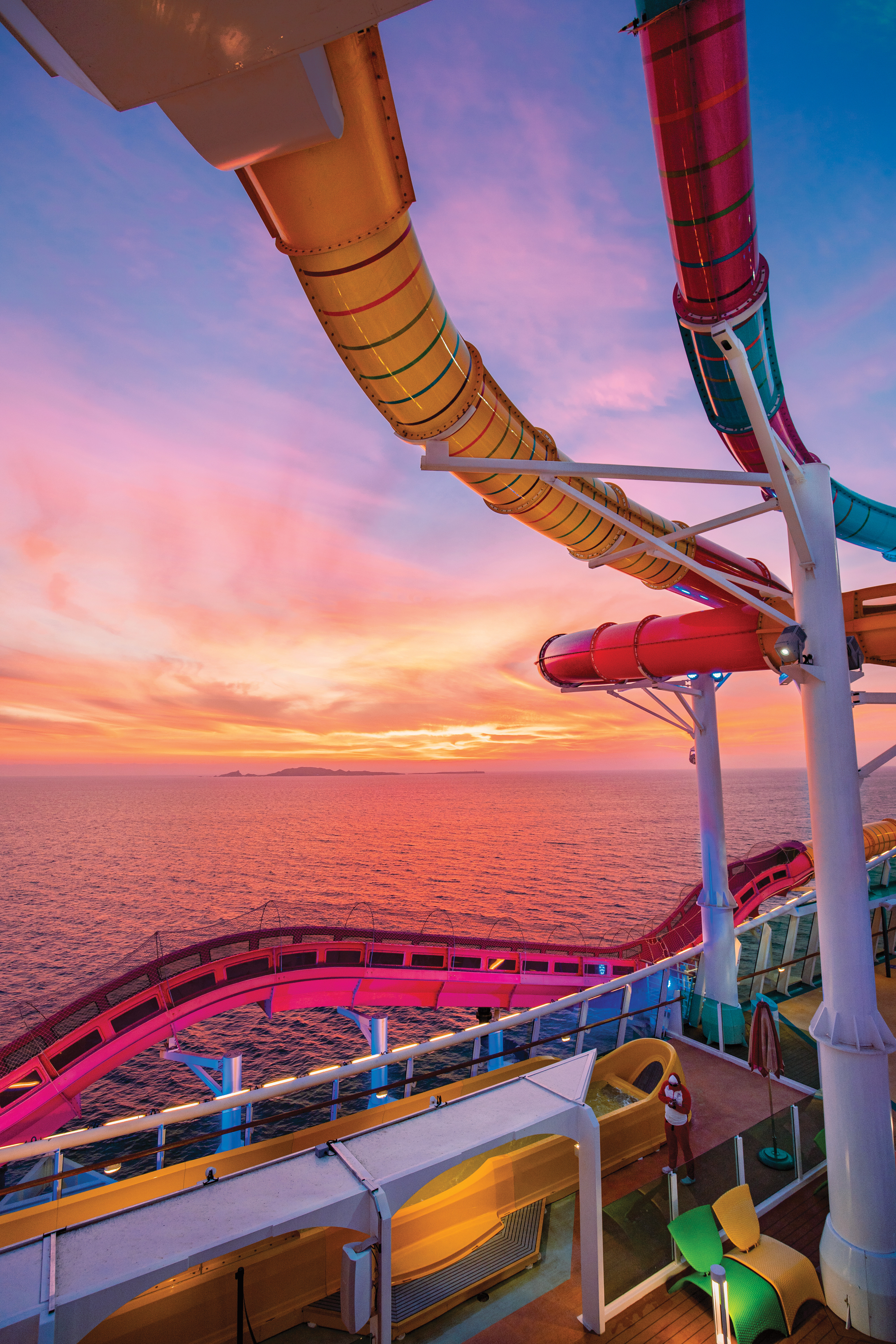 Photo: Royal Caribbean International
Royal Caribbean's Mexico Project Rejected Over Environmental Concerns
Mexico's environmental agency SEMARNAT rejected Royal Caribbean's Perfect Day Mexico development project over concerns about damage to mangroves, aquatic ecosystems, and reef habitats. The decision signals intensifying regulatory pushback against cruise industry expansion in ecologically sensitive coastal regions—and it raises uncomfortable questions about what happens when the industry's growth ambitions collide with environmental protection.
What happened, and who is affected?
Royal Caribbean sought approval for a new private island or coastal development in Mexico as part of its Perfect Day brand expansion. Mexico's environmental authority blocked the project after determining the construction and operational footprint would cause unacceptable harm to mangrove forests, marine habitats, and reef systems. The rejection affects Royal Caribbean's domestic Mexico cruise growth strategy, passengers booked on potential future sailings to this development, and the company's near-term Caribbean capacity plans.
This isn't the first time Royal Caribbean has faced environmental headwinds—the company operates Perfect Day at CocoCay in the Bahamas and Labadee in Haiti. Both properties required significant environmental mitigation. SEMARNAT's decision is notably harder. Unlike voluntary sustainability commitments or industry best-practice pledges, this is a binding regulatory no. Royal Caribbean cannot negotiate around it or start construction; it has to walk away or find a different site entirely.
The timing stings. Royal Caribbean has been aggressively adding capacity to Mexico cruises, particularly Pacific coast routes. According to Celebrity Cruises (Royal Caribbean's subsidiary), Mexico sailings depart from Fort Lauderdale, Miami, Tampa, Los Angeles, and Orlando, with ports including Puerto Vallarta, Mazatlán, Cabo San Lucas, Huatulco, and Ensenada on the Pacific and Costa Maya and Cozumel on the Caribbean. A private island property would have allowed the company to control the full experience and capture more onboard spending.
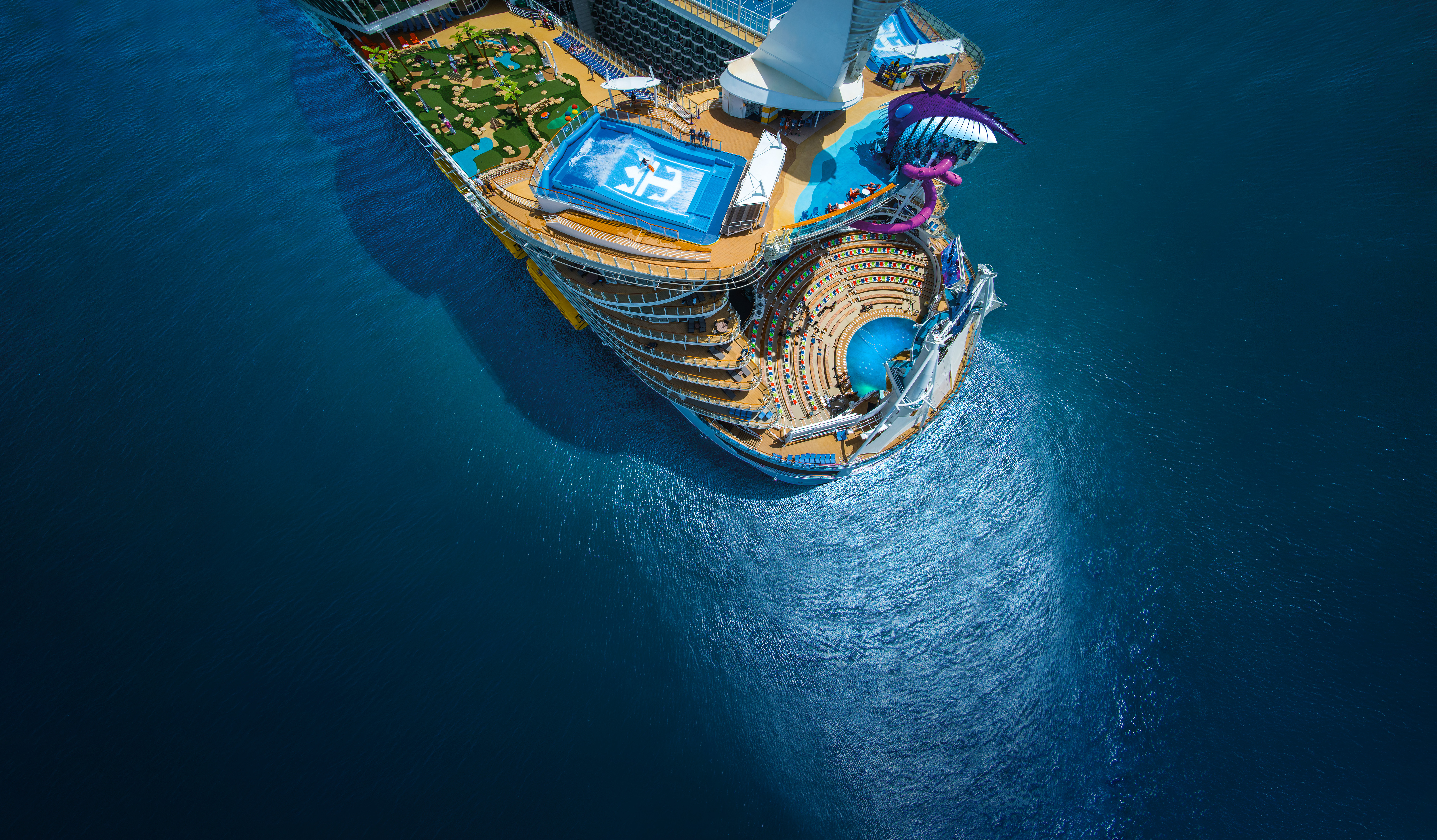 Photo: Royal Caribbean International
What does this actually mean for travelers' wallets?
If you've already booked a Mexico cruise on Royal Caribbean, this rejection shouldn't directly affect your sailing—existing itineraries at established ports will continue. If you were considering a future sailing marketed as visiting "Perfect Day Mexico," that option is off the table, and you'll need to choose an alternative itinerary or different cruise line. Financial exposure depends on how close you are to your departure date and which package adds-ons you've locked in.
The real wallet hit arrives indirectly. Developers and cruise lines absorb environmental rejections as sunk costs—legal fees, environmental assessments, site surveys. These losses don't stay buried on a balance sheet; they eventually flow into pricing strategy. Expect Royal Caribbean's Mexico cruise pricing to remain firm or climb slightly as the company compensates for lost capacity and incremental development costs.
Passengers with pre-booked sailings who wanted the Perfect Day Mexico experience will face rebooking scenarios if that destination was a primary draw. Royal Caribbean's standard policy generally permits cabin changes or rebooking on alternate sailings if the itinerary changes materially. However, "material change" is the company's call to make, not yours. If the cruise still visits Mexico—just a different set of ports—Royal Caribbean will likely argue the change isn't material and won't offer refunds. You'd be limited to rebooking options within the same fare class, which could mean paying an upgrade fee if you want a comparable sailing.
Prepaid excursions, beverage packages, and specialty dining packages are trickier. If you bought a Deluxe Beverage Package (typical pre-cruise rate around $80 per day) or a specialty dining cover (typically $30–$55 per person, per restaurant), those are usually non-refundable and tied to the specific sailing. If Royal Caribbean doesn't deem the itinerary change material, these remain your responsibility. Travel insurance with Cancel for Any Reason (CFAR) coverage would cover you here—standard trip cancellation insurance won't, because the cruise itself isn't cancelled, just modified.
 Photo: Royal Caribbean International
What should travelers watch next?
Watch for Royal Caribbean's official statement on whether this project is permanently dead or merely delayed pending site negotiations elsewhere in Mexico. If delayed, you'll see cautious messaging about "exploring alternative locations" without firm timelines. This signals the company hasn't given up but knows announcing new Mexico projects now would look tone-deaf. If permanently abandoned, expect Royal Caribbean to quietly absorb the loss and shift capacity marketing toward existing Caribbean private island properties.
Also monitor airfare exposure. Many Mexico cruises sell as part of cruise-plus-air packages, bundling your flights to the departure port. If Royal Caribbean's Mexico sailings shift homeports or reduce frequency, you could face airfare rebooking fees of $75–$150 per person if you've locked in specific flights. Check your cruise documents to see if your air portion is independently ticketed (better for flexibility) or bundled and non-refundable (worst case).
Finally, keep an eye on competitor moves. Carnival and Disney Cruise Line also operate private island properties and Mexico itineraries. If Royal Caribbean's rejection raises the bar for environmental approval across Mexico, other cruise lines' expansion plans could face similar headwinds. That would tighten supply and likely push prices up across the board for Caribbean and Mexico cruises. It's already happening on the pricing front—the industry is raising gratuities and package prices steadily.
Traveler Tip:
When a cruise line announces a new destination or development, I always wait six months to a year before booking that specific sailing. Regulatory rejections, environmental reviews, and infrastructure delays are common; they're just rarely front-page news. By waiting, you get clarity on whether the destination actually opens, you avoid the early-bird premium pricing, and you sidestep the rebooking nightmare. In this case, Mexico cruises are mature and reliable—stick with ports that have been operating for five-plus years, and don't pay a premium for the newest shiny thing.
Sources:
📊 Have a cruise booked that might be affected by news like this? CruiseMutiny can run a full all-in cost breakdown for your specific sailing — and flag any disruptions tied to your dates or ship.
Last updated: May 22, 2026. This is a developing story — check back for updates.