The Spanish government has agreed to allow the cruise ship at the center of a deadly hantavirus outbreak to dock in the Canary Islands. The vessel had been stranded in the Atlantic Ocean after ports refused entry due to the health crisis. This decision provides relief for passengers who have been confined aboard during the outbreak.
📰 Reported — from industry news sources
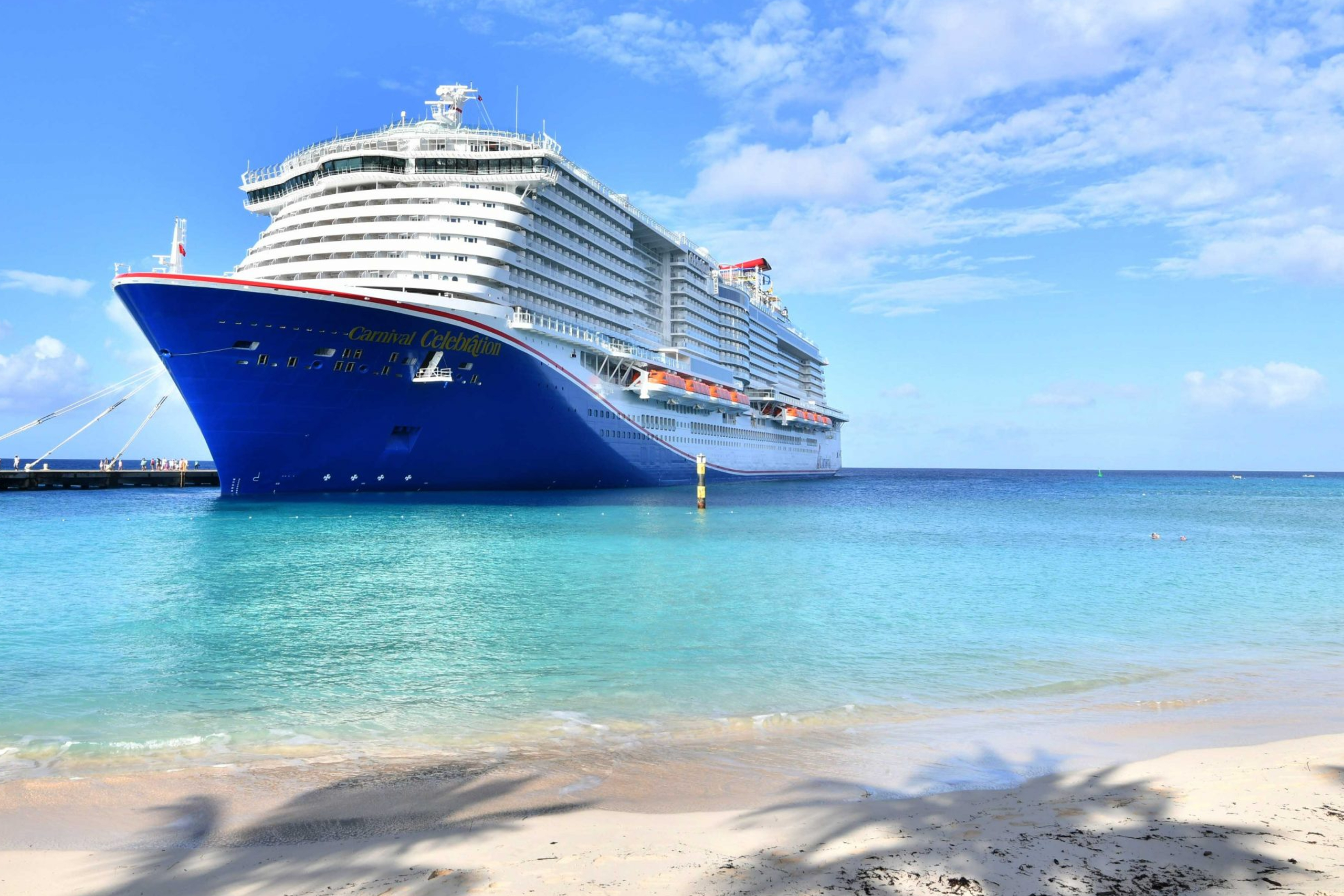 Photo: Carnival Cruise Line
What Happened
A cruise ship dealing with a hantavirus outbreak has been granted permission to dock in Spain's Canary Islands after being turned away from multiple ports. Passengers have been stuck on board in the middle of the Atlantic while the Spanish government worked out whether to allow the vessel into port. The ship is now headed to the Canaries, ending what must have been an absolute nightmare of uncertainty for everyone aboard.
 Photo: Carnival Cruise Line
What This Actually Means For Your Wallet
Let's talk about the money you're looking at if you're one of the passengers on this ship, because "permission to dock" doesn't mean your vacation is magically salvaged.
First, the immediate costs. If you booked a 7-day cruise and spent three or four days stranded at sea instead of touring ports, you're out the shore excursions you prepaid — figure $100-300 per person depending on what you booked. Most lines will refund unused excursions booked through them, but if you went third-party, you're dealing with those vendors directly and good luck getting your money back without a fight.
Then there's the rebooking nightmare. If the ship terminates early or reroutes significantly, you're potentially on the hook for changed flights. If you booked air through the cruise line, they'll typically reaccommodate you at no cost, though you might end up on terrible routing. If you booked independently, you're eating change fees or buying new tickets unless your original fare class allows free changes (most don't). Budget $200-600 per person if you have to re-ticket last minute.
Now for what the cruise line owes you. Most major lines' contracts of carriage include force majeure clauses that let them alter itineraries for health emergencies without liability. That said, the PR disaster of a hantavirus outbreak means the line will likely offer compensation to avoid the headlines getting worse. Standard industry practice for missed ports is a per-port onboard credit — usually $50-100 per port, per stateroom. Some lines might offer a future cruise credit of 25-50% of your fare paid. Don't expect a full cash refund unless the entire cruise is cancelled before departure.
The cruise line's typical policy language generally states they can modify the itinerary for reasons beyond their control, including "health and safety emergencies," and that such changes don't entitle you to a refund. The exact wording varies by line, but the gist is always the same: they control the ship, you don't get your money back just because the itinerary changed. What's less clear here is whether a disease outbreak on the ship itself qualifies as "beyond their control" — that's going to depend on how the virus got aboard in the first place.
Travel insurance becomes critical here, and most people who bought it are about to learn what it doesn't cover. Standard trip cancellation policies cover specific named perils: illness of the traveler, death in the family, jury duty, weather that prevents departure. They do NOT cover "the cruise line changed my itinerary because of an outbreak." Even trip interruption coverage, which kicks in once you've started your trip, typically only reimburses you for the unused portion if YOU have to leave early due to a covered reason — not if the ship changes course.
Cancel-for-Any-Reason (CFAR) insurance is the only product that might help here, and even then it only refunds 50-75% of your prepaid, non-refundable costs — and you had to buy it within 10-21 days of your initial deposit. The fine print also usually requires you to cancel at least 48 hours before departure, which obviously didn't happen if you're already on the ship. Some policies include "cruise diversion" or "itinerary change" coverage that pays a daily benefit ($100-150 per day) for missed ports, but you had to specifically purchase that rider.
Here's what you need to do today if you're affected: Pull out your cruise contract (the ticket terms you agreed to when you booked) and read the section on itinerary changes and force majeure. It's usually section 4-7 in most contracts. Screenshot or print it. Then email the cruise line — not through their general contact form, but directly to their customer relations department — with your booking number and a calm, factual summary of what happened and what you're requesting. Ask specifically for compensation for missed ports, reimbursement of unused prepaid items, and assistance with flight changes. Document everything. If you have travel insurance, file a claim immediately even if you think it won't be covered — claims often get paid on technicalities or insurer goodwill when disasters make the news.
 Photo: Carnival Cruise Line
The Bigger Picture
This incident highlights how quickly a health emergency can turn a ship into a floating prison, and how little recourse passengers have when it happens. The fact that multiple ports refused entry before Spain agreed shows that cruise ships are still dealing with post-pandemic health paranoia — one outbreak and you're persona non grata at ports that don't want the risk. It's also a reminder that those contract-of-carriage clauses aren't just legal boilerplate; they're exactly what the cruise line will hide behind when things go sideways, and "we'll take care of you" PR statements rarely translate to meaningful cash compensation.
What To Watch Next
- The final compensation package the cruise line offers — whether it's onboard credits, future cruise certificates, or actual refunds, and whether passengers need to waive their right to sue to accept it
- How many passengers file claims against their travel insurance and what percentage actually get paid out for this type of itinerary disruption
- Whether health authorities determine the source of the hantavirus — if it traces back to ship operations or provisioning, that changes the cruise line's liability significantly
📊 Have a cruise booked that might be affected by news like this? CruiseMutiny can run a full all-in cost breakdown for your specific sailing — and flag any disruptions tied to your dates or ship.
Last updated: May 6, 2026. This is a developing story — check back for updates.