A third British national has been identified with suspected hantavirus linked to the cruise ship outbreak, marking an expansion of confirmed cases. The patient is receiving medical attention as health authorities continue to trace all passengers who may have been exposed. This brings the total number of suspected UK cases to at least three.
📰 Reported — from industry news sources
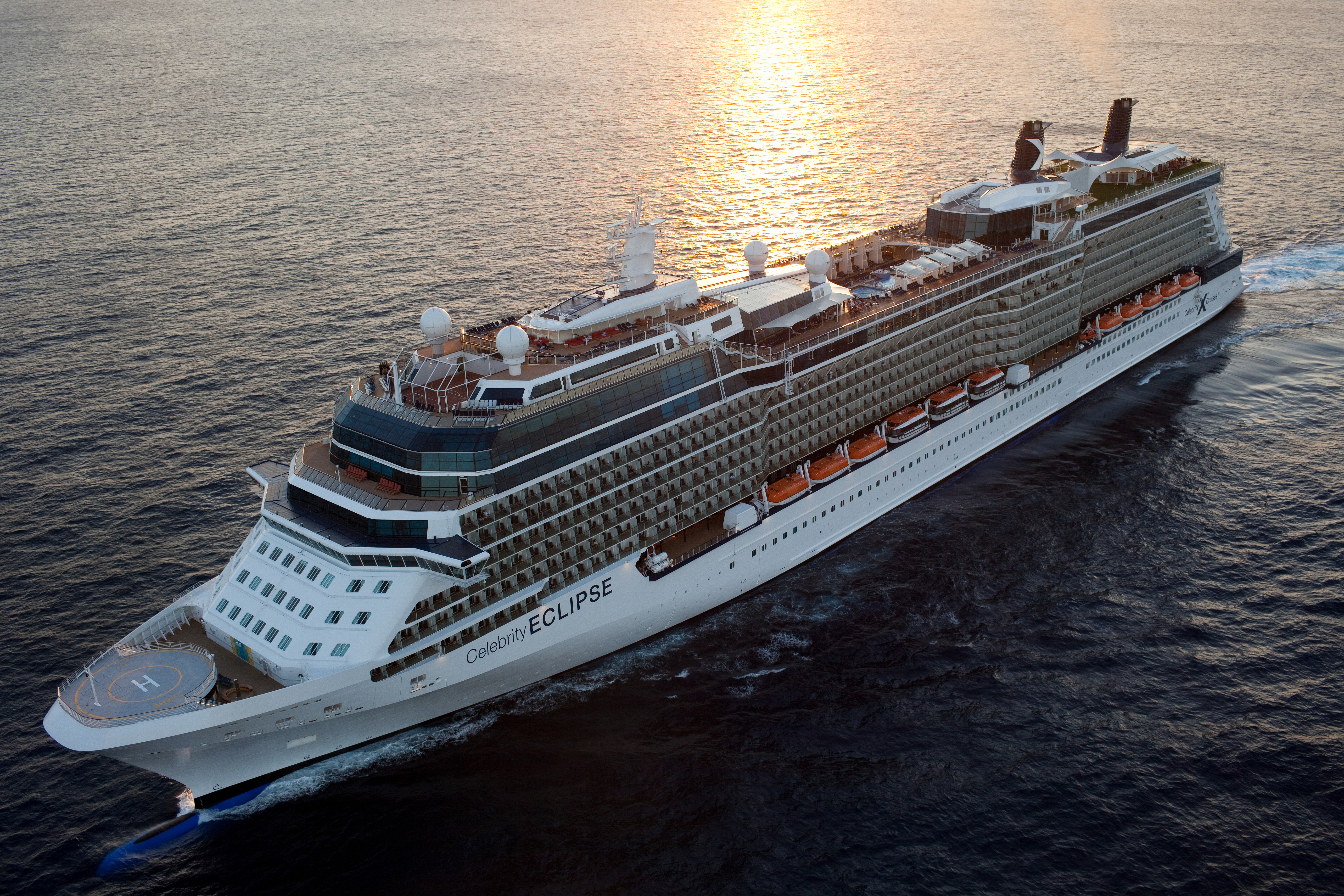 Photo: Celebrity Cruises
What Happened
Health authorities have confirmed a third British passenger with suspected hantavirus infection connected to a cruise ship outbreak that's now expanding beyond initial containment efforts. The patient is under medical care while contact tracing continues for everyone who sailed on the affected vessel. We're now looking at at least three confirmed UK cases, which suggests exposure wasn't limited to a single cabin or deck.
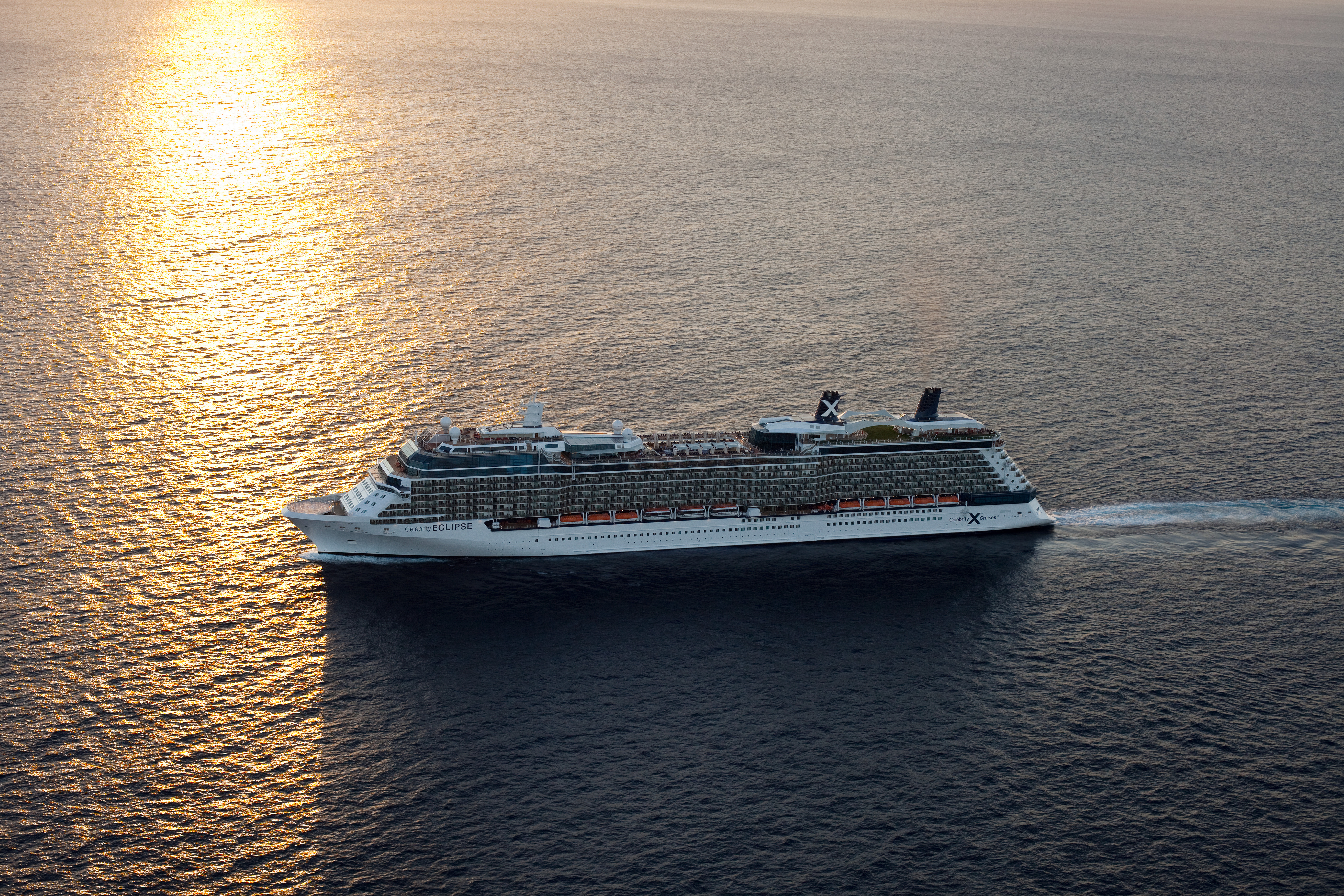 Photo: Celebrity Cruises
What This Actually Means For Your Wallet
If you're booked on this ship or sailed recently, here's the money talk nobody's giving you straight.
The immediate financial exposure: Passengers who cut their cruise short due to illness or quarantine orders are looking at $150-400 per day in lost cruise fare that most lines won't refund. That's $600-1,600 for a typical 4-day sailing, $1,050-2,800 for a week. Add another $800-2,500 if you need to change flights home early—last-minute one-ways from Caribbean or European ports aren't cheap. If you prepaid shore excursions through the cruise line, expect 3-5 business days for refunds to process, assuming the line approves them at all for "voluntary" early disembarkation. Hotel quarantine if required by port authorities? That's on you—figure $150-300/night, and most cruise lines explicitly don't cover it.
What the cruise contract actually says: Most major cruise lines include a "health emergency" or "communicable disease" clause that gives them extremely broad authority to quarantine, isolate, or remove passengers at their discretion with zero compensation. The typical passenger ticket contract states the line isn't liable for illness contracted onboard unless you can prove gross negligence—good luck with that burden of proof. Carnival's contract, for example, generally limits their liability to the cruise fare paid and explicitly excludes consequential damages like airfare or hotels. If health authorities order the ship to skip ports or return early, that usually triggers the force majeure section, meaning you get nothing back for missed stops.
Travel insurance reality check: Standard trip-cancellation policies only cover you if hantavirus (or whatever specific illness) is a named peril in your policy—most basic plans don't list it. You'd need to prove your specific case qualifies under the "illness" provisions, and many insurers exclude communicable disease outbreaks declared after your policy purchase date. Cancel-for-Any-Reason coverage—which runs 40-60% more than standard policies—would let you bail and recover 50-75% of prepaid, non-refundable costs, but only if you cancel at least 48 hours before departure. Once you're onboard and exposed, that window's closed. Medical evacuation coverage (typically $50,000-150,000 in better policies) would cover emergency transport home if you're seriously ill, but won't reimburse the cruise fare itself. The gotcha everyone misses: most policies don't cover "fear of travel" or voluntary cancellation because other passengers got sick.
Do this today: Pull up your cruise confirmation email and find the booking number. Call the cruise line directly—not your travel agent first—and ask explicitly whether your sailing is the affected voyage and what compensation they're offering proactively. Document the call (date, time, rep name). Then email your travel agent or the cruise line in writing requesting clarification on refund eligibility and asking them to note your account for monitoring. If you bought travel insurance, call that provider separately and ask point-blank: "If I cancel today because of the hantavirus cases, am I covered?" Get that answer in writing via email.
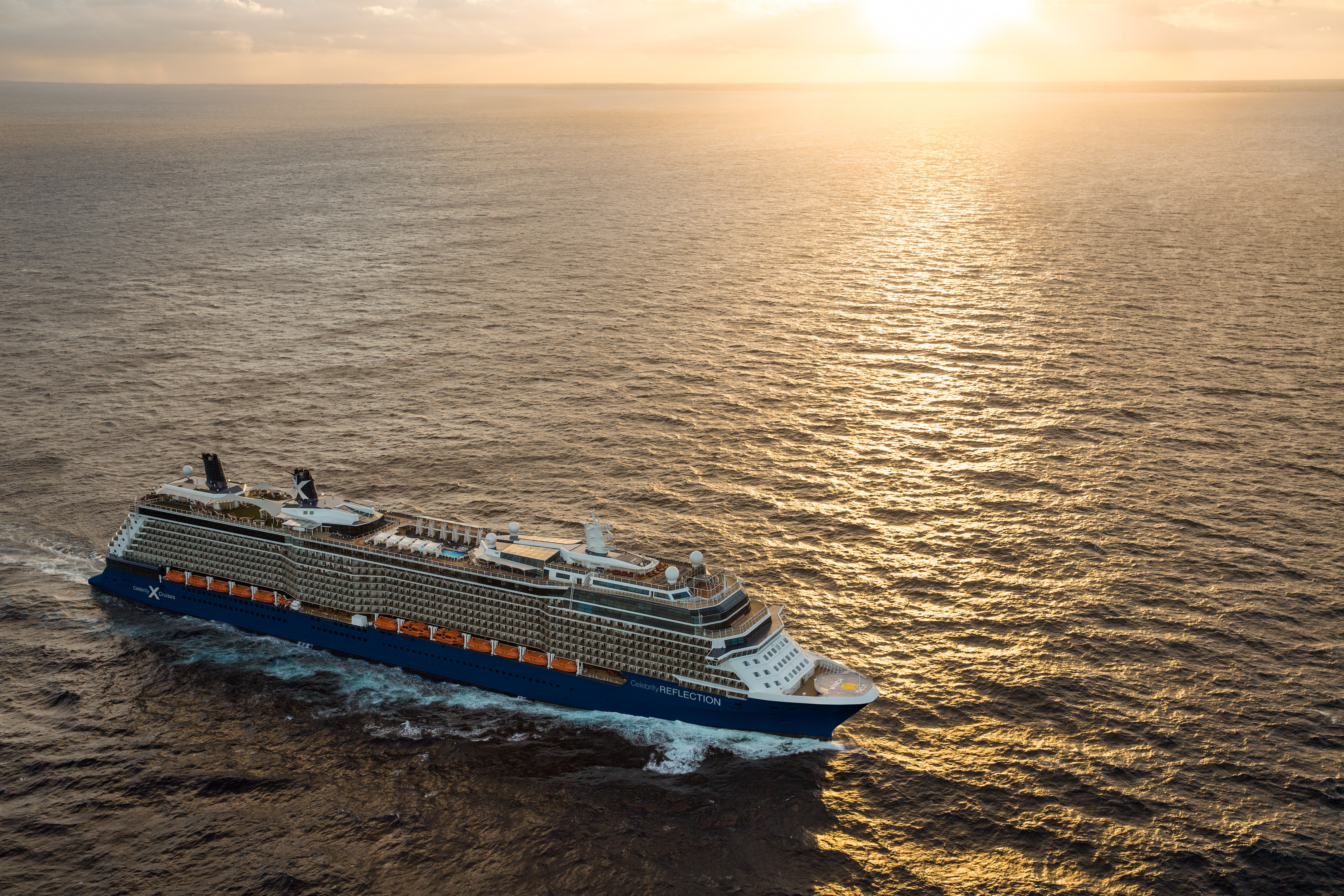 Photo: Celebrity Cruises
The Bigger Picture
Three confirmed cases transforms this from an isolated incident into a traceable outbreak pattern, which means port health authorities and the CDC (for U.S.-based ships) will likely escalate inspection protocols. Hantavirus exposure on a ship points to rodent access in food storage, ventilation systems, or provisioning—not the kind of thing that gets fixed with extra hand sanitizer stations. If the source isn't contained fast, expect sailing cancellations while the ship undergoes deep sanitation, which would put hundreds of future passengers in rebooking limbo.
What To Watch Next
- Official statements from the cruise line identifying the specific ship and sailing dates—they've been silent on vessel name so far, which tells you they're lawyering up before going public.
- CDC or UK Health Security Agency travel notices—if either issues a specific ship alert, travel insurance claims get a lot easier to file.
- Whether the line offers future cruise credits proactively to affected passengers—that's your signal they know they have a bigger problem than they're admitting.
📊 Have a cruise booked that might be affected by news like this? CruiseMutiny can run a full all-in cost breakdown for your specific sailing — and flag any disruptions tied to your dates or ship.
Last updated: May 8, 2026. This is a developing story — check back for updates.