Two passengers died during Carnival Splendor's April 15 round-trip cruise from Sydney, Australia. One woman drowned and a man went overboard during the sailing. The incidents are under investigation by authorities.
📰 Reported — from industry news sources
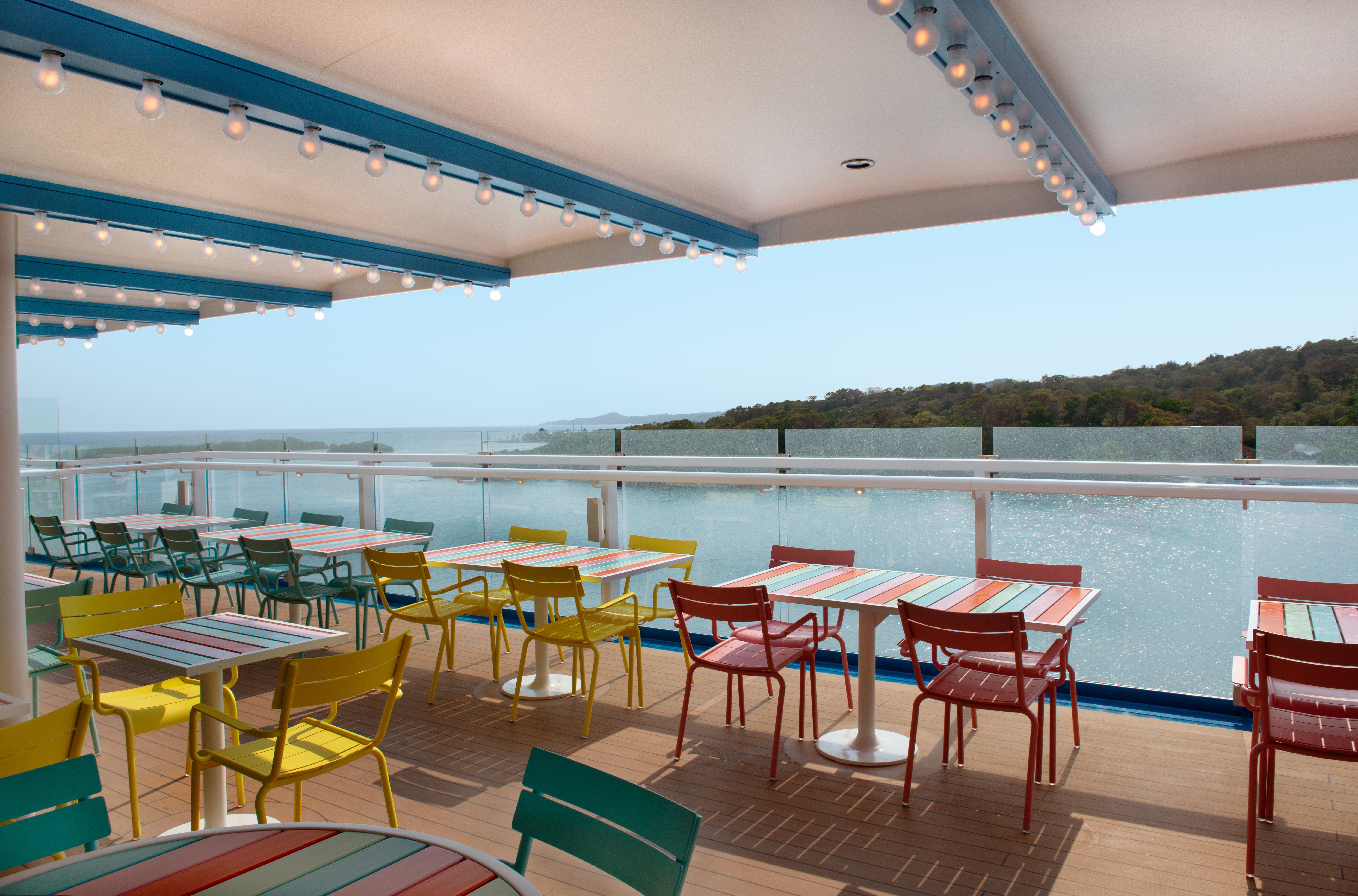 Photo: Carnival Cruise Line
What Happened
Carnival Splendor's April 15 round-trip voyage from Sydney turned tragic when two passengers died in separate incidents during the sailing. A female passenger drowned, and a male passenger went overboard. Australian authorities are currently investigating both deaths, and details remain limited as the inquiries continue.
 Photo: Carnival Cruise Line
What This Actually Means For Your Wallet
If you were booked on this specific sailing, you're likely looking at zero direct financial impact—the cruise operated as scheduled, and Carnival doesn't typically offer compensation or refunds when passenger deaths occur due to individual incidents rather than mechanical failures or itinerary changes. Your cruise fare, prepaid gratuities, and any drink packages or specialty dining you purchased remain non-refundable in this scenario.
The real financial question is whether you should have been covered by travel insurance, and whether a future sailing makes you rethink your coverage. Most standard trip-cancellation policies won't help you here—they cover your medical emergencies or missed departures, not onboard incidents involving other passengers. You can't cancel mid-cruise and expect reimbursement because someone else had a tragedy, even if the atmosphere onboard became somber or investigators conducted interviews.
Where insurance does matter: if a family member of one of the deceased was traveling with them, they'd potentially qualify for trip-interruption coverage to fly home early. Trip-interruption typically reimburses the unused portion of the cruise fare (prorated by days remaining) plus change fees or last-minute flights home. On a 7-day Australia cruise running roughly $800–$1,400 per person, that could mean recovering $400–$700 if you left halfway through, plus up to $500–$1,000 in emergency airfare depending on your policy limits. But here's the catch: you'd need a policy that explicitly covers "termination of trip due to death of a travel companion," and the deceased would need to be listed on your policy or meet the carrier's definition of traveling companion.
Cancel-for-Any-Reason (CFAR) insurance wouldn't help here either—it only applies before you depart, letting you back out for any reason and recover 50–75% of prepaid, non-refundable costs. Once you're onboard, CFAR is off the table.
Carnival's passenger ticket contract generally absolves the line of liability for "death, illness, or injury resulting from the passenger's own actions or the actions of other passengers." You're not getting a refund, a future cruise credit, or onboard credit because another guest drowned or went overboard. The contract does require Carnival to provide reasonable assistance—coordinating with authorities, preserving evidence, notifying next of kin—but "assistance" doesn't mean "compensation."
One specific action you should take today: Pull out your travel insurance policy (if you bought one) and look for the "trip interruption" section. Check whether "death of a traveling companion" is a covered reason, what the maximum reimbursement is, and whether it covers only the unused cruise fare or also includes emergency transportation home. If you don't have insurance and you're booked on a future cruise, get a quote for a comprehensive policy with trip interruption before your final payment date—once you're fully paid, your window to add coverage shrinks fast.
The overboard incident is particularly relevant to your wallet if you're sailing soon: it'll almost certainly trigger renewed crew training and possibly enhanced deck monitoring, neither of which costs you extra. But if Carnival determines modifications are needed—higher railings, restricted late-night deck access, additional CCTV—those capital expenses eventually filter into fare increases across the fleet. The industry has spent millions retrofitting ships after high-profile overboard cases, and lines don't eat those costs forever.
One more thing: if you prepaid shore excursions through Carnival and investigators held passengers onboard for questioning longer than expected (delaying disembarkation), you might have a case for a refund on missed tours, but only if the delay was substantial and Carnival-imposed. Check your excursion receipt for the cancellation terms—Carnival typically requires 24 hours' notice, but they've been known to issue refunds or credits when delays are their fault. Don't expect it automatically; you'll need to call and ask.
 Photo: Travel Mutiny
The Bigger Picture
Two separate fatal incidents on a single sailing is statistically rare, but it underscores the reality that cruise ships are floating cities with all the risks that entails—medical emergencies, accidents, and yes, overboards. Carnival has faced scrutiny over man-overboard incidents in recent years, and while the line has added detection technology fleetwide, no system is foolproof. This also highlights the gap between what passengers think they're covered for and what travel insurance actually pays out—most people assume "something bad happened on my cruise" equals automatic refund, and that's just not how the contracts work.
What To Watch Next
- Australian authorities' findings on both incidents—if either death is attributed to ship safety deficiencies, Carnival could face fines or mandatory retrofits that delay future Splendor sailings from Sydney.
- Whether Carnival offers any goodwill gesture to passengers on that specific voyage—historically, lines have issued small onboard credits or future cruise discounts after high-profile incidents, even when not contractually required.
- Changes to Carnival's man-overboard protocols or deck access policies in the coming months—if this was a late-night incident, expect possible restrictions on unsupervised deck access after midnight, similar to policies other lines have tested.
📊 Have a cruise booked that might be affected by news like this? CruiseMutiny can run a full all-in cost breakdown for your specific sailing — and flag any disruptions tied to your dates or ship.
Last updated: April 25, 2026. This is a developing story — check back for updates.