The United Nations has confirmed that approximately 15,000 cruise passengers remain stranded on ships in the Gulf region. The large-scale stranding affects multiple vessels. Passengers are awaiting resolution to return home safely.
📰 Reported — from industry news sources
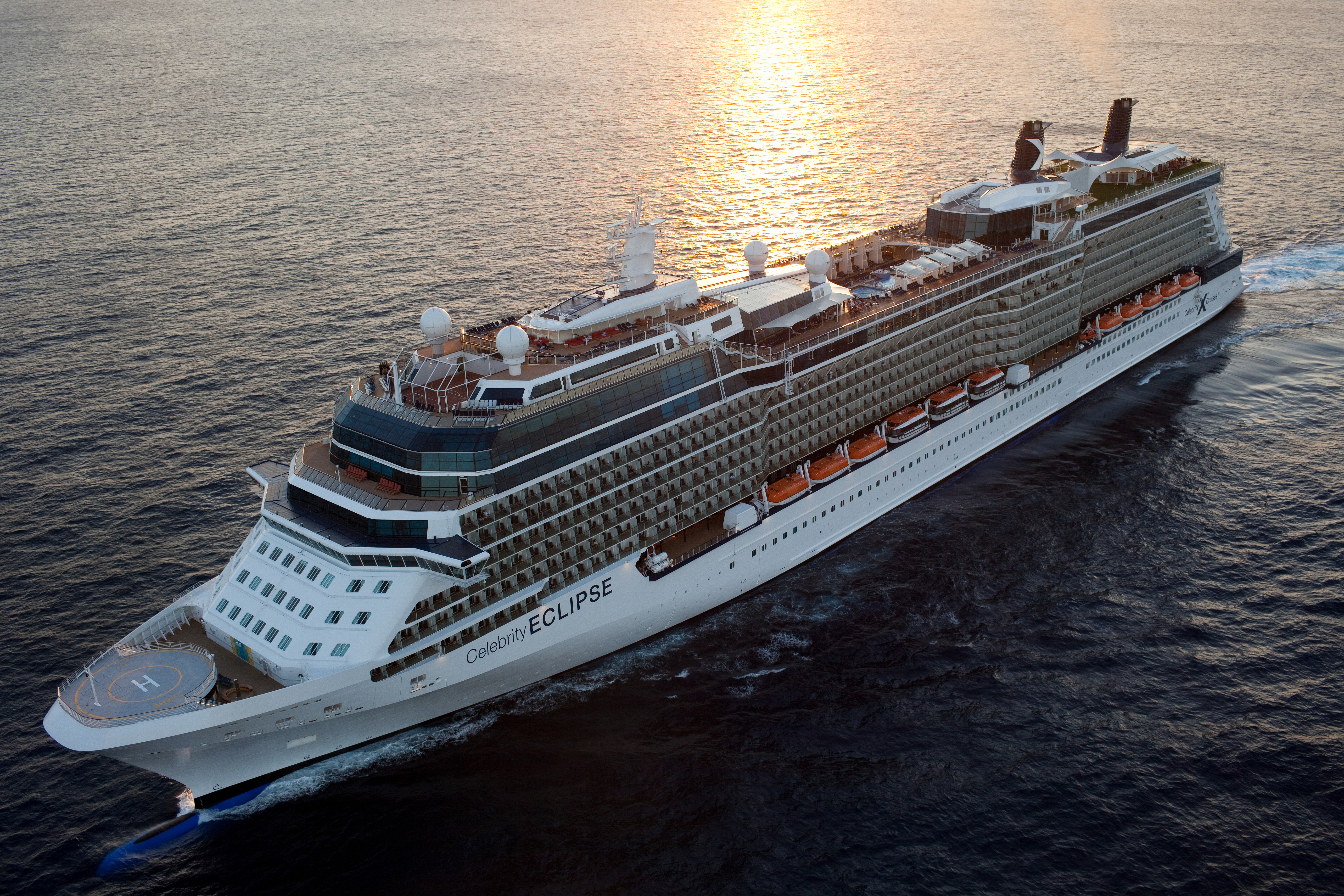 Photo: Celebrity Cruises
What Happened
The UN has confirmed that roughly 15,000 cruise passengers are stuck on multiple ships in the Gulf region with no clear timeline for getting home. This isn't a single-ship mechanical issue or a rogue norovirus outbreak—this is a multi-vessel, region-wide problem affecting thousands of people who thought they'd be back at work this week. Details on which cruise lines are involved and what triggered the stranding haven't been fully disclosed yet, but the scale alone tells you this is serious.
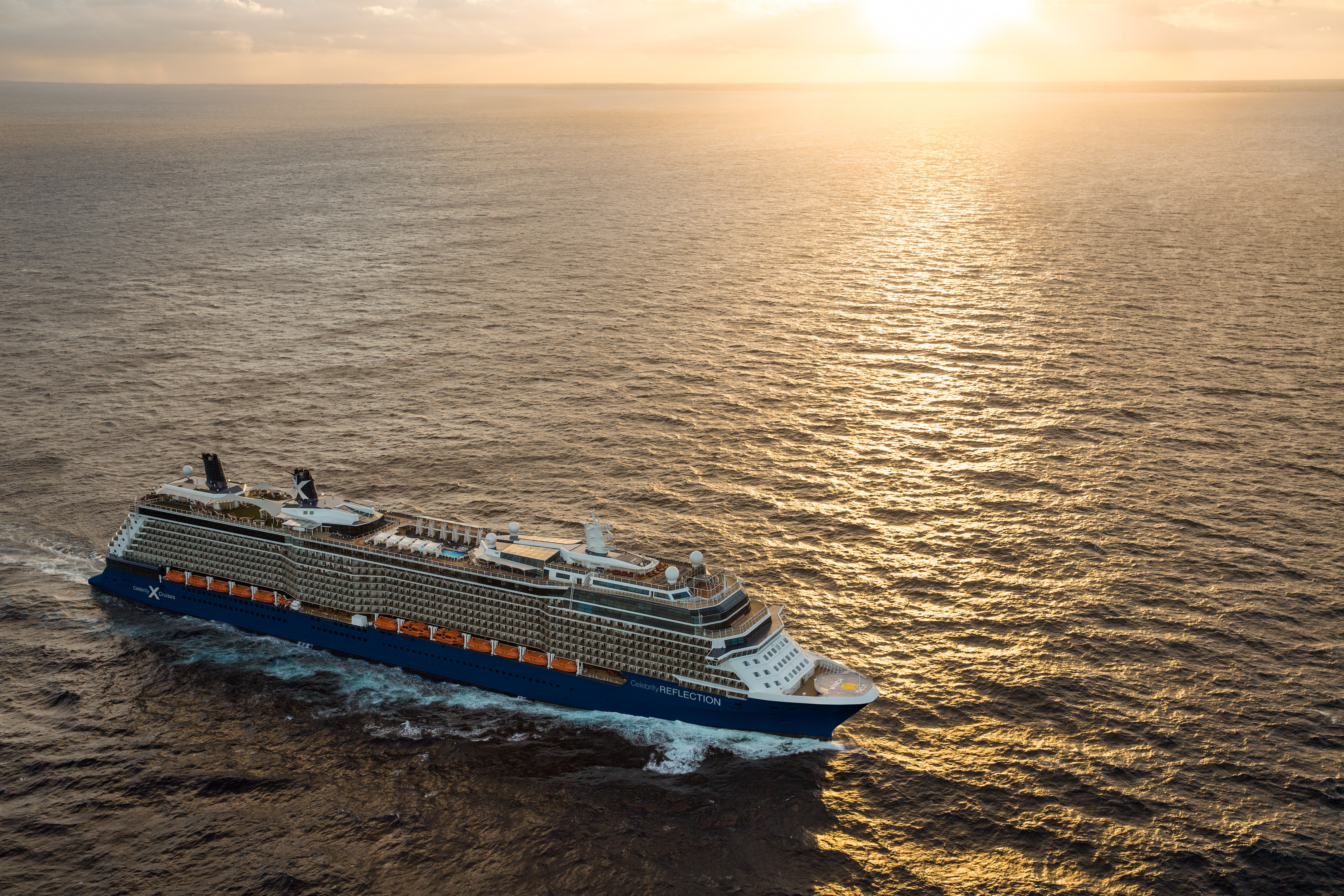 Photo: Celebrity Cruises
What This Actually Means For Your Wallet
Let's cut through the PR spin and talk about the money you're actually on the hook for if you're one of these 15,000 passengers—or if you're booked on an upcoming Gulf sailing.
The immediate financial hit: A typical 7-day cruise passenger has around $2,500-$4,000 per person at stake when you add up the cruise fare, airfare, prepaid excursions, hotel nights, and lost wages. If you booked shore excursions through the cruise line, those average $80-$150 per port. Miss three ports? That's $240-$450 gone. Your flights home—if you booked them separately—are now worthless, and rebooking on short notice typically runs 2-3x the original price. I've seen last-minute Gulf-to-US flights spike to $1,200+ during disruptions. Add in the hotel you might've prepaid before or after the cruise, and you're looking at another $150-$300. If you're hourly or own a small business, every extra day you're stuck is lost income the cruise line won't cover.
What the cruise lines' contracts actually say: Most major cruise lines—Carnival, Royal Caribbean, Norwegian, MSC, Princess—have force majeure clauses that let them cancel, delay, or reroute sailings due to war, civil unrest, government action, or "acts of God" without owing you anything beyond a pro-rated refund or future cruise credit. The exact language varies, but the gist is the same: if it's outside their control, you're not getting cash back for your inconvenience, your flights, or your vacation days. Royal Caribbean's standard ticket contract, for example, typically states that the carrier is not liable for delays or cancellations caused by government orders or hostilities. I don't have the UN's specific reasoning here, but if this is tied to regional conflict, port closures, or government intervention, the lines will almost certainly invoke force majeure. That means you might get a refund for the unused days or a future cruise credit, but don't expect the line to cover your $1,200 flight change or the $500 in excursions you booked independently.
What travel insurance covers (and the gotchas): Standard trip-cancellation insurance covers you canceling for a named reason—illness, jury duty, death in the family. It does not typically cover the cruise line canceling or delaying the cruise unless you bought "Cancel For Any Reason" (CFAR) coverage, which runs about 40-50% more than standard policies and usually only refunds 50-75% of your trip cost. Most policies also have a "named peril" requirement: the event triggering your claim has to be explicitly listed. If this stranding is due to geopolitical instability, some policies may cover it under "civil unrest" or "evacuation," but many exclude war-related events entirely. Read your policy's exclusions section—it's usually pages 8-12 in the fine print. Travel delay coverage (common on mid-tier policies) might reimburse you $100-$200/day for meals and hotels if you're stranded, but only after a 6-12 hour delay threshold and usually capped at $500-$1,000 total. That won't come close to covering a multi-day stranding. If you didn't buy insurance, you're at the mercy of the cruise line's goodwill—and that's a bad place to be.
What you should do right now: If you're on one of these ships, document everything. Take photos of your stateroom, your daily folios, any announcements from the captain, and keep every receipt for onboard purchases, internet packages, or extra expenses. If you're booked on an upcoming Gulf sailing in the next 30-60 days, call the cruise line or your travel agent today and ask for a full refund or a no-penalty rebooking to a different region. Don't accept a future cruise credit as your first option—push for cash back, especially if the region remains unstable. If you already bought travel insurance, file a claim the moment you're off the ship, even if you're not sure it'll be covered. Insurers have strict filing deadlines (often 10-20 days), and waiting will kill your claim.
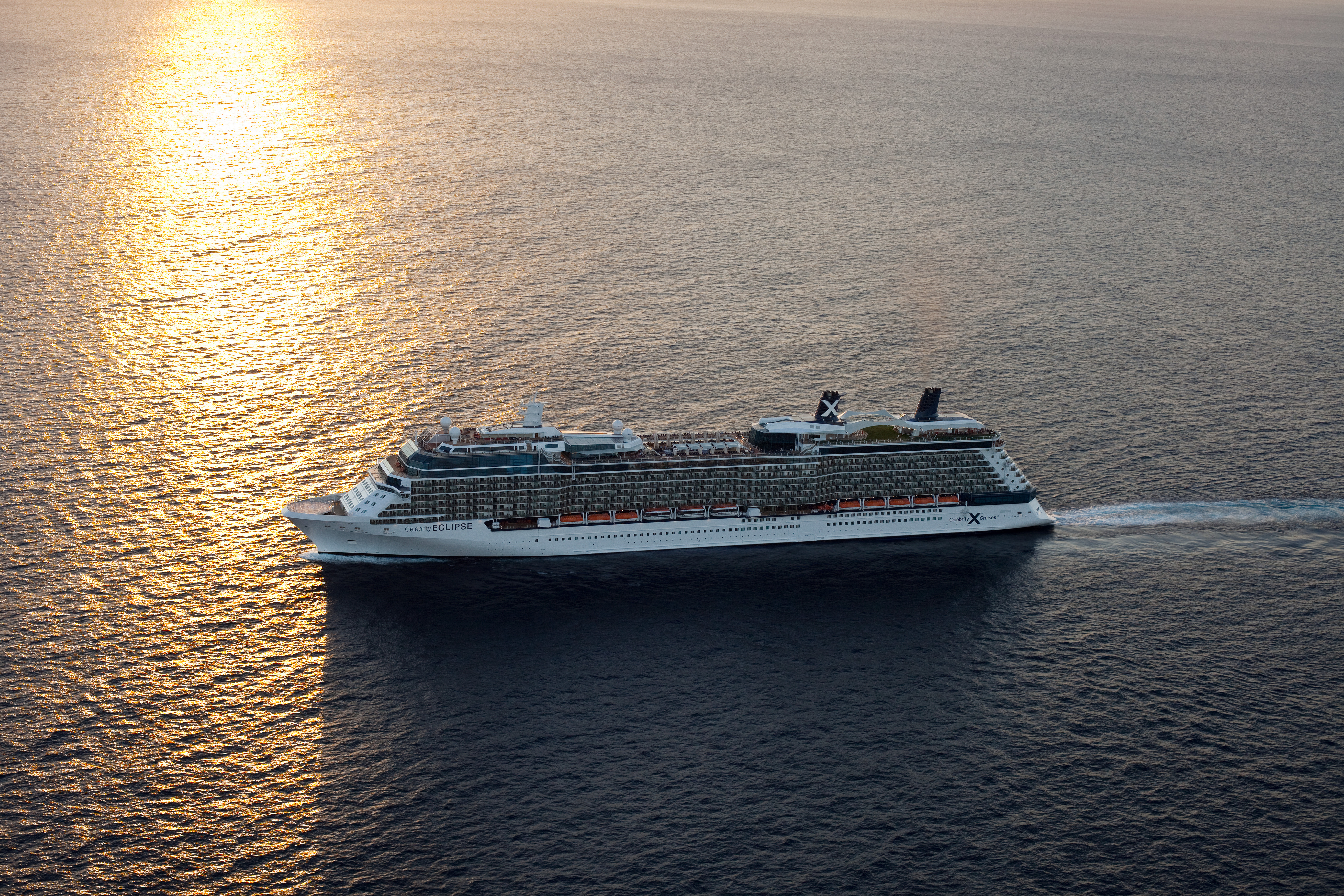 Photo: Celebrity Cruises
The Bigger Picture
This is a stark reminder that cruise ships operate in international waters and foreign ports where U.S. consumer protections don't apply. When geopolitics or regional instability flare up, passengers become collateral damage, and the cruise lines' contractual escape hatches are airtight. If Gulf tensions are escalating, expect more cancellations, reroutes, and a flood of future cruise credits instead of refunds—because that's how the industry handles crises it didn't cause.
What To Watch Next
- Which cruise lines are affected and whether they're offering refunds or credits. The difference matters—credits expire, cash doesn't.
- Whether the U.S. State Department issues a travel advisory for the Gulf region. That could trigger broader cancellations and give passengers leverage with insurers.
- How long the UN expects the stranding to last. If it stretches past 72 hours, expect class-action lawyers to start circling.
📊 Have a cruise booked that might be affected by news like this? CruiseMutiny can run a full all-in cost breakdown for your specific sailing — and flag any disruptions tied to your dates or ship.
Last updated: May 11, 2026. This is a developing story — check back for updates.