Winter weather conditions have caused delays to multiple cruise departures while a popular cruise port is weighing a potential ban on cruise ships. The storm impacts are causing scheduling disruptions for passengers. Separately, the port ban discussion could significantly affect future cruise itineraries if implemented.
📰 Reported — from industry news sources
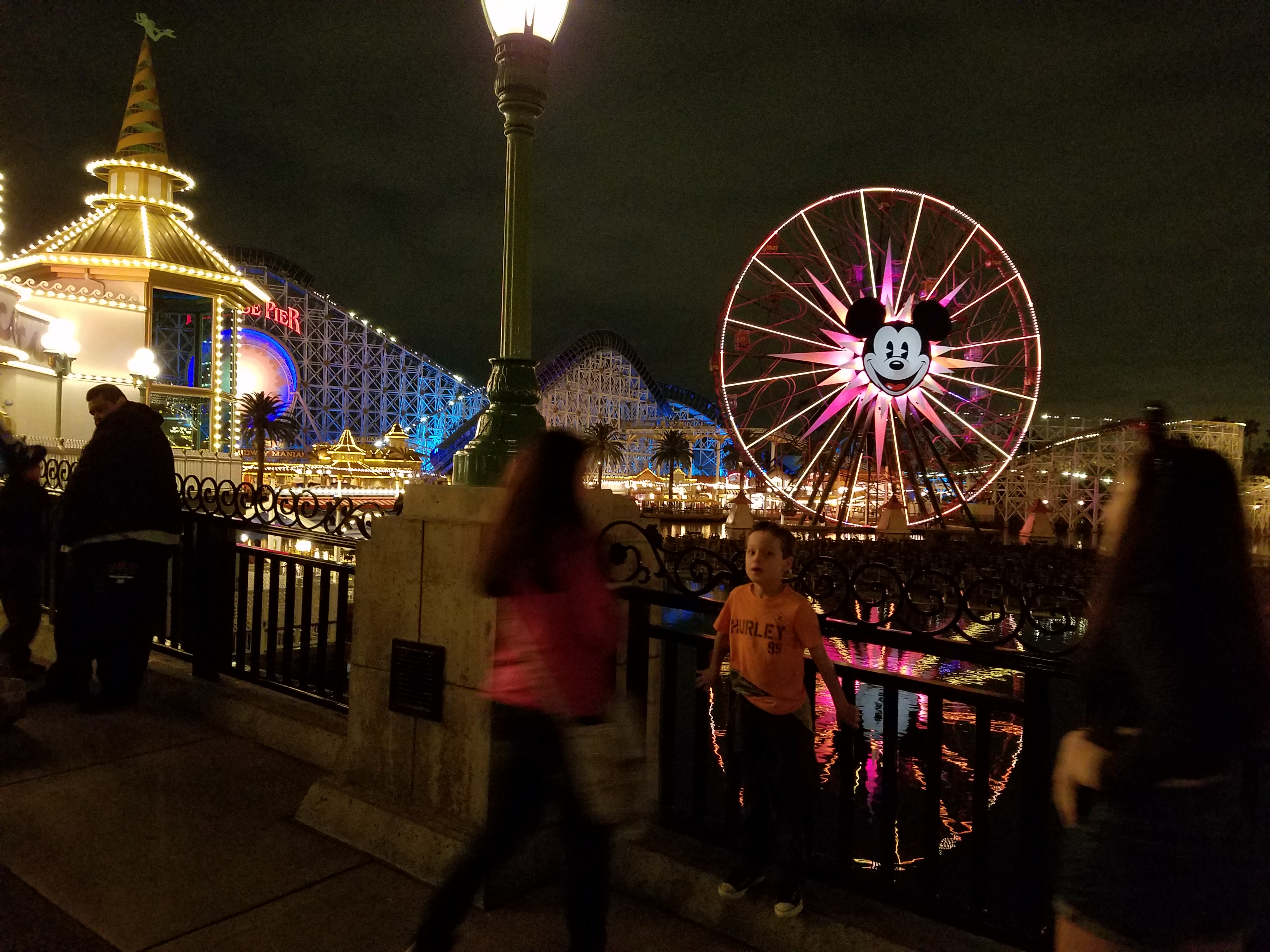 Photo: Travel Mutiny
What Happened
A winter storm is wreaking havoc on cruise schedules this week, forcing multiple ships to delay departures as ports shut down operations due to dangerous weather conditions. At the same time, one of the industry's most-visited ports is actively debating whether to ban cruise ships entirely—a move that would force cruise lines to completely redesign itineraries if it goes through. Passengers are stuck dealing with missed flights, last-minute rebookings, and the uncertainty of whether their vacation is even happening.
 Photo: Carnival Cruise Line
What This Actually Means For Your Wallet
Let's start with the storm delays, because that's hitting people right now. If your cruise departure gets pushed back 12-24 hours due to weather, the cruise line owes you exactly nothing. Zero compensation. You're still sailing, just later—and that's considered an "itinerary change" covered under the force majeure clauses buried in your ticket contract. Most mainstream lines (Carnival, Royal Caribbean, Norwegian, Princess) have nearly identical language: they can modify departure times, skip ports, or change the itinerary entirely for safety or weather reasons without refunding you a dime.
What they won't cover is your problem if you flew in the day of departure and now need an extra hotel night. That's $150-$300 out of pocket in most port cities. If you pre-booked shore excursions for a port that gets skipped? You'll get a refund or onboard credit for those specific tours, but if you booked third-party through Viator or a local operator, you're fighting that refund battle yourself. And if the delay causes you to miss the cruise entirely because you can't adjust your flight? The cruise line will offer you a future cruise credit—maybe at a discounted rate, but that's at their discretion. They won't refund your airfare, and they sure as hell won't pay for the new flights you need to book.
Now, the port ban scenario. If a major port actually follows through and bans cruise ships, you're looking at itinerary substitutions. The cruise lines will swap in an alternate port and call it a day. Your contract allows this. What you need to know: if the replacement port is significantly less desirable (think swapping Santorini for a random Greek industrial port), some lines might offer onboard credit as a goodwill gesture—typically $50-$100 per cabin, not per person. Don't expect it, but it doesn't hurt to ask your travel agent to push for it.
Standard travel insurance—the kind most people buy—covers almost none of this. Basic trip-cancellation policies only kick in for "named perils": death, serious illness, jury duty, that sort of thing. Weather delays? Not covered unless they make you miss embarkation entirely and you can prove the delay was weather-related and unavoidable. Most policies explicitly exclude "fear of travel" or "I don't want to deal with this hassle anymore." Cancel-for-Any-Reason (CFAR) insurance is the only product that gives you flexibility here, but it costs 40-60% more than standard policies, typically covers only 50-75% of your trip cost, and must be purchased within 14-21 days of your initial deposit. If you didn't buy it already, you're too late.
Here's what you do today: Pull up your cruise line account, find your booking, and download the full ticket contract (usually labeled "Guest Ticket Contract" or "Passage Contract"). Read section 7 or whatever section covers "itinerary changes and force majeure." Know what you're entitled to—and more importantly, what you're not entitled to. Then call your credit card company. If you booked with a premium card (Chase Sapphire Reserve, Amex Platinum, etc.), many include some trip delay/cancellation coverage as a card benefit. It's not comprehensive, but it might reimburse that extra hotel night or meal expenses if your delay exceeds six hours. You need to file within 20-60 days depending on the card, so start that paper trail now.
 Photo: Carnival Cruise Line
The Bigger Picture
Winter storm disruptions are routine—cruise lines deal with this every year. What's not routine is a major port seriously considering a full ban on cruise traffic. That signals growing tension between local communities and the cruise industry's environmental and overtourism impact. If one port succeeds in booting cruise ships, expect other popular destinations dealing with overcrowding (Venice tried this, Barcelona's flirting with restrictions) to take a harder look at similar measures. The industry's explosive growth is creating real political backlash in places that used to welcome the revenue without question.
What To Watch Next
- Which specific port is considering the ban—if it's a tentpole destination like Cozumel, Nassau, or a major Mediterranean stop, itinerary redesigns could affect hundreds of sailings and thousands of passengers.
- Whether affected cruise lines offer any compensation beyond contractual minimums—Royal Caribbean occasionally throws onboard credit at delay situations for PR purposes; Carnival almost never does unless you escalate aggressively.
- How long the weather delays last—if ships start missing entire port days (not just delayed departures), you'll see a flood of complaints and the lines might get more generous with goodwill gestures to avoid social media pile-ons.
📊 Have a cruise booked that might be affected by news like this? CruiseMutiny can run a full all-in cost breakdown for your specific sailing — and flag any disruptions tied to your dates or ship.
Last updated: April 24, 2026. This is a developing story — check back for updates.