A female passenger fell to her death from a Carnival cruise ship operating off the California coast. The incident was reported by ABC News and represents a tragic fatality at sea. Details about the circumstances of the fall are still emerging.
📰 Reported — from industry news sources
 Photo: Carnival Cruise Line
What Happened
A female passenger died after falling overboard from a Carnival cruise ship sailing off the California coast. The incident was confirmed by multiple news outlets, though the cruise line has not yet released details about the circumstances surrounding the fall or which specific ship was involved. Overboard incidents remain rare but almost universally fatal when they occur at sea.
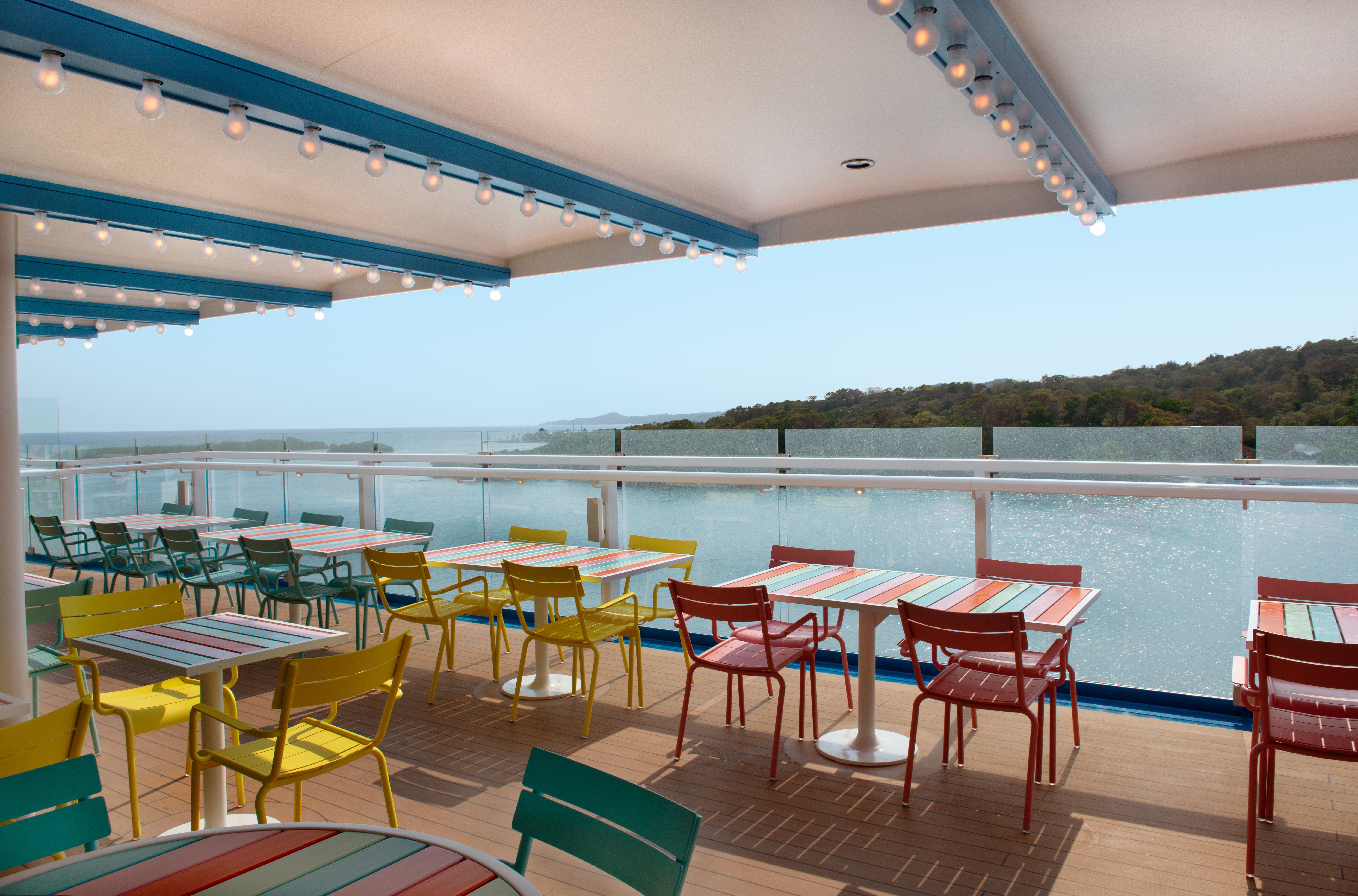 Photo: Carnival Cruise Line
What This Actually Means For Your Wallet
If you're booked on the same sailing or thinking about canceling a future Carnival cruise because of safety concerns, here's the financial reality: you're likely out of luck unless you have the right insurance.
The immediate dollar impact depends on your booking. If you're sailing within the next 30 days and decide you want out, Carnival's standard cancellation policy offers zero refund for cancellations made inside the final payment window (typically 75-90 days before sailing, depending on itinerary length). You forfeit your entire cruise fare. For a week-long cruise, that's anywhere from $1,200 to $4,500 per person down the drain. Add in non-refundable airfare ($300-$800 per person), pre-paid excursions ($200-$600), and specialty dining reservations ($40-$90 per person), and a family of four could easily be looking at $8,000+ in sunk costs.
What Carnival's contract actually says is straightforward: the cruise line is not obligated to provide refunds or compensation for incidents that don't directly affect the operation of your specific cruise. A passenger overboard on a different sailing—or even the same ship on a prior voyage—doesn't trigger the force majeure or cancellation clauses that would entitle you to a refund or future cruise credit. Carnival's ticket contract generally limits their liability to the extent allowed by maritime law, and a tragic incident involving another passenger doesn't create a contractual obligation to let you out of your booking penalty-free. If the ship itself is detained by authorities or the sailing is canceled by Carnival, you'd get a full refund or rescheduling options. But if the ship sails as scheduled? You're on the hook.
Travel insurance is where this gets tricky. Standard trip cancellation policies only cover named perils: things like illness, injury, death of a family member, jury duty, or natural disasters that make your home uninhabitable. "I'm uncomfortable sailing after reading a news story" is not a covered reason, no matter how legitimate your concern. Cancel-for-Any-Reason (CFAR) insurance is the only product that would help here, but it comes with major caveats: you typically need to purchase it within 14-21 days of your initial deposit, it costs 40-50% more than standard trip insurance, and it only reimburses 50-75% of your prepaid, non-refundable costs. So if you're trying to cancel a $6,000 cruise because of safety anxiety, you'd recover maybe $3,000-$4,500 at best—and only if you bought CFAR months ago when you booked.
Most travelers don't carry CFAR. They have basic trip insurance that covers medical emergencies and trip interruptions due to covered events. A passenger overboard incident on someone else's sailing won't trigger a payout.
Here's what you should do today: Pull up your booking confirmation and look for the cancellation penalties schedule—it's usually in Section 4 or 5 of the ticket contract. If you're still outside the final payment window, you can cancel now and lose only your deposit (typically $100-$250 per person). If you're inside final payment and genuinely uncomfortable sailing, call Carnival or your travel agent and ask if they're offering any goodwill gestures like rebooking credits or waived change fees. They're not required to, but in the immediate aftermath of a high-profile incident, some lines quietly offer flexible rebooking to nervous passengers. You won't get it if you don't ask. If you do have CFAR insurance, file your claim immediately—most policies require notice 48+ hours before departure.
 Photo: Travel Mutiny
The Bigger Picture
Overboard incidents are statistically rare—about 20-25 per year across the entire cruise industry—but they're almost always fatal and they rattle consumer confidence every time they make headlines. Carnival has been working to rehab its safety reputation after a string of incidents in the 2010s, and any death at sea reopens questions about railings, passenger monitoring, and crew response protocols. This won't move the needle on bookings industry-wide, but it's a reminder that maritime travel carries risks that most passengers never think about when they're comparing balcony prices.
What To Watch Next
- Whether Carnival releases details about the fall circumstances—accident, medical emergency, or foul play determines whether this becomes a regulatory issue or a one-off tragedy.
- Any Coast Guard investigation findings—if the National Transportation Safety Board gets involved, expect a months-long review that could lead to new railing height or design requirements.
- Class-action lawsuits from passengers on the affected sailing—emotional distress claims are a long shot under maritime law, but attorneys always test the waters after high-profile incidents.
📊 Have a cruise booked that might be affected by news like this? CruiseMutiny can run a full all-in cost breakdown for your specific sailing — and flag any disruptions tied to your dates or ship.
Last updated: April 29, 2026. This is a developing story — check back for updates.