Cruise ship medical care is shockingly expensive — a basic doctor visit runs $150–$250, an IV drip costs $300–$600, and a serious emergency can rack up $10,000–$50,000+ before you're even evacuated to a shoreside hospital. Travel insurance isn't optional here.
 Photo: Royal Caribbean International
You get sick at sea, shuffle down to the ship's medical center in your bathrobe, and then get handed a bill that looks like it came from a Manhattan private clinic. Cruise ship medical care operates entirely outside your normal health insurance network, and the prices reflect exactly that. Here's what you're actually walking into.
What Cruise Ship Medical Care Actually Costs
Every major cruise line operates an onboard medical center staffed by doctors and nurses — but these are private, fee-for-service facilities billed directly to your onboard account. There is no such thing as a 'covered' visit unless you have travel insurance with medical benefits. Your U.S. health insurance, including Medicare, almost never applies in international waters or foreign ports.
| Service | Typical Cost (2025–2026) |
|---|---|
| Basic doctor consultation | $150–$250 |
| Nurse/triage visit | $75–$125 |
| IV rehydration (fluids only) | $300–$500 |
| IV with medications | $500–$800 |
| Seasickness injection | $75–$150 |
| Basic blood panel / lab work | $200–$400 |
| X-ray (single image) | $200–$350 |
| ECG / heart monitoring | $150–$300 |
| Prescription medications (onboard) | $20–$100+ per item |
| Stitches / wound care | $300–$600 |
| Overnight medical observation | $500–$1,500/night |
| Medical evacuation (helicopter) | $15,000–$50,000+ |
| Emergency shoreside hospitalization | $10,000–$100,000+ |
Those medical evacuation numbers are not typos. A helicopter medevac from a ship in the middle of the Caribbean or Alaska can easily hit $25,000–$50,000, and that's before any hospital treatment begins.
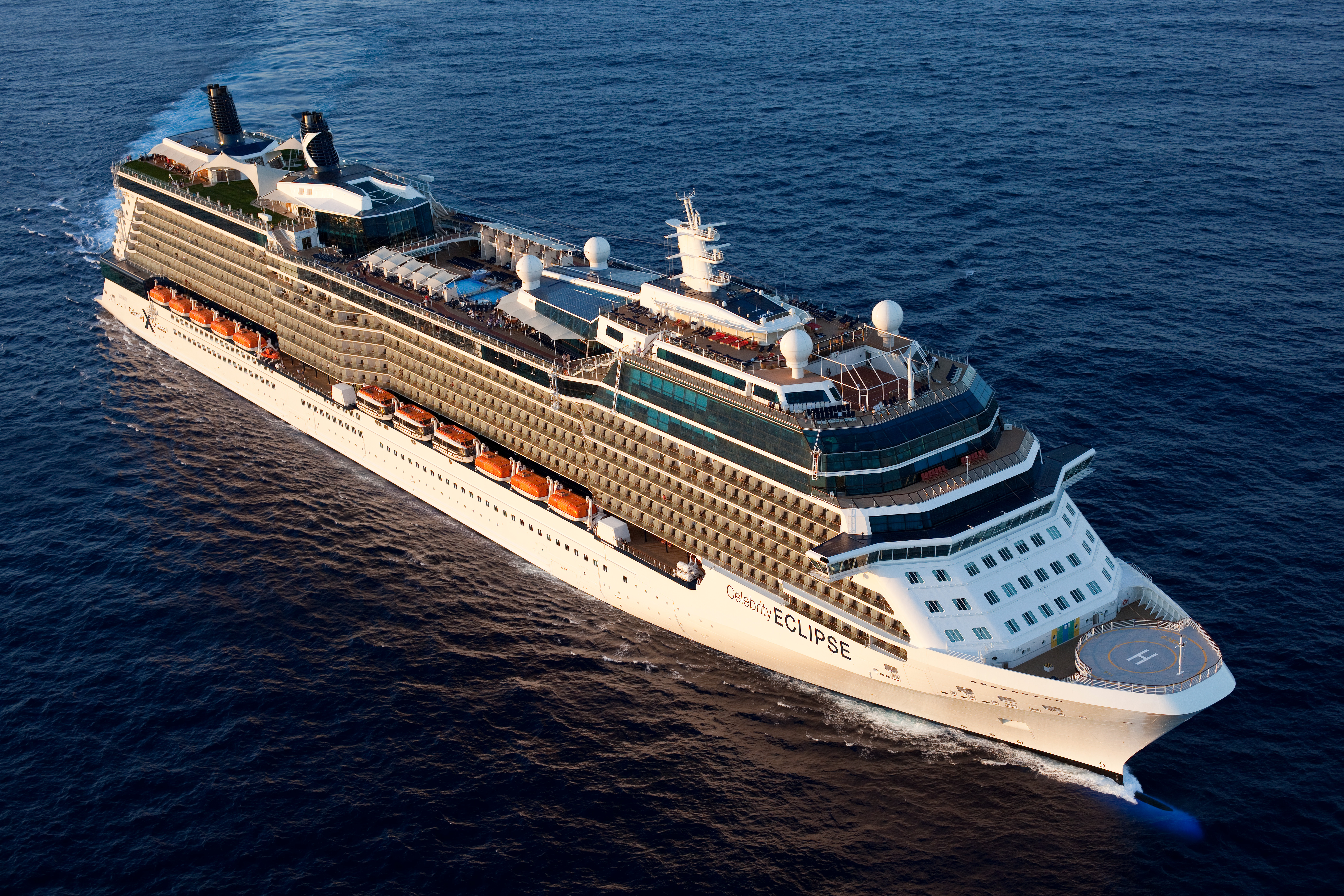 Photo: Royal Caribbean International
Key Factors That Drive the Cost
1. Where You Are When It Happens A ship docked in Nassau can get you to a local hospital relatively cheaply. A ship 500 miles offshore in the middle of the Atlantic cannot. The more remote the itinerary, the more a medical emergency costs — Alaska and transatlantic cruises carry the highest evacuation risk.
2. Time of Day Most ship medical centers charge a premium for after-hours visits (nights and weekends), typically 25–50% more than standard rates. A $200 consultation at 2 a.m. becomes $280–$300 before you've said a word to the doctor.
3. The Cruise Line's Pricing Policy There's no industry-wide pricing standard. Norwegian, MSC, and Carnival tend to charge on the lower end of the scale. Celebrity and Seabourn are known for significantly higher medical fees. Disney has been reported to charge premium rates with a very well-equipped facility to match. Always check your cruise line's medical FAQ before sailing.
4. Your Condition's Complexity A queasy stomach treated with an anti-nausea injection is a $150–$250 event. A suspected appendicitis requiring monitoring, labs, imaging, and eventual evacuation can hit $20,000–$60,000 in total costs. The gap between a minor issue and a serious one is enormous.
5. Pre-Existing Conditions Passengers with cardiac, diabetic, or respiratory conditions are statistically more likely to need intensive onboard care — and those are the exact cases that generate five-figure bills. If you're managing a chronic condition, this is not the area to gamble on.
 Photo: Royal Caribbean International
How to Protect Yourself (Practical Money-Saving Tips)
Buy travel insurance with medical coverage — and buy it right. This is the single most important financial decision you make before any cruise. Look for a policy that covers:
- At least $100,000 in emergency medical coverage (not the $10,000–$25,000 limits many cheap policies offer)
- At least $250,000 in medical evacuation coverage — this is the big one
- Pre-existing condition waiver (if purchased within 14–21 days of your initial trip deposit)
Expect to pay $150–$400 per person for a solid policy on a 7-night cruise, depending on age and trip cost. That sounds painful until you're staring at a $40,000 evacuation bill.
Pack a solid personal medical kit. Seasickness medication (Dramamine, Bonine, or prescription scopolamine patches), antidiarrheals, antacids, pain relievers, and any prescription medications you regularly take — bringing these from home costs pennies compared to buying them onboard.
Know your cruise line's medical hours. Some ships only have a doctor on duty for limited hours. Know in advance whether 24/7 care is available, especially on smaller or expedition ships.
Check if your credit card covers travel medical. Some premium travel cards (Chase Sapphire Reserve, Amex Platinum) include limited travel medical and evacuation benefits. These are usually not sufficient on their own but can supplement a travel insurance policy.
Don't wait. If you feel sick onboard, go early. Minor conditions treated promptly stay cheap. Conditions that deteriorate into emergencies get expensive fast — and cruise ship doctors are not miracle workers with limited equipment.
Cruise Line Medical Center Comparison
Not all onboard medical facilities are created equal. Here's a realistic tier breakdown:
| Tier | Lines | Facility Quality | Relative Cost |
|---|---|---|---|
| Premium / Well-Equipped | Celebrity, Seabourn, Regent, Disney | Advanced diagnostics, ICU-level capability | Higher fees |
| Solid Standard | Royal Caribbean, Princess, Holland America | Full standard care, 24/7 staffing on larger ships | Mid-range fees |
| Basic / Variable | Carnival, Norwegian, MSC | Adequate for most needs, varies by ship size | Lower to mid fees |
| Limited (Expedition) | Hurtigruten, Lindblad, small ships | Minimal — evacuation is your primary plan | Lower fees, higher risk |
If you have a serious pre-existing condition, larger ships on mainstream lines with 24/7 medical staffing and closer port proximity are meaningfully safer options than small expedition vessels in remote waters.
The bottom line: cruise ship medical care is one of the most expensive per-visit healthcare environments on the planet, and you have zero negotiating power once you're at sea. The only smart move is comprehensive travel insurance before you board. Use CruiseMutiny to build your full cruise cost picture — including the add-ons most travelers only discover after they've already paid for them.