No — as of 2025, no major cruise line requires a COVID test for boarding, and most have fully dropped all COVID-related health protocols. However, a handful of destinations and specific itineraries may still have entry requirements worth checking before you sail.
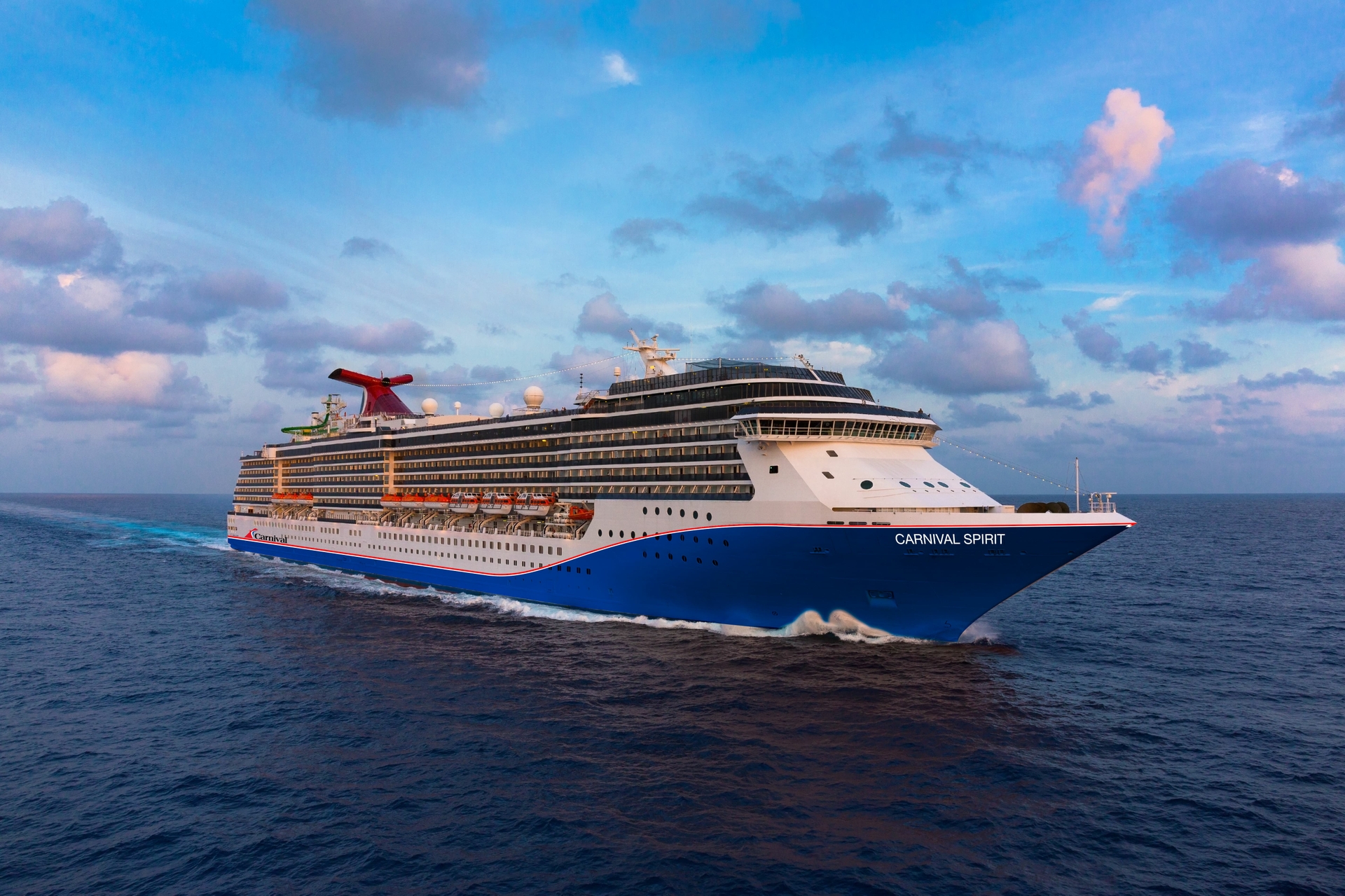 Photo: Carnival Cruise Line
COVID testing requirements on cruises are essentially dead in 2025. Every major cruise line — Carnival, Royal Caribbean, Norwegian, Celebrity, MSC, Disney, Princess, and the rest — dropped mandatory COVID testing for embarkation back in 2022–2023, and none have brought them back. You do not need a negative test to board a cruise ship in 2025.
That said, there are a few edge cases that can still catch travelers off guard, so read on before you assume everything is completely frictionless.
The Short Answer: No COVID Test Required — With a Few Exceptions
For the overwhelming majority of cruises departing from US ports in 2025, you will not be asked for a COVID test at embarkation. The same applies to sailings from UK, European, Australian, and Canadian homeports. The pandemic-era health screening gauntlet — the pre-cruise tests, the health attestation forms, the color-coded wristbands — is gone.
Here's where things currently stand across the major lines:
| Cruise Line | COVID Test Required (2025) | Masking Required | Health Form Required |
|---|---|---|---|
| Carnival Cruise Line | ❌ No | ❌ No | ❌ No |
| Royal Caribbean | ❌ No | ❌ No | ❌ No |
| Norwegian Cruise Line | ❌ No | ❌ No | ❌ No |
| Celebrity Cruises | ❌ No | ❌ No | ❌ No |
| MSC Cruises | ❌ No | ❌ No | ❌ No |
| Disney Cruise Line | ❌ No | ❌ No | ❌ No |
| Princess Cruises | ❌ No | ❌ No | ❌ No |
| Holland America | ❌ No | ❌ No | ❌ No |
| Virgin Voyages | ❌ No | ❌ No | ❌ No |
The policy landscape is clean across the board. No tests, no mandatory masks, no pre-cruise health declarations required at the ship level.
 Photo: Carnival Cruise Line
Factors That Could Still Affect You
Just because the cruise line doesn't require a test doesn't mean every country your ship visits is equally relaxed. Here's what can still create complications:
1. Destination port entry requirements A small number of countries still maintain their own entry health rules that are entirely separate from cruise line policy. In 2025, most Caribbean, Mexican, and European destinations have zero COVID requirements for cruise passengers. However, some Pacific Island nations and a few Asian ports have historically been slower to fully drop all entry protocols. Always check the official government entry requirements for every country on your itinerary — not just the cruise line's website.
2. If you're visibly sick at embarkation This is the one that surprises people. Cruise lines reserve the right to deny boarding to any passenger displaying obvious symptoms of respiratory illness — fever, persistent cough, difficulty breathing. This isn't a COVID-specific policy; it's standard maritime health law. A ship's medical officer can turn you away even if you have a perfectly clean test result in hand. Travel insurance that covers trip interruption due to illness is not optional — it's essential.
3. Onboard outbreaks If a significant outbreak occurs mid-cruise, individual ships can reinstate temporary masking or testing protocols at the captain's discretion. This is rare, but it happened in 2023 and 2024 on a handful of sailings. You'd be notified onboard — not beforehand.
4. Cruises to China or specific Asia-Pacific ports If you're sailing a repositioning cruise or an Asia itinerary that calls at certain ports, check port-specific requirements. Japan, South Korea, and most of Southeast Asia are fully open with no COVID requirements in 2025, but this is the one region where I'd double-check 60 days before departure just to be safe.
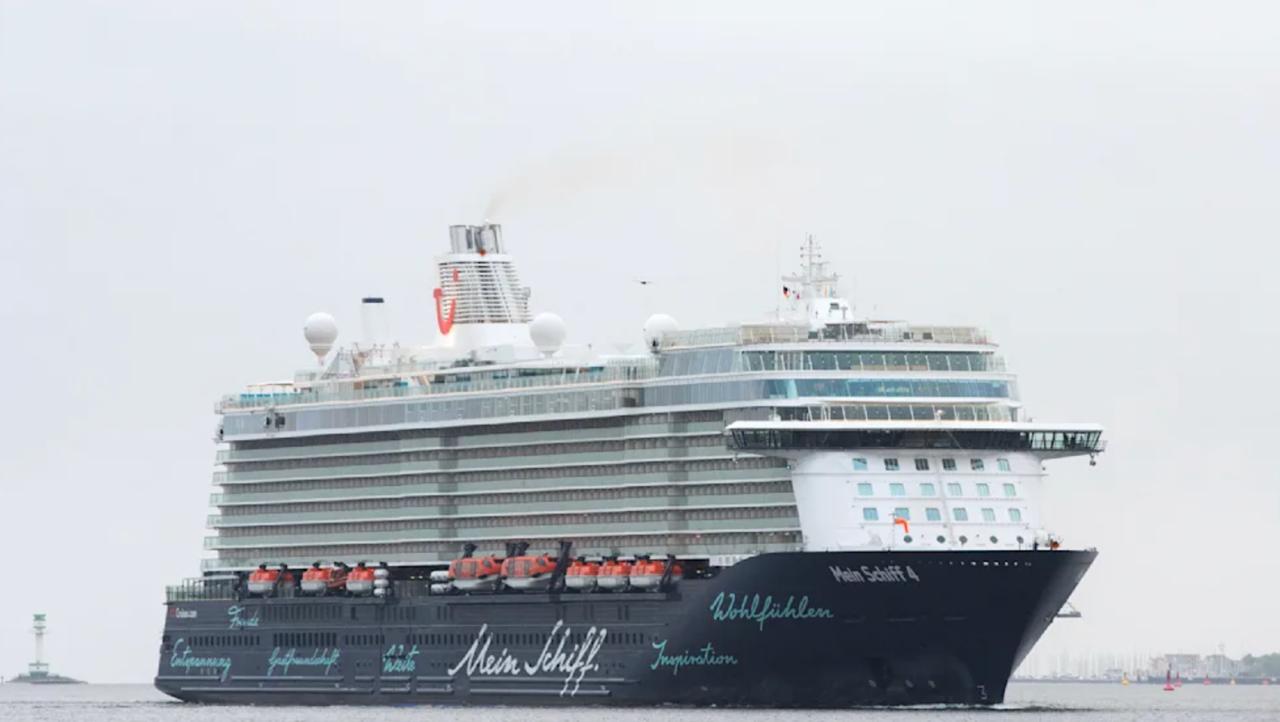 Photo: Royal Caribbean International
What Cruise Health Protocols Actually Look Like in 2025
Here's the practical reality of what you'll encounter at embarkation in 2025 — the COVID-era checklist versus what's actually happening now:
| Requirement | COVID Peak (2021–2022) | 2025 Reality |
|---|---|---|
| Pre-cruise COVID test | ✅ Mandatory (within 24–48 hrs) | ❌ Gone |
| Health attestation form | ✅ Required online before boarding | ❌ Gone |
| Proof of vaccination | ✅ Required on most lines | ❌ Gone |
| Mask mandate onboard | ✅ Required in most indoor spaces | ❌ Gone |
| Temperature screening at pier | ✅ Standard at embarkation | ❌ Gone |
| Reduced capacity sailings | ✅ 50–70% occupancy caps | ❌ Ships sailing full |
| Enhanced medical questionnaire | ✅ Detailed symptom checklist | ❌ Minimal or none |
Ships are sailing at or above 100% capacity again, staterooms are being double-booked on bunk configurations, and the industry is fully back to pre-pandemic normal operationally.
Practical Tips Before You Sail
1. Check your cruise line's health page 30 days before departure — not just when you book Policies can change. Set a calendar reminder to re-check the official health advisory page for your specific cruise line about a month out. It takes two minutes and eliminates nasty surprises at the pier.
2. Check destination entry requirements independently Use the IATA Travel Centre (iatatravelcentre.com) or the official government website for each country on your itinerary. Cruise line FAQ pages sometimes lag behind actual policy changes.
3. Buy travel insurance that covers medical evacuation and trip interruption COVID testing may be gone, but COVID itself is not. If you test positive two days before embarkation and can't board, a solid travel insurance policy (expect to pay $150–$400 per person depending on trip cost and coverage level) can recover your cruise fare. This is the one COVID-era habit worth keeping.
4. Pack a few rapid antigen tests anyway They're cheap (about $8–$12 for a two-pack at any pharmacy), take up zero luggage space, and give you peace of mind if you develop symptoms mid-cruise. Knowing whether you actually have COVID — rather than a bad cold — helps you make smart decisions about quarantining voluntarily versus using the ship's medical center.
5. Register with your country's embassy for international sailings For cruises outside your home region, the US State Department's STEP program (or equivalent for UK/Australian travelers) can be genuinely useful if a health situation develops in a foreign port.
The Cost Reality: What You'd Have Spent in 2022 vs. Nothing Now
To put the testing era in perspective — and to illustrate exactly how much friction has been removed:
| COVID-Era Testing Expense | Peak Cost (2022) | 2025 Cost |
|---|---|---|
| Rapid antigen test (home kit) | $20–$35/person | $0 (not required) |
| PCR test (pharmacy/clinic) | $75–$150/person | $0 (not required) |
| Proctored telehealth test | $40–$75/person | $0 (not required) |
| Pre-cruise testing for family of 4 | $80–$600 total | $0 |
| Last-minute positive test / rebooking | $500–$3,000+ in losses | $0 (no test = no risk) |
A family of four sailing in 2022 could easily burn $200–$600 in mandatory testing costs before even reaching the pier — plus the anxiety of waiting for results with your luggage packed. That era is over.
The cruise lines learned a hard lesson: friction at embarkation kills consumer confidence. They've removed every COVID-specific barrier they legally could, and the result is the smoothest embarkation experience in the industry's history.
If you're planning a 2025 or 2026 sailing and want to see a full cost breakdown — from embarkation fees to onboard gratuities to drink packages — CruiseMutiny runs the numbers so you know exactly what you're getting into before you book. You can also compare live cruise fares through our booking partner CruiseHub to find the best deal on your specific itinerary.