A European cruise typically costs $150–$350 per person per day all-in for mainstream lines, with a 7-night Mediterranean sailing running $1,050–$2,450 per person before flights. Budget lines like MSC start around $800–$1,200 for the base fare alone, while premium lines like Celebrity or Viking push $2,500–$5,000+ for the same itinerary.
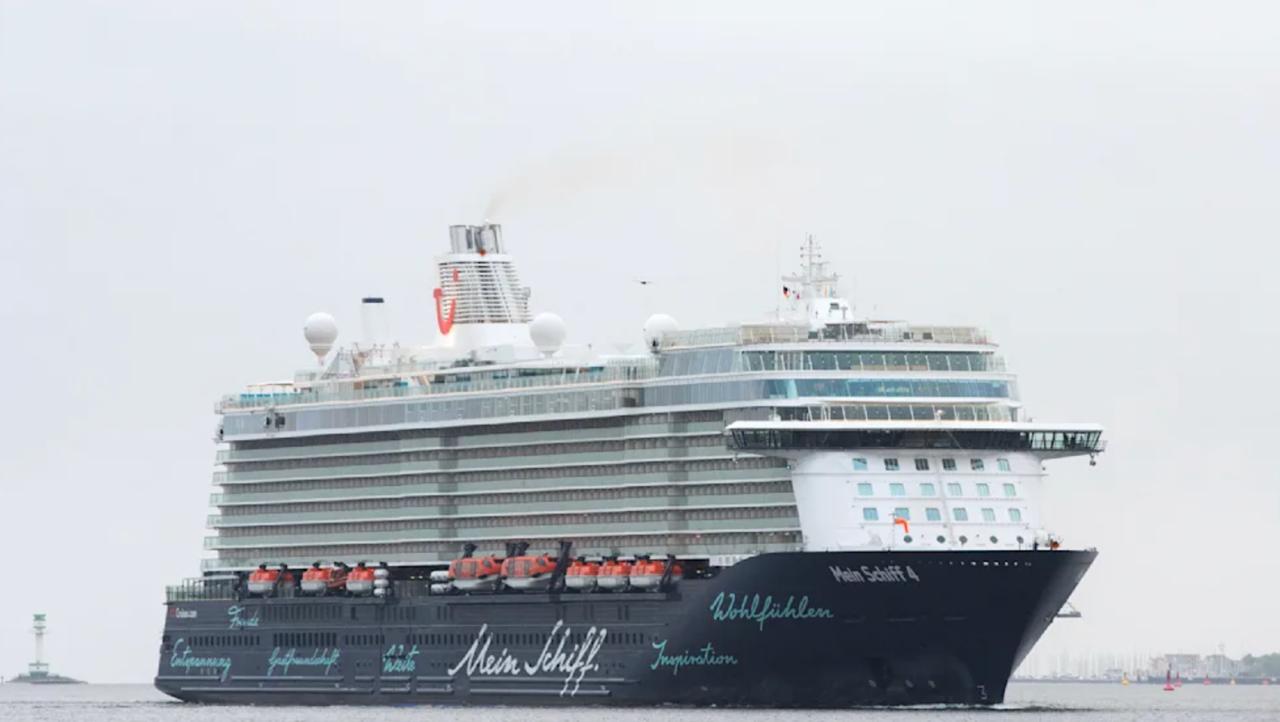 Photo: Royal Caribbean International
European cruises have a reputation for being glamorous and affordable. The first part is true. The second part depends entirely on which numbers you're looking at — and cruise lines are very good at showing you the cheap ones first.
Here's the real cost of a European cruise in 2025–2026, broken down so nothing sneaks up on you at the end.
What a European Cruise Actually Costs: The Full Numbers
A 7-night Mediterranean cruise — the most popular European itinerary — ranges from around $800 to $5,000+ per person for the base fare depending on the line and cabin category. But the base fare is just the beginning. Add gratuities, drinks, Wi-Fi, specialty dining, and shore excursions, and the real per-day cost looks very different.
| Cost Category | Budget (MSC, Costa) | Mid-Range (Royal Caribbean, Norwegian, Celebrity) | Premium/Luxury (Viking, Oceania, Regent) |
|---|---|---|---|
| Base Fare (7 nights, per person) | $800–$1,200 | $1,400–$2,800 | $3,000–$7,000+ |
| Gratuities (7 nights) | $112–$175 | $119–$175 | Included |
| Drink Package (7 nights) | $350–$500 | $490–$840 | Included or $0–$350 |
| Wi-Fi (7 nights) | $105–$175 | $175–$280 | Included |
| Specialty Dining (2 nights) | $46–$90 | $80–$160 | Included or minimal |
| Shore Excursions (3 ports) | $150–$300 | $225–$450 | $300–$600 |
| Total Estimated Per Person | $1,563–$2,440 | $2,489–$4,705 | $3,300–$7,950+ |
| Effective Per Day | $223–$349 | $356–$672 | $471–$1,136 |
These are per-person estimates based on double occupancy. Solo travelers pay 75–100% single supplements on most lines — that's not a typo, and it's brutal.
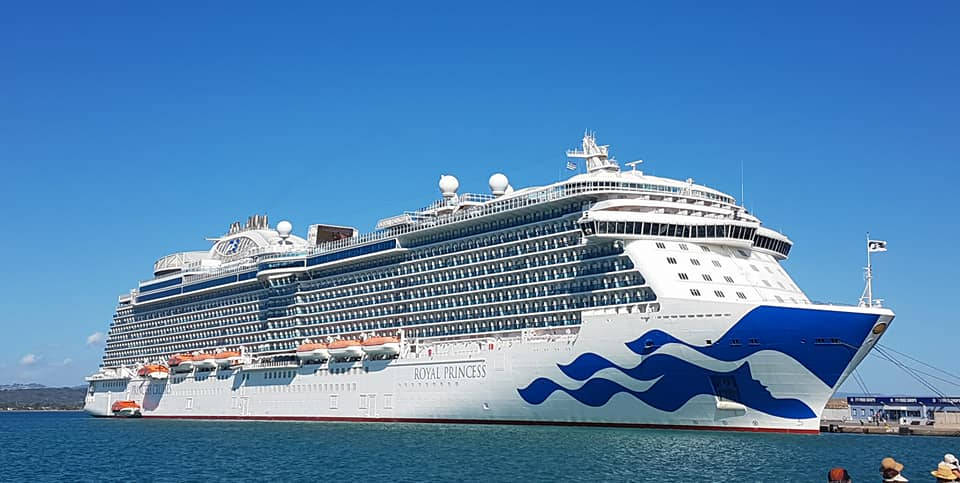 Photo: Royal Caribbean International
Key Factors That Drive the Cost of a European Cruise
1. Itinerary Length and Ports
Mediterranean cruises typically run 7–12 nights. A 7-night sailing hits 4–5 ports (Barcelona, Rome/Civitavecchia, Naples, Santorini, Athens are the classics). A 12-night adds Northern Europe or Adriatic ports. Longer sailings mean more port fees and taxes — typically $150–$350 per person tacked onto the base fare — and more excursion spending.
2. Repositioning Cruises Are the Hidden Value Play
Transatlantic repositioning cruises (April–May eastbound, October–November westbound) frequently sail 12–14 nights at prices that make no sense — sometimes $80–$120/night per person in an inside cabin. The catch: lots of sea days, and you need a one-way flight back. If sea days don't bother you, this is the best deal in cruising.
3. Drink Package Math in Europe
Most mainstream lines charge $70–$120 per person per day for the premium beverage package on European sailings — often priced higher than Caribbean itineraries because of European wine and spirits costs on board. Pre-cruise pricing from your Cruise Planner typically saves 20–30% vs. buying on board. Check your Cruise Planner for your exact sailing price.
The break-even is 5–6 drinks per day including specialty coffee. European itineraries are port-heavy — you'll be off the ship most days. If you're sightseeing in Rome from 8am to 6pm, you're not drinking on the ship. Many travelers skip the package on Mediterranean sailings for this exact reason.
4. Gratuities
Mainstream lines charge $16–$25 per person per day in gratuities, auto-added to your onboard account. For a couple on a 10-night cruise, that's $320–$500 you may not have budgeted. Premium and luxury lines (Viking, Oceania, Regent, Silversea, Virgin Voyages) include gratuities in the fare — factor this into your apples-to-apples comparison.
5. Shore Excursions Are the Biggest Wildcard
This is where European cruises get expensive fast. Cruise line excursions in Mediterranean ports run $75–$200+ per person per excursion. Rome in a day? $120–$180 per person through the cruise line. A private transfer and independent touring can cut that by 30–50%. In ports like Dubrovnik, Santorini, and Amalfi, independent access is easy. In ports like Pompeii or the Vatican, booking independent tickets in advance beats the cruise line price every time.
6. Flights to Europe Are a Separate Budget Line
Transatlantic flights from the US add $600–$1,800+ per person depending on origin, timing, and class. European cruises typically embark from Barcelona, Rome (Civitavecchia), Venice, Athens (Piraeus), or Lisbon. Factor in at least one pre-cruise hotel night — arriving the same day as embarkation is a flight-delay risk you don't want to take.
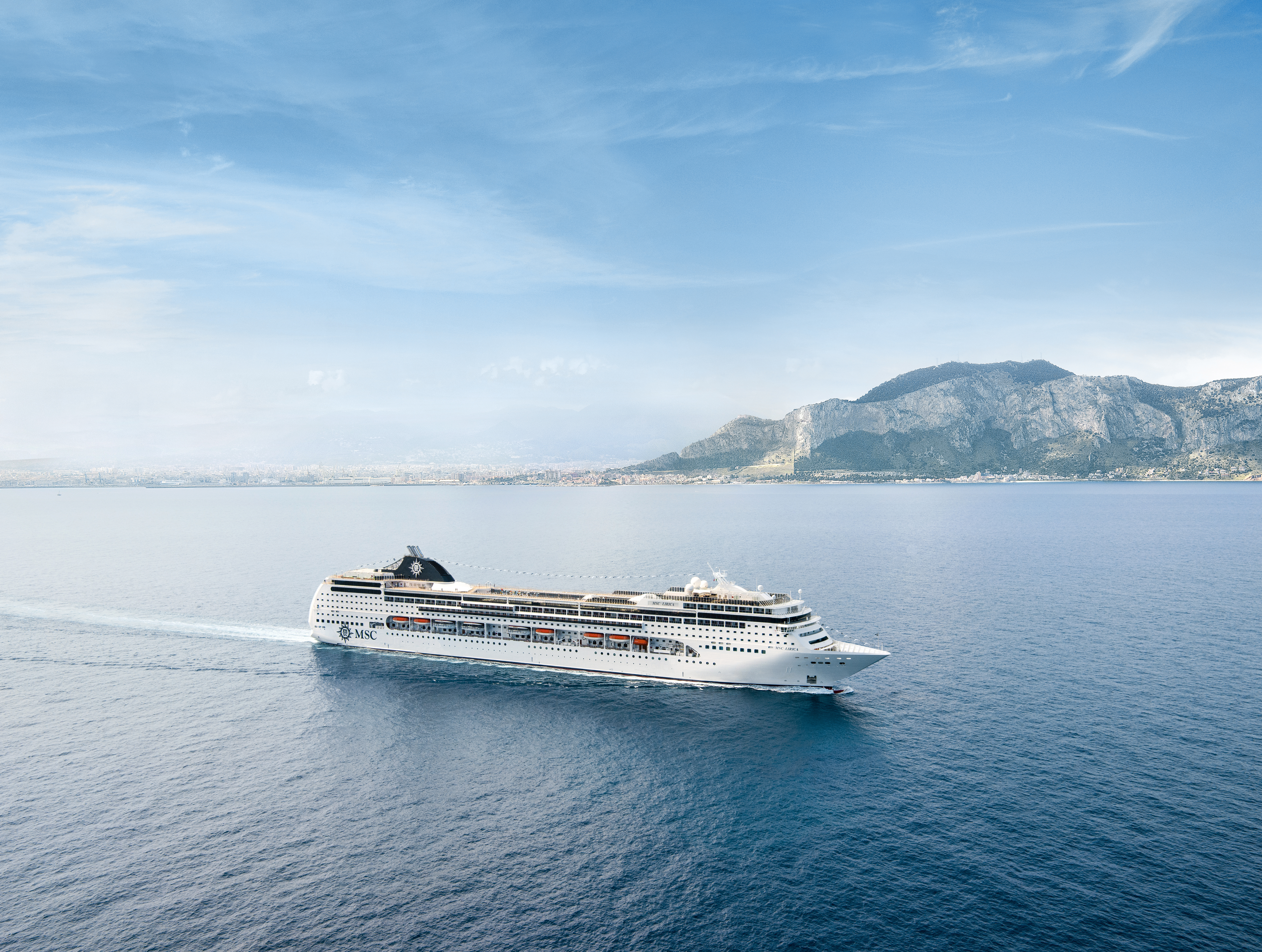 Photo: MSC Cruises
How to Save Money on a European Cruise
Book Early or Book Late — Nothing In Between
European sailings hit peak demand. Early booking (12–18 months out) locks the best cabin selection and sometimes free perks (drink packages, Wi-Fi, gratuities). Last-minute deals (within 60–90 days) can slash prices 30–50% but leave you scrambling for expensive flights.
Go Off-Peak: May or September
July and August are the most expensive months for Mediterranean cruises — and the most crowded. May and September offer nearly identical weather, 15–25% lower cruise fares, and dramatically shorter lines at every major attraction. October sailings drop further but some ports start closing seasonal services.
Compare True All-In Cost Across Lines
MSC's base fare looks cheap. But add a drink package, gratuities, and Wi-Fi, and a Celebrity Cruise with a perks package often lands within $200–$400 of the total. Do the math before you assume budget equals cheap.
Skip the Cruise Line Excursions in Easy Ports
In Santorini, Athens, Barcelona, and Dubrovnik, you can handle everything independently. Save the cruise line excursions for ports where logistics genuinely require a guide — like Pompeii, the Vatican, or shore-tender ports with complex transfers. You'll cut excursion costs by $150–$400 per person on a typical 7-night sailing.
Consider Repositioning Cruises
If your schedule is flexible, a spring or fall transatlantic repositioning cruise is the best per-night value in cruising. Royal Caribbean, Celebrity, Holland America, and Norwegian all run repositioning sailings at prices that can hit $75–$130/night per person all-in before gratuities.
Which European Cruise Line Is Right for You?
| Traveler Type | Best Line | Why |
|---|---|---|
| Budget-first, first-timer | MSC Cruises | Lowest entry fares in Europe; Yacht Club upgrade worth considering |
| Families with kids | Royal Caribbean, Norwegian | Kids' clubs, flexible dining, wide activity range |
| Couples, mid-range | Celebrity Cruises | Modern luxury feel, perks packages often include drinks + Wi-Fi |
| Premium couples/foodies | Viking Ocean, Oceania | All-inclusive pricing, smaller ships, better port access |
| Ultra-luxury | Regent Seven Seas, Silversea | Truly all-in (excursions, drinks, flights sometimes included) |
| Solo travelers | Norwegian | No-solo-supplement cabins on many ships (Studio cabins) |
Specific ships worth noting:
- MSC Bellissima / MSC Seashore: Best budget option in the Mediterranean with Italian style that actually fits the itinerary
- Celebrity Apex / Celebrity Beyond: Edge-class ships offer the best mid-range product in Europe right now
- Viking Star / Viking Jupiter: Small ships (930 passengers) access ports the megaships can't, all-inclusive pricing makes budgeting simple
You can book European sailings through CruiseHub to compare live pricing across lines before committing.
The Bottom Line
A European cruise costs more than the headline price suggests — plan on $2,500–$4,700 per person all-in for a 7-night Mediterranean sailing on a mainstream line, before flights. The good news: the itineraries are genuinely spectacular, port-heavy schedules limit onboard spending, and the right timing (May or September) plus smart excursion planning can shave $500–$1,000 per person off that total. Use CruiseMutiny to model the true all-in cost before you book — because the cruise line's advertised price and your final credit card statement are rarely the same number.