Most cruise port stops give you 6–10 hours in port, which is enough for 1–2 highlights per city — but only if you plan ahead, book the right excursions, and know exactly when to be back onboard. Here's how to make every hour count.
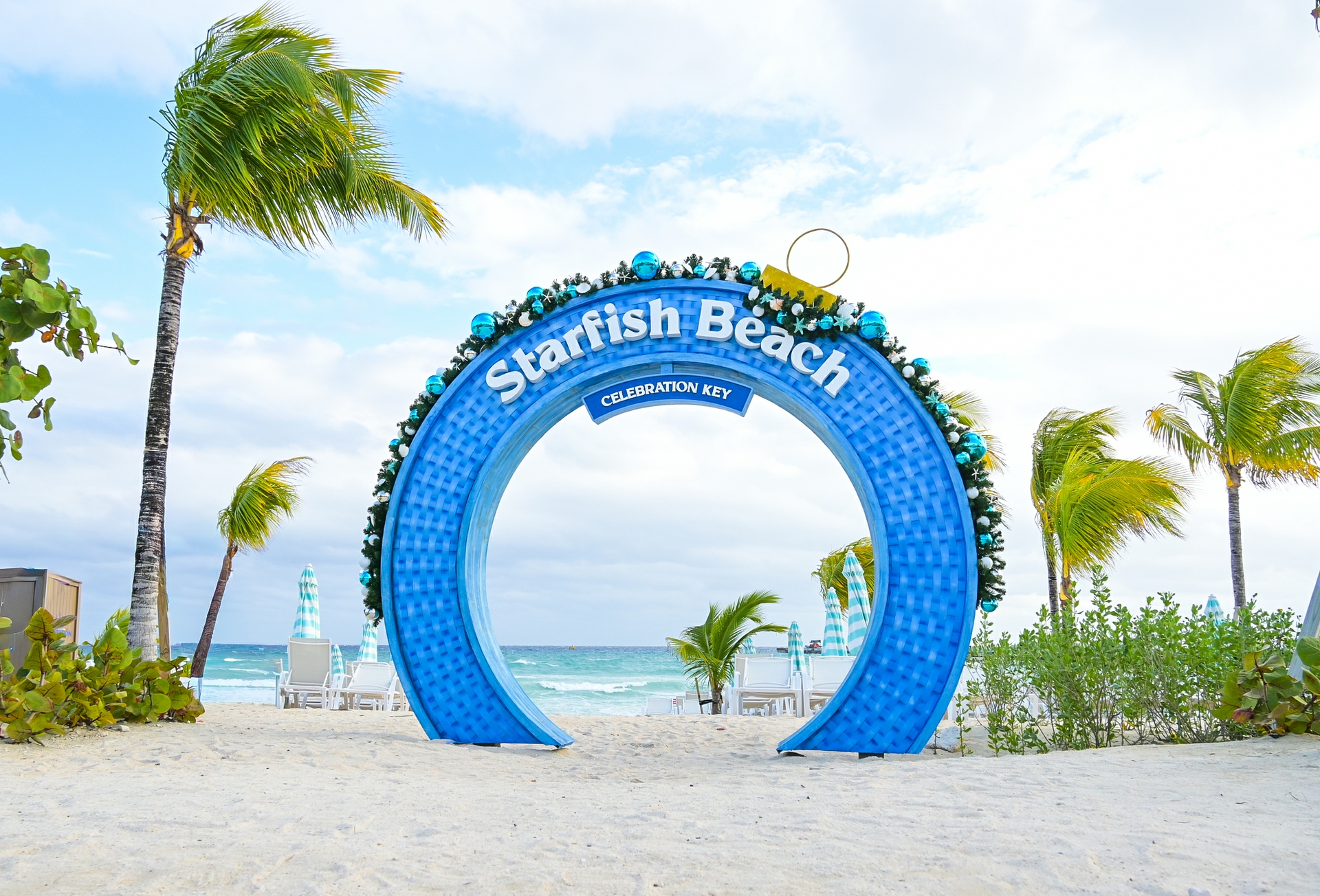 Photo: Carnival Cruise Line
You're about to discover that cruise itineraries are simultaneously generous and brutal: generous because you wake up in a new city every day or two, brutal because you have about 6–10 hours to experience places that deserve a week. First-timers consistently make the same mistake — they either over-schedule and miss the ship, or they wander aimlessly and waste the day. Here's how to thread that needle.
How Much Time Do You Actually Get in Each Port?
Cruise lines list port hours, but the usable time is shorter once you account for docking delays, tendering (being ferried ashore by small boat), and the mandatory return buffer before all-aboard. Plan around 70% of the listed port hours as truly usable time.
Dave's take: Ship size shapes your port experience in ways most first-timers miss — mega ships give you more onboard distractions to fill those 6-hour port gaps if you're not into shore excursions, while smaller ships often force you off the boat because there's genuinely less to do at sea. Neither approach is wrong, but it completely changes whether you're frustrated by limited port time or relieved you have an escape hatch.
— Dave Giovacchini, Travel Mutiny
| Port Stop Duration | Realistic Usable Hours | What You Can Realistically Do |
|---|---|---|
| 4–5 hours | 3–3.5 hours | One activity + quick meal, or beach only |
| 6–7 hours | 4.5–5 hours | One full excursion OR two shorter stops |
| 8–10 hours | 6–7 hours | One excursion + meal + brief explore |
| Overnight (12–16 hrs) | 10–12 hours | Two full experiences + dinner ashore |
| Full day (10+ hrs, no tender) | 8–9 hours | Two excursions or one deep-dive experience |
The all-aboard rule is non-negotiable. Ships leave without you. Budget at least 60–90 minutes of buffer before the posted all-aboard time — more if you're doing an independent excursion far from the ship.
 Photo: Travel Mutiny
Key Factors That Determine Whether Your Time Is "Enough"
1. Tender ports vs. dock ports When the ship can't pull into a pier, you board small tender boats to get ashore. Factor in an extra 20–45 minutes each way. Popular tender ports include Santorini, Bora Bora, and some Bahamas stops. Check this before you build your schedule.
2. Cruise line vs. independent excursions Cruise-line tours guarantee you get back on time — the ship waits for its own buses. Independent Viator-style tours run $53–$250 and often deliver better value and flexibility, but you are solely responsible for getting back. In Ensenada, for example, independent tours cost 30–50% less than cruise-line offerings, but a wine tour running 8–10 hours can easily eat your entire port day and still cut it close.
3. Port location vs. the actual city Some cruise ports dock downtown; others dock 30–60 minutes from the interesting parts. Cape Liberty (New York) requires transit into Manhattan — factor in 45–60 minutes each way minimum. Miami's port is unusually close to action, but even there, pre-cruise morning time is better spent eating breakfast and checking in calmly than rushing through Wynwood ($52 walking tours) or Little Havana ($35 cigar factory tours).
4. Embarkation day is not a shore day You won't do meaningful sightseeing on the day you board. Focus on smooth embarkation. If you're at a home port like Miami or New York and have 3–4 hours to kill, a quick food walk or pedicab ride ($38–$99) can work — but most first-timers are better served arriving calm and early.
5. Number of highlights vs. depth Cruise stops reward breadth, not depth. Pick ONE anchor experience per port — the must-do you'd regret missing — and treat anything else as a bonus. Trying to hit three sites in six hours usually means seeing none of them properly.
 Photo: Carnival Cruise Line
Port Time Budget at a Glance
| Traveler Style | Best Use of Port Time | Excursion Budget/Person | Risk Level |
|---|---|---|---|
| First-timer, cautious | Cruise-line guided tour + waterfront lunch | $60–$120 | Low |
| First-timer, adventurous | Viator independent tour + local restaurant | $53–$150 | Medium |
| Repeat cruiser | Self-guided walk + specific restaurant reservation | $20–$80 | Low–Medium |
| Beach lover | Ship beach break or local beach club | $0–$85 | Low |
| Culture-focused | Museum + neighborhood walk | $15–$60 | Low |
Practical Tips to Make Every Port Hour Count
Book excursions before you board. Cruise-line shore excursions and Viator tours sell out, especially for small-group options. Waiting until you're onboard often means paying a premium for whatever's left.
Set two alarms for all-aboard. Seriously. One for "leave now" and one for "you are running late." First-timers routinely misjudge transit times.
Download offline maps before each port. Cell data is expensive at sea and unreliable in port. Google Maps offline mode costs you nothing and could save your day.
Eat ashore, not on the ship. You're paying for the ship's food anyway — use port stops to eat local. It's usually cheaper, more memorable, and keeps you moving efficiently through the city.
Tender ports: get in the tender line early. On popular tender days, lines form quickly. Being 30 minutes late to the tender queue can cost you an hour of port time.
One anchor activity per port, full stop. First-timers who try to see everything see nothing well. Pick the one thing you'd tell friends about. Do that. Then improvise with whatever time remains.
Independent tours: always confirm the pickup time in writing. In ports like Ensenada, independent guides are excellent and 30–50% cheaper than cruise-line options — but miscommunication about return times has stranded more than a few passengers.
Specific Port Reality Checks
Miami (embarkation): You're not sightseeing here — you're getting on the ship. If you have extra morning time, Wynwood art walks ($52), Little Havana cigar tours ($35), or Art Deco walking tours ($49–$80) are doable. Everglades airboat tours ($135–$185) are possible but require advance booking and tight timing. For most first-timers, skip it — arrive calm.
New York / Cape Liberty (embarkation): Similar logic. If you're local or staying overnight, a 2–3 hour Chinatown or Central Park pedicab tour ($38–$99) can fill the morning. But the transit math from Cape Liberty into Manhattan and back is unforgiving — don't cut it close.
Ensenada (day stop): A classic example of "enough time if you plan right." Downtown food walks (3–4 hours) fit comfortably within a typical 6–8 hour port call. Wine tours (8–10 hours) will consume your entire day and leave no margin. Return independently at least 1–2 hours before all-aboard.
The bottom line: cruise port time is almost always "enough" for one meaningful experience per city. It's rarely enough for two. Plan ruthlessly, buffer generously, and remember that missing the ship costs infinitely more than skipping a second excursion.
Use CruiseMutiny to map your specific itinerary stops, estimate real usable port hours, and figure out which excursions are worth the price — before you're standing on a dock wondering where the afternoon went.