First-time cruisers typically spend $150–$350 per person per day all-in once you add gratuities ($18/day), drinks, Wi-Fi, shore excursions, and specialty dining on top of the base fare — meaning a 7-night Caribbean cruise for two can realistically cost $3,500–$7,000 total, not the $599/person advertised.
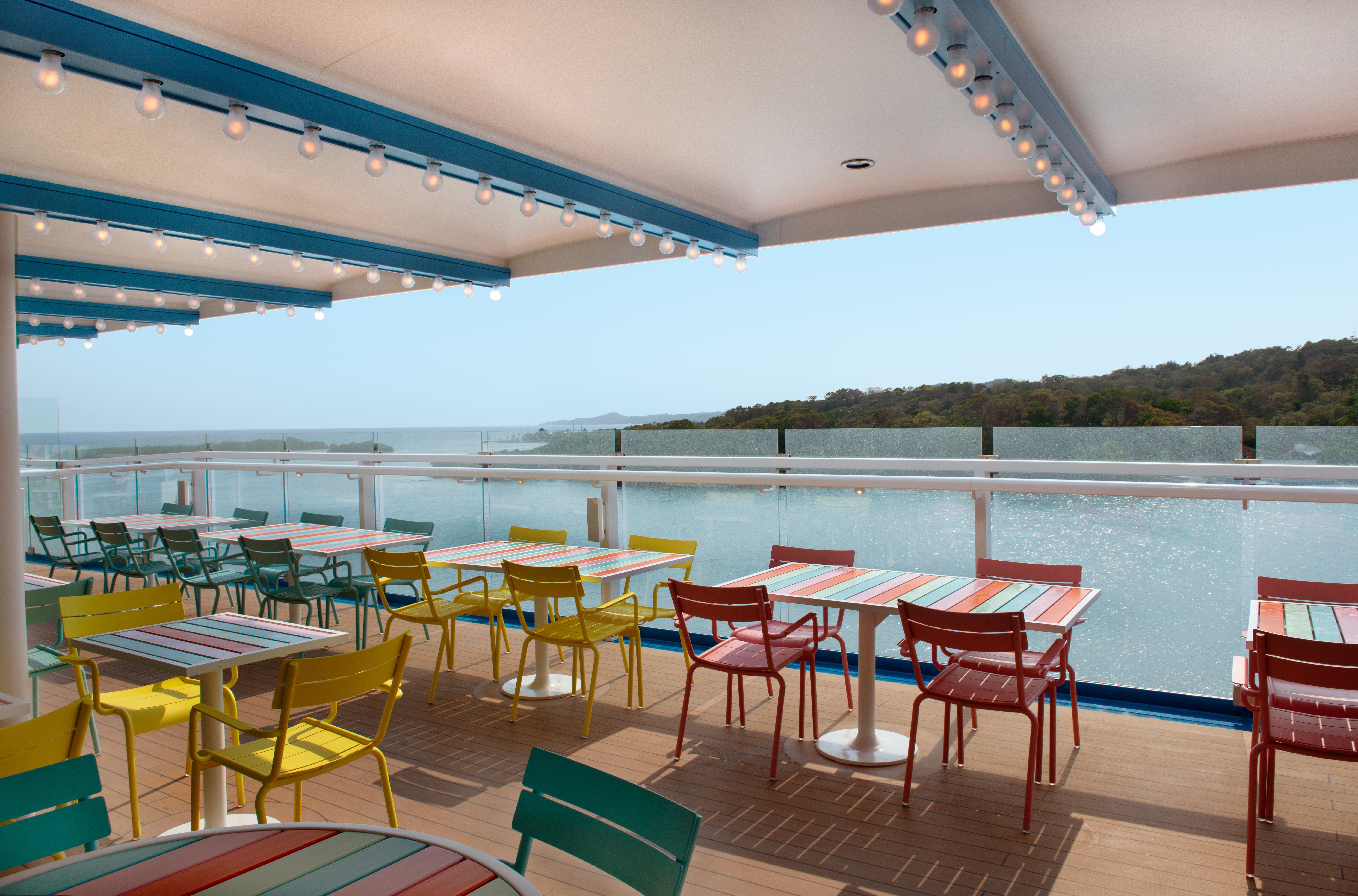 Photo: Carnival Cruise Line
The cruise brochure price is a trap. That $599/person fare for a 7-night Caribbean cruise sounds like a steal — until you realize gratuities, drinks, Wi-Fi, and shore excursions can double your final bill before you've bought a single souvenir. Here's exactly what you're actually going to spend.
What Does a Cruise Actually Cost? The Real Numbers
The cruise industry sells fares the way airlines sell base tickets — stripped of everything that makes the trip functional. Your "fare" covers your cabin, main dining room meals, and basic entertainment. Everything else is à la carte, and those à la carte items add up fast.
For a 7-night Caribbean cruise for two people, here's what realistic total costs look like across budget, mid-range, and splurge scenarios:
| Cost Category | Budget (2 people) | Mid-Range (2 people) | Splurge (2 people) |
|---|---|---|---|
| Base Fare (per person) | $599–$799 | $900–$1,400 | $1,800–$3,500+ |
| Gratuities ($18/pp/day) | $252 | $252 | $252–$350 |
| Drink Package | Skip it (~$150 OOP) | $700–$980 (pre-cruise) | $1,200–$1,680 |
| Wi-Fi (1 device each) | Skip or $175 | $350 | $420+ |
| Shore Excursions | $0–$200 (independent) | $400–$700 | $800–$2,000+ |
| Specialty Dining | $0 | $80–$160 | $300–$600 |
| Miscellaneous (photos, spa, etc.) | $50 | $150–$300 | $500+ |
| Total Estimated | $1,400–$2,000 | $3,800–$5,500 | $7,500–$15,000+ |
| Per Person Per Day | ~$100–$145 | ~$270–$395 | $535+ |
The mid-range scenario is what most first-timers actually spend — they book at the budget level, then add drinks, Wi-Fi, and a few excursions once onboard.
 Photo: Carnival Cruise Line
The 5 Costs First-Timers Almost Always Forget
1. Gratuities — Not Optional in Practice Every mainstream cruise line (Carnival, Royal Caribbean, Norwegian, Celebrity, MSC, Princess) charges automatic gratuities of $16–$25 per person per day. The 2025–2026 industry average is $18/pp/day. On a 7-night cruise for two, that's $252 minimum added to your bill. On suites, add another $3–$5/day. You can technically remove them on some lines, but it's frowned upon — the crew depends on this income.
2. Drinks — Nothing is Free Except Water and Coffee The main dining room and buffet give you water, lemonade, iced tea, and basic drip coffee for free. Everything else costs money:
| Drink | Typical Price | With 20% Gratuity |
|---|---|---|
| Domestic Beer | $7.50 | $9.00 |
| Well Cocktail | $11.50 | $13.80 |
| Signature Cocktail | $13.50 | $16.20 |
| Premium/Top-Shelf | $16.00 | $19.20 |
| Wine by the Glass | $11.00 | $13.20 |
| Specialty Coffee | $6.00 | $7.20 |
| Bottled Water | $4.00 | $4.80 |
Drink packages run $50–$120/person/day pre-cruise (check your Cruise Planner for your exact sailing — prices are dynamic). The break-even point is roughly 5–6 drinks per day including specialty coffees. On a port-heavy Caribbean itinerary with 2–3 sea days, skipping the package often saves money. On a sea-heavy or transatlantic route with 5+ sea days, the package usually wins.
3. Wi-Fi — Expect to Pay $25/Device/Day Basic Wi-Fi runs $15–$40/device/day depending on the line and package tier. Streaming-capable plans average $30/device/day. Prices are rising 5–10% per year as lines upgrade to Starlink. For two people sharing one device: budget $175–$210 for a 7-night cruise.
The only mainstream lines that include Wi-Fi in their base fare: Virgin Voyages, Oceania (as of 2025), Regent Seven Seas, Silversea, Seabourn, and Viking Ocean.
4. Shore Excursions — The Biggest Wildcard Cruise line excursions average $60–$150/person per port. A 4-port Caribbean cruise with two excursion days for two people = $240–$600 through the ship. You can often do the same activities independently for 30–60% less — just make sure you're back at the ship 30 minutes before all-aboard or it sails without you (yes, really).
5. The 18–20% Service Surcharge on Everything Every drink, spa treatment, specialty dining meal, and room service order adds an automatic 18–20% gratuity on top of the listed price. Carnival, Norwegian, and Holland America moved to 20% in 2025–2026. This is separate from the daily cabin gratuity. Always mentally add 20% to any onboard price you see.
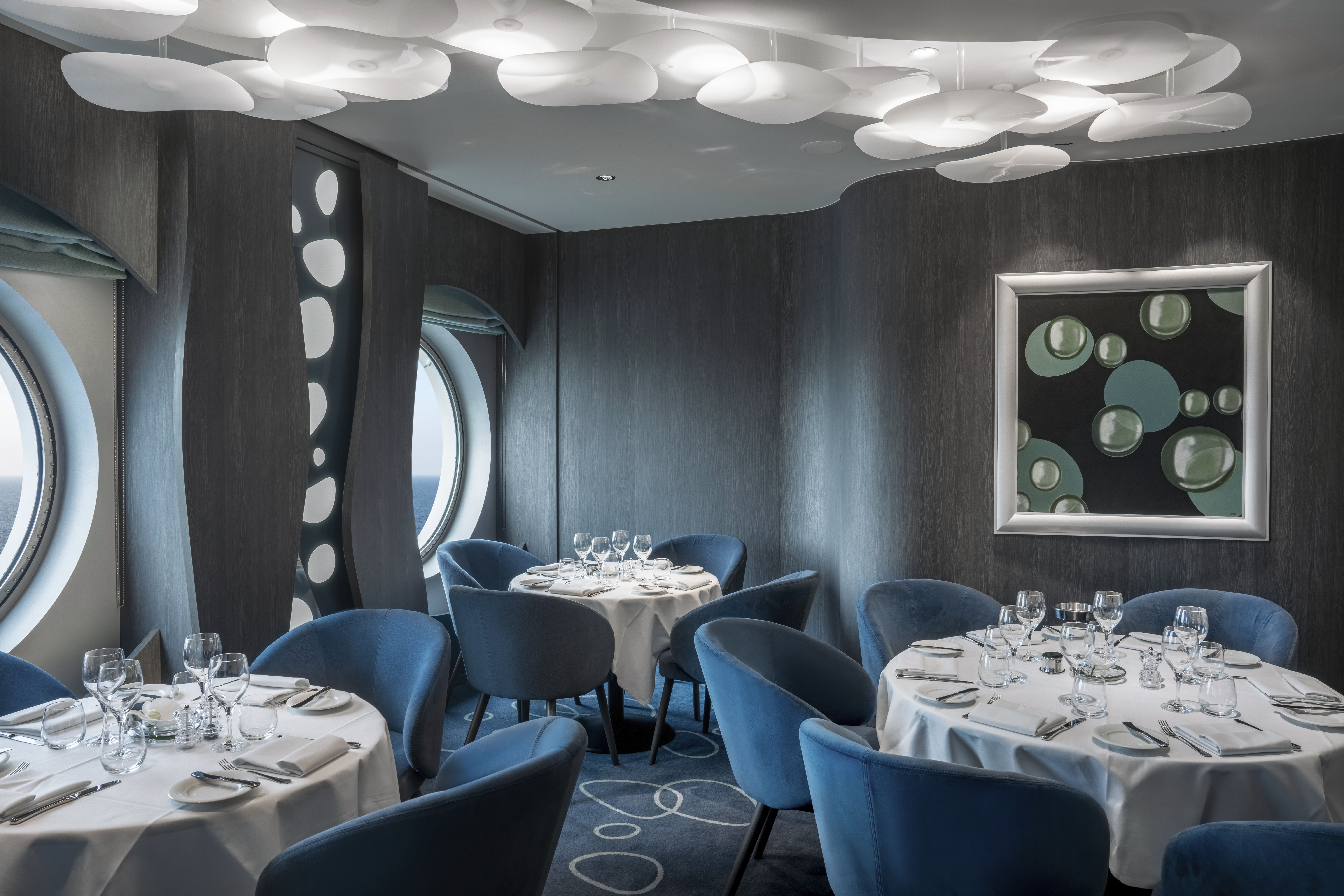 Photo: MSC Cruises
Which Cruise Line Is Right for Your First Cruise?
| Cruise Line | Base Fare Style | Best For | Watch Out For |
|---|---|---|---|
| Carnival | Lowest fares | Fun, social, party vibe | Crowds, upsell-heavy |
| Royal Caribbean | Mid-range | Activities, families, variety | Nickel-and-diming |
| Norwegian | Mid + "Free at Sea" deals | Solo travelers, flexibility | Free At Sea adds gratuities on packages |
| Celebrity | Mid-premium | Adults, food quality, calm | Drink package pricing |
| MSC | Budget fares | Price-conscious, European style | Limited English support |
| Virgin Voyages | Adults-only premium | No kids, gratuities included, Wi-Fi included | Higher base fare |
| Princess | Mid-range | Older demographic, Alaska/Europe | Suite pricing |
| Disney | Premium | Families with young kids | Everything costs more |
For most first-timers, Royal Caribbean or Carnival on a 5–7 night Caribbean itinerary is the standard entry point. If you want fewer nickel-and-dime moments, Virgin Voyages includes gratuities and Wi-Fi in the fare (adults only, 18+).
7 Ways First-Timers Can Cut Cruise Costs Significantly
1. Buy drink packages pre-cruise, not onboard. Cruise line "Cruise Planner" portals typically sell packages 10–20% cheaper than the same package purchased after boarding. Set a price alert and check back — packages go on sale frequently.
2. Book during wave season (January–March). This is when cruise lines run their best promotions, often with onboard credit, drink package upgrades, or reduced deposits.
3. Skip the Wi-Fi on short itineraries. On a 5-night cruise, ask yourself: do you actually need to be reachable? Download offline maps, shows, and podcasts before boarding. Use port Wi-Fi at cafes.
4. Do independent shore excursions at most ports. In Nassau, Cozumel, or St. Thomas, most activities are accessible by taxi or ferry for a fraction of cruise line prices. Research which ports are walkable from the pier.
5. Eat specialty dining only once — make it count. One specialty dinner at a steakhouse (~$45/person cover + 20% gratuity) is a genuine upgrade. Five specialty dinners is just burning money you could spend ashore.
6. Use the dining room bar, not the pool bar. Drink prices are the same, but the dining room bar tends to be less crowded and bartenders have more time — you'll drink slower and spend less.
7. Book an inside cabin for your first cruise. You'll spend almost zero time in your cabin. The window or balcony experience is genuinely nice, but the $200–$600 upgrade rarely makes sense on your first sailing. Test the experience first, upgrade later.
Realistic First-Timer Budget: What I'd Actually Plan For
If you're booking a 7-night Caribbean cruise for two on Royal Caribbean or Carnival in 2025–2026, here's the honest planning number:
Base fare: $1,400–$2,200 total for two (interior cabin, shoulder season) Gratuities: $252 (non-negotiable, plan for it) Drinks: $0–$980 (skip package or buy pre-cruise) Wi-Fi: $0–$350 (one device, consider skipping) Excursions: $200–$500 (mix of ship + independent) Incidentals: $100–$300 (photos, snacks ashore, a souvenir or two)
All-in realistic total: $2,000–$4,600 for two people.
Anyone who tells you a cruise "only costs $599" is describing the starting bid at an auction, not what you'll actually pay at checkout.
Before you book, run your specific sailing through CruiseMutiny to see exactly what the add-ons will cost on your cruise line, ship, and itinerary — so you can budget honestly and avoid the onboard sticker shock that ruins too many first-time cruises. You can also compare fares and book through CruiseHub, which often has competitive rates and onboard credit deals worth stacking.