Back-to-back cruises can save you $200–$800+ per person compared to booking two separate sailings, thanks to loyalty perks, reduced turnaround-day costs, and occasional B2B discounts of 5–15% from cruise lines.
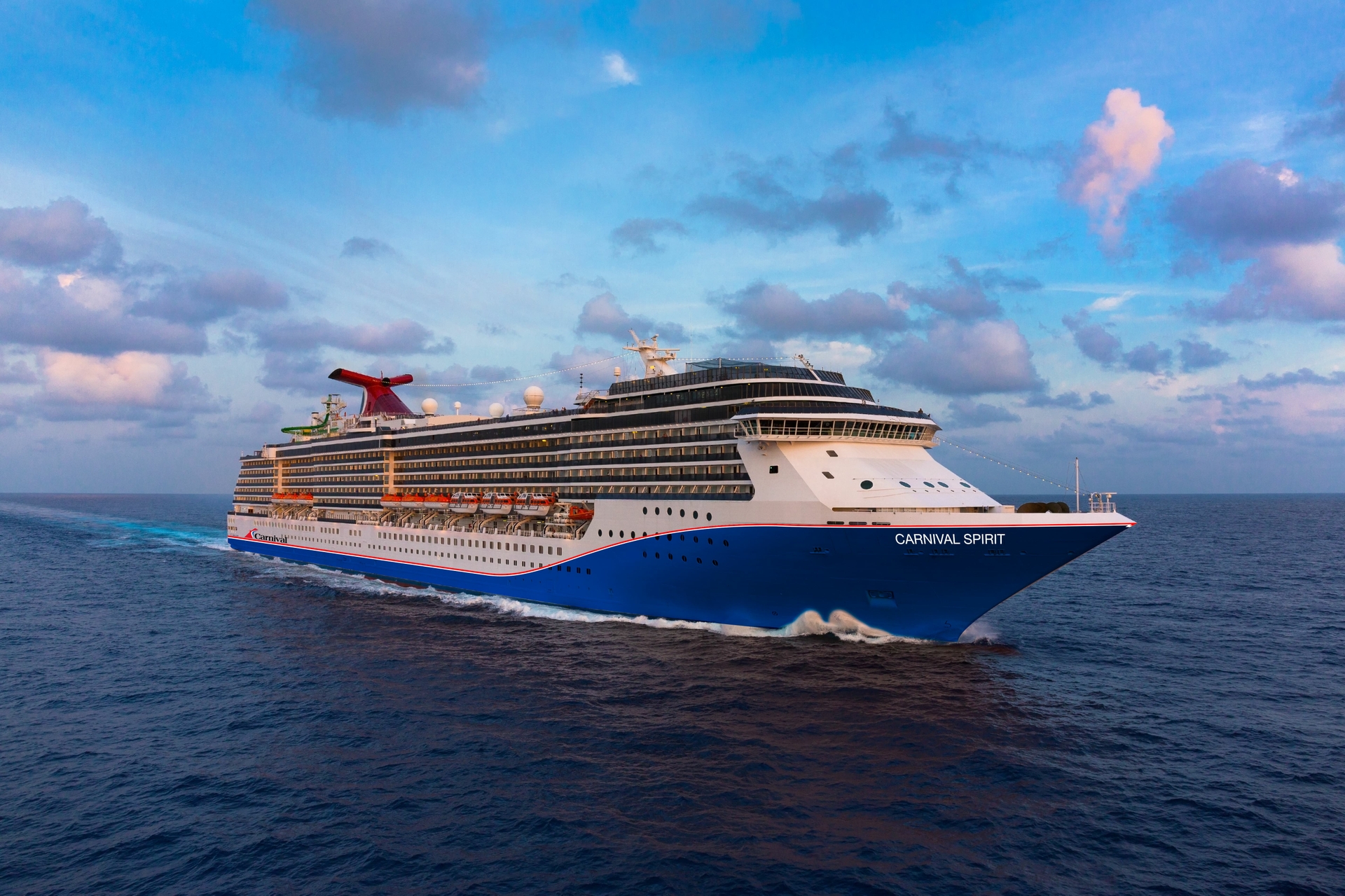 Photo: Carnival Cruise Line
Booking two cruises back-to-back sounds like it should cost the same as booking them separately. It often doesn't — and the gap can be surprisingly large once you stack up every category of savings.
How Much You Actually Save on a Back-to-Back Cruise
The savings come from multiple angles, not one giant discount. Some are guaranteed; others depend on the line and how you play it. Here's a realistic breakdown for a couple doing two 7-night Caribbean sailings:
| Savings Category | Budget Estimate (per person) | Notes |
|---|---|---|
| B2B fare discount (line-offered) | $100–$400 | 5–15% off second sailing; not always advertised |
| Avoided second embarkation flight | $150–$600 | Biggest single saver if you'd fly between ports |
| One less hotel night | $80–$250 | No need to stay over between sailings |
| Turnaround day perks | $50–$150 | Ship access, free lunch, priority re-boarding |
| Loyalty tier acceleration | $0–$200 | Faster status = future cabin upgrades, free laundry, etc. |
| Reduced travel insurance cost | $30–$80 | One policy often covers both legs cheaper than two |
| Total estimated savings | $410–$1,680 per person | Wide range based on line, itinerary, and strategy |
For a couple, that's $820–$3,360 in combined savings — and that's before factoring in the intangible value of only unpacking once.
 Photo: Carnival Cruise Line
Key Factors That Drive Your B2B Savings
1. Whether the cruise line offers a formal B2B discount Norwegian, Royal Caribbean, and Celebrity occasionally run explicit back-to-back promotions — typically 10–15% off the second sailing. These deals aren't always publicly listed, so call and ask directly or work with a cruise specialist. MSC and Carnival are spottier with formal discounts but will sometimes match.
2. Your home port vs. repositioning itineraries If you live near a major cruise port (Miami, Port Canaveral, Galveston), your savings are almost entirely from the fare discount and turnaround perks. If you'd normally fly between two separate sailings — say, Caribbean week one and Bermuda week two — skipping that flight is where the real money lives.
3. Turnaround day treatment On turnaround day, B2B guests typically get a dedicated lounge, complimentary lunch, and early access back onboard while new passengers queue for hours. You're not saving cash directly — but you're getting a half-day experience that'd cost $150+ if you were killing time at a port hotel.
4. Loyalty status compounding Royal Caribbean's Crown & Anchor, Carnival's VIFP, and Norwegian's Latitude all count cruise nights (not trips). Two consecutive 7-night sailings = 14 nights of credit, often pushing you into the next tier faster. That next tier unlocks free laundry, priority dining, and cabin upgrades worth real money on future sailings.
5. Travel insurance economics Insuring a back-to-back as a single longer trip (14 nights) is almost always cheaper than two separate policies. On a $3,000/person trip, expect to save $30–$80 per person depending on your provider.
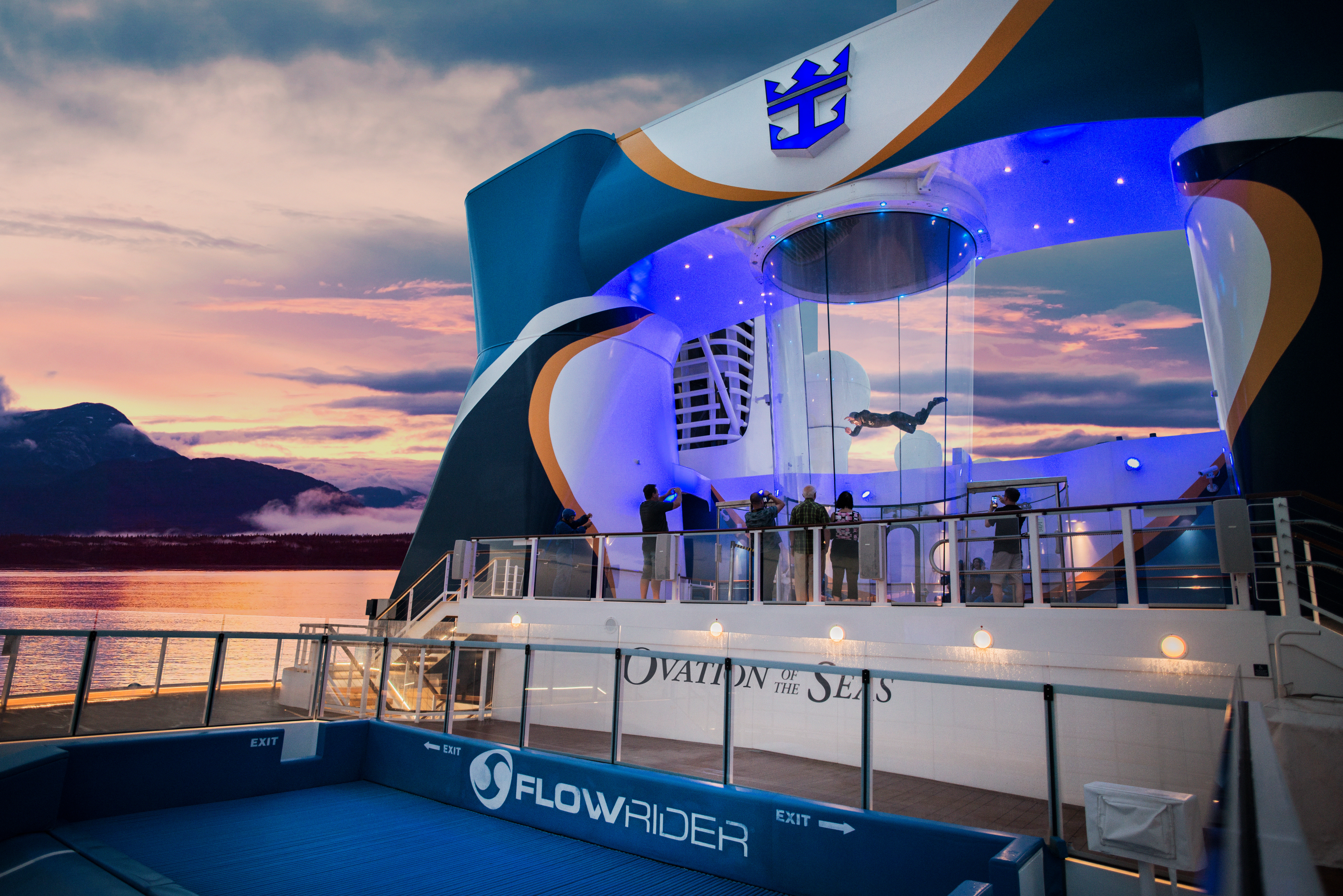 Photo: Royal Caribbean International
Practical Tips to Maximize Your B2B Savings
Book both sailings on the same call or booking. Some lines only apply the B2B discount if both legs are booked simultaneously. If you've already booked the first, ask the line to re-price as a package.
Pick itineraries that depart from the same port. A Miami → Caribbean A → turnaround in Miami → Caribbean B setup costs nothing to bridge. A ship that repositions to a different turnaround port complicates logistics and can eat into savings.
Ask about the "In Transit" letter. This official ship document lets you stay onboard (or return after clearing customs quickly) without waiting in the general boarding line. If your cruise line doesn't mention it, ask Guest Services the day before turnaround.
Don't double-buy drink packages. If you have a beverage package on leg one, confirm it carries over to leg two. On most lines it doesn't auto-transfer — you'll need to rebook it, but you can often get a reduced rate as a B2B guest if you ask.
Watch for the "repositioning trap." A back-to-back where the ship moves — say, Caribbean to Transatlantic — might require flights to the second departure port anyway, wiping out a major chunk of your savings. Do the math before booking.
Use OBC strategically. If you receive onboard credit on both legs, you can't always roll unused credit from leg one to leg two. Spend it before turnaround day or lose it.
Best Lines and Scenarios for B2B Value
| Cruise Line | B2B Discount | Best B2B Scenario |
|---|---|---|
| Royal Caribbean | 10–15% (promoted periodically) | 7-night + 7-night Eastern/Western Caribbean from Miami |
| Norwegian | 10% second sailing (NCL.com promos) | Caribbean or Mediterranean pairs with Free at Sea stacking |
| Celebrity | 5–10% (ask directly) | Alaska + Pacific Coast or Mediterranean pairs |
| Carnival | Case-by-case | Bahamas + Caribbean from Port Canaveral |
| MSC | Rare formal discount | Mediterranean itinerary pairs from Barcelona or Civitavecchia |
| Princess | 5–10% via travel agent | Alaska round-trips from Seattle or Vancouver |
The Royal Caribbean 7-night Eastern + 7-night Western Caribbean combo from Miami is probably the most popular B2B setup for American cruisers — same ship, same port, and the itineraries are genuinely different so you're not repeating stops.
A well-executed back-to-back isn't just about saving money — it's the most efficient way to cruise longer without the logistics and cost of two separate trips. Run the numbers for your specific itinerary with CruiseMutiny to see exactly how much you'd save versus booking two separate sailings, and check current B2B deals via our booking partner at https://book.cruisehub.com/swift/cruise?referrer=dave&siid=191861.