Cruise travel insurance typically costs 4%–10% of your total trip cost, which works out to $100–$500+ per person for most cruises. Whether you need it depends on your health coverage, cancellation risk, and whether you're sailing to remote destinations where medical evacuation could cost $50,000+.
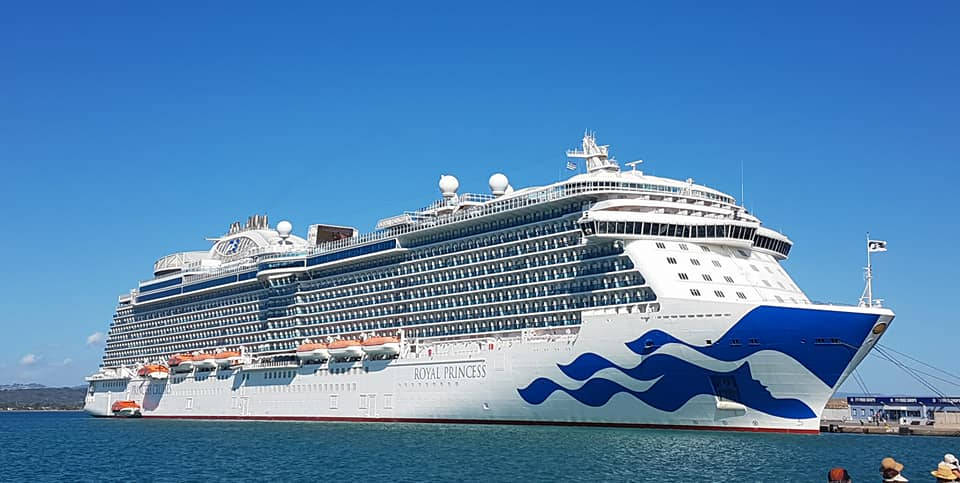 Photo: Royal Caribbean International
You already paid thousands for your cruise. Now the booking site is dangling travel insurance for another $200–$400 per person and you're wondering if it's a scam or a necessity. The honest answer: it's somewhere in between — and the devil is entirely in the details.
How Much Does Cruise Travel Insurance Actually Cost?
The standard industry rule is 4%–10% of your total insured trip cost. That means if your cruise, flights, and pre-paid hotels total $3,000 per person, expect to pay $120–$300 per person for a solid policy. Couples on a $6,000 combined trip are looking at $240–$600 total for decent coverage.
Cancel For Any Reason (CFAR) upgrades push that to 8%–12% of trip cost — but they reimburse only 50%–75% of your losses, not 100%.
Here's what real cruise travel insurance costs across coverage tiers in 2025–2026:
| Tier | Typical Cost (per person) | What You Get | Best For |
|---|---|---|---|
| Budget | $50–$120 | Trip cancellation, basic medical ($10k–$25k), baggage delay | Short domestic cruises, young/healthy travelers |
| Mid-Range | $120–$300 | Trip cancellation, medical ($50k–$100k), evacuation ($250k+), CFAR option | Most cruisers — Caribbean, Alaska, Med |
| Splurge / Comprehensive | $300–$600+ | Medical ($500k+), unlimited evacuation, CFAR, "cancel for work" riders, pre-existing conditions covered | Luxury cruises, international itineraries, older travelers |
| Cruise Line Policy (e.g., Royal Caribbean, Carnival) | $99–$399 flat fee | Basic cancellation, future cruise credit (not cash) | Convenience only — rarely the best value |
Warning: Cruise line-sold policies almost always pay cancellations as future cruise credit, not cash. Third-party policies pay actual money back to your bank account. That difference matters.
 Photo: Royal Caribbean International
Key Factors That Drive the Cost
1. Your age This is the biggest driver after trip cost. A 35-year-old might pay $150 for a policy a 68-year-old pays $380 for — same trip, same coverage limits. Insurers price medical risk heavily by age.
2. Trip cost and trip length Policies are priced as a percentage of insured trip cost. A 14-night Mediterranean cruise at $5,000/person costs more to insure than a 4-night Bahamas cruise at $800/person — both in absolute dollars and often in rate, since longer trips carry more cancellation and medical exposure.
3. Destination Cruises to remote destinations — Alaska's Inside Passage, Antarctica, Norwegian fjords — carry higher evacuation risk. Medical evacuation from the middle of the Pacific can exceed $100,000. Policies for these routes often cost 1–2 percentage points more.
4. Pre-existing medical conditions Most policies exclude pre-existing conditions unless you buy within 14–21 days of your initial trip deposit (the "look-back window"). Buying early locks in pre-existing condition coverage. Waiting until a week before sailing often means pre-existing conditions aren't covered at all.
5. Cancel For Any Reason (CFAR) CFAR upgrades add roughly 3%–5% to your premium and typically must be purchased within 14–21 days of your first deposit. In return, you can cancel for literally any reason and recover 50%–75% of trip costs. If you're booking far in advance and your plans are uncertain, CFAR is often worth every cent.
6. Single vs. annual multi-trip policy If you cruise more than twice a year, an annual multi-trip policy from providers like Allianz or Berkshire Hathaway can run $250–$450/year for a couple — potentially cheaper than buying per-trip coverage each time.
 Photo: Carnival Cruise Line
Do You Actually Need Cruise Travel Insurance?
Let's be direct. Here's when you genuinely need it:
Yes, buy insurance if:
- You're traveling internationally and your U.S. health insurance (including Medicare) provides zero coverage outside the country — which is most domestic plans
- You're 55+ (medical evacuation risk rises sharply with age)
- You have a pre-existing condition
- Your cruise costs $2,000+ per person — the financial exposure justifies the premium
- You're sailing to Alaska, the South Pacific, Norway, or anywhere far from major hospitals
- You have a non-refundable cruise fare (most of them after final payment)
- There's any chance you might need to cancel: aging parents, job instability, health uncertainty
You can probably skip it if:
- You're on a 3–4 night domestic Bahamas cruise with a fully refundable fare
- You have a premium credit card (Chase Sapphire Reserve, Amex Platinum) that covers trip cancellation and interruption up to $10,000
- You're young, healthy, have solid international health coverage, and the fare is mostly refundable
Credit card coverage caveat: Cards like Chase Sapphire Reserve offer trip cancellation up to $10,000/person, but they do NOT cover medical evacuation or provide significant medical coverage abroad. For a $50,000 helicopter evacuation off an Alaskan shore excursion, your credit card is useless.
Practical Tips to Save Money and Get Better Coverage
1. Buy third-party, not cruise-line insurance Compare policies at InsureMyTrip.com or Squaremouth.com. The same coverage level from a third party costs roughly the same as cruise-line insurance — but pays cash, not cruise credits, and typically covers more scenarios.
2. Buy within 14–21 days of your deposit This is non-negotiable if you want pre-existing condition coverage or CFAR eligibility. Don't wait until final payment.
3. Don't over-insure on trip cost You only need to insure non-refundable expenses. If your airline ticket is fully refundable, don't include it in the insured trip cost. Lower insured amount = lower premium.
4. Check your existing coverage first
- Does your health insurance cover international medical?
- Does your credit card provide trip cancellation/interruption?
- Does your homeowner's/renter's insurance cover lost luggage?
If yes to any of these, you may only need a gap policy focused on medical and evacuation — often available for $50–$120/person as a standalone.
5. Consider annual policies if you cruise frequently For 2+ cruises per year, an annual policy through Allianz, GeoBlue, or IMG often beats per-trip pricing by 30%–50%.
6. Look for "cancel for work reason" riders Some policies from providers like Travel Guard or Travelex add workplace cancellation coverage (mandatory jury duty, unexpected work deployment) as a low-cost rider. Worth it if your job situation is unpredictable.
Which Insurance Providers Are Worth Considering in 2025–2026?
| Provider | Known For | Estimated Cost (couple, $4k trip) | CFAR Available? |
|---|---|---|---|
| Allianz Travel | Ease of use, strong medical | $180–$280 | Yes (AllTrips Premier) |
| Travel Guard (AIG) | Comprehensive riders, work coverage | $200–$320 | Yes |
| Travelex Travel Select | Pre-existing conditions, families | $190–$300 | Yes |
| Berkshire Hathaway | Competitive pricing, solid evacuation | $160–$260 | Yes |
| GeoBlue Trekker | International medical focus only | $80–$140 | No |
| Cruise line policies (avg.) | Convenience, onboard credit perks | $198–$398 | Rarely |
GeoBlue is worth calling out specifically: if your main concern is medical coverage abroad (not trip cancellation), their standalone medical policies are dramatically cheaper and cover international care at very high limits.
Bottom line: for most cruisers spending $2,000+ per person on a non-refundable fare, travel insurance is not optional — it's math. A $200 policy premium against a $50,000 medical evacuation is an obvious bet. The real decisions are which coverage type, which provider, and whether CFAR is worth the premium bump for your specific situation. Use CruiseMutiny to run the numbers on your specific cruise cost and figure out exactly what coverage level makes sense before you hand any money to the cruise line's own insurance upsell.