An Electrical Technical Officer (ETO) on a cruise ship typically earns $4,500–$7,500/month tax-free depending on experience and vessel size, but getting the role requires specific STCW certifications, hands-on electrical engineering experience, and usually a formal maritime or electrical engineering qualification.
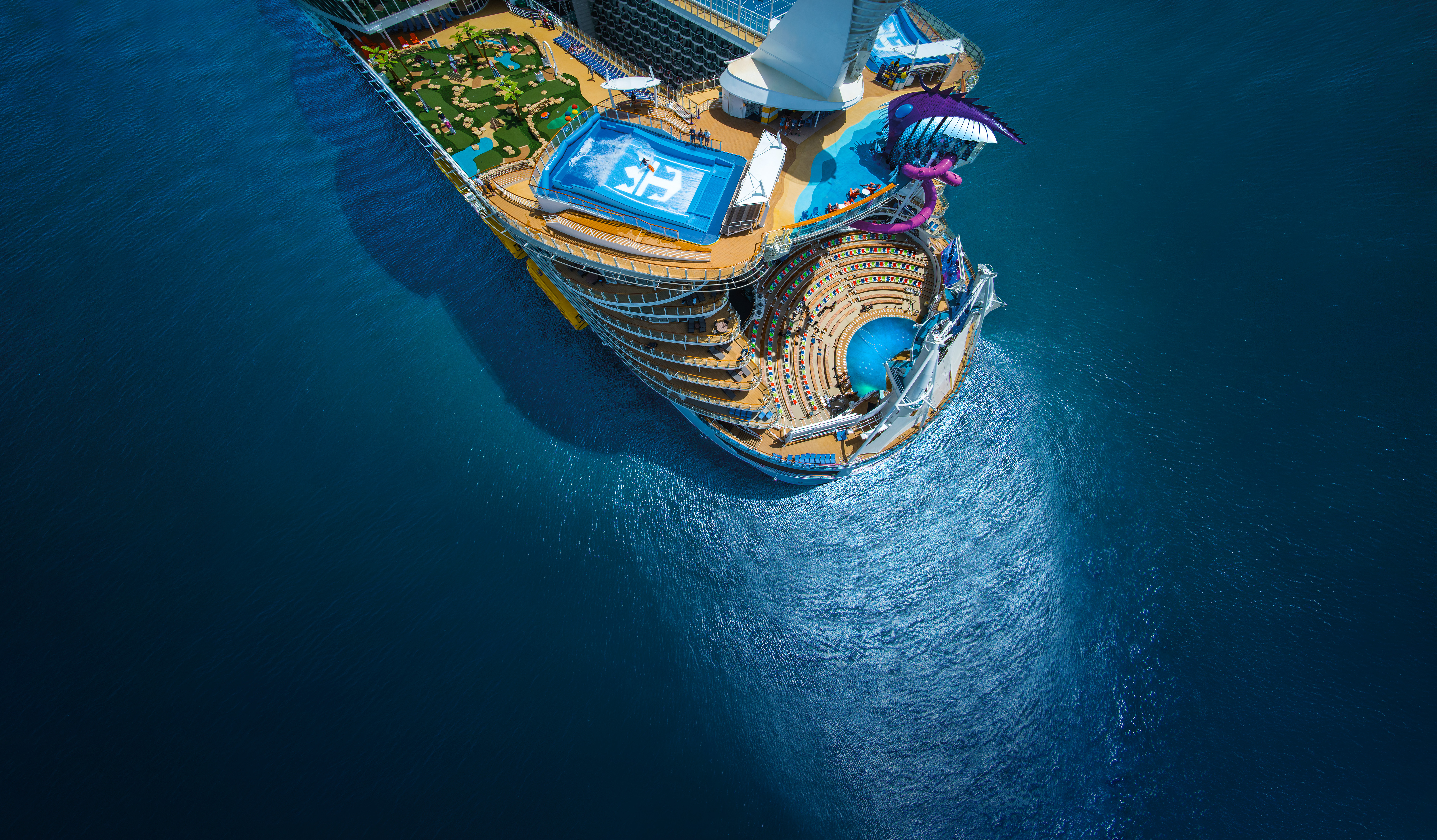 Photo: Royal Caribbean International
Most people asking this question on cruise forums get vague answers about "applying online." Here's the real breakdown — what an ETO actually does, what qualifications you need, what it pays, and how to get hired without wasting years on dead ends.
What Is a Cruise Ship ETO and What Do They Earn?
An Electrical Technical Officer (ETO) is responsible for the entire electrical infrastructure of a cruise ship — from main power generation and distribution to cabin systems, entertainment networks, HVAC controls, and safety equipment. It's a senior technical rank, not an entry-level posting.
Dave's take: Working on a mega ship like Star of the Seas means you're troubleshooting electrical systems that power everything from Starlink connectivity to Vegas-energy pool decks — the technical complexity is real, and RC's premium pricing model means they invest heavily in crew training and infrastructure that you won't see on smaller ships. If you're serious about ETO work, Royal Caribbean's fleet is where the modern electrical challenges actually are.
— Dave Giovacchini, Travel Mutiny
Salary is paid tax-free for most nationalities (you're in international waters), and you get free accommodation, food, and often free crew internet. Here's what the market looks like in 2025–2026:
| Level | Monthly Salary (USD) | Contract Length | Notes |
|---|---|---|---|
| Junior ETO / 2nd ETO | $3,800–$5,200 | 4–6 months | Entry into the rank, often on smaller ships |
| ETO (Chief Electrical Officer) | $5,500–$7,500 | 4–6 months | Standard senior rank on mainstream lines |
| Senior ETO / Fleet ETO | $7,500–$10,000+ | Varies | Shore-based or premium fleet assignments |
| Royal Caribbean Group ETO | $5,800–$8,200 | 4–5 months | Larger ships, advanced systems, Starlink infra |
Time off mirrors contract length — a 5-month contract typically earns you 5 months of paid leave. Annualized, that's $67,000–$100,000+ USD equivalent with zero living costs during contracts.
 Photo: Royal Caribbean International
What Qualifications Do You Actually Need?
This is where most forum threads fall apart. Here's the concrete checklist:
Mandatory (non-negotiable):
- STCW Basic Safety Training (BST) — firefighting, first aid, personal survival, personal safety. Every seafarer needs this.
- Electro-Technical Officer Certificate of Competency — issued under STCW 2010 Manila Amendments, Regulation III/6. This is the legal qualification for the ETO rank.
- HND / BSc in Electrical Engineering, Marine Engineering, or Electronics — most lines require this as the academic foundation.
- Minimum 12 months documented sea service — some lines accept equivalent shore-based high-voltage electrical experience.
Strongly preferred:
- High Voltage certification (ships run 6.6kV or 11kV systems — not your standard shore grid)
- PLC / SCADA systems experience
- GMDSS (Global Maritime Distress and Safety System) awareness
- Experience with Integrated Bridge Systems or ship automation (Kongsberg, ABB Marine, etc.)
For Royal Caribbean specifically: RCL operates some of the most technologically complex ships afloat — Icon of the Seas, Wonder of the Seas — with full Starlink fleet-wide connectivity as of 2024, advanced automation, and massive power plants. They want ETOs who can handle modern shipboard IT/electrical crossover. Networking knowledge (VLAN, fiber, managed switches) is a real differentiator.
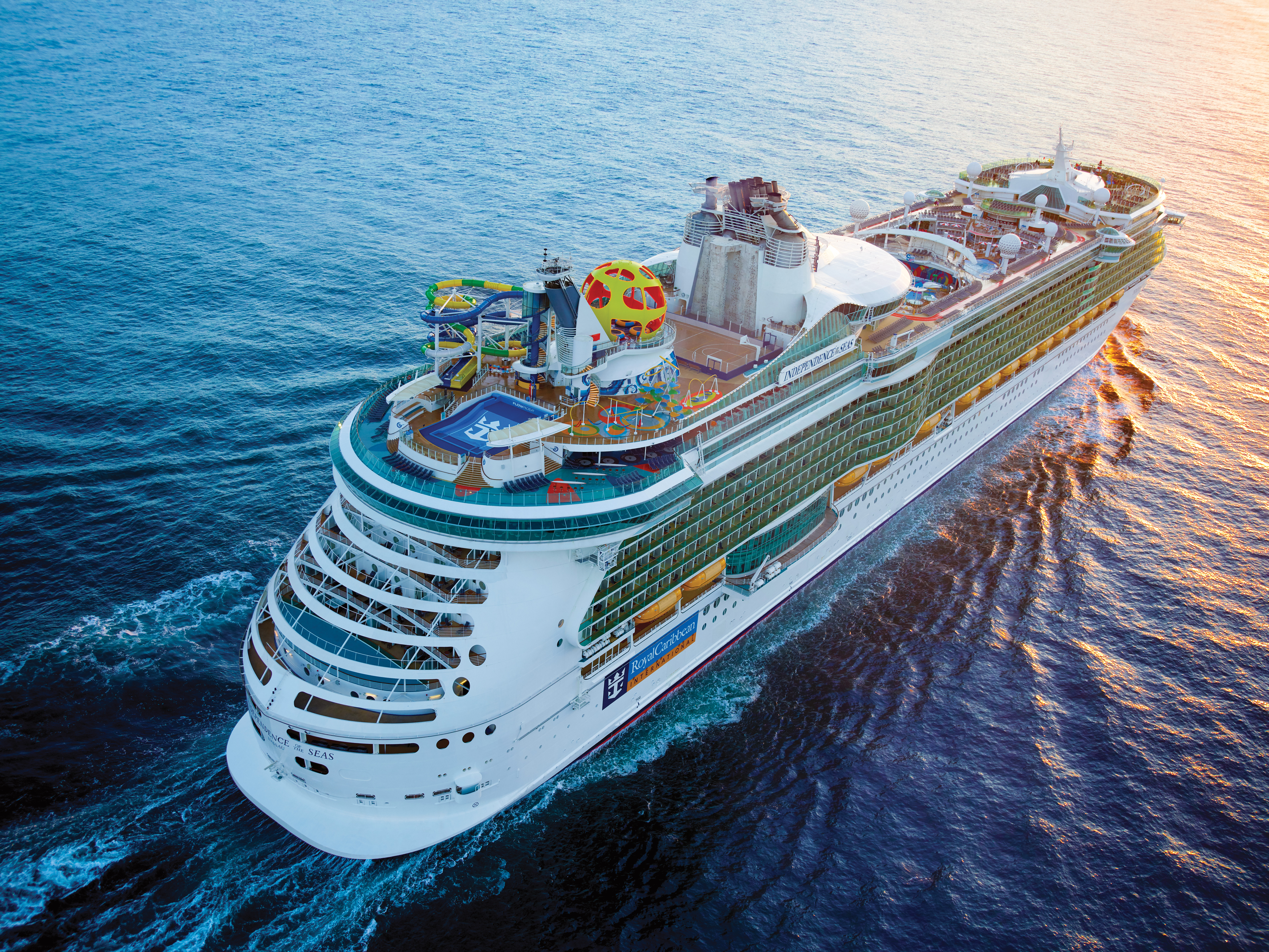 Photo: Royal Caribbean International
How to Actually Get Hired as an ETO
1. Get your STCW certification first — everything else is secondary. Without the ETO Certificate of Competency under STCW III/6, you won't get past the HR filter at any major line. Check your flag state's maritime authority (MCA in the UK, USCG in the US, MARINA in the Philippines, etc.).
2. Target crew manning agencies, not the cruise lines directly. Most cruise lines hire ETOs through third-party manning agencies. For Royal Caribbean:
- Columbia Cruise Services (Hamburg)
- OSM Maritime Group
- V.Ships Leisure
- International Cruise Services (ICS)
Apply to the agency, not careers.rclcorporate.com — though you can register there too.
3. The Philippines pipeline is real. The majority of cruise ship ETOs globally are Filipino seafarers trained through MAAP, PMMA, or MAERSK Training. If you're not Filipino, you're competing less on volume and more on specialist skills. High-voltage experience and automation/SCADA knowledge are your edge.
4. Entry without sea time: the shore-based route. Some lines (and agencies) accept candidates who've spent 2–3 years as industrial electricians on high-voltage installations (power plants, petrochemical, data centers) and completed the STCW package. This is slower but viable if you didn't go through a maritime academy.
5. Documents you'll need ready:
- Passport valid 6+ months beyond contract end
- STCW certificates (BST, Proficiency in Survival Craft, Advanced Fire Fighting)
- ETO CoC
- Medical certificate (ENG1 or equivalent — issued by an approved maritime medical examiner)
- Yellow fever vaccination certificate (required for many itineraries)
- Sea service discharge book records
What the Day-to-Day Actually Looks Like
| Shift Type | Hours | Typical Tasks |
|---|---|---|
| Day work | 08:00–17:00 | Planned maintenance, inspections, upgrades |
| On-call | 24/7 during contract | Emergency callouts for power/system failures |
| Port days | Varies | Shore power connections, technical sign-offs |
| Dry dock periods | Extended | Major refit work — high-pressure but resume gold |
You will not have a 9-to-5 existence. Ships don't stop needing electricity at night. But compared to offshore oil/gas, cruise ship ETOs generally describe better living conditions, more port exposure, and cleaner work environments.
Honest Realities Nobody Tells You
- Social life is limited. You're a technical officer, not a cruise director. Your interactions with passengers are minimal — this is a working role on a floating industrial facility that happens to have a pool deck.
- Contracts away from family are hard. 4–5 months is a long time. Plan for this before signing.
- Career progression exists. ETO → Chief ETO → Fleet Technical Superintendent (shore-based) → Technical Director. The shore-based superintendent roles pay $90,000–$130,000+/year with normal schedules.
- Royal Caribbean's fleet size means opportunity. RCL Group (Royal Caribbean, Celebrity, Silversea) operates 60+ ships. Once you're in the system and perform well, transfers and promotions happen faster than smaller lines.
If you're doing the math on total compensation and comparing it against what life at sea actually costs you (nothing), the financial case for an ETO career is genuinely strong — especially in the first 5–10 years before you might want to come ashore.
For all the cruise-side cost questions — what passengers pay for drinks, WiFi, and dining on the ships you'd be working on — CruiseMutiny has the honest breakdowns without the spin.