Quiet spots on a cruise ship exist — you just have to know where to look. The best-kept secrets are forward upper decks, the library, adults-only areas (which cost $0–$209/day to access depending on the line), and timing your visits to popular spaces during peak meal hours.
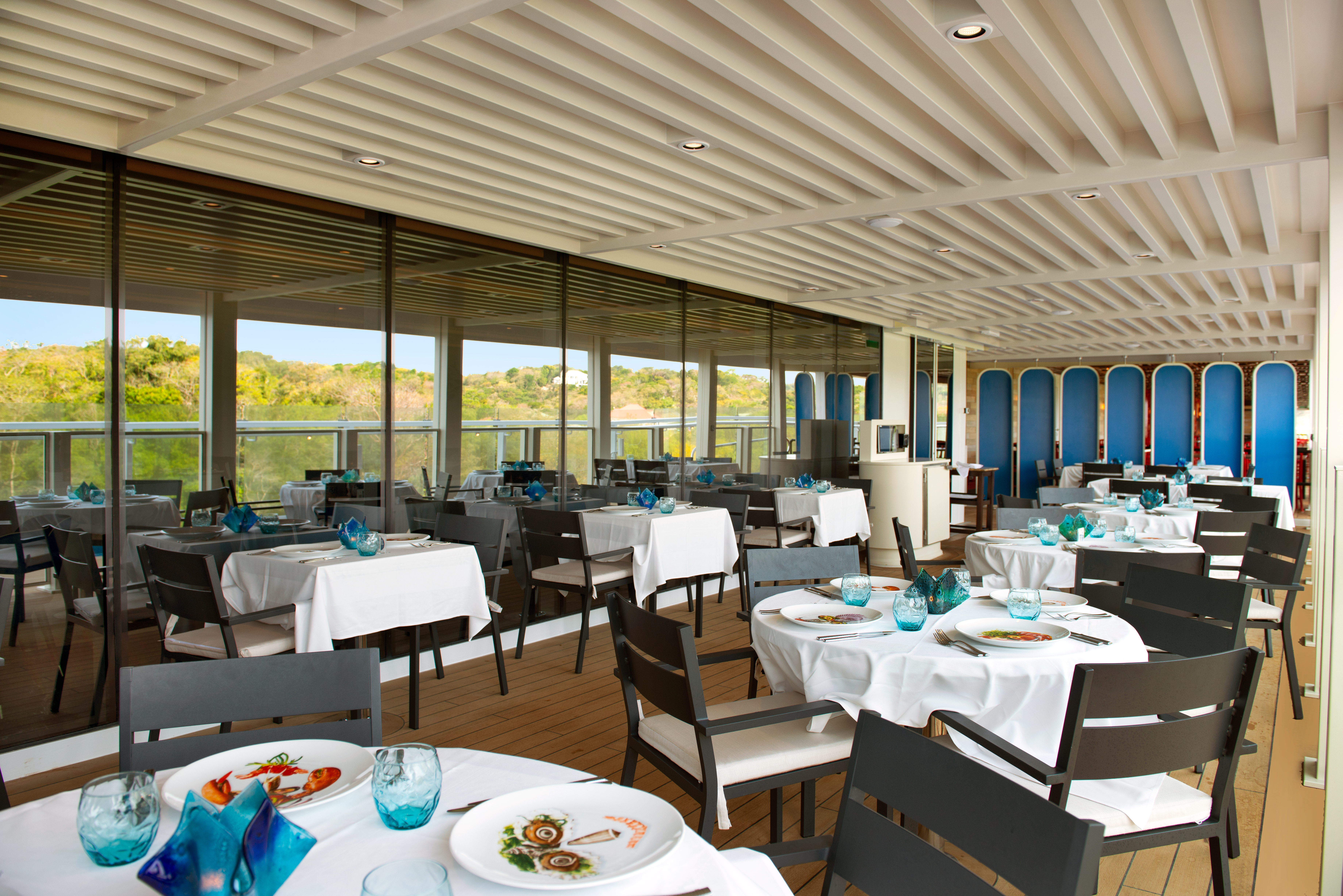 Photo: Carnival Cruise Line
You booked a cruise for relaxation and somehow ended up in a floating Times Square. The crowds are real, but so are the escape hatches — and most of them cost absolutely nothing extra if you know where to look.
The Free Quiet Zones Nobody Tells You About
Every mainstream cruise ship has dead zones the marketing brochures never show. These are the spots that stay quiet because most passengers don't bother to explore past the pool deck and the buffet:
- Forward upper decks (Deck 14–16 on most ships): The very front of the ship, above the bridge. Wind-exposed, no bar service, no music — which means no crowd. Bring a jacket.
- The library: Nearly extinct on newer ships, but where it exists (Holland America, older Princess ships, Queen Mary 2), it's reliably quiet. Some ships have a card room nearby that doubles as a refuge.
- Aft (rear) decks: The back of the ship has a completely different atmosphere than the pool area. Usually quieter, great wake views, often overlooked.
- Specialty restaurant seating areas during off-hours: Many specialty restaurants have lounge seating outside that's technically open to everyone during non-service hours.
- The jogging track — but not to jog: Early morning or late evening, the track wrapping the upper deck is practically deserted. Grab a chair, claim a corner.
- Your cabin balcony: Obvious, but underused. If you booked a balcony, use it aggressively.
- Sea days, mid-morning: Most passengers sleep in, eat brunch, then hit the pool. 8–10am on a sea day, even the pool deck is manageable.
 Photo: Carnival Cruise Line
What It Costs to Buy Guaranteed Quiet
If the free zones aren't cutting it, you can pay your way into peace. Here's what that actually runs across the major lines:
| Access Type | What You Get | Typical Cost (2025–2026) |
|---|---|---|
| Adults-only pool area (included) | Quieter pool, 18+ only | $0 — standard on many ships |
| Thermal suite / Spa pass | Heated loungers, steam, solarium | $25–$50/person/day; $150–$350/week |
| Haven / The Retreat / Suite lounge | Private deck, dedicated pool, concierge | Baked into suite fare; suites run $400–$1,200+/night |
| Norwegian Haven (day pass) | Access to Haven pool/sundeck for a day | Not sold separately — suite booking only |
| MSC Yacht Club | Completely separate ship-within-a-ship | Suite upgrade; add ~$200–$600/night over standard |
| Royal Caribbean Solarium | Adults-only indoor/outdoor pool area | Free — included on most RC ships |
| Virgin Voyages (entire ship) | Adults-only by default | Built into base fare — no extra charge |
| Thermal/Spa Week Pass | Full cruise access to thermal suite | $150–$209/person most mainstream lines |
The best value move: Royal Caribbean's Solarium is free and genuinely quieter than the main pool. On Norwegian, the Thermal Suite week pass (~$179–$209/person) is worth it if you're doing a 7-night sailing and struggle with the crowds.
 Photo: Carnival Cruise Line
Key Factors That Determine How Crowded Your Ship Feels
Ship size matters enormously. A 6,000-passenger Oasis-class ship feels crowded in the wrong places even when it's "full" — but it also has more nooks. A 2,000-passenger ship can feel just as overwhelming if the design channels everyone into the same atrium.
Itinerary type changes everything. Port-heavy itineraries mean the ship empties out when you're in port — that's your window. On sea-day-heavy sailings (transatlantic, repositioning, Hawaii), everyone is on the ship all day.
Embarkation/debarkation days are chaos. The ship is most overwhelmed on Day 1 and the final morning. Don't judge the whole sailing by those two days.
Sailing during school terms dramatically reduces the kid factor and overall noise levels on family-friendly lines like Carnival, Disney, and Royal Caribbean.
Practical Tips to Claim Your Peace Without Paying Extra
- Scout the ship during the first lifeboat drill period (muster). Everyone is at their muster station — use those 20 minutes to walk every deck and identify your future quiet spots.
- Eat at off-peak times. Dining at 5:30pm or 8:30pm instead of 7pm means the buffet and main dining room aren't choking points, and the surrounding public spaces empty out.
- Use the app. Royal Caribbean, Carnival, and Norwegian all have ship apps showing live wait times and activity schedules. Plan around the crowd.
- Book a balcony cabin over an interior if budget allows. A balcony adds roughly $30–$80/night over an interior on most 7-night sailings — and it's your private outdoor escape valve.
- Go up when everyone goes in, go in when everyone goes up. Rain clears the deck; sun fills it. Cloudy mornings are golden.
- Avoid the pool deck 11am–3pm on sea days. Full stop. That's peak chaos. Schedule your quiet outdoor time before 10am or after 4pm.
- Ask your cabin steward. Seriously. They know every quiet corner, every underused deck, and which bar never has a line. Buy them a coffee (metaphorically — tip them well at the start) and ask.
Lines and Ships Best Suited for Introverts
If the noise and crowds are a systemic issue for you, line choice is the real fix:
| Line | Why It's Quieter | Price Premium Over Carnival/RC |
|---|---|---|
| Viking Ocean | Adults-only, no casino, no waterslides | ~$200–$400/night base |
| Azamara | Small ships (600–700 passengers), quieter vibe | ~$150–$350/night |
| Virgin Voyages | Adults-only, genuinely different energy | ~$100–$250/night |
| Cunard (Queen Mary 2) | Formal, quiet zones built into ship culture | ~$150–$300/night |
| Holland America | Older demographic, lower energy | ~$50–$150/night over Carnival |
| Princess (smaller ships) | Coral Princess, Island Princess — ~2,000 passengers | Moderate premium |
Virgin Voyages deserves a special mention for former overwhelmed cruisers — no kids, no formal dining chaos, and the ship design deliberately creates intimate spaces. You can check current sailings through CruiseHub to compare pricing against mainstream lines.
If you want to model the real all-in cost of upgrading to a quieter line — including what that balcony, thermal suite pass, or suite upgrade actually adds to your daily spend — run your numbers through CruiseMutiny before you book. Knowing the full cost upfront is how you stop feeling overwhelmed before you even board.