Cruising can be one of the best travel options for passengers with mobility issues — ships are largely flat, elevators are plentiful, and accessible cabins are federally regulated — but the real costs and limitations vary dramatically by cruise line, ship age, and destination port.
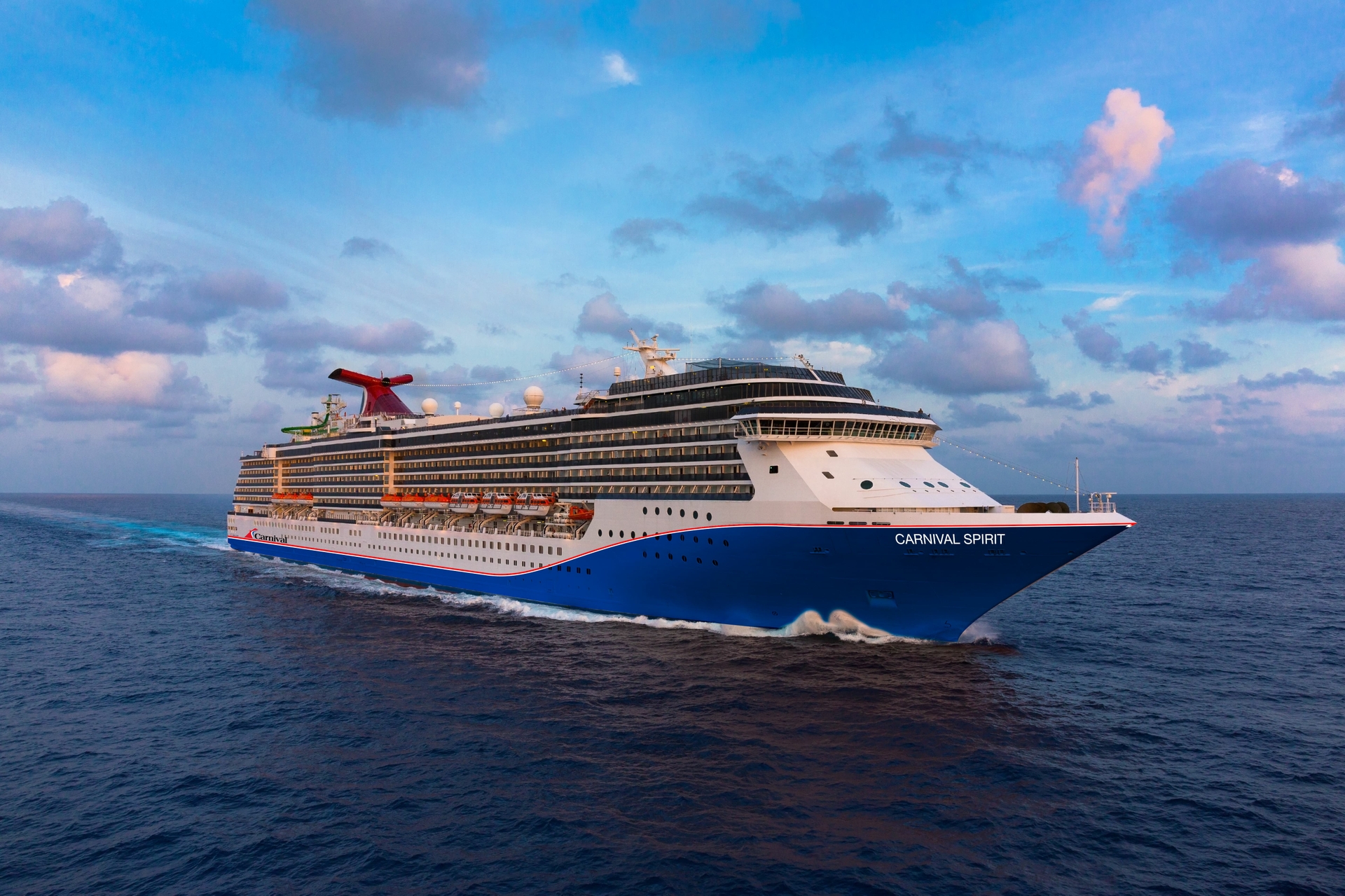 Photo: Carnival Cruise Line
Cruising has a dirty secret that accessibility brochures won't tell you: the ship itself is often fantastic for wheelchair users and mobility-impaired travelers, but the moment you hit a tender port or a cobblestone excursion, the experience can fall apart fast. Here's the honest breakdown of what accessible cruising actually costs and what you need to watch out for.
The Short Answer: Yes — With Real Caveats
Modern cruise ships are genuinely among the most accessible vacation environments on earth. Wide corridors, roll-in showers, lowered beds, pool lifts, and elevators on every deck are standard on ships built after 2000. The problem is that ports, excursions, and older ships can erase every advantage the ship provides. Accessible cabins also carry a price premium — expect to pay $150–$400 more per sailing for a verified accessible stateroom, and they book out months in advance.
| Cost Category | Budget | Mid-Range | Splurge |
|---|---|---|---|
| Accessible Interior Cabin (7-night) | $650–$950/person | $1,100–$1,800/person | $2,500+/person |
| Accessible Balcony Cabin (7-night) | $1,100–$1,600/person | $1,800–$2,800/person | $3,500+/person |
| Mobility Scooter Rental (onboard or port) | $175–$250/week | $275–$375/week | $400+/week |
| Accessible Shore Excursions (per port) | $65–$95/person | $100–$175/person | $200–$400/person |
| Travel Insurance with Medical Evacuation | $120–$200/trip | $225–$375/trip | $400+/trip |
| Wheelchair Rental (cruise line, 7-night) | $175–$225/week | Included on some premium lines | N/A |
Prices reflect 2025–2026 market rates for Caribbean and Mediterranean sailings.
 Photo: Carnival Cruise Line
Key Factors That Drive the Accessibility Experience (and the Cost)
1. Ship Age Matters More Than the Brochure Ships built before the Americans with Disabilities Act (ADA) compliance era — roughly pre-2000 — have narrower corridors, fewer pool lifts, and limited accessible cabin inventory. Royal Caribbean's Icon of the Seas and Wonder of the Seas are benchmark ships for accessibility. Older vessels like some Holland America or classic MSC ships lag significantly.
2. Accessible Cabin Inventory Is Tiny and Competitive Most ships allocate only 2–6% of cabins as ADA-accessible. On a 3,000-passenger ship, that's 60–180 cabins — and families with strollers, passengers who don't truly need them, and genuine mobility users all compete for the same rooms. Book 6–12 months out minimum or you'll lose the accessible cabin and be stuck in a standard room that doesn't work for you.
3. Tender Ports Can Strand You on the Ship This is the #1 complaint from wheelchair users. Ports like Santorini (Greece), Bora Bora, and many smaller Caribbean stops require passengers to board a small tender boat to reach shore. Most cruise lines cannot safely transfer wheelchair users to tenders, meaning you stay on the ship while everyone else explores. Always research your itinerary port by port before booking.
4. Accessible Shore Excursions Cost a Premium Cruise line-operated accessible excursions exist but are limited and pricy — $100–$175/person for a half-day in most Caribbean or Mediterranean ports. Third-party operators like Wheel the World or Accessible Journeys often offer better options at similar or lower prices, but require pre-booking.
5. Mobility Scooter Policies Vary by Line Some lines (Norwegian, Royal Caribbean) allow personal mobility scooters in standard cabins if they fold and fit. Others require you to book an accessible cabin. Renting onboard through Scootaround or Special Needs at Sea runs $175–$250/week and must be reserved before the sailing — not at the pier.
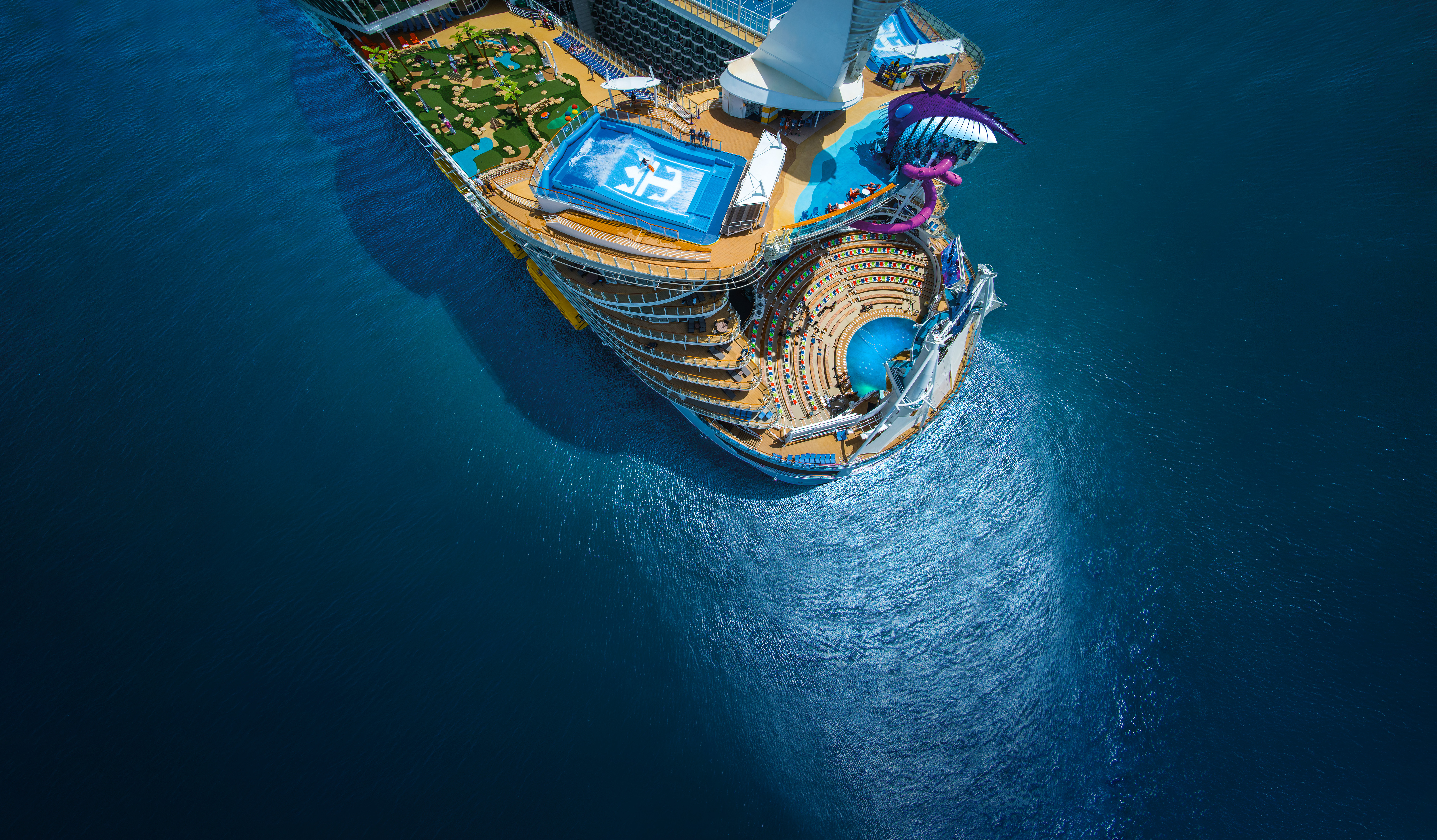 Photo: Royal Caribbean International
Best Cruise Lines for Mobility Issues: How They Stack Up
| Cruise Line | Accessible Cabin Quality | Pool Lift | Tender Policy | Scooter Policy | Overall Rating |
|---|---|---|---|---|---|
| Royal Caribbean | Excellent | Yes (most ships) | Priority boarding, some exceptions | Flexible — standard cabins OK if scooter folds | ⭐⭐⭐⭐⭐ |
| Celebrity Cruises | Excellent | Yes | Similar to RCL | Accessible cabin required for larger scooters | ⭐⭐⭐⭐⭐ |
| Norwegian Cruise Line | Very Good | Yes (newer ships) | Standard policy | Flexible | ⭐⭐⭐⭐ |
| Disney Cruise Line | Excellent | Yes | Limited tender itineraries | Accessible cabin required | ⭐⭐⭐⭐⭐ |
| Princess Cruises | Very Good | Yes | Standard policy | Flexible | ⭐⭐⭐⭐ |
| MSC Cruises | Good (newer ships) | Varies | Standard policy | Accessible cabin preferred | ⭐⭐⭐ |
| Holland America | Good | Varies | Standard policy | Accessible cabin required | ⭐⭐⭐ |
| Virgin Voyages | Good | Yes | Limited — Adults-only focus | Flexible | ⭐⭐⭐⭐ |
| Carnival | Fair | Varies by ship | Standard policy | Strict cabin requirements | ⭐⭐⭐ |
Practical Tips to Save Money and Avoid Disasters
Book directly with the cruise line's accessibility desk — not a generic travel agent. Royal Caribbean, Celebrity, and Disney all have dedicated accessibility teams who can confirm exact cabin specs, bathroom layout (roll-in shower vs. tub with seat), bed height, and doorway clearances before you pay.
Request a cabin near the elevator bank. Long corridor walks to a distant accessible cabin after a full port day can be brutal. Ask specifically for a mid-ship or elevator-adjacent room at booking.
Get travel insurance with medical evacuation coverage — no exceptions. Medical evacuation from a ship at sea runs $50,000–$200,000 without coverage. Policies with evacuation run $120–$400 depending on age, trip cost, and pre-existing condition waivers. This is non-negotiable for any traveler with mobility or health concerns.
Research every port independently. Use resources like Wheel the World, Accessible Journeys, or cruise line accessibility pages to flag tender ports before you book an itinerary. Swapping one cruise itinerary for another to avoid three tender ports can completely change your trip.
Rent your mobility equipment before you sail. Scootaround (scootaround.com) and Special Needs at Sea are the two dominant providers. Rental prices are similar to onboard rental but they guarantee delivery to the pier. Don't wait and hope the ship has one available — they often don't.
Skip the dining package upsell if walking long distances is tiring. Specialty restaurants on large ships can be a long haul from accessible cabins. Main dining rooms are almost always closer and elevator-accessible. The $35–$60/person specialty dining upcharge isn't worth the extra navigation fatigue on many ships.
Best Itineraries for Mobility-Impaired Cruisers
Caribbean — Western Caribbean wins over Eastern for fewer tender ports. Ports like Cozumel, Nassau, and Falmouth (Jamaica) are pier-accessible and flat. Avoid itineraries heavy with private island stops that require beach tenders.
Alaska — Inside Passage is excellent: Juneau, Ketchikan, and Skagway are all pier ports, and the scenic cruising days (Glacier Bay, College Fjord) mean world-class views without leaving the ship.
Norwegian Fjords — Bergen and Flam are accessible pier ports with flat waterfronts. Avoid Geiranger if mobility is a concern — it's a tender port on a steep hillside.
Avoid: Greek island-heavy Mediterranean itineraries (Santorini is a tender with a cliff tram), Bora Bora, and any itinerary with more than two tender ports if full mobility access is your priority.
The bottom line: cruising can be extraordinary for travelers with mobility issues — but you have to do the homework before you book, not after. The right ship, the right itinerary, and the right cabin turn a cruise into a near-perfect accessible vacation. The wrong combination turns it into a week of watching other passengers go ashore while you wait on deck.
Use CruiseMutiny to compare accessible cabin options, tender port flags, and real cost breakdowns across cruise lines before you commit to a sailing.