Solo cabins on cruise ships typically cost 150–200% of the per-person double-occupancy rate, but purpose-built solo cabins on Norwegian, Virgin Voyages, and MSC can cut that premium to 0–25% — making them genuinely worth it for the right traveler.
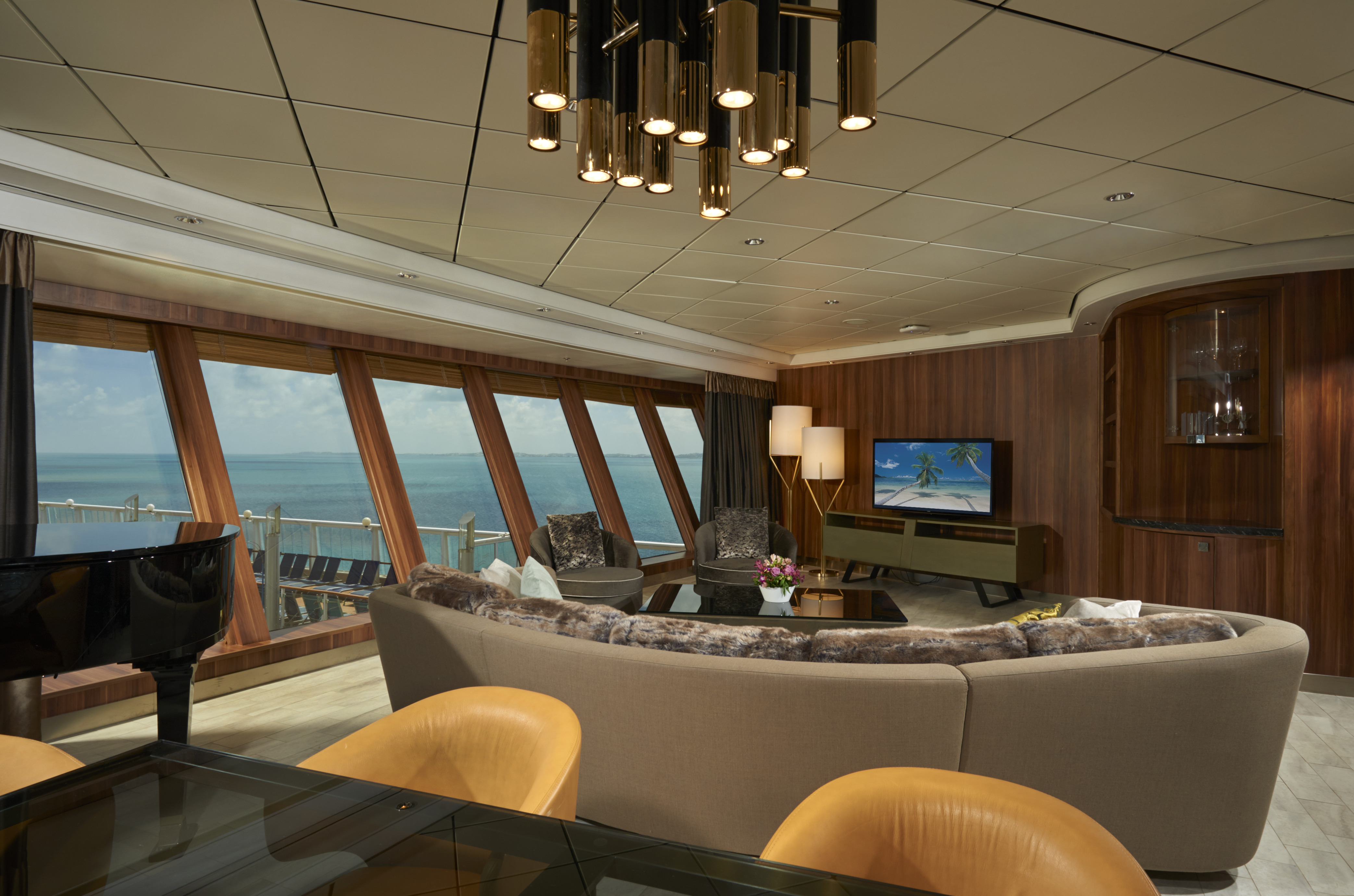 Photo: Norwegian Cruise Line
The single supplement is the cruise industry's most brazen tax on independent travelers. Book a standard cabin alone and you'll often pay for two people — sometimes more — just for the privilege of sleeping solo. But the calculus has changed, and some cruise lines are finally playing fair.
What the Single Supplement Actually Costs You
The standard single supplement runs 100% above the per-person double-occupancy rate — meaning you pay the full cost of two fares to occupy one cabin. On a 7-night Caribbean cruise priced at $900/person double occupancy, that solo cabin just became $1,800 before fees. Some lines cap the supplement at 50–75%, and a handful have built dedicated solo studios that eliminate it almost entirely.
Here's how the major lines stack up for solo travelers in 2025–2026:
| Cruise Line | Solo Supplement | Solo Studio Available | Solo Studio Premium | Notes |
|---|---|---|---|---|
| Norwegian Cruise Line | 100% on standard cabins | Yes (Studio cabins) | 0–10% | Best solo cabin program afloat |
| Virgin Voyages | 100% on standard cabins | Yes (Sea Terrace solo) | ~25% | No kids, social vibe |
| MSC Cruises | 100% on standard | Yes (select ships) | 0–15% | Budget-friendly option |
| Royal Caribbean | 100–200% | No | N/A | Occasional solo sale rates |
| Celebrity Cruises | 100–200% | No | N/A | Sometimes 50% supplement promos |
| Carnival Cruise Line | 100% | No | N/A | Rarely discounts solo |
| Princess Cruises | 100–150% | No | N/A | Obstructed-view rooms sometimes cheaper |
| Holland America | 100–150% | No | N/A | Some interior rooms at 150% flat |
| Disney Cruise Line | 175–200% | No | N/A | Worst value for solo travelers |
Bottom line: Norwegian's Studio cabins are the gold standard. You pay close to single-occupancy pricing and get access to a private Studio Lounge — a massive upgrade over eating alone at a table for four.
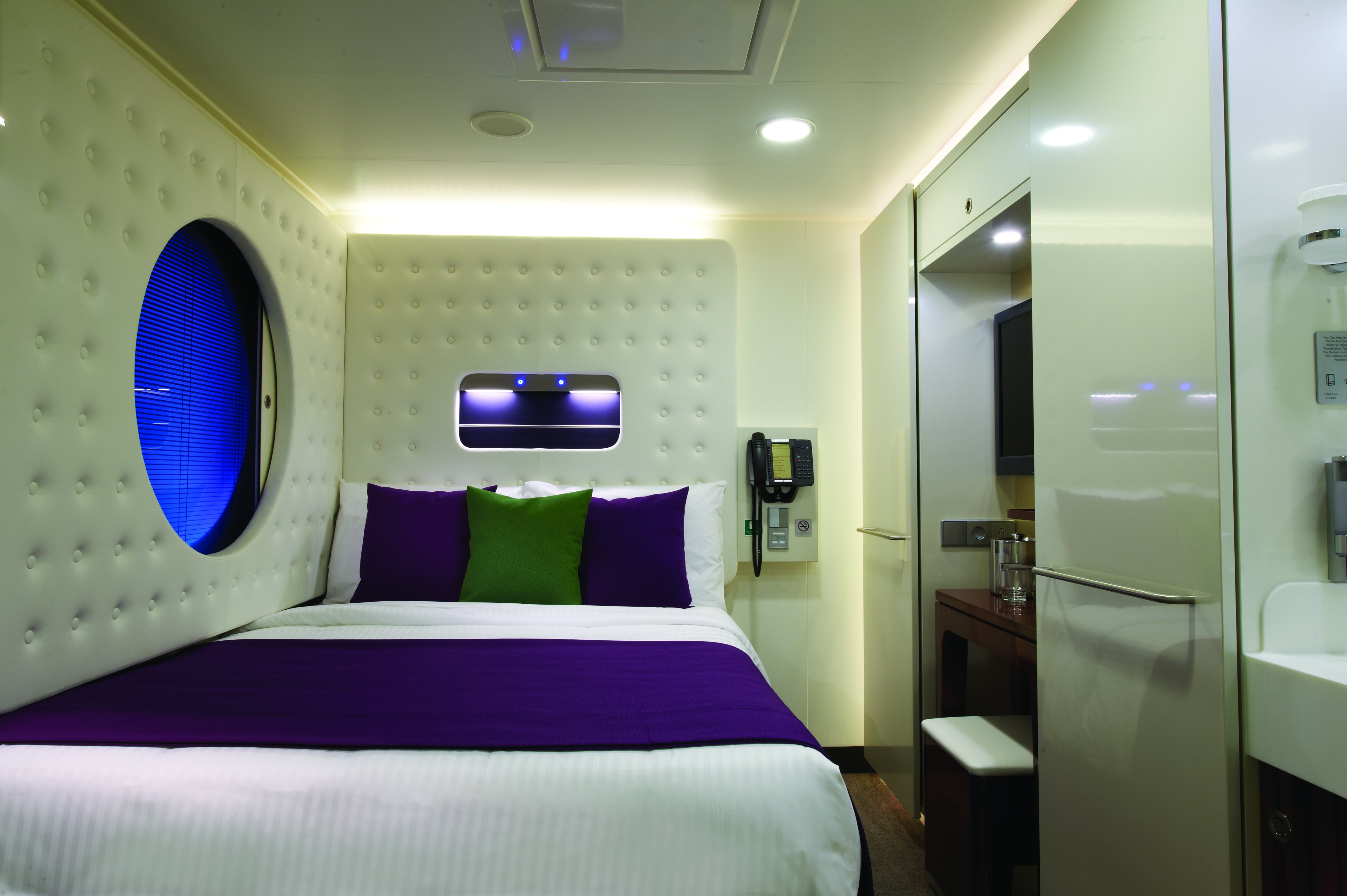 Photo: Norwegian Cruise Line
What Drives the Solo Premium — and When It Hurts Most
Itinerary length is the first multiplier. A 14-night Mediterranean cruise at 100% supplement doesn't just cost you $500 extra — it can cost you $2,000–$3,000 extra compared to traveling with a partner. The longer the cruise, the more the supplement bleeds.
Cabin category matters too. The supplement is calculated on the base fare, so splurging on a balcony as a solo traveler compounds the pain fast:
| Cabin Type | Double Rate (per person) | Solo Rate (100% supplement) | Extra Cost Paid |
|---|---|---|---|
| Interior | $700 | $1,400 | $700 |
| Ocean View | $950 | $1,900 | $950 |
| Balcony | $1,400 | $2,800 | $1,400 |
| Mini-Suite | $2,200 | $4,400 | $2,200 |
| Suite | $4,500 | $9,000 | $4,500 |
Based on 7-night Caribbean sailing, 2025 market rates.
Sailing season is the third factor. Peak summer and holiday sailings carry higher base fares — which inflates the supplement proportionally. Shoulder season (May, September–October) on the same ship can drop the supplement hit by $400–$800.
Booking timing matters more for solos than couples. Last-minute deals are dangerous for solo travelers — unsold cabins get discounted, but the supplement often stays at 100%. You're better off booking 6–9 months out and locking in a promotional supplement rate.
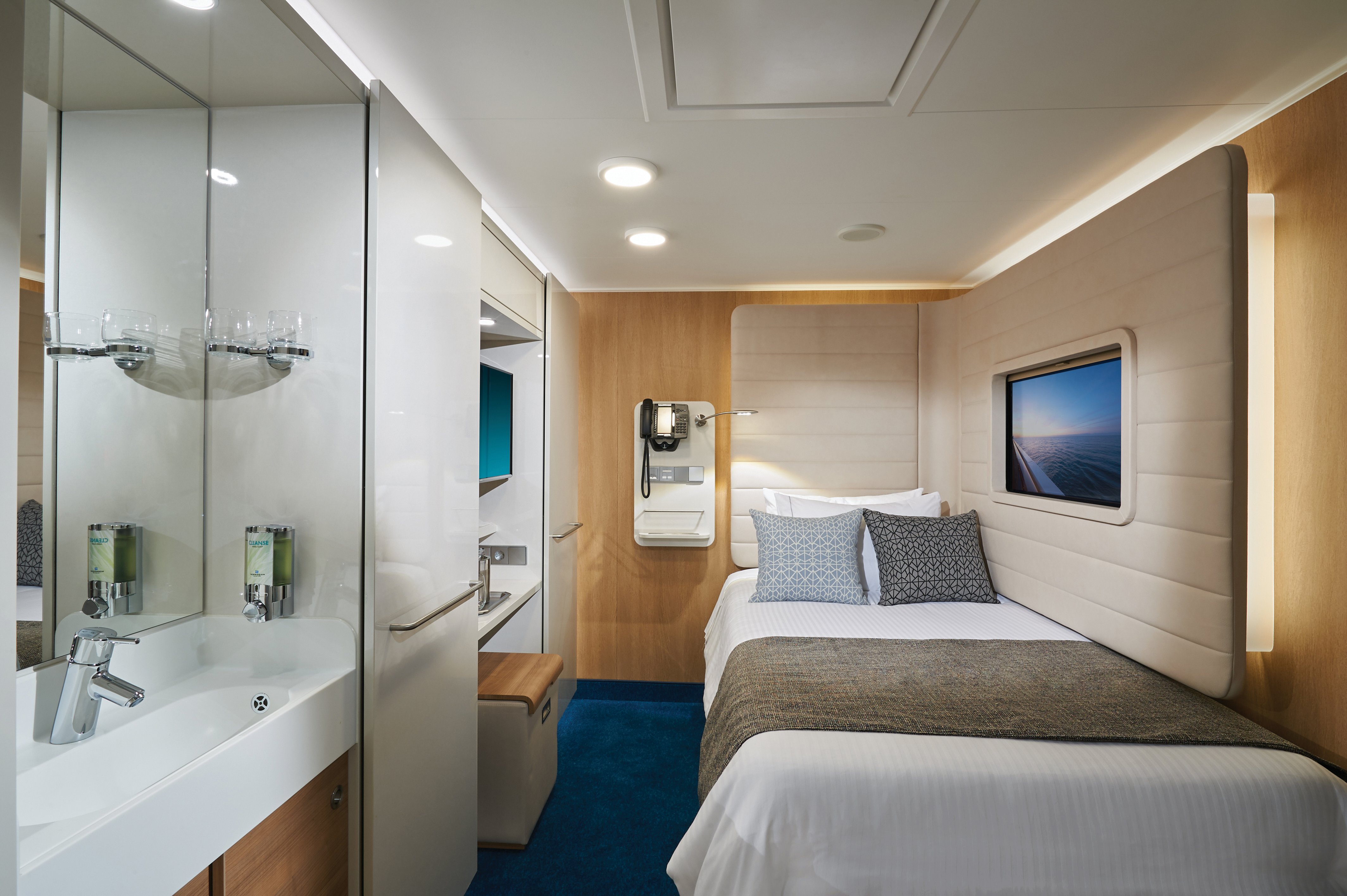 Photo: Norwegian Cruise Line
How to Beat the Single Supplement (or At Least Shrink It)
1. Book Norwegian Studio cabins first. Norwegian's Studio cabins on ships like the Epic, Breakaway, Getaway, Escape, Bliss, Encore, Joy, and Prima run roughly $800–$1,200 for a 7-night Caribbean sailing — with zero supplement. That's the best deal in solo cruising, full stop.
2. Watch for single supplement sales. Royal Caribbean, Celebrity, and Princess run periodic promotions — especially in wave season (January–March) — where the supplement drops to 50% or is waived entirely on select sailings. Sign up for fare alerts.
3. Consider a guarantee cabin. Some lines offer lower-category guarantee bookings where you get assigned a cabin closer to sailing. Solo travelers sometimes score upgrades, and the base fare is lower — which reduces what the supplement multiplies against.
4. Look at repositioning cruises. 10–16 night transatlantic and transpacific repositioning sailings have lower per-night base fares. Even at 100% supplement, the nightly cost can be competitive with shorter sailings.
5. Use a cruise-specialist travel agent. Some agencies have group space blocked on sailings at reduced supplement rates — sometimes 25–50% — that you can't find booking direct. Worth a call before you pay full whack.
6. Travel in shoulder season. May, September, and October sailings run 15–30% lower base fares than peak summer, which means the supplement hurts less in absolute dollar terms.
Is It Worth It? The Honest Answer by Traveler Type
| Traveler Type | Verdict | Best Option |
|---|---|---|
| First-time solo cruiser | Yes — the structure of cruising (meals, activities, safety) is ideal for solos | Norwegian Studio cabin |
| Budget-conscious solo | Only if supplement ≤ 50% — otherwise land travel wins on value | Wait for sale or book MSC/NCL |
| Social solo who wants to meet people | Absolutely yes — Norwegian Studio Lounge is a game-changer | NCL Studio + Virgin Voyages |
| Luxury solo traveler | Situationally — suites at 100% supplement are brutal; target suite sales only | Celebrity/Princess suite sales |
| Solo on a specific itinerary | Yes — if the destination justifies it, pay the premium | Book 6–9 months out |
| Annual solo cruiser | Yes — build a strategy around NCL and supplement sales | NCL loyalty + sale stacking |
The single supplement is a real cost, and anyone telling you otherwise is selling you something. But cruising solo — done right, on the right ship — delivers a value that's hard to match: built-in dining, entertainment, safety, and the freedom to do exactly what you want each day. The supplement is worth it when you choose a line that respects solo travelers. It's a rip-off when you don't.
Run your specific sailing through CruiseMutiny to see whether the solo premium on your shortlisted cruise actually pencils out — or whether a different ship, date, or line would save you real money without sacrificing the experience.
Watch: Is a solo cabin on a cruise ship worth the single supplement?
Published
Video Transcript
If you're cruising alone, cruise lines want you to pay double. Literally.
Traditional cabins charge a single supplement of 150 to 200 percent of the per-person price. So if a double cabin costs $2,000 per person, you're paying $3,000 to $4,000 for one person.
That's... not great.
BUT. Norwegian, Virgin Voyages, and MSC built actual solo cabins. Real dedicated spaces. Not a closet with a bed.
Here's the difference: those solo cabins run zero to 25 percent more than the per-person double rate. Same $2,000 example? You're paying $2,000 to $2,500. That's a thousand-dollar swing.
So are they worth it?
Yes... if you're sailing one of those three lines. Norwegian's Studio cabins are solid. Virgin Voyages has Insider cabins that actually feel like real rooms. MSC's are newer and comparable.
No... if you're on Carnival, Royal Caribbean, or Disney. You're stuck with the 150-200 percent penalty. Full stop.
Here's what matters for your booking decision: Check which line you want. If it's Norwegian, Virgin, or MSC, solo cabins legitimately pencil out. You save money AND get a real cabin. That's a win.
If it's another cruise line, you're doing the math wrong if you book solo. Find a travel partner, or honestly, pick a different vacation.
I know that sounds harsh. But single supplements aren't pricing. They're penalties. The three lines above actually fixed that.
Full cost breakdowns at travelmutiny.com — link in bio.