Ocean view cabins typically cost $30–$80 more per person per night than interior cabins, translating to $210–$560 extra per person on a 7-night cruise — a premium that's rarely worth it on most itineraries.
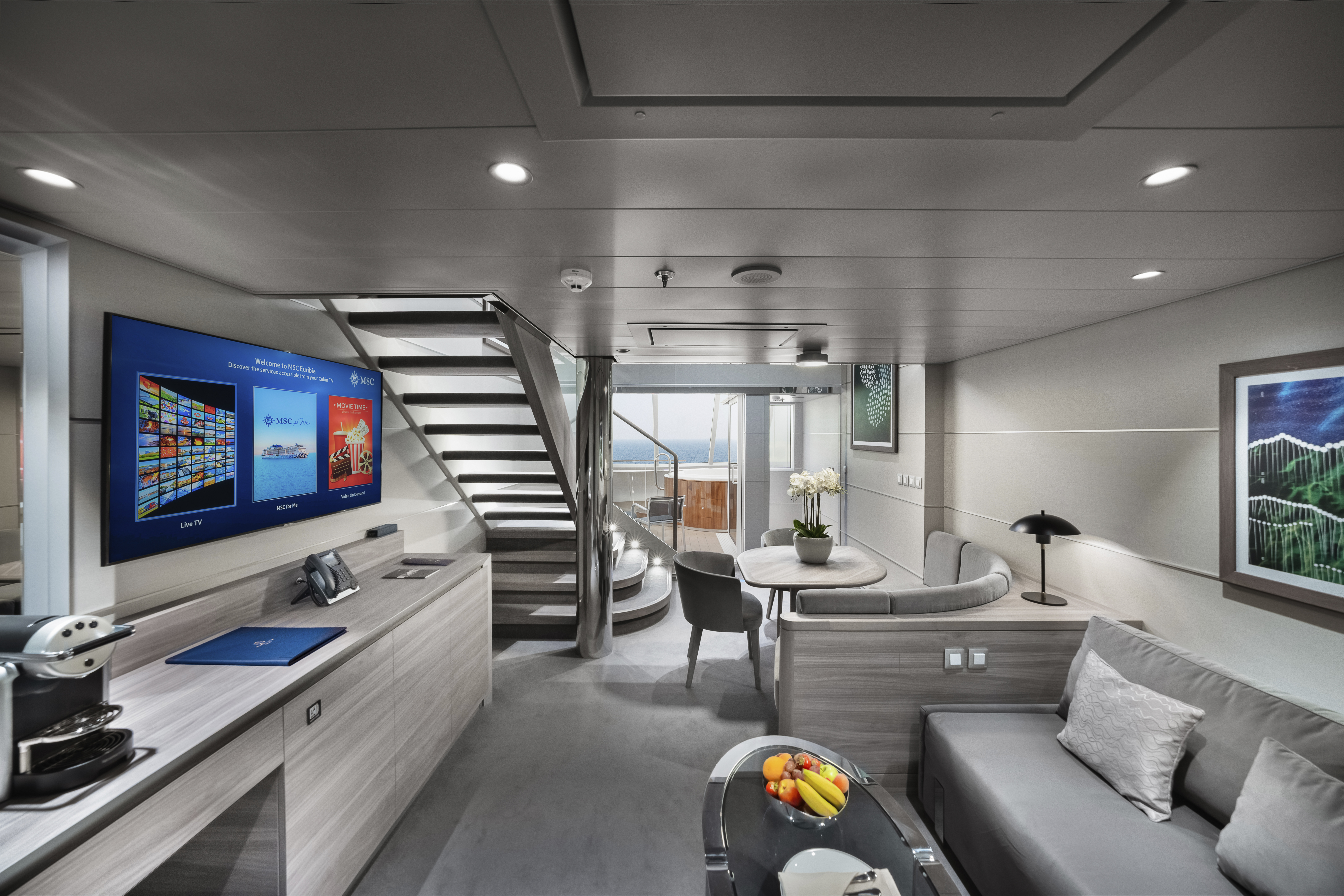 Photo: MSC Cruises
You're paying for a window. That's it. On most cruise lines, the jump from an interior cabin to an ocean view cabin adds $30–$80 per person per night to your cruise fare — and on a 7-night sailing with two passengers, that window could cost you $420–$1,120 extra in total. Whether that math makes sense depends heavily on how much time you actually plan to spend staring at it.
The Real Price Gap: Interior vs. Ocean View Cabins
Pricing varies by cruise line, ship, itinerary, and season, but here's what the 2025–2026 market looks like across the major lines on a standard 7-night Caribbean sailing:
| Cabin Type | Budget Lines (MSC, Carnival) | Mid-Range (Royal Caribbean, Norwegian) | Premium (Celebrity, Princess) |
|---|---|---|---|
| Interior (per person) | $499–$749 | $649–$999 | $899–$1,399 |
| Ocean View (per person) | $599–$899 | $799–$1,199 | $1,099–$1,699 |
| Price Difference (per person) | $100–$150 | $150–$200 | $150–$300 |
| Total Upcharge (2 guests, 7 nights) | $200–$300 | $300–$400 | $300–$600 |
Important caveat: These are baseline fares. Sales, early booking discounts, and last-minute deals can compress or widen this gap dramatically. I've seen ocean view cabins priced within $50 per person of interiors during flash sales — and I've seen them $400 apart during peak holiday sailings.
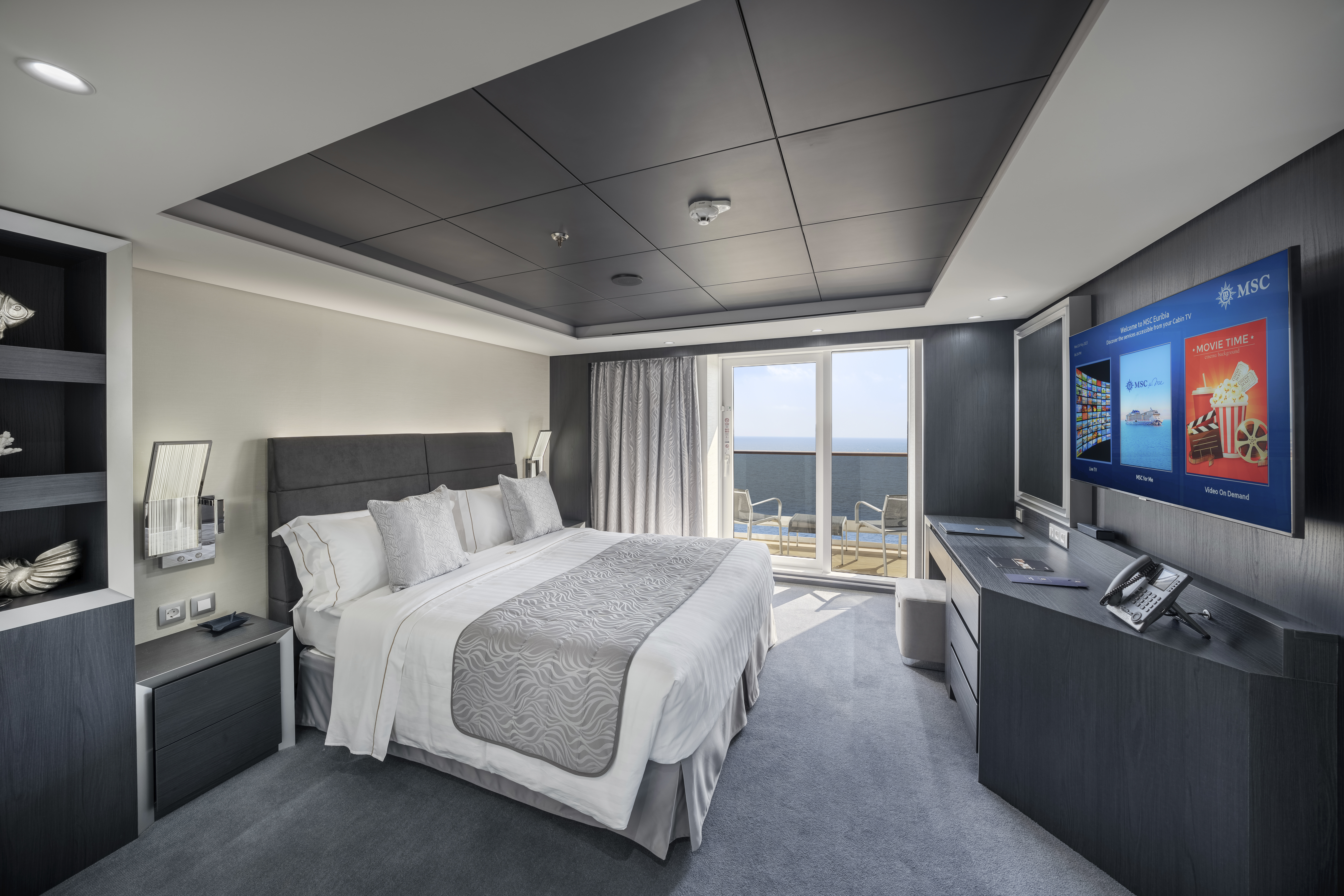 Photo: MSC Cruises
Key Factors That Drive the Price Difference
1. Ship design and cabin inventory Older ships have more ocean view cabins proportionally. Newer mega-ships (Royal Caribbean's Icon-class, MSC World America) are interior-heavy by design — fewer ocean views means the ones that exist command a bigger premium.
2. Itinerary and destination Alaska sailings make ocean view cabins worth considering — you'll genuinely use that window watching glaciers calve. Caribbean itineraries? You're in port half the time and in the pool the other half. The window math changes completely.
3. Obstructed vs. unobstructed views Many ships sell "ocean view" cabins where lifeboats, equipment, or structural elements block 40–70% of your sightline. These obstructed-view cabins are priced $20–$50 less than unobstructed — and they're frequently not worth even that discount. Check the deck plan obsessively before booking.
4. Deck position Lower decks have cheaper ocean view cabins but also more motion in rough seas. Mid-ship, mid-deck ocean view cabins command top dollar. If you're paying for the view, make sure you're also paying for a deck where the view isn't of the waterline.
5. Time of booking Ocean view cabins sell out faster than interiors on scenic itineraries. Book early for Alaska, late for Caribbean — last-minute Caribbean deals almost always hit interior cabins first.
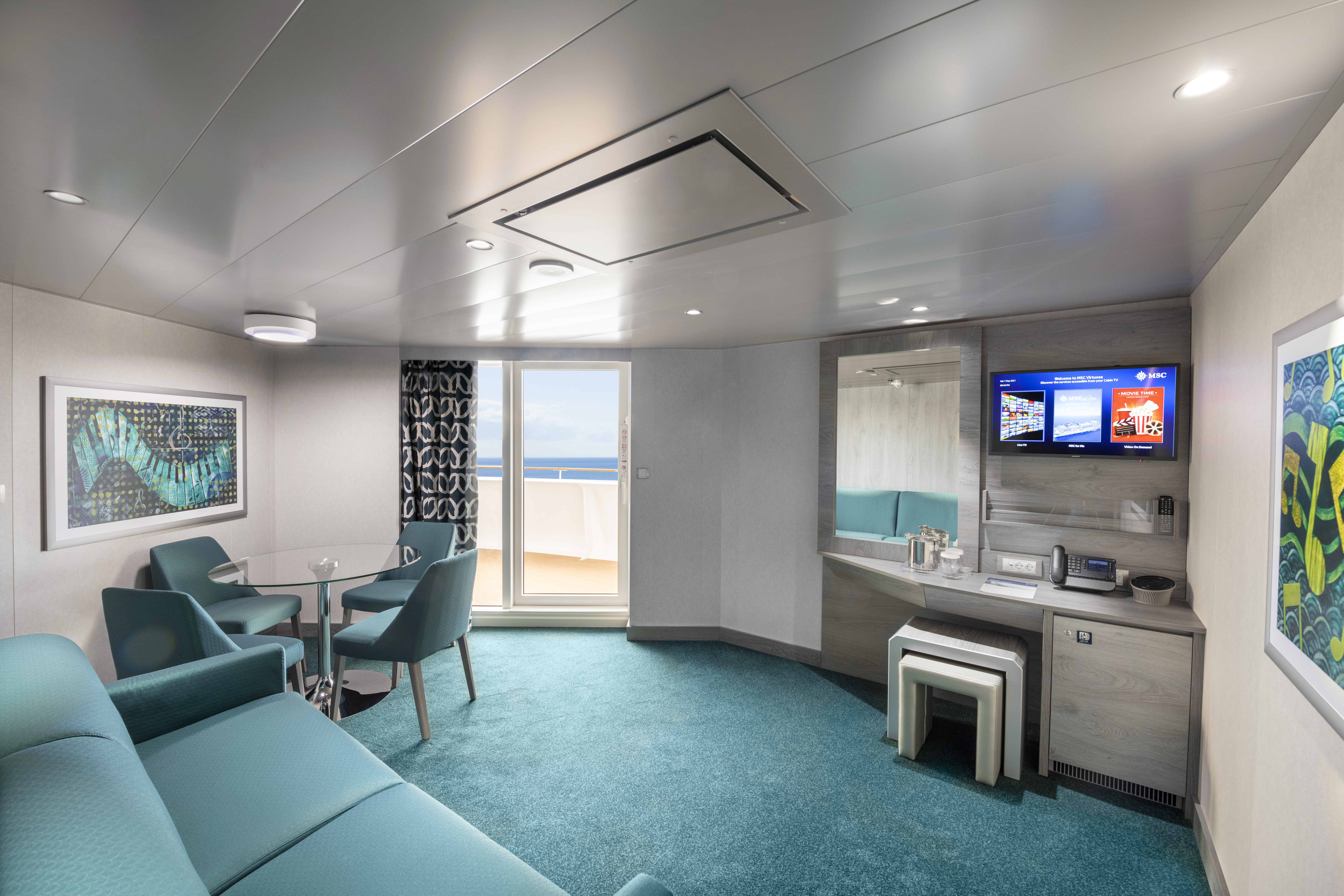 Photo: MSC Cruises
Practical Tips to Decide (and Save)
When interior cabins are the obvious choice:
- Any warm-weather itinerary where you'll be outside 80% of daylight hours
- Solo travelers (interior single cabins are far cheaper and you're not sharing the "cost" of the view)
- Short 3–5 night cruises where you're essentially just sleeping there
- Families who need connecting cabins — interior connecting pairs are significantly cheaper
When ocean view cabins actually earn their price:
- Alaska, Norway, Iceland, or any scenic cruising itinerary
- Repositioning cruises with long sea days
- Travelers who wake up early and spend morning time in the cabin
- Anyone prone to motion sickness who benefits psychologically from seeing the horizon
How to pay ocean view prices for less:
- Book guarantee cabins (GTY rates): You submit your category preference and the line assigns your cabin. Ocean view GTY fares can run 15–25% below standard ocean view pricing.
- Watch for category upgrades: If interior cabins oversell, cruise lines will bump passengers to ocean view at no charge. This is not guaranteed, but it happens regularly on popular itineraries.
- Check for virtual balconies: Royal Caribbean's virtual balcony cabins (a large screen showing live exterior camera footage) are priced between interior and ocean view — and honestly scratch the same psychological itch for a lot of cruisers.
- Use CruiseHub to compare real-time fares: Check live pricing at CruiseHub — the gap between cabin categories fluctuates constantly and you can often catch ocean view cabins within $50–$75 of interior pricing if you watch over a few weeks.
Which Cruise Lines Offer the Best Ocean View Value?
| Cruise Line | Ocean View Premium (7-night) | Worth It? | Notes |
|---|---|---|---|
| MSC Cruises | ~$150–$200/person | Sometimes | Large cabins; newer ships have great unobstructed views |
| Carnival | ~$150–$250/person | Rarely | Spend your money on port days instead |
| Royal Caribbean | ~$200–$350/person | Depends on ship | Consider virtual balcony cabins as a middle ground |
| Norwegian | ~$200–$350/person | Rarely | Studio interiors are exceptional value for solos |
| Celebrity | ~$250–$400/person | Yes, for sea days | Premium ship design makes ocean views genuinely pleasant |
| Princess | ~$200–$350/person | Alaska only | MedallionClass tech works in any cabin category |
| Holland America | ~$200–$300/person | Yes | Older demographic, more sea days, more value in the view |
The bottom line: For most Caribbean or Bahamas sailings, the ocean view premium is one of the worst value propositions in cruise pricing. You're paying $300–$600 extra per couple for a porthole you'll use twice. For scenic itineraries with genuine natural scenery — Alaska, Norway, the Mediterranean coast — that calculus flips completely and ocean view becomes money well spent.
If you want to run the numbers on your specific sailing and see exactly what the cabin upgrade would cost you, CruiseMutiny breaks down real cruise pricing by category so you can decide with actual data instead of guesswork.