Rough seas are a real cruise concern — but the financial cost of dealing with them (motion sickness remedies, trip insurance, itinerary changes) typically runs $20–$200+ extra per person. Here's what to budget and how to minimize both the discomfort and the surprise costs.
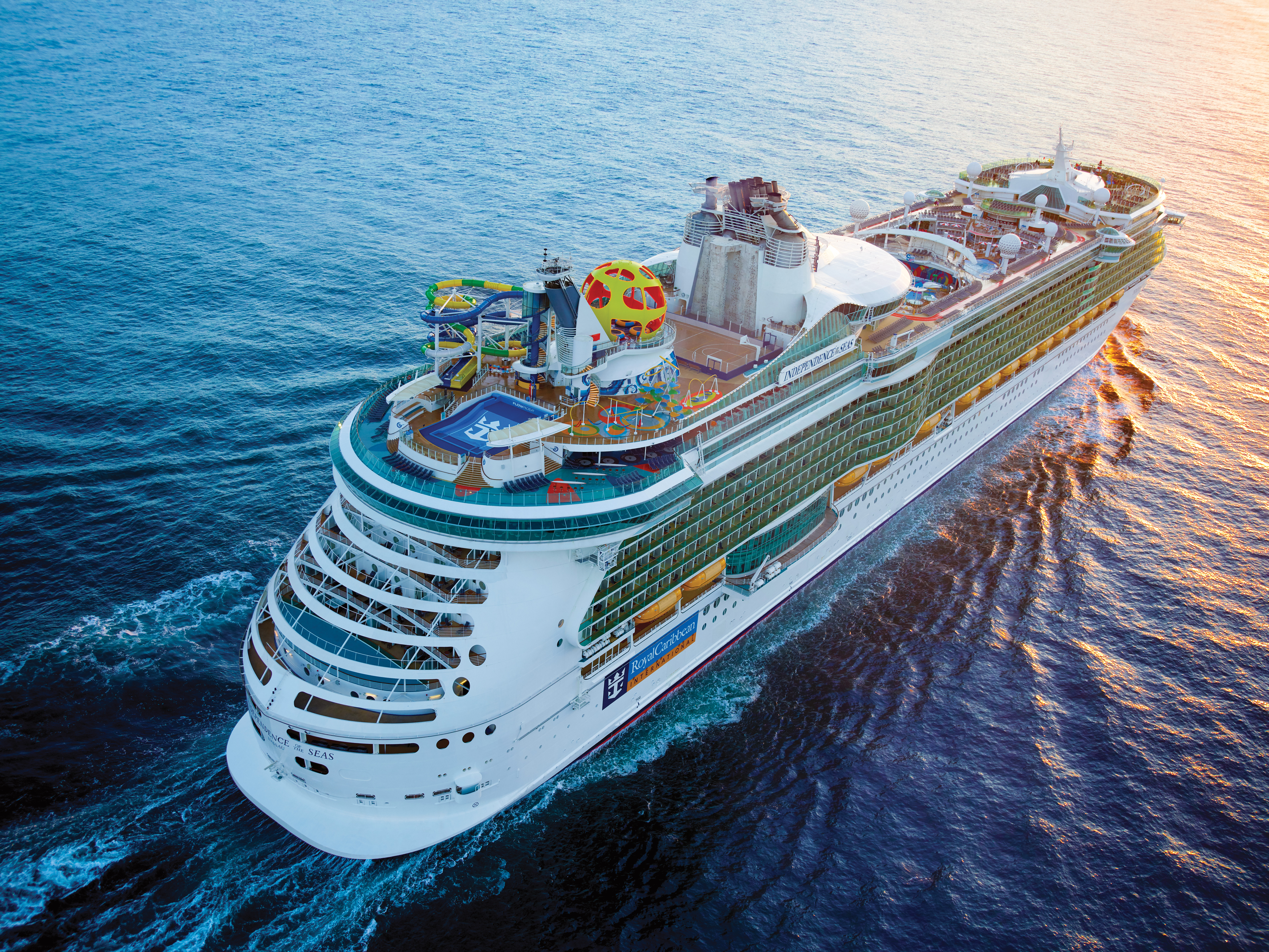 Photo: Royal Caribbean International
Every first-time cruiser asks about rough seas, and most veterans quietly dread them too. What nobody tells you upfront is that rough water doesn't just ruin your appetite — it can trigger unexpected costs, wasted excursion money, and itinerary changes that leave you stranded in a port you didn't plan for.
The Real Financial Exposure From Rough Seas
Rough seas cost you money in three ways: remedies you buy onboard, excursions you lose when ports get skipped, and the base cost of choosing a route or ship that minimizes the problem in the first place. Here's what each tier looks like in 2025–2026:
| Cost Category | Budget | Mid-Range | Splurge / Best Protection |
|---|---|---|---|
| Motion sickness remedies (onboard) | $0 — bring your own Dramamine | $15–$30 for onboard pharmacy patches/pills | $50–$75 for Scopolamine patch (Rx, bring from home) |
| Trip insurance (per person) | Skipped — risky | $50–$120/person (3rd-party basic) | $150–$350/person (Cancel For Any Reason / CFAR) |
| Lost excursion (port skipped) | $0 if booked through cruise line (refunded) | $50–$150 lost if booked independently | $200–$500+ lost if independent tours aren't refundable |
| Upgrade to smoother cabin location | $0 — ride it out | $50–$150 cabin upgrade fee | $300–$800+ for a midship balcony or suite upgrade |
| Choosing a calmer itinerary upfront | $0 — Caribbean in summer | $200–$500 more for Caribbean vs. North Atlantic | $1,000+ more for a luxury line on a calm-water route |
The single biggest financial mistake rough-seas worriers make: booking independent shore excursions with non-refundable policies, then watching the cruise line skip that port due to weather. You eat the full cost. The cruise line owes you nothing.
 Photo: Royal Caribbean International
Key Factors That Drive Rough Sea Risk (and Your Costs)
Route and Season The North Atlantic, Drake Passage, and open Pacific are notoriously rough. The Caribbean is generally calmer, especially June–November (yes, that's hurricane season — but rough seas and hurricanes are different threats). Alaska's Inside Passage is sheltered and surprisingly smooth. Mediterranean in summer is usually fine; in winter it can be nasty.
Ship Size Larger ships dampen motion significantly. A 6,000-passenger mega-ship like Icon of the Seas or Wonder of the Seas will feel a rough sea far less than a 700-passenger expedition vessel. If you're anxious about motion, bigger is almost always better — and the biggest ships tend to do Caribbean routes anyway.
Cabin Location Midship, lower decks = least motion. Forward cabins on upper decks = most motion. A midship inside cabin will rock less than a forward balcony that costs three times as much. This is one of the few cases where the cheaper cabin is actually the smarter pick for comfort.
Time of Year Winter crossings (November–February) on any North Atlantic or Northern European route carry the highest rough-sea probability. Summer Alaska sailings are far calmer than the brochure photos suggest they'd be.
The Excursion Booking Problem Cruise lines will refund port fees and taxes if they skip a port. They will also refund cruise-line-booked excursions automatically. They will not refund your independent Viator booking, your private driver, or the kayak tour you prepaid. In rough-weather-prone regions, this is a real financial risk — not a theoretical one.
 Photo: Royal Caribbean International
Practical Tips to Protect Your Budget and Your Stomach
1. Bring remedies from home — don't buy them onboard. Dramamine, Bonine (meclizine), and Sea-Bands cost $8–$15 at any pharmacy. The ship's medical center charges $15–$30 for the same thing, and the ship store markup is brutal. Scopolamine patches require a prescription but are the gold standard — get them from your doctor before you sail.
2. Buy travel insurance from a third-party, not the cruise line. Cruise line insurance is almost always overpriced and under-coverage. A 3rd-party policy (Allianz, Travel Guard, Seven Corners) that includes trip interruption and excursion reimbursement runs $50–$120/person for a standard 7-night sailing. CFAR (Cancel For Any Reason) upgrades add 40–50% to the premium but give you maximum flexibility if weather forecasts terrify you pre-departure.
3. Book excursions through the cruise line in rough-weather-prone ports. Yes, cruise line excursions cost 20–30% more than independent options. But if the ship can't tender into port, you get an automatic refund. In destinations with high weather variability (Alaska, Bermuda, open-ocean Caribbean), that insurance has real dollar value.
4. Choose your ship size deliberately. If rough seas genuinely worry you, don't book a small ship to save money and then spend the cruise miserable. The price difference between a 2,000-passenger mid-size ship and a 5,000-passenger mega-ship on the same Caribbean itinerary can be $200–$600/person — but the motion difference is enormous.
5. Pick midship, lower-deck cabins. When booking, specifically request deck 4–7, midship. On most booking platforms you can filter or request this. It costs nothing extra on most ships and makes a genuine difference in how much motion you feel.
6. Check the wave forecast before sailing. Windy.com and Windfinder both show open-ocean wave height forecasts 10+ days out. If you're sailing into a known rough patch, you can mentally prepare — and make sure your remedy supply is topped up before embarkation.
Best Lines and Routes for Rough-Sea-Anxious Travelers
If you're seriously worried, here's where to put your money:
| Route | Typical Conditions | Best For |
|---|---|---|
| Caribbean (Eastern/Western) | Generally calm, occasional chop | First-timers, motion-sensitive travelers |
| Alaska Inside Passage | Sheltered, smooth, stunning | Anyone scared of open ocean |
| Norwegian Fjords (summer) | Usually calm inside fjords | European cruisers who want drama without sea drama |
| Mediterranean (May–Sep) | Mostly calm, some Adriatic chop | Culture-focused travelers |
| Transatlantic (any season) | High variability, often rough | Experienced sailors only |
| North Sea / British Isles | Frequently rough | Bring the Scopolamine |
| Drake Passage (Antarctica) | Notorious — genuinely brutal | Adventure travelers who know what they're signing up for |
The honest bottom line: A well-chosen ship on a well-chosen route in the right season reduces rough-seas risk dramatically. The financial exposure from rough seas — lost excursions, onboard remedies, potential rebooking — is $100–$700+ per person if you're unprepared. Good trip insurance and smart excursion booking eliminate most of that risk for under $150/person.
Use CruiseMutiny to compare itineraries, ship sizes, and true all-in costs before you book — so you're choosing the right sailing for your tolerance, not just the cheapest fare.