For most first-time cruisers, a mega ship wins on value and variety — fares start at $75–$120/person/night versus $200–$500+ on small ships — but small ships deliver a fundamentally different, more immersive experience that suits travelers who hate crowds and prefer destination depth over onboard entertainment.
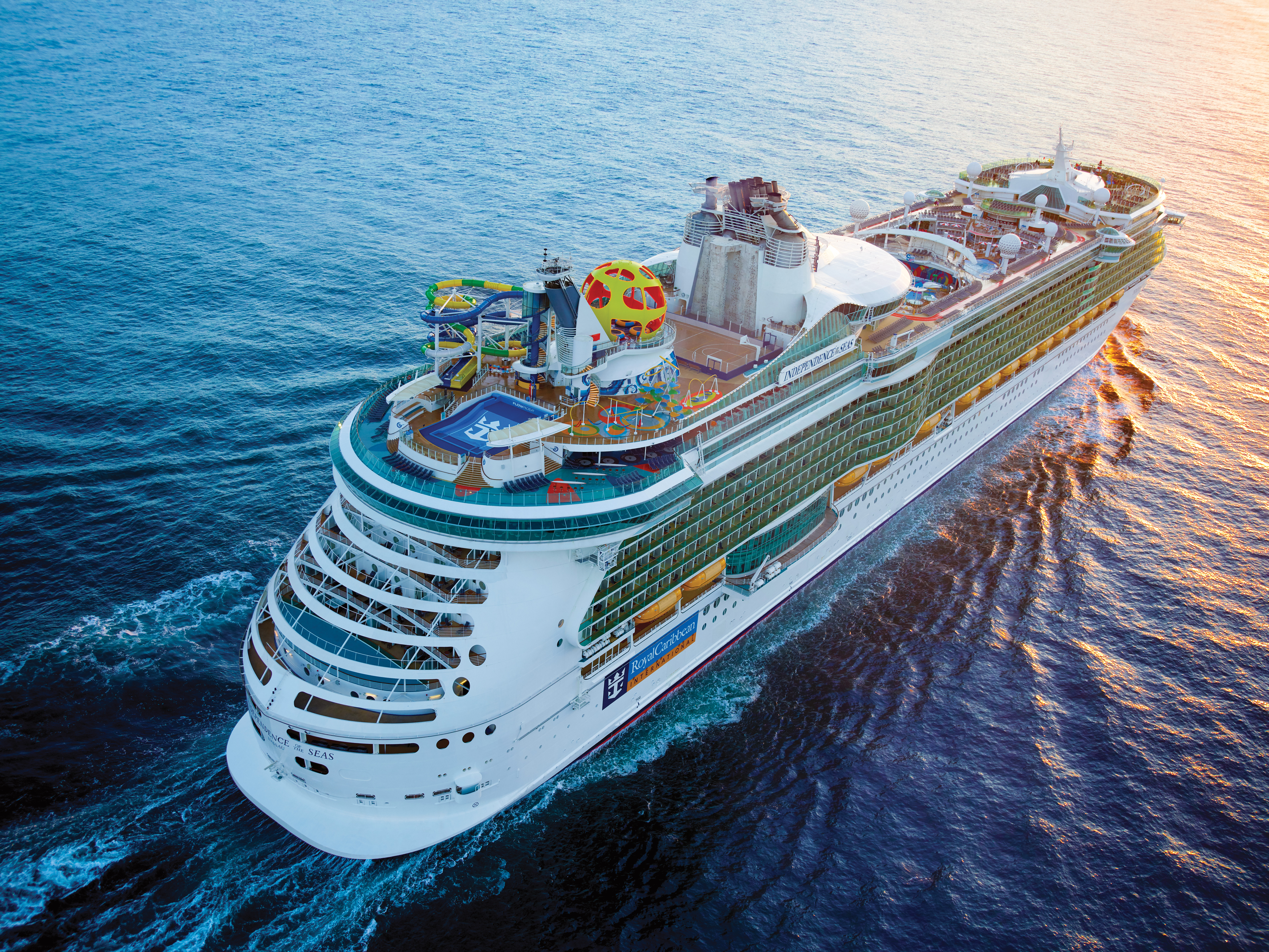 Photo: Royal Caribbean International
You're about to spend $1,500–$8,000+ on your first cruise, and the single biggest decision isn't which itinerary to pick — it's which type of ship to board. Get this wrong and you'll either feel stranded on a floating resort with nothing to do, or overwhelmed by 5,000 strangers waiting in line for a mediocre buffet.
The Core Difference — And What It Costs
Mega ships (2,000–7,000+ passengers) are built around the idea that the ship is the destination. Small ships (under 500 passengers, often under 200) are built around the idea that the destinations outside the ship are the point. That philosophical split drives every cost difference below.
| Category | Small Ship | Mega Ship |
|---|---|---|
| Base fare (per person/night) | $200–$500+ | $75–$150 |
| All-inclusive likelihood | High (60–80% of lines) | Low (add-ons are the business model) |
| Beverage package | Often included | $75–$95/person/day extra |
| Specialty dining | Often included | $20–$60/person extra |
| Gratuities | Usually included | $18–$22/person/day extra |
| Shore excursions | Small-group, $80–$200 | Large-group, $50–$180 |
| Wi-Fi | Often included | $20–$35/day extra |
| Total realistic spend (7 nights, 2 people) | $3,500–$8,000 | $2,500–$6,500 |
The catch with mega ships: that low base fare balloons fast. A couple on a Royal Caribbean or Norwegian ship who buys the beverage package, two specialty dinners, tips, and Wi-Fi is routinely adding $1,200–$1,800 to a 7-night trip before they touch a shore excursion. Small ships look expensive until you do the full math.
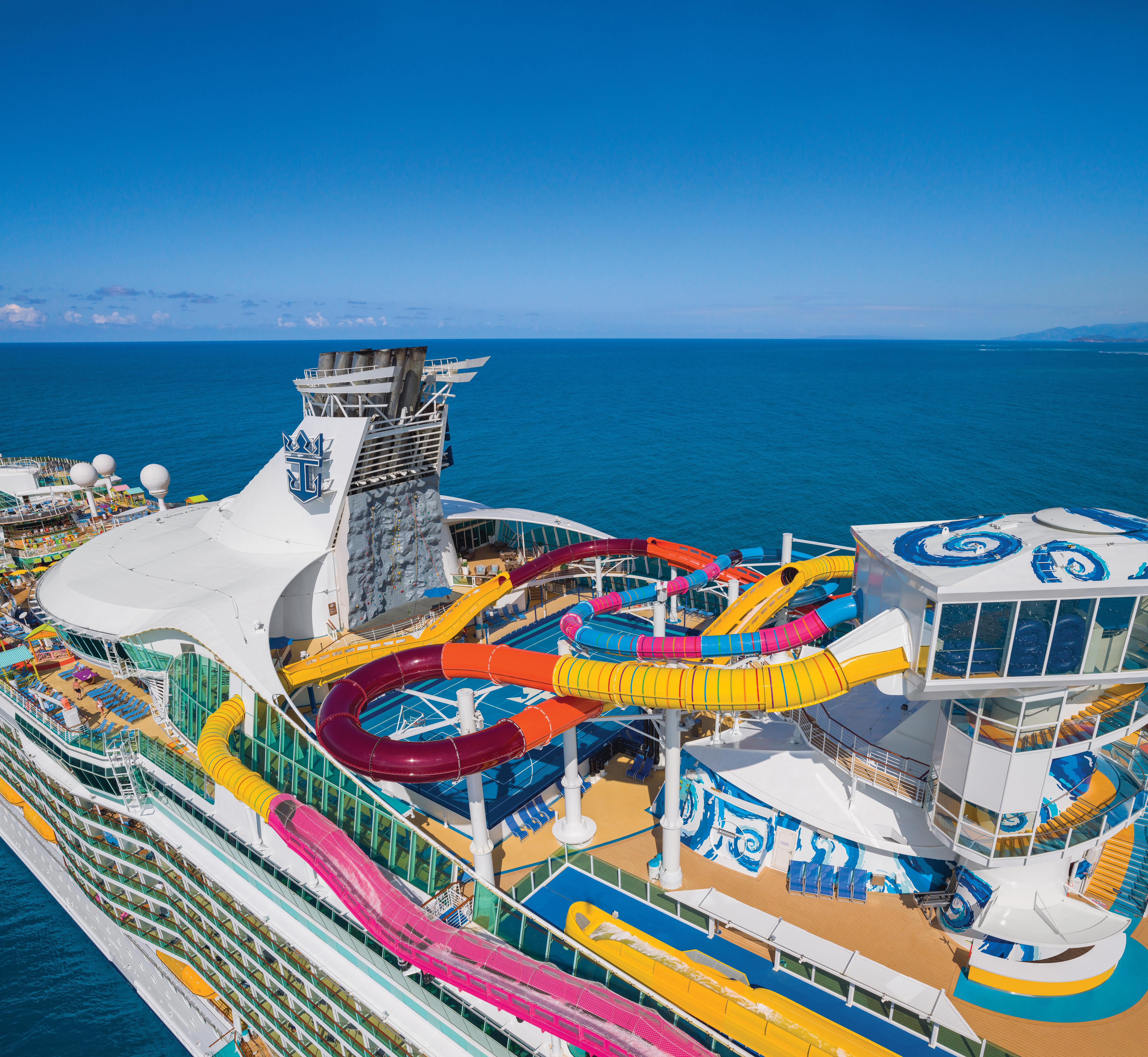 Photo: Royal Caribbean International
Key Factors That Drive the Decision for First-Timers
Personality type matters more than price. If you've never cruised before and you're drawn to the idea of a waterpark, 20 restaurants, Broadway shows, and nonstop activity — that's a mega ship and there's nothing wrong with it. If you chose your last vacation destination because of a documentary about it, consider a small ship.
Destination intensity. Mega ships go to popular Caribbean and Mediterranean ports where docking infrastructure exists. Small ships reach places like the Galápagos, Norwegian fjords, Antarctica, remote Alaska, and Croatian islands that big ships physically cannot enter. If your itinerary includes anywhere a mega ship can't go, the small ship is the only option.
Solo comfort level. First-timers who are introverted or traveling solo often report feeling anonymous and overwhelmed on mega ships. On a 100-passenger vessel, you know your fellow travelers by day two. That's either a feature or a bug depending on who you are.
Motion sickness risk. Counter-intuitively, bigger isn't always smoother. Modern large ships have stabilizers and their sheer mass reduces roll. But small expedition ships in open ocean — particularly in places like Drake Passage or the North Atlantic — can be genuinely rough. If you're seasickness-prone, a Caribbean mega ship is safer for debut.
Kids and families. Mega ships win here, no contest. The kids' clubs, splash zones, character experiences (Disney), and teen programming on ships like Royal Caribbean's Icon-class or Carnival's Excel-class have no equivalent on small ships. Most small ship lines aren't designed for children at all.
Dining expectations. Small ships often feel like a dinner party — same dining room, same faces, thoughtful menus. Mega ships offer volume and variety: 15–20 dining options, but the main dining room is frequently forgettable. Neither is inherently better, but know which experience you want.
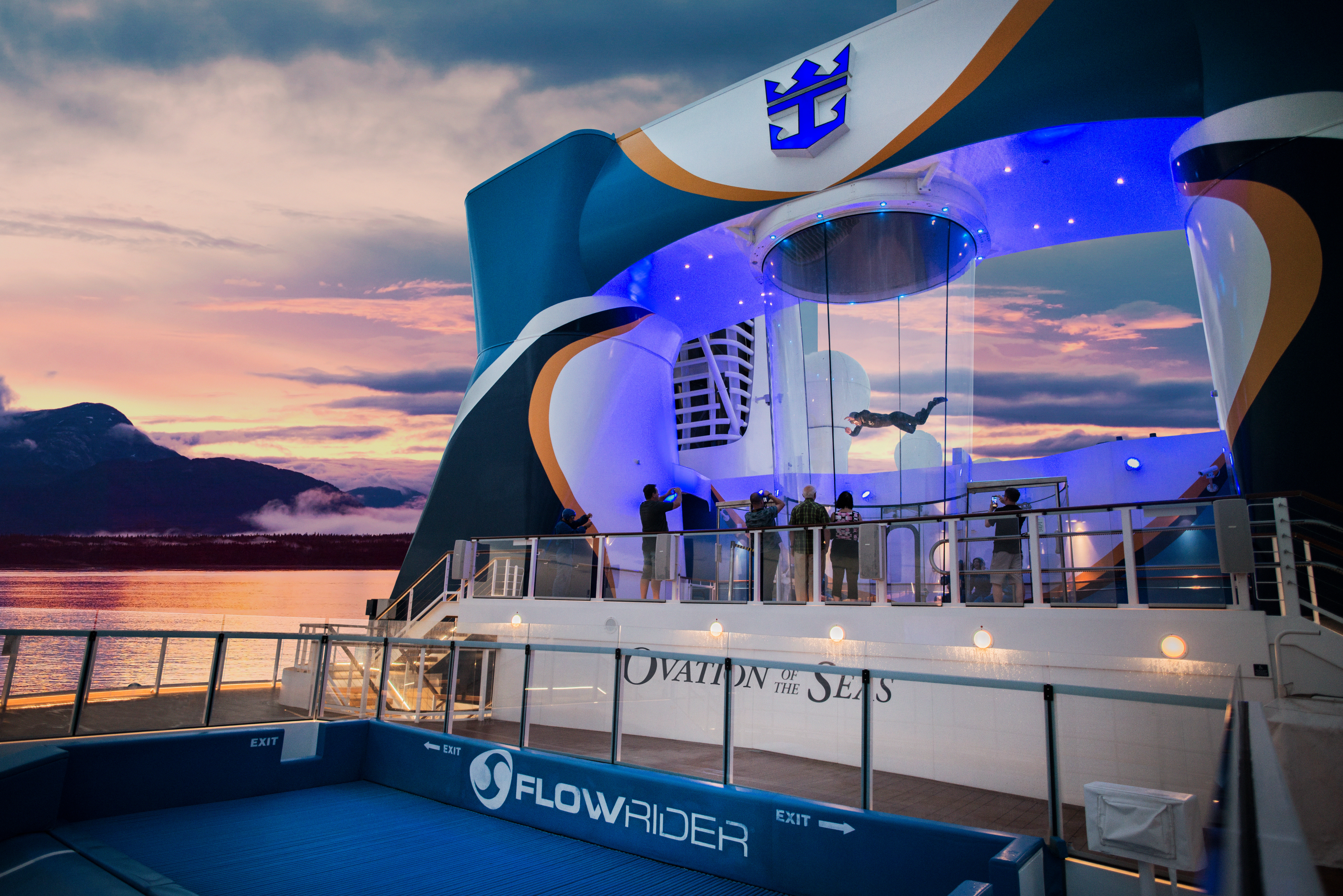 Photo: Royal Caribbean International
Practical Tips to Get the Best Value Whichever You Choose
On a mega ship:
- Book during Wave Season (January–March) or Black Friday sales — fares drop 20–40% and free drink packages are common promotions
- Avoid the ship's own excursions for popular ports like Nassau or Cozumel — independent operators run the identical tour for 30–50% less
- The main dining room is free and often genuinely good — don't let upsell pressure push you into nightly specialty dining fees
- Book an interior cabin on your first trip; first-timers are rarely in the room enough to justify a balcony premium of $50–$120/night
- Always price out the drink package vs. paying as you go — if you're drinking fewer than 5–6 alcoholic beverages per day between two people, skip the package
On a small ship:
- Verify exactly what "all-inclusive" covers before booking — some lines include alcohol, some don't, some include one brand of excursions but charge for premium ones
- Repositioning sailings on small-ship lines like Windstar or Ponant can cut fares by 20–30%
- Travel insurance is non-negotiable at these price points — a $4,000/person trip on a small ship demands cancellation protection
- Book early for expedition ships (Lindblad, Hurtigruten, Quark) — departures sell out 12–18 months ahead and discounts are rare
- Ask about single supplement waivers — small ship lines are far more likely than mega lines to waive the solo traveler penalty during select sailings
Which Ships and Lines to Consider First
Best mega ships for first-timers:
- Royal Caribbean Icon of the Seas / Wonder of the Seas — Maximum variety, Caribbean itineraries, excellent for families or groups. Budget $150–$220/person/night all-in for a realistic experience.
- Norwegian Encore / Prima — Freestyle dining and no fixed seating is genuinely less stressful for first-timers. Fares often include a free perk or two.
- Celebrity Beyond / Ascent — A polished step up in quality without the chaos of the largest ships. Good entry point if you lean toward premium experiences.
Best small ships for first-timers:
- Windstar Star Breeze — 312 passengers, mostly all-inclusive, Mediterranean and Caribbean itineraries. Less intimidating than true expedition ships. Budget $350–$500/person/night.
- Ponant Le Bougainville — French-owned, genuinely elegant, polar and remote itineraries. Expect $450–$650/person/night all-in.
- UnCruise Adventures — Small Alaska and Pacific Northwest ships, 22–88 passengers, highly immersive, great for active first-timers who'd rather kayak than see a magic show. Around $500–$700/person/night.
For a true budget small-ship feel without expedition pricing, river cruising (AmaWaterways, Viking River) is worth considering — ships carry 100–190 passengers, are almost always all-inclusive, and 7-night European fares start around $2,500–$3,500/person.
The Verdict
For the majority of first-time cruisers — especially families, groups, budget-conscious travelers, and people who want maximum onboard entertainment — a mega ship is the smarter starting point. You'll get more flexibility, lower base costs, and a lower-risk introduction to cruising as a travel format.
But if you're already a confident, independent traveler who researches destinations obsessively, finds crowds draining, and would genuinely rather anchor in a remote fjord than stand in a FlowRider line — start on a small ship and don't look back. The higher price tag buys a categorically different product.
Whatever direction you're leaning, run the full numbers before you commit. Plug your itinerary into CruiseMutiny to see the real all-in cost comparison between ship types — because the sticker price on a mega ship and the actual amount you'll spend are rarely the same number.