Most cruisers gain 1–5 pounds on a 7-night cruise, with heavy drinkers and all-day buffet grazers reporting 5–10 pounds. The food is unlimited, the drinks flow constantly, and the ship is literally designed to make you eat more — here's what it actually costs your waistline (and your wallet).
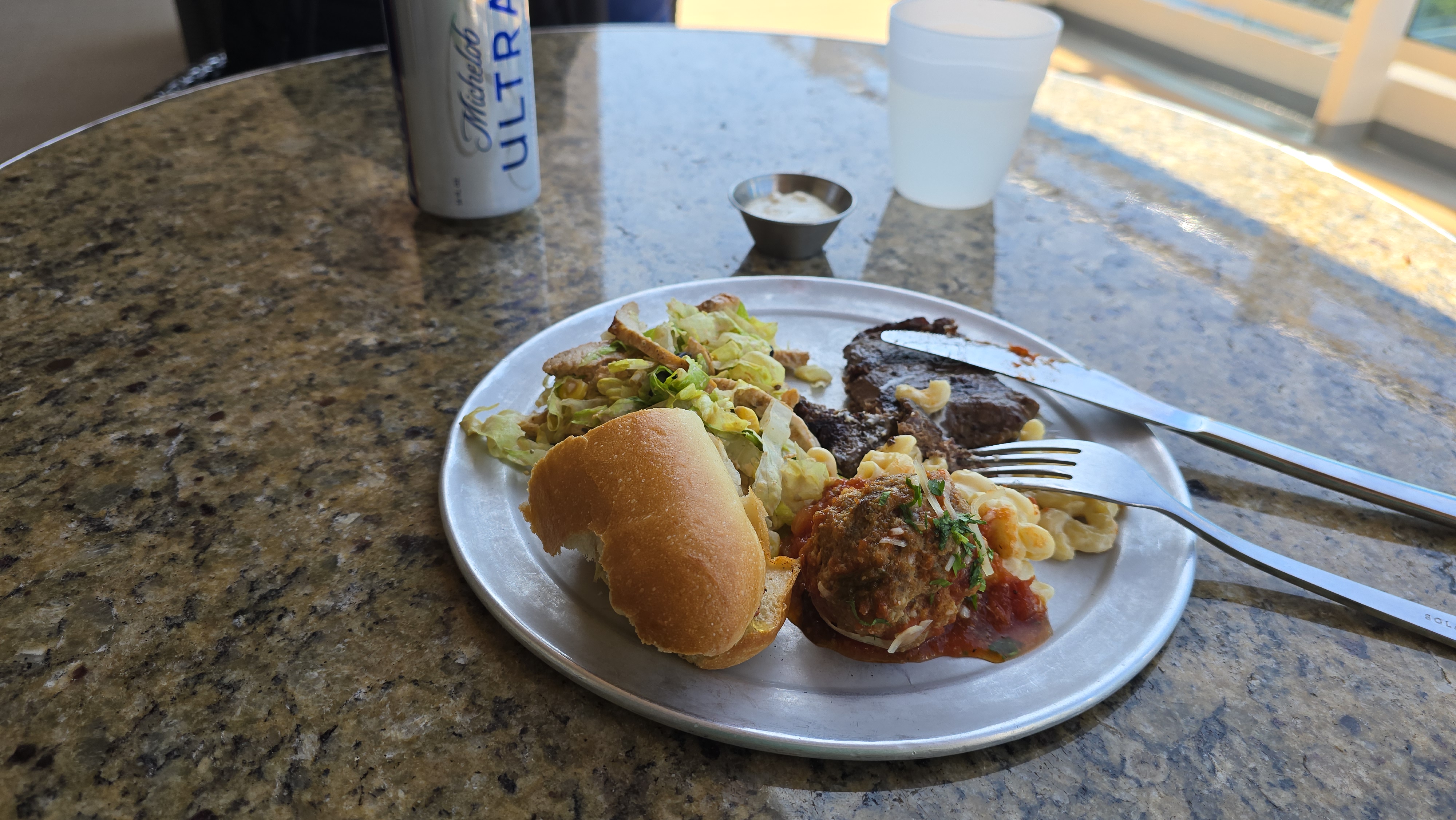 Photo: Carnival Cruise Line
Cruises are engineered for excess. Unlimited main dining, 24-hour buffets, specialty restaurants, and a drink package that encourages you to hit your "break-even" of 5–6 drinks per day — it's a perfect storm for weight gain. The average cruiser gains 1–5 lbs on a 7-night sailing; heavy drinkers and buffet devotees regularly report 5–10 lbs.
How Much Weight Do People Actually Gain on a Cruise?
There's no official clinical study on cruise weight gain (shock), but the numbers reported consistently across cruise forums and Reddit threads are remarkably consistent:
| Cruise Length | Light Eater/Active | Average Cruiser | Full Send (Drinks + Buffet) |
|---|---|---|---|
| 3–4 nights | 0–1 lb | 1–2 lbs | 2–4 lbs |
| 7 nights | 0–2 lbs | 2–5 lbs | 5–10 lbs |
| 10–14 nights | 1–3 lbs | 3–7 lbs | 8–14 lbs |
| World Cruise (90+ nights) | 5–10 lbs | 15–25 lbs | You don't want to know |
The good news: a significant chunk of that is water retention and sodium bloat, not actual fat. Ship food is notoriously high in sodium. Many cruisers lose 2–3 lbs in the first week home just from fluid normalization.
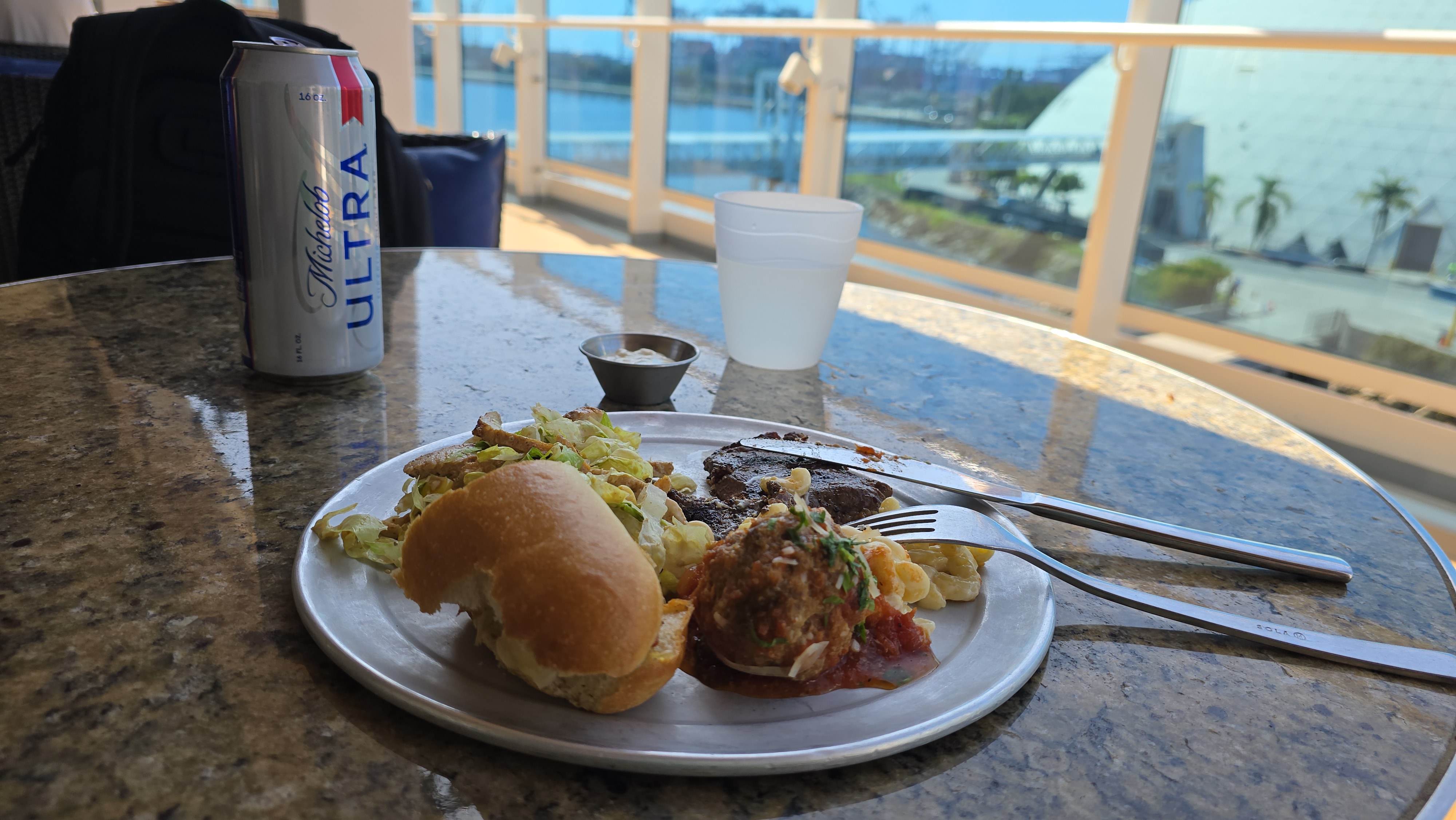 Photo: Carnival Cruise Line
The Real Culprits Driving Cruise Weight Gain
1. The Drink Package Math Works Against Your Waistline
If you bought a beverage package — typically $50–$120/person/day pre-cruise — your brain is wired to "get your money's worth." Breaking even requires 5–6 drinks per day. Each cocktail runs 200–400 calories. Five drinks = up to 2,000 calories from alcohol alone before you've touched the buffet.
| Drink Type | Avg. Ship Price (before 20% gratuity) | Approx. Calories |
|---|---|---|
| Well Cocktail | $11.50 | 180–250 cal |
| Signature Cocktail | $13.50 | 250–400 cal |
| Domestic Beer | $7.50 | 150–200 cal |
| Frozen Drink (piña colada, etc.) | $13–$16 | 400–600 cal |
| Wine by the Glass | $11 | 120–180 cal |
Five frozen drinks a day = ~2,000–3,000 calories. Just from drinks.
2. The Buffet Is Open Around the Clock
The Windjammer, Lido Deck, Sea View Bar, Marketplace — whatever the line calls it, the buffet is open from roughly 6am to midnight, with limited options overnight. There is no friction between you and another plate of pasta. Ship buffets are specifically designed with smaller plates (makes you take more trips, eat more overall), aromatic triggers near entrances, and no calorie counts on most lines.
3. Specialty Dining Adds Up Fast
If you're doing specialty restaurants — $23–$125/person per cover, with steakhouses averaging $45/person — you're getting full multi-course meals with bread service, appetizers, mains, and dessert. Two specialty dinners mid-cruise can easily add 3,000–4,000 extra calories beyond what you'd eat at the main dining room.
4. Sea Days Are Sedentary Days
Port days keep you walking — sometimes 15,000–20,000 steps on a good shore excursion. Sea days? You're horizontal on a sun lounger with a cocktail in hand. A 7-night Caribbean cruise with 3 sea days can mean 3 full days of near-zero activity while the food keeps coming.
5. The Ship Gym Exists But Gets Ignored
Every mainstream cruise ship has a gym. It's usually free (some charge for classes: $15–$35/session for spinning, yoga, pilates). It's also usually empty after the first sea day when people realize the pool bar opened at 10am.
 Photo: Carnival Cruise Line
Practical Tips to Minimize Cruise Weight Gain
Before you board:
- Skip the beverage package if you're a light drinker — individual drinks at $7.50–$16 each (before gratuity) will naturally pace your consumption better than a prepaid package you feel obligated to maximize.
- Book active shore excursions. Hiking, kayaking, and snorkeling tours burn real calories and cost $50–$150/person — far cheaper than the gym classes on board.
On the ship:
- Hit the main dining room instead of the buffet for dinner. Sit-down service = slower eating = less total intake.
- Use the ship's stairs instead of elevators. A 20-deck ship gives you a legitimate workout just navigating from your cabin to the pool.
- Front-load the buffet with protein and vegetables before the starches. Obvious, but the buffet layout is designed to put the bread and pasta first.
- Schedule a morning gym session before the pool deck opens. The gym is genuinely empty at 7am on most ships.
- Alternate alcoholic drinks with sparkling water or soda. Soda at the bar runs about $3.50, but it's free at the buffet on all major lines — grab it there.
The honest math:
| Daily Habit | Extra Calories | 7-Day Impact |
|---|---|---|
| 5 cocktails/day (package mentality) | +1,500–2,500 cal/day | +3–5 lbs potential |
| 3 buffet visits vs. 1 | +800–1,200 cal/day | +1.5–2.5 lbs potential |
| Zero exercise (sea day lounging) | -500 cal burned vs. normal day | +1 lb potential |
| 1 specialty dinner (full courses) | +1,000–1,500 cal vs. MDR | +0.5 lb per dinner |
The bottom line: You can absolutely cruise without gaining weight — but the ship's business model depends on you not trying very hard.
Which Cruise Lines Make It Easier to Stay on Track
Not all lines are equal on the food-health axis:
| Cruise Line | Healthy Options Quality | Included Drink Pressure | Gym Quality |
|---|---|---|---|
| Celebrity Cruises | Excellent (dedicated healthy menus) | Medium (packages popular but not pushed hard) | Very good |
| Virgin Voyages | Very Good (no buffet, restaurant-only) | High (bar tab included in fare) | Excellent |
| Holland America | Good | Low (older demographic, lighter drinking) | Good |
| Carnival | Fair (buffet-heavy culture) | High (CHEERS! package marketing everywhere) | Basic |
| Royal Caribbean | Good | High | Excellent (esp. Oasis-class) |
| MSC | Good | Medium | Good |
Celebrity Cruises deserves a specific mention: they have dedicated "Clean Cuisine" and spa menu options in the main dining room, and their AquaClass staterooms include access to the Blu restaurant, which focuses on lighter, health-forward cooking. Their onboard health policies also emphasize hand-washing and hygiene practices that — while designed for illness prevention — reinforce a health-conscious atmosphere generally.
If you want to cruise without the food free-for-all, Virgin Voyages is genuinely the outlier: no buffet, restaurant dining only, included fitness classes, and a crowd that skews younger and more wellness-oriented.
Want to see exactly what your cruise's drink package, specialty dining, and shore excursion options will cost before you commit? Run your sailing through CruiseMutiny — it breaks down every add-on cost so you can decide what's actually worth it before the ship decides for you.