A cruise ship was placed under brief quarantine after 50 passengers became infected with norovirus. The outbreak forced the vessel into lockdown protocols, affecting hundreds of additional passengers and crew. Health authorities managed the situation and eventually lifted restrictions.
📰 Reported — from industry news sources
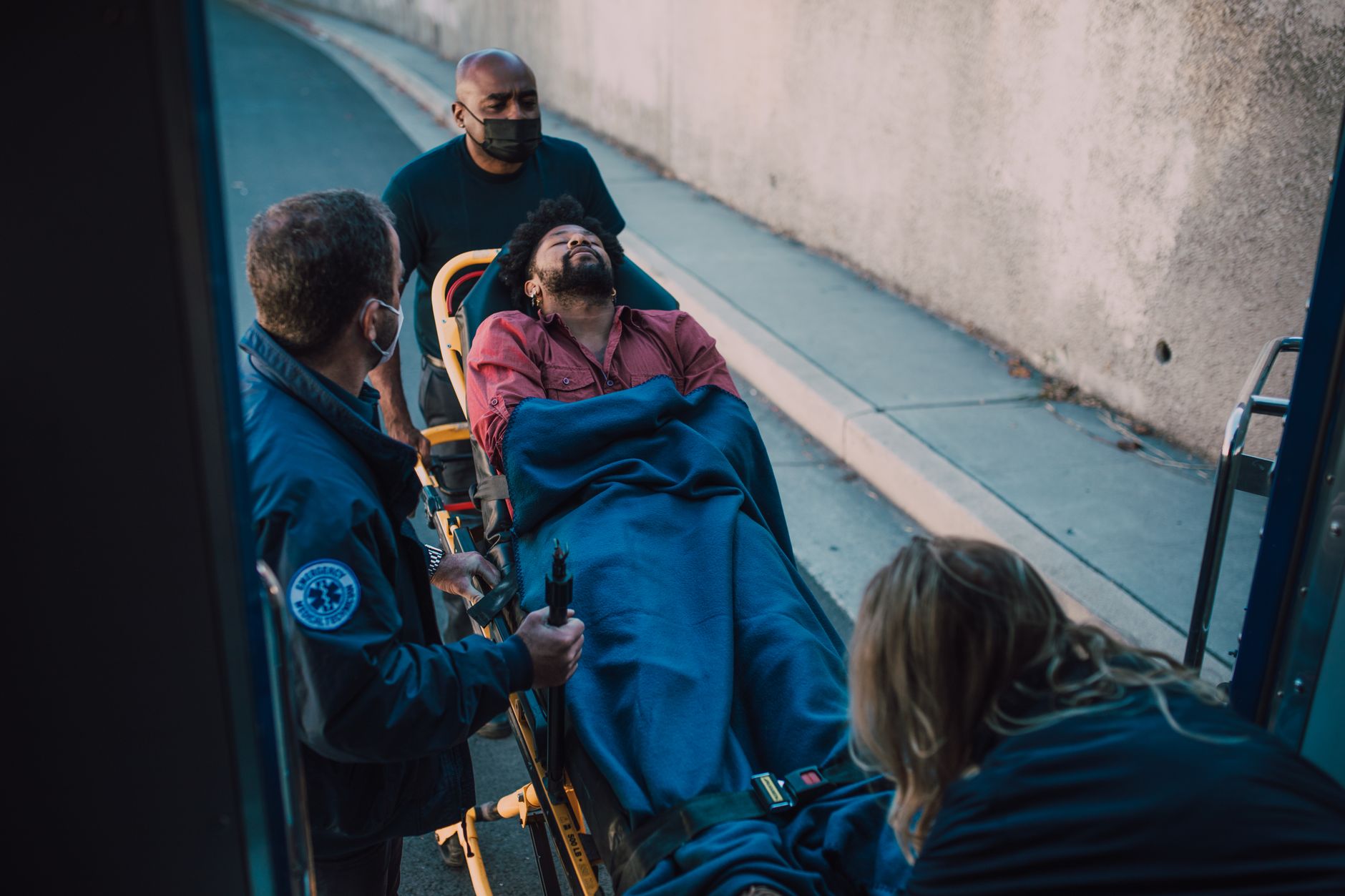 Photo by RDNE Stock project on Pexels
What Happened
A cruise ship went into lockdown after norovirus infected 50 passengers, forcing the vessel and its crew into quarantine protocols that disrupted the itinerary for everyone aboard. Health authorities eventually cleared the ship to resume operations, but not before hundreds of uninfected passengers spent days confined to their cabins or under movement restrictions.
 Photo by RDNE Stock project on Pexels
What This Actually Means For Your Wallet
Let's be direct: if you were on this ship, you just got financially punched in the gut—and the cruise line's contract probably lets them off the hook for most of it.
The actual dollars at risk:
If you got sick and had to disembark, you're looking at immediate costs: last-minute airfare home (typically $300–$800 depending on where the ship was), any non-refundable port excursions you'd prepaid ($200–$1,500 if you booked a few decent tours), and possibly extra nights in a hotel if you couldn't get a same-day flight. If you were uninfected but confined, you lost dining flexibility and onboard activities but technically consumed the services you paid for—though that cold comfort doesn't pay your bills.
The headline number: affected passengers are likely out $800–$3,000 in actual out-of-pocket costs beyond their cruise fare, assuming they had to get home early or book alternate arrangements.
What the cruise line's contract actually says:
Most cruise line Contracts of Carriage include a force-majeure clause that essentially reads: "We're not liable for situations beyond our reasonable control, including communicable diseases, public health emergencies, and government-ordered port closures." Carnival, Royal Caribbean, Norwegian, and Princess all have language like this. What it really means: the cruise line will typically offer you a Future Cruise Credit (FCC) for the unused portion of your fare—but they won't refund cash, they won't cover your flight home, and they won't reimburse prepaid excursions unless they cancelled those excursions.
Some lines are more generous with FCCs during epidemiological events (Royal Caribbean has been known to sweeten the deal with onboard credit), but don't count on it. Disney Cruise Line and some premium lines like Regent or Oceania have slightly softer language, but the outcome is usually similar: credit, not cash.
Travel insurance reality:
Here's where it gets murky. A standard trip-cancellation policy covers named perils—your flight gets cancelled, the cruise line files bankruptcy, you get sick. But if other passengers get sick? Most policies exclude that unless you can prove you contracted the illness yourself and have medical documentation. Cancel-for-Any-Reason (CFAR) policies cover it—but they cost 40–60% more than standard plans and cap reimbursement at 75–90% of trip cost, and you typically have to cancel within 14 days of initial trip purchase.
The practical truth: unless you bought CFAR coverage before you booked, you're relying on the cruise line's forced-credit offer. Medical evacuation insurance (often bundled with travel insurance) might cover the cost to get you home if you were actually infected, but read the fine print—many require a doctor to certify you were too ill to continue sailing.
What you should do today:
If you're on this sailing, send a detailed email to the cruise line's guest relations department (not Twitter, not a call—email creates a paper trail) within 48 hours documenting:
- Your booking confirmation number
- Which port you disembarked (if you left early) or your confinement dates (if you stayed)
- Names and confirmation numbers of any prepaid excursions you forfeited
- Your last-minute airfare receipt (if applicable)
Explicitly ask: "Beyond the standard FCC, what additional compensation are you offering for prepaid excursions I could not use and [airfare / hotel] expenses I incurred due to this outbreak?" Cite the number of days you were operationally restricted. Lines sometimes negotiate when you show receipts and have clear documentation. Then check your travel insurance policy immediately—even if it didn't cover the quarantine itself, it may cover medical expenses if you're actually ill.
 Photo by RDNE Stock project on Pexels
The Bigger Picture
Norovirus outbreaks on cruise ships aren't new, but they're a reliable reminder that cruise ships are disease petri dishes: thousands of people sharing air handlers, buffet tongs, and handrails in close quarters. The cruise industry has gotten better at containment procedures over the past decade, but a 50-person outbreak is significant and suggests either the protocols failed or the virus got a lucky break. Ships are being built larger and newer, but the ventilation and hygiene gaps haven't fundamentally changed since 2016's Caribbean Princess outbreak.
This also signals something darker: cruise passengers are increasingly willing to book despite health risks because the marketing narrative has shifted to "these things are rare and manageable." They are neither as rare nor as manageable as the industry claims.
What To Watch Next
Regulatory follow-up: Check if the CDC or local health authorities issue an investigative report within 30 days. They don't always publicize findings, but maritime records are often available via FOIA requests—that report will tell you whether this was a one-off or a systemic failure.
Litigation signals: Monitor maritime law blogs and cruise-passenger forums for class-action filings. If 50 passengers were infected, there are likely lawyers already reaching out to them. A settlement (if one emerges) may force the line to offer cash refunds or higher FCCs, which could benefit other affected passengers even if they don't join the suit.
Company response and policy changes: Watch the cruise line's official statement over the next 2–3 weeks. Do they acknowledge failures or blame passengers? Do they announce new protocols? Lines that are defensive typically repeat the offense; lines that own it and upgrade protocols are slightly safer bets going forward.
📊 Have a cruise booked that might be affected by news like this? CruiseMutiny can run a full all-in cost breakdown for your specific sailing — and flag any disruptions tied to your dates or ship.
Last updated: May 14, 2026. This is a developing story — check back for updates.