Disney Cruise Line cancelled a sailing after passengers had already boarded the vessel, creating chaos and frustration. Guests who had completed embarkation were forced to disembark without sailing. The last-minute cancellation represents a significant operational failure and major inconvenience for families.
📰 Reported — from industry news sources
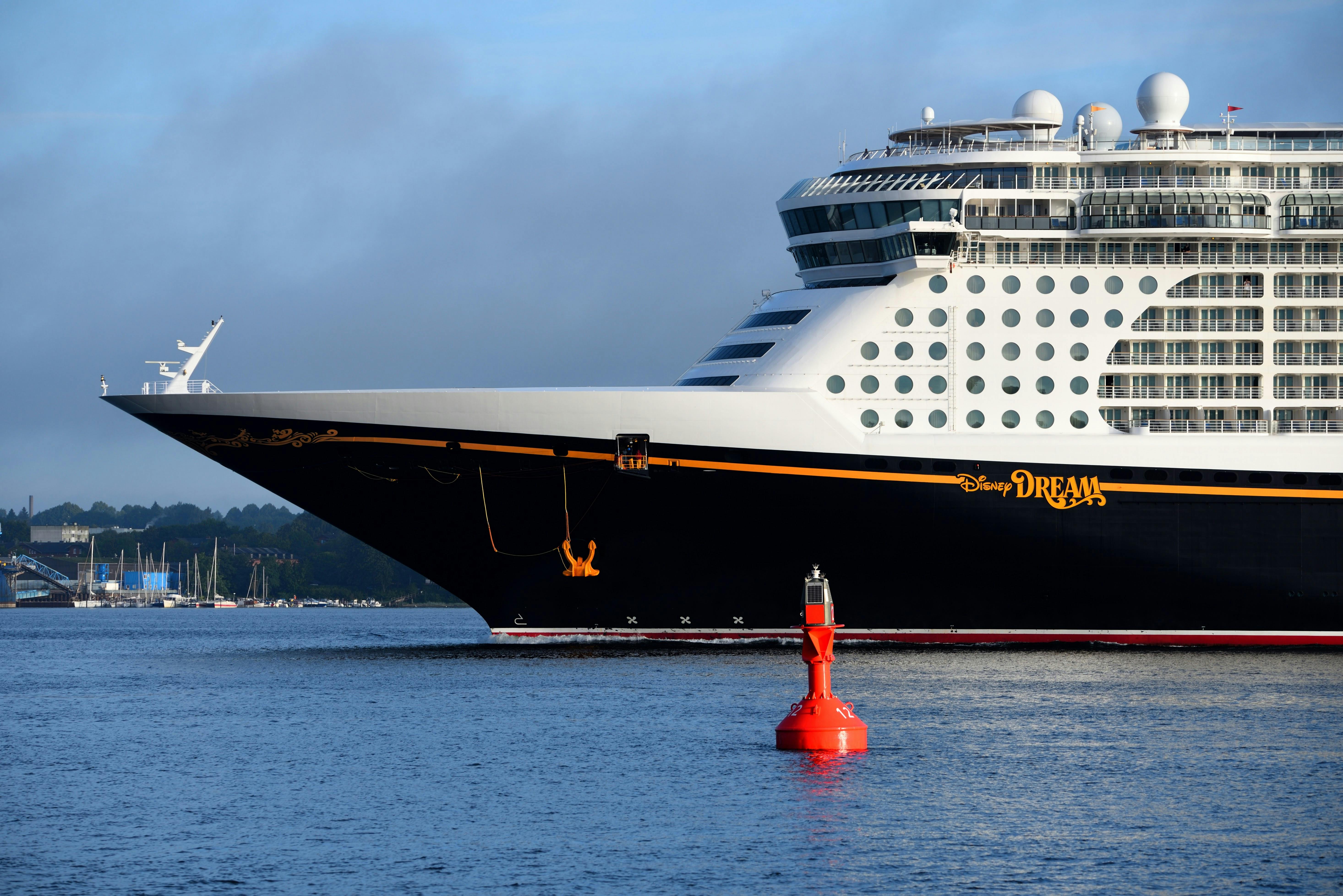 Photo: Travel Mutiny
What Happened
Disney Cruise Line pulled the plug on a sailing after guests had already walked up the gangway, checked in, and settled into their staterooms. Families were then told to pack up and disembark without ever leaving port. It's the kind of operational meltdown that's rare in this industry—and especially surprising coming from Disney, a company that built its reputation on execution and guest experience.
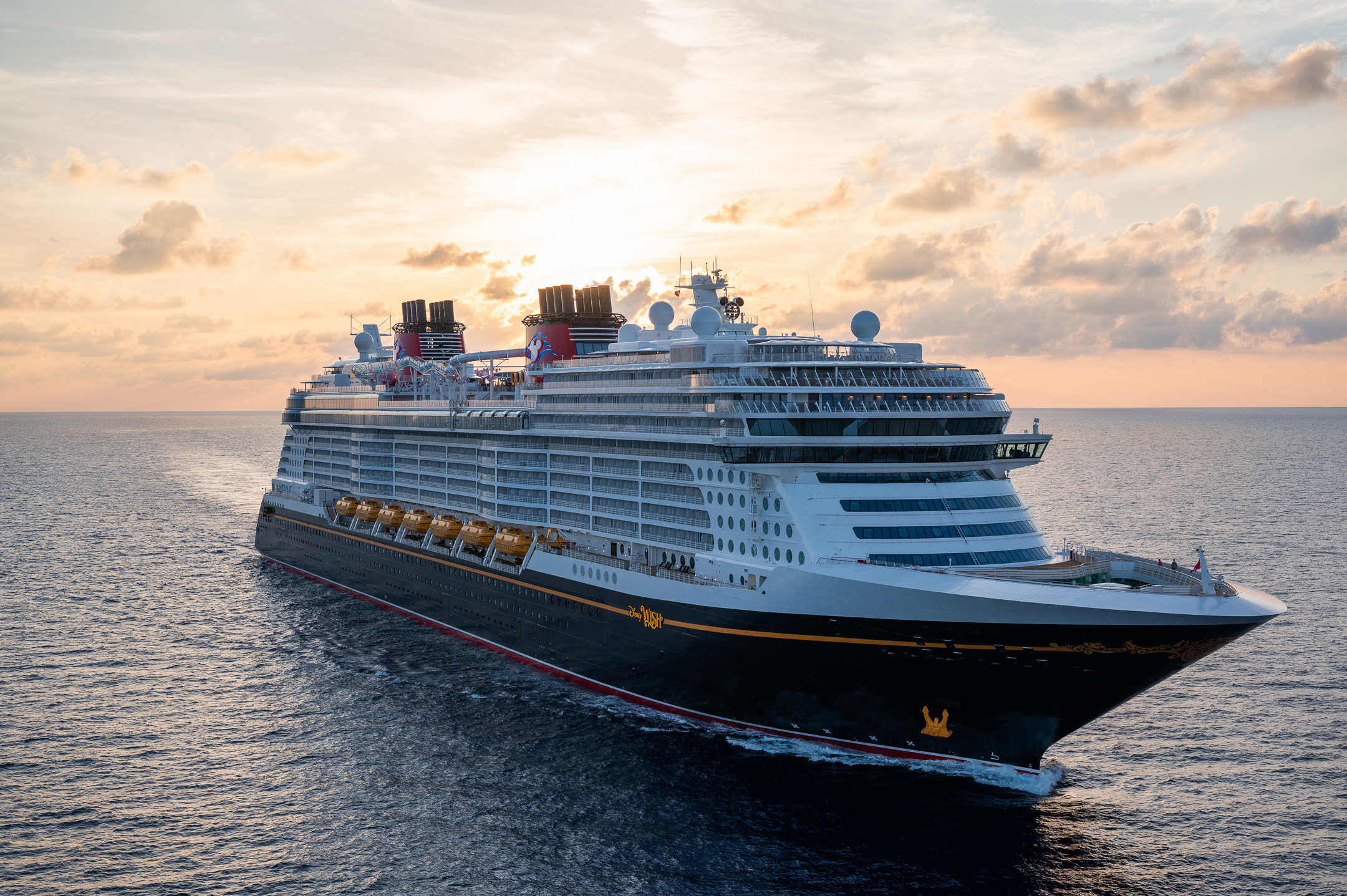 Photo: Travel Mutiny
What This Actually Means For Your Wallet
Let's talk about what you're actually out if this happens to you, because "cancelled sailing" sounds clean until you add up the damage.
First, the cruise fare itself. Disney will refund what you paid—that's standard across the industry and required by law. But here's where it gets expensive: you're not getting back the time-sensitive costs you built around that cruise. If you flew in the day before (smart move to avoid missing the ship, ironic now), you're holding the bag for that hotel night, probably $150–$300 depending on the port city. Your flights? If you booked a non-refundable fare—and most people do because they're $100–$200 cheaper—you're looking at change fees of $200+ per ticket, if the airline even lets you rebook. Want to fly home same-day after getting kicked off? Expect last-minute airfare running $400–$800 per person.
Add in any pre-booked port excursions purchased outside Disney's system (those Instagram-famous beach clubs in Cozumel, the snorkeling outfit in St. Thomas). Third-party tour operators usually have 48–72 hour cancellation windows. You're past that. Kiss that $400–$600 for a family of four goodbye unless you want to spend hours pleading your case.
Childcare you arranged back home? Pet boarding? Someone took time off work to watch your house? None of that gets refunded by Disney. We're easily at $1,500–$3,000 in sunk costs for a typical family, and that's before we talk about the vacation days you burned.
Now, what does Disney's policy actually say about this scenario? Their standard Passage Contract includes force majeure provisions that let them cancel for mechanical issues, weather, or other events beyond their control without liability for consequential damages—that's cruise-line speak for "we'll refund your fare but not your life." They'll likely offer some form of compensation (Future Cruise Credit is the industry default), but the contract generally limits their obligation to the cruise fare itself. If this was a propulsion failure or critical system malfunction, they're legally covered. Morally? That's a different conversation.
What about travel insurance? This is exactly why I tell people to buy it—but not all policies are created equal. Standard trip-cancellation policies only cover named perils: illness, injury, death, jury duty, that sort of thing. "Cruise line cancelled after I boarded" isn't on that list. You need to check if your policy includes "travel supplier failure" or "trip interruption" coverage. Most decent policies do cover interruption, which might apply here since you'd technically started your trip. That could reimburse your unused trip costs and additional transport home. The maximum payout is typically 100-150% of your insured trip cost.
Cancel-for-Any-Reason (CFAR) insurance—which runs about 40% more than standard policies—would give you the best shot, but even then you only get back 50-75% of non-refundable costs, and you usually have to purchase it within 14-21 days of your initial deposit.
Here's what to do right now if you're on a Disney sailing in the next 90 days: Pull out your cruise contract (it's in your booking confirmation email) and screenshot Section 5 or whichever section covers cancellations and refunds. Know what you're entitled to before you're standing in a terminal trying to argue with a stressed-out crew member. Then call your travel insurance provider—if you have one—and ask point-blank: "If Disney cancels my cruise after I've boarded, what gets covered?" Get the answer in writing via email. If you don't have insurance yet and you're sailing soon, buy it today. Even a basic policy is better than eating $2,000 in airfare.
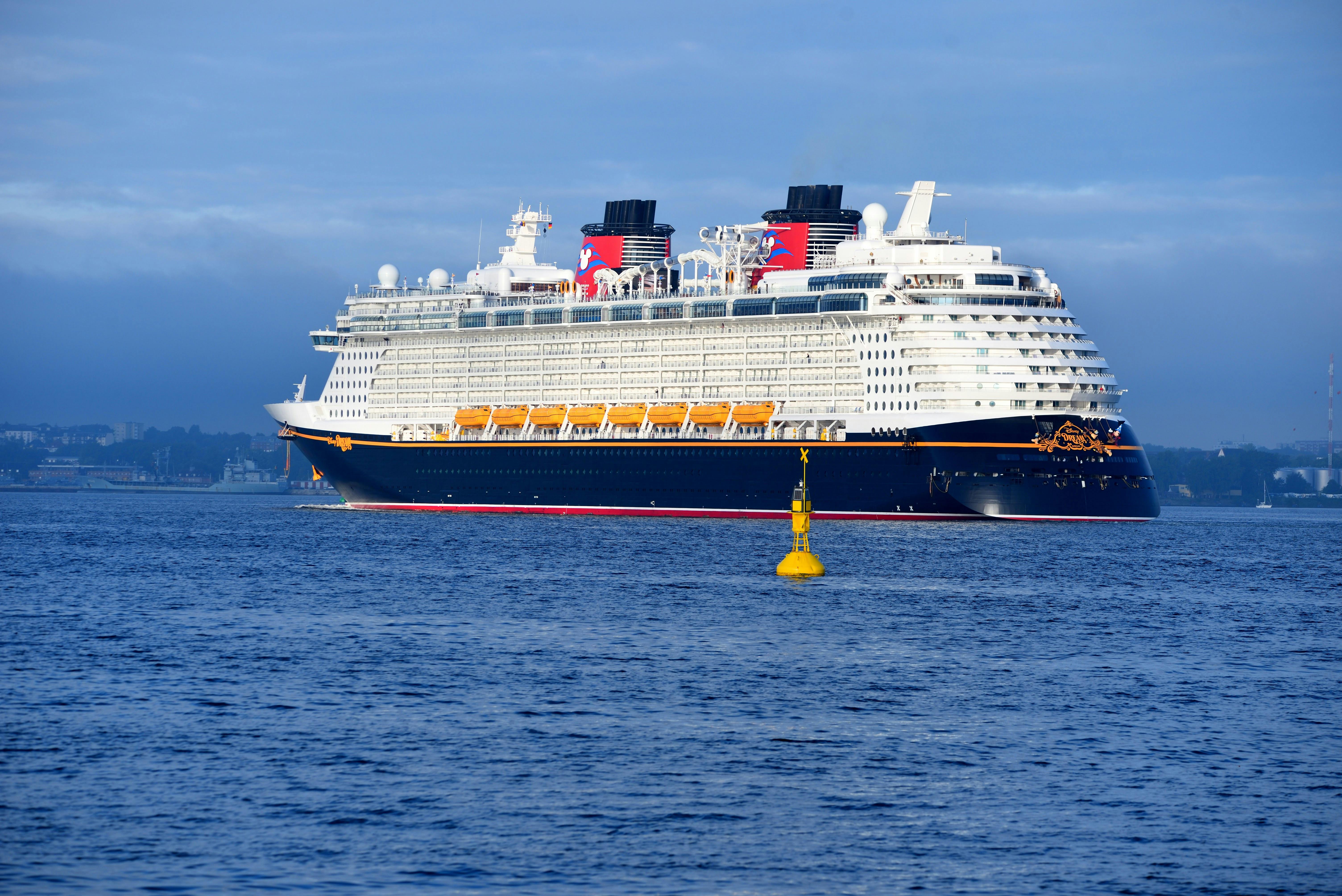 Photo: Travel Mutiny
The Bigger Picture
This isn't normal, even in an industry where itinerary changes and occasional port skips are part of the deal. Disney charges a significant premium over Carnival, Royal Caribbean, and Norwegian—partly for the characters and kids' clubs, but mostly because they don't have these kinds of failures. When you're paying $4,000–$8,000 for a 7-night Caribbean sailing that runs $2,500 on another line, you're buying operational excellence. An after-boarding cancellation undermines that value proposition in a way that no amount of Mouse ears can fix.
What To Watch Next
- Whether Disney offers more than a standard refund and Future Cruise Credit. Goodwill compensation (onboard credit, cabin upgrade on rebook, cash partial refund) will signal how serious they are about reputation repair.
- The actual cause of the cancellation. If it's a propulsion or safety system failure, watch for whether this ship has recurring mechanical issues.
- Class action rumblings. When this many families lose this much money on ancillary costs, attorneys start circling. Check cruisecritic.com and Disney-focused forums for organized passenger response.
📊 Have a cruise booked that might be affected by news like this? CruiseMutiny can run a full all-in cost breakdown for your specific sailing — and flag any disruptions tied to your dates or ship.
Last updated: May 12, 2026. This is a developing story — check back for updates.