Disney's new cruise ship Disney Adventure had its inaugural voyage cancelled just one day after passengers boarded due to a mechanical fault. The cancellation affects hundreds of guests who had already embarked on what was supposed to be a milestone sailing. Disney is working to reschedule the voyage.
📰 Reported — from industry news sources
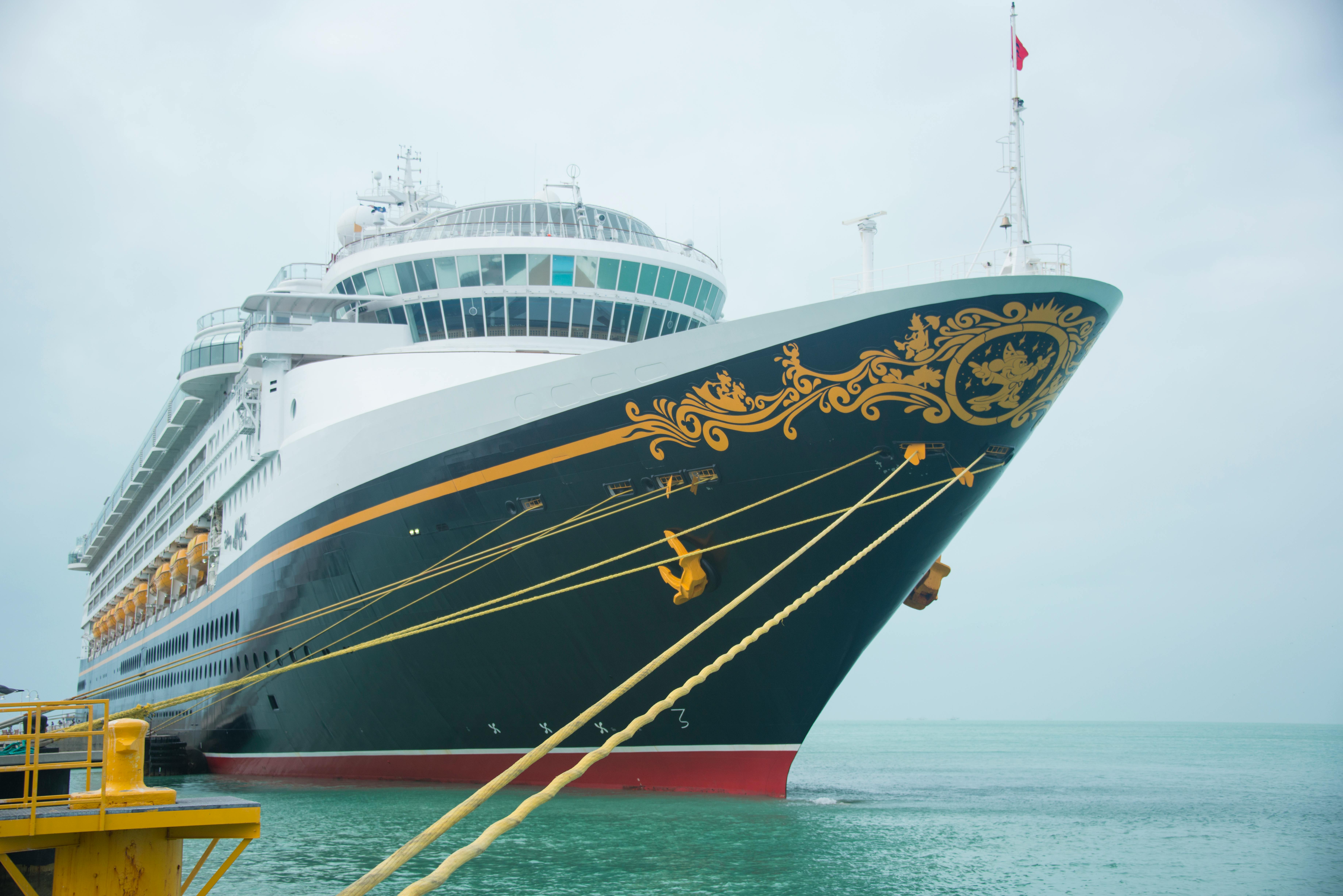 Photo: Travel Mutiny
What Happened
Disney's brand-new cruise ship Disney Adventure had to cancel its inaugural sailing after passengers had already boarded, with the line citing a mechanical fault discovered just before departure. The cancellation stranded hundreds of guests who were expecting to be part of the ship's maiden voyage milestone. Disney says it's working to get the voyage rescheduled, but no firm dates have been announced yet.
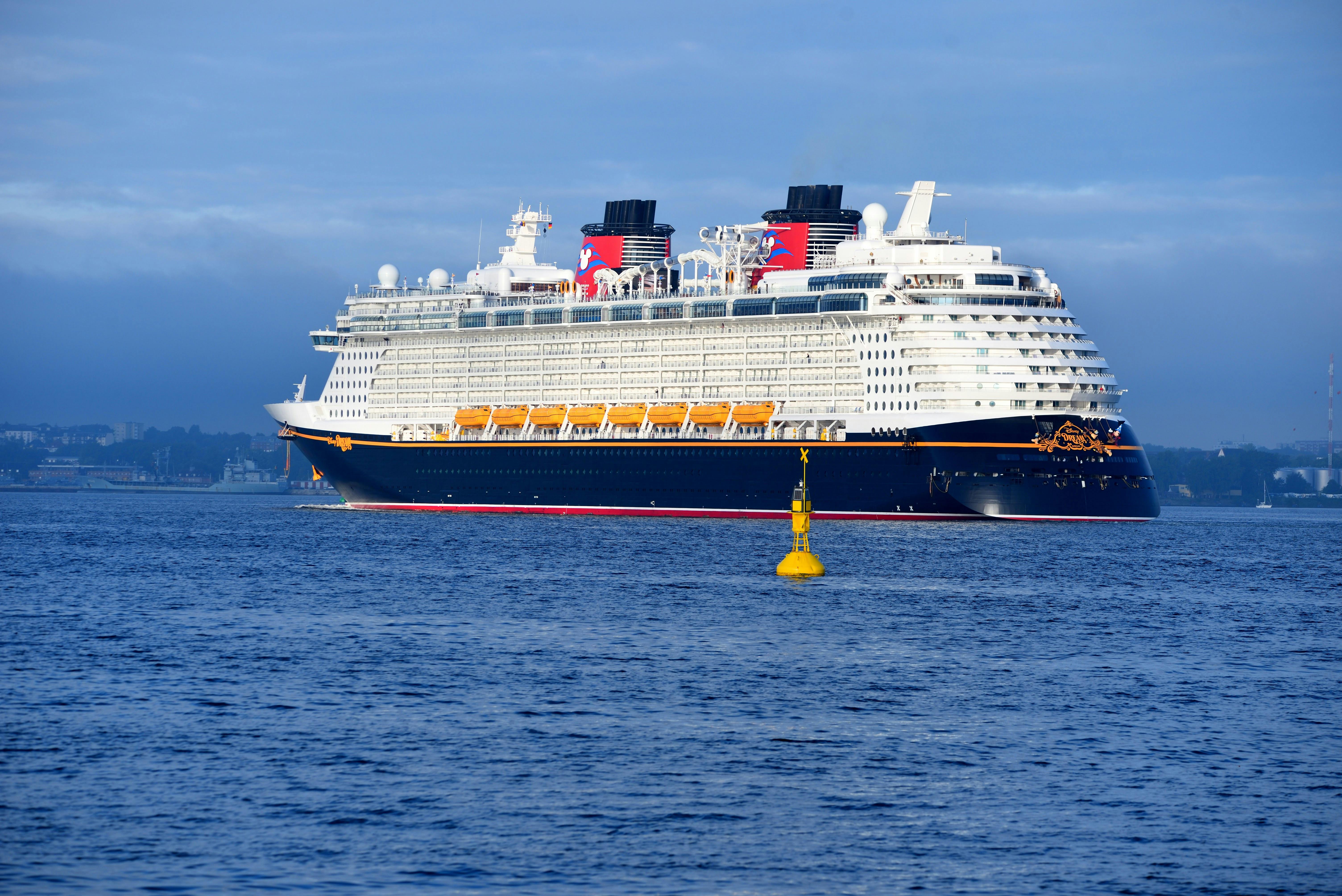 Photo: Travel Mutiny
What This Actually Means For Your Wallet
Let's talk real numbers, because "working to reschedule" is corporate-speak for "your vacation just exploded and now you're dealing with the fallout."
If you were on this sailing, you're looking at immediate costs of $500–$2,500+ per person depending on how far you traveled and what you pre-booked. That's not the cruise fare itself — Disney will refund that or apply it to a rescheduled sailing. I'm talking about the money you've already burned that nobody's rushing to give back.
Non-refundable airfare is the biggest killer here. If you booked through Disney's air program, you might get some flexibility to rebook without change fees, but that's at Disney's discretion and often requires rebooking on the exact same route within a narrow window. If you booked independently and grabbed one of those cheap basic-economy fares? You're likely eating $300–$800 per person unless your ticket happened to be fully refundable (spoiler: it wasn't, or you wouldn't be reading this section carefully).
Hotels are next. Fly-in guests typically book at least one pre-cruise hotel night, sometimes two. If you prepaid a non-refundable rate at $200–$400/night, that's gone unless the hotel takes pity on you — and most won't, because from their perspective, you're a no-show by choice. You might get lucky if you booked a flexible rate or have elite status, but don't count on it.
Pre-booked excursions are trickier. If you booked directly through Disney, those charges likely haven't posted yet or will be refunded along with your cruise fare. But if you booked third-party tours (which savvy cruisers often do to save 30–50%), you're now dealing with individual vendors' cancellation policies. Some will refund, some will offer credit, many will tell you that cancellations inside 48–72 hours forfeit the deposit or full payment. Budget another $200–$600 depending on how many ports you had planned.
Disney's official contract-of-carriage — the legal fine print you clicked "agree" on without reading — generally absolves the cruise line of liability for mechanical issues and operational disruptions. Their standard policy allows them to cancel, modify, or substitute itineraries for pretty much any reason, including equipment failure, and limits your remedy to a refund of the cruise fare paid or rebooking on a future sailing. You will not get reimbursed for airfare, hotels, excursions, or the vacation days you just burned. Disney is not legally obligated to cover consequential damages — that's industry-standard across all cruise lines, not a Disney-specific thing.
What Disney chooses to do as a customer-service gesture is separate from what they're legally required to do. Given this is an inaugural sailing with significant PR implications, I'd expect them to offer affected guests something beyond a bare refund — perhaps a future cruise credit with a modest bonus (10–25% of the fare paid), onboard credit for a rescheduled sailing, or priority rebooking. But that's goodwill, not policy, and it'll vary guest by guest based on how much noise you make.
Travel insurance is where most people learn an expensive lesson. Standard trip-cancellation policies cover named perils only — things like death, serious illness, jury duty, job loss under specific conditions. "The cruise line cancelled my cruise due to mechanical problems" is generally not covered under basic trip-cancellation insurance, because you're getting your cruise fare refunded. The policy sees that as the cruise line making you whole.
What you actually need covered — the airfare, hotels, and prepaid excursions — falls into a gray zone. Some policies include "travel supplier failure" coverage, but that typically applies when the company goes bankrupt, not when they cancel a single sailing. A handful of more comprehensive policies include "trip interruption" or "missed connection" coverage that might reimburse non-refundable travel costs if a cruise is cancelled before departure, but read the fine print carefully — many require the cancellation to occur within 48 hours of scheduled departure, and some exclude mechanical issues entirely.
Cancel-for-Any-Reason (CFAR) insurance would cover this scenario, but only if you bought it within 10–21 days of your initial deposit (the window varies by insurer) and only if you cancel, not the cruise line. If Disney cancels on you, CFAR doesn't apply because you're not the one cancelling. And CFAR typically reimburses only 50–75% of non-refundable costs, not 100%.
Here's what you should do today if you're affected: Pull out your travel insurance policy — actually open the PDF and read the "trip cancellation" and "trip interruption" sections — and look for any coverage related to "travel supplier cancellation" or "mechanical breakdown." If you spot anything remotely applicable, file a claim immediately with copies of your booking confirmation, the cancellation notice from Disney, and receipts for airfare and hotels. Insurers are far more flexible when you file within 24–48 hours versus three weeks later. Even if coverage seems iffy, file anyway. The worst they can do is deny it, and I've seen borderline claims approved simply because the passenger documented everything and asked politely. If you don't have travel insurance, call your credit card company if you paid with a premium card — some Visa Infinite, World Elite Mastercard, and Amex Platinum cards include limited trip-cancellation protection (usually $500–$1,500 per person) that might reimburse some of your airfare or hotel losses.
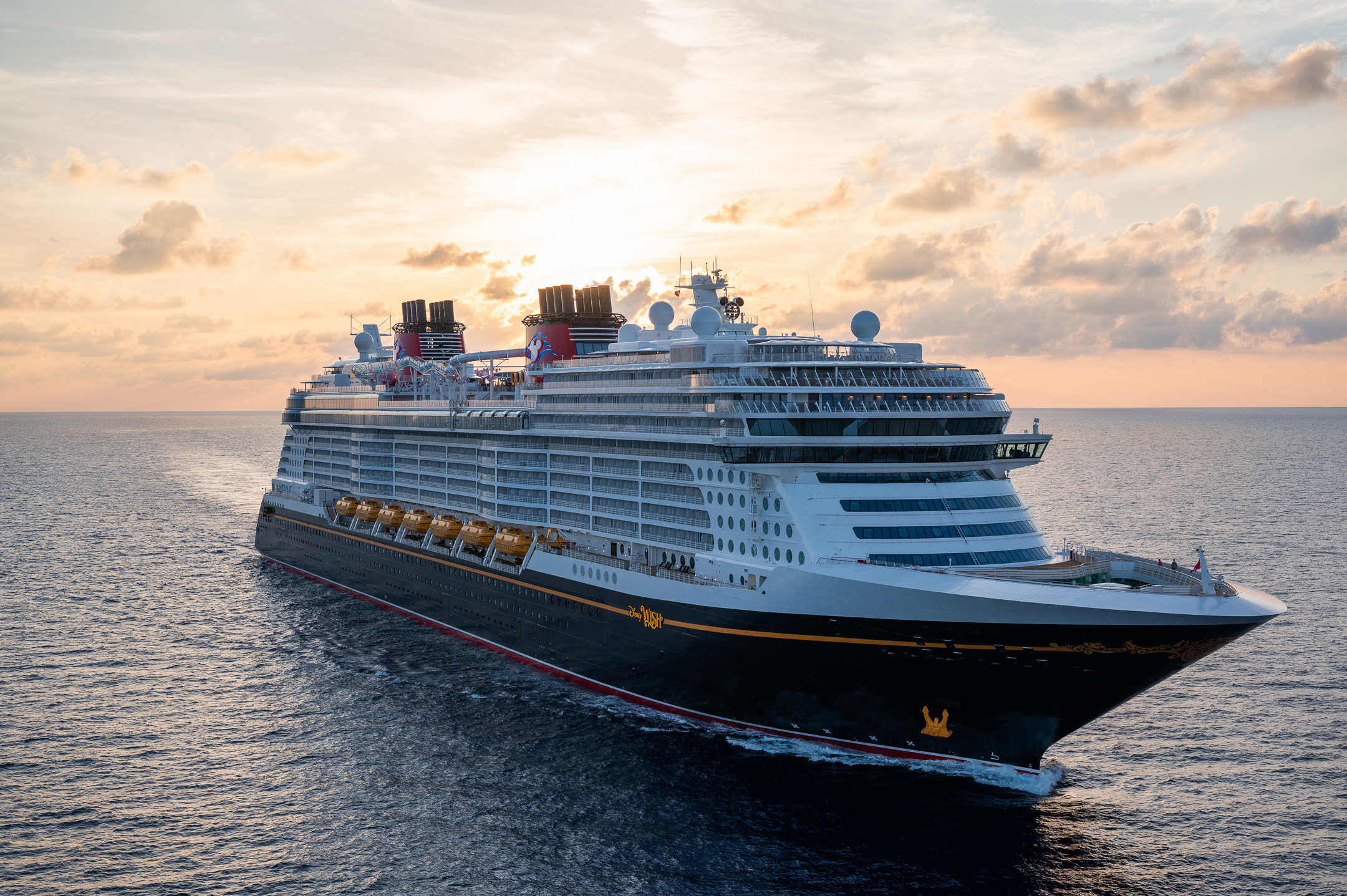 Photo: Travel Mutiny
The Bigger Picture
Inaugural sailings carry extra risk, and this is a perfect example of why experienced cruisers often avoid them. New ships have teething problems — it's not unique to Disney, though the timing here (one day post-embarkation) is particularly brutal. The fact that Disney pulled the plug after boarding rather than before suggests the fault wasn't detected during final inspections, which raises questions about their pre-launch shakedown process. This will ding consumer confidence in the Disney Adventure specifically, and you can bet the next few sailings will be heavily scrutinized by both passengers and maritime regulators.
What To Watch Next
- Compensation details — whether Disney offers future cruise credits, onboard credit, or cabin upgrades to affected passengers beyond the base refund, and how generous those offers are compared to past Disney cancellations.
- Root cause disclosure — what the actual mechanical fault was, how long repairs will take, and whether it affects the next scheduled sailing or requires dry-dock time.
- Rebooking prioritization — if Disney gives inaugural-sailing passengers first dibs on the rescheduled maiden voyage or simply dumps them into the general inventory pool.
📊 Have a cruise booked that might be affected by news like this? CruiseMutiny can run a full all-in cost breakdown for your specific sailing — and flag any disruptions tied to your dates or ship.
Last updated: May 12, 2026. This is a developing story — check back for updates.