A Disney Adventure cruise was abruptly canceled after passengers had already boarded the vessel. Guests waited for hours before being informed of the cancellation, raising questions about Disney's response and communication. The incident left hundreds of passengers stranded and frustrated with the handling of the situation.
📰 Reported — from industry news sources
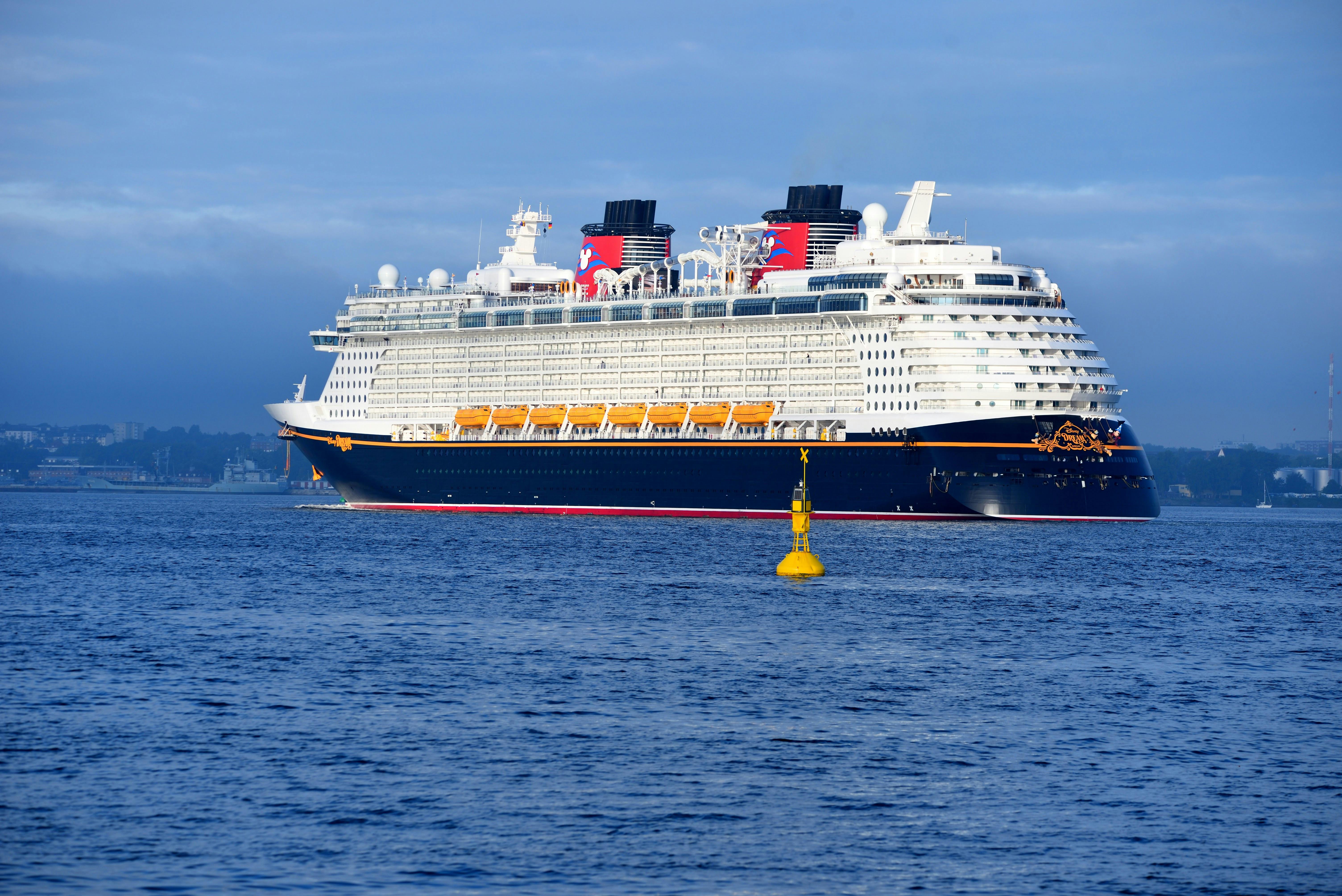 Photo: Travel Mutiny
What Happened
Disney Adventure passengers boarded their ship, stowed their luggage, and settled in — only to be told hours later that the entire cruise was canceled. Hundreds of guests were left in limbo on the vessel before disembarkation, with minimal communication about what went wrong or what happens next. Disney has not publicly disclosed the reason for the last-minute cancellation.
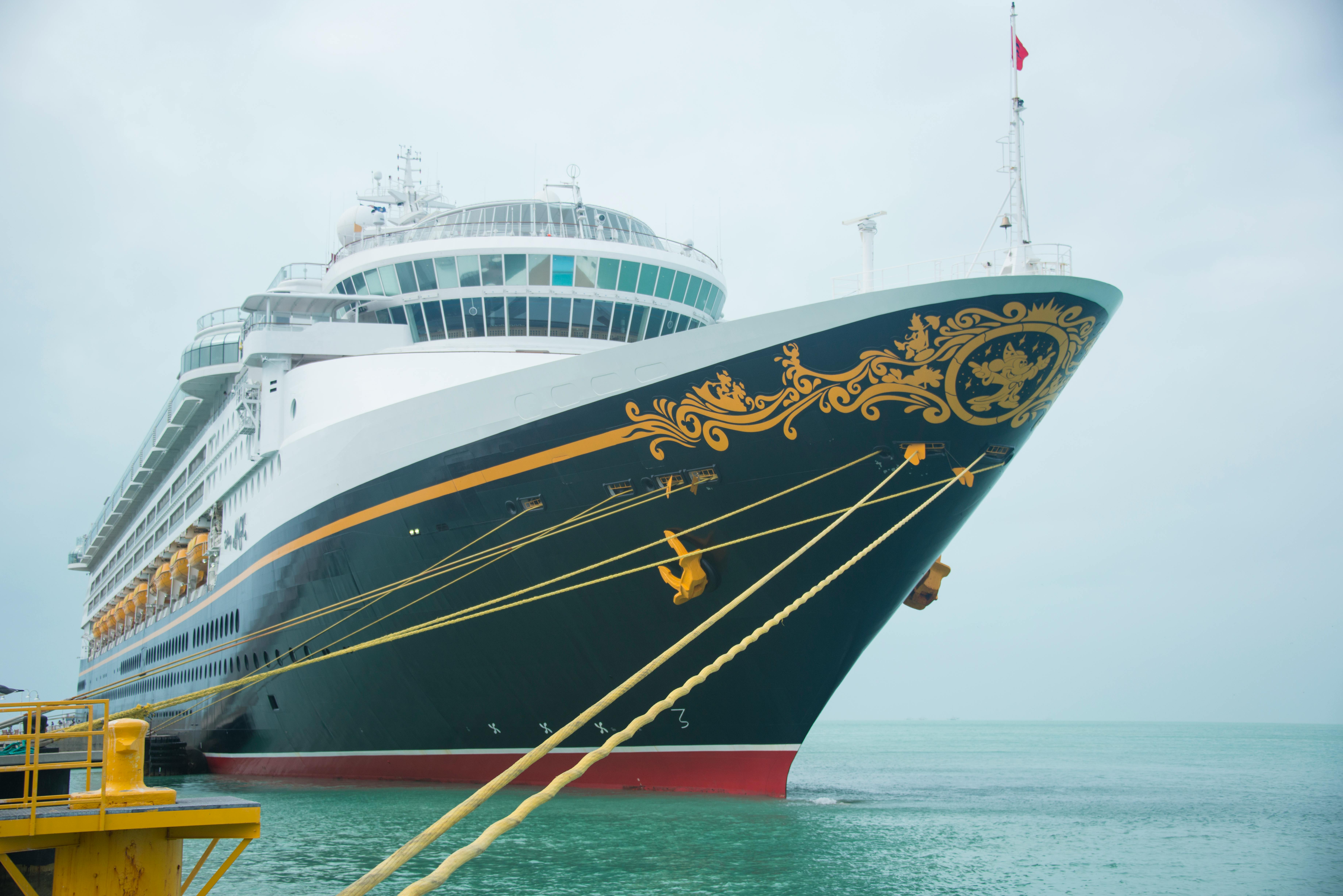 Photo: Travel Mutiny
What This Actually Means For Your Wallet
Let's talk about the money you're actually out when a cruise gets axed after you've already boarded.
The immediate hit: If you're on a 7-night Disney cruise, you're looking at anywhere from $3,500 to $8,000+ for a family of four, depending on cabin category and sailing date. Disney will refund your cruise fare — that's not optional under their contract of carriage. But your cruise fare is only part of what you spent.
You've got non-refundable airfare. If you booked through Disney, you might get some help rebooking, but if you bought your own flights to save money (like most of us do), you're eating that cost unless your ticket happens to be flexible. Same-day change fees run $200+ per person on most carriers, and if there's a fare difference, you're paying that too. Then there's the hotel you booked near the port the night before — likely non-refundable. Any shore excursions booked through third parties? Those cancellation policies vary wildly, and "my cruise was canceled" doesn't automatically trigger a refund if you're outside the cancellation window.
Add it up: You could easily be $1,500 to $3,000 in the hole on trip expenses that aren't coming back, even with a full cruise refund.
What Disney's policy actually says: Disney Cruise Line's ticket contract generally states that the line can cancel a cruise for any reason, including technical issues, weather, or operational needs, and that their liability is limited to refunding the cruise fare paid. They're not on the hook for consequential damages — that's the legal term for your flights, hotels, excursions, or the vacation days you burned. The contract language is ironclad on this point across the industry. Disney may offer a future cruise credit as a goodwill gesture (they've done this before), but they're not contractually required to cover your airfare or reimburse you for the week off work you can't get back.
What travel insurance covers (and what it doesn't): This is where most people learn an expensive lesson. Standard trip cancellation insurance covers you canceling for a named reason — illness, injury, death in the family, jury duty. It does not cover the cruise line canceling on you. That's usually excluded as a "foreseeable event" or falls under the fine print about supplier defaults.
Cancel-for-Any-Reason (CFAR) coverage is different. It typically reimburses 50-75% of your non-refundable trip costs if you cancel for literally any reason, but here's the gotcha: most CFAR policies require you to initiate the cancellation. If Disney pulls the plug, you're not the one canceling — they are. Some policies cover "trip interruption" if a cruise is canceled mid-voyage, but this situation (canceled before departure, even though you boarded) sits in a gray area. You'll need to read your specific policy's definitions of "trip interruption" vs "supplier-caused cancellation."
The one type of coverage that should respond here is "travel supplier bankruptcy and default" or "cruise line default" coverage, which some premium policies include. But even that often requires the cruise line to be insolvent or completely cease operations — not just cancel one sailing.
What you should do today: Pull out your trip insurance policy right now and look for the claims contact information. File a claim within 24-48 hours while the incident is fresh and documented. Even if you're not sure you're covered, file anyway — the clock on claim deadlines starts immediately, and insurers can deny claims filed too late even if they would have been valid. Take screenshots of any communication from Disney, save your boarding pass, and document every out-of-pocket expense with receipts. If you booked with a travel agent, get them on the phone and ask them to push Disney for a future cruise credit with an OBC (onboard credit) kicker as compensation for the disaster.
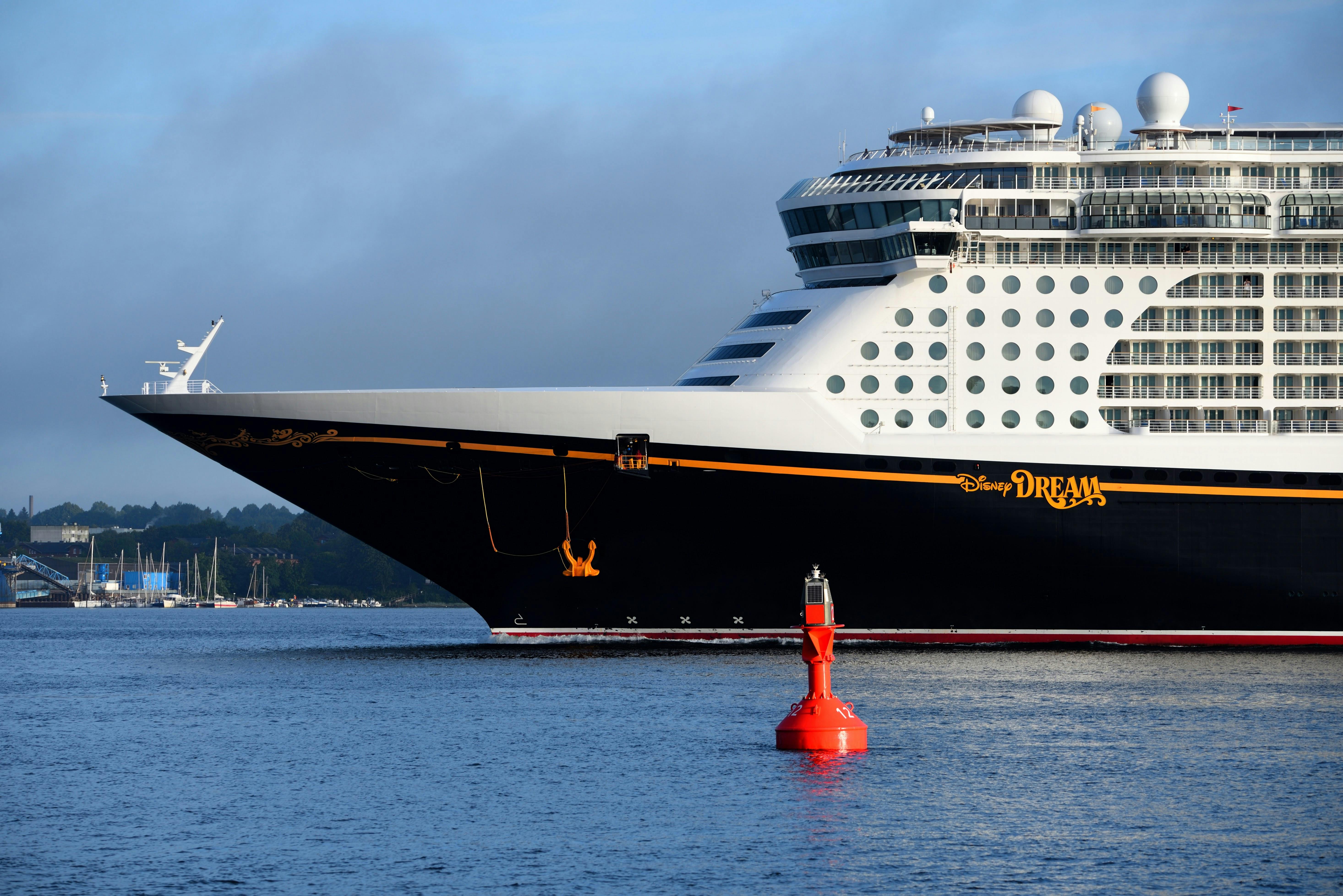 Photo: Travel Mutiny
The Bigger Picture
Disney charges premium prices — often 30-50% more than Carnival or Royal Caribbean for comparable itineraries — with the implied promise that their operation is buttoned-up and family-friendly hassles are minimized. An after-boarding cancellation with poor communication torches that value proposition. This also raises questions about whatever operational or mechanical issue caused the abort, because Disney doesn't cancel cruises lightly given the revenue and reputation hit. If this was a propulsion or safety system failure, expect scrutiny on how the ship passed pre-departure inspections.
What To Watch Next
- Whether Disney offers automatic future cruise credits or OBC to affected passengers, or forces them to request compensation individually (the latter being a bad look).
- The actual cause of the cancellation — if it's a mechanical issue with Disney Adventure specifically, watch for additional canceled sailings while repairs happen.
- Class-action rumblings — disappointed passengers with unrecoverable costs sometimes lawyer up, especially when communication breakdowns make things worse.
📊 Have a cruise booked that might be affected by news like this? CruiseMutiny can run a full all-in cost breakdown for your specific sailing — and flag any disruptions tied to your dates or ship.
Last updated: May 12, 2026. This is a developing story — check back for updates.